We all do it. Every day. We reach for the toilet paper without a second thought — it’s just part of the routine. But those quick, automatic choices add up. The average person uses around 141 rolls of toilet paper each year, contributing to deforestation, water consumption and chemical pollution. And those “flushable” wipes? Many don’t actually break down, clogging sewage systems and harming waterways and wildlife.
While many cultures have long preferred water-based options (75% of the world’s population does not use toilet paper), much of the world still relies on products that are resource-heavy, wrapped in plastic or laced with chemicals like PFAS. These “forever chemicals” can enter our bodies and make their way into marine environments, impacting wildlife development and reproduction.
The good news? Small shifts in your bathroom routine can make a big difference. Whether you’re aiming to reduce waste, lower your chemical exposure or simply explore more sustainable hygiene options, there are easy, eco-friendly alternatives that keep you fresh and protect the planet.
Let’s explore three simple swaps, from water-based cleaning to biodegradable wipes, that help you take care of yourself while taking care of the environment, too.
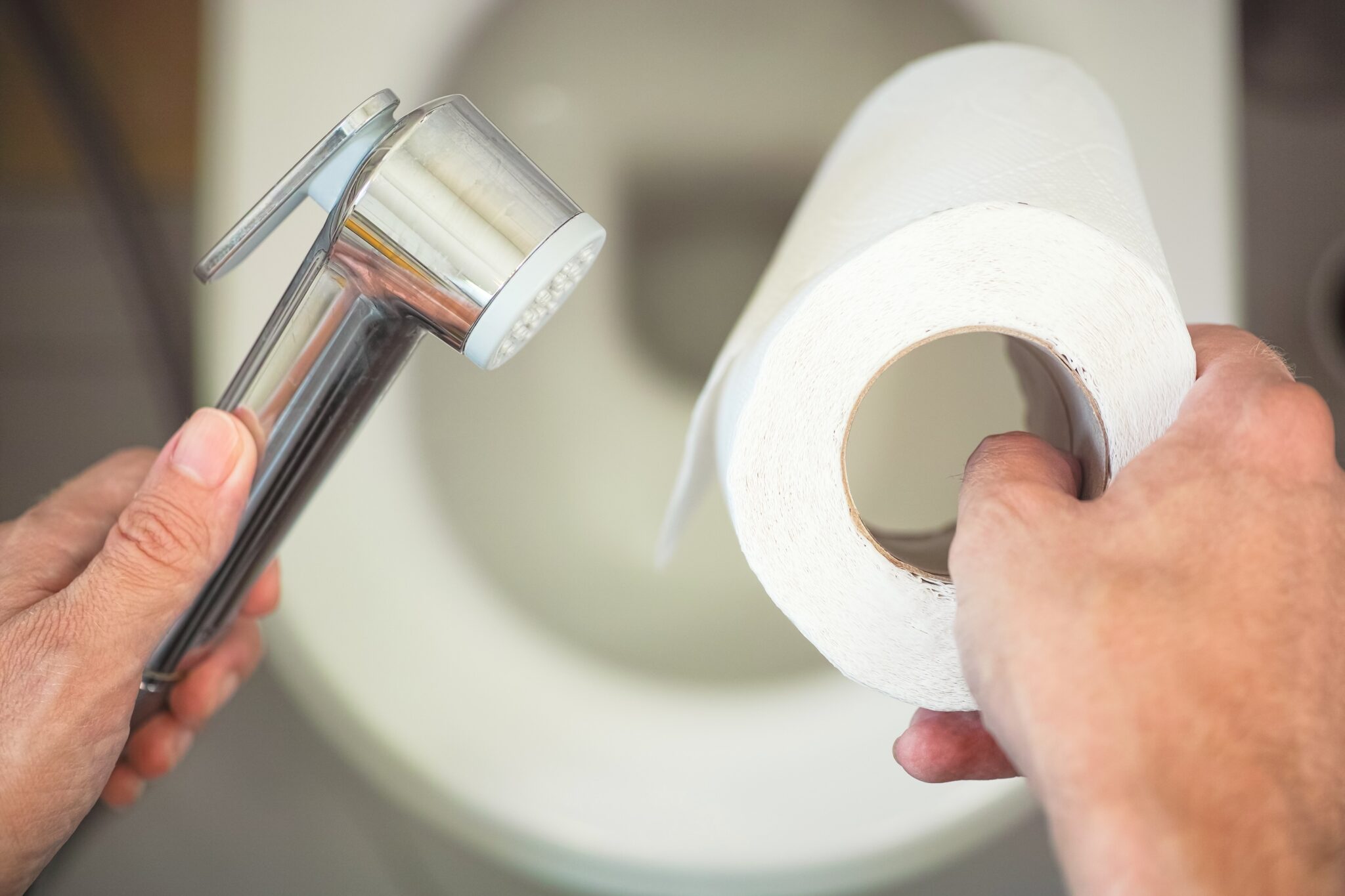
1. Water: The World’s Most Popular Option
Around the world, from Japan to India to the Middle East, water, not paper, is the default method of cleaning. It’s more hygienic than toilet paper, and it leaves nothing behind – no paper waste, no chemicals, no clogged plumbing.
Interestingly, bidets are becoming increasingly popular in areas where toilet paper is traditionally used thanks to modern, easy-to-install bidet attachments and portable bidet bottles. Some common options are:
- Bidets: Standalone or integrated toilet units
- Bidet attachments: Easy to install on most toilets
- Handheld sprayers (aka “bum guns”)
- Portable travel bidets or squeeze bottles
If you’ve never used one, it can feel like a big adjustment, but most people who make the switch never go back. Portable bidet bottles also make this option simple when you’re on the go.
Some easy products to try if you’re ready to dive into using water include:
- TUSHY Classic Bidet
- Brondell Bidet Attachment
- This Portable Travel Bidet for on-the-go use
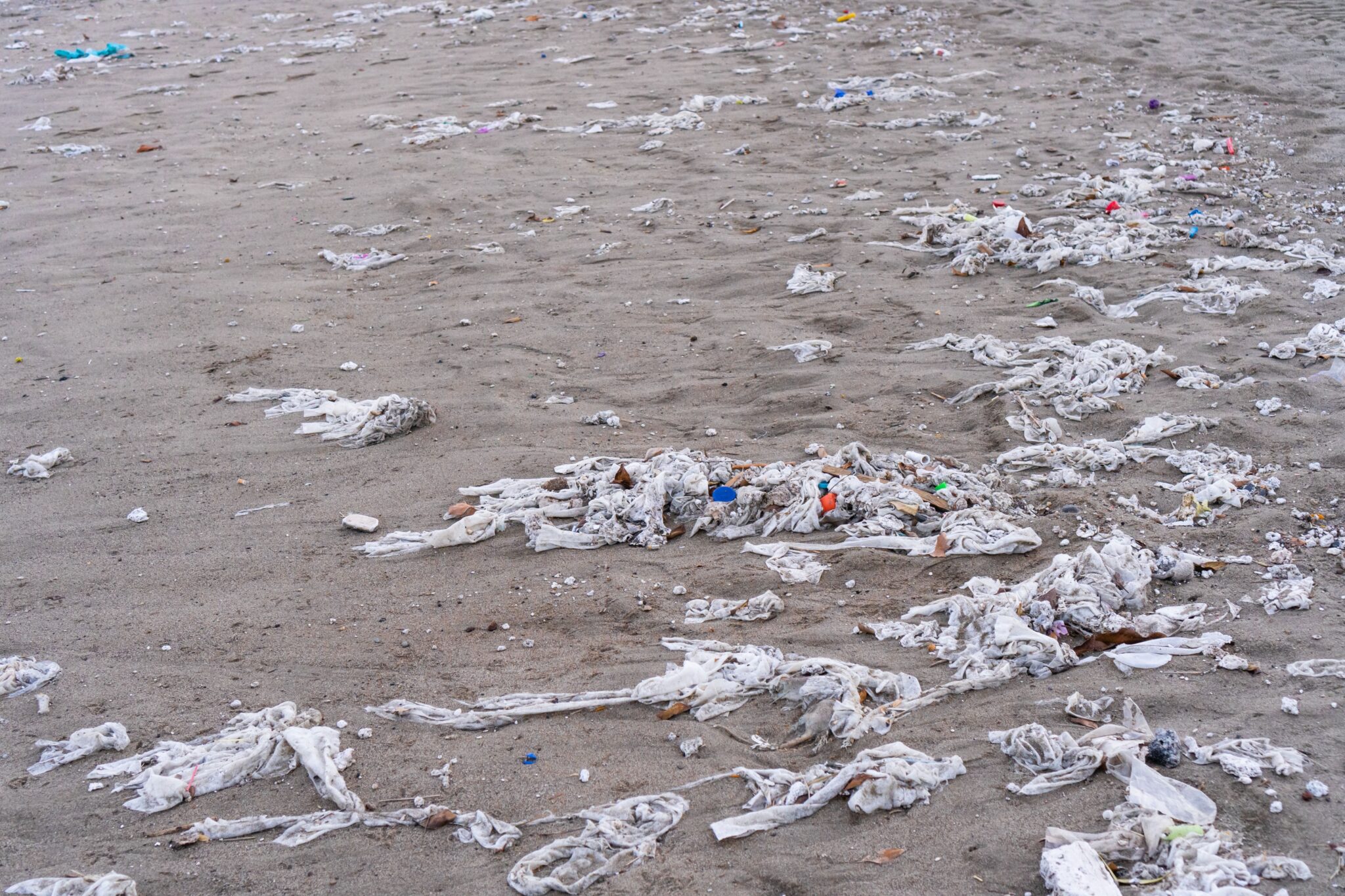
2. If You Must Use Wipes: Choose Biodegradable Wipes
There will always be moments when water isn’t convenient — long days out, shared restrooms or situations where plumbing isn’t reliable. In those cases, biodegradable wipes made from plant-based fibers are a far better alternative than traditional wipes.
Look for unscented, plastic-free options made from bamboo or cotton. Even then, remember not to flush them. Biodegradable wipes should go in the trash or compost bin (if they meet composting standards). It’s a small step that goes a long way toward keeping pipes clear and waterways clean.
Try these picks:
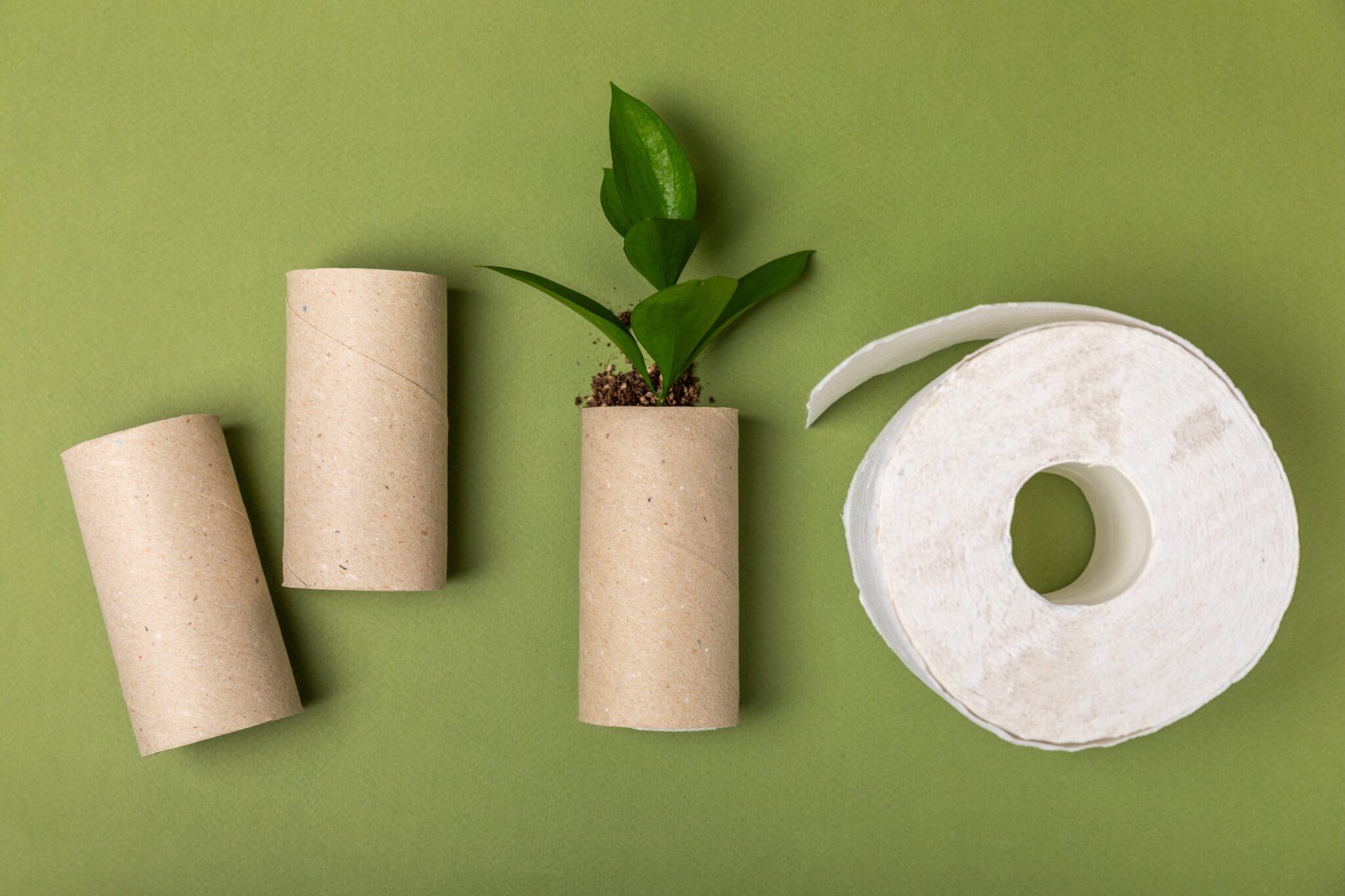
3. Still Prefer Paper? Go Sustainable
If switching to water or wipes feels like too big of a leap, start with what you already know, just make it greener. Bamboo and recycled-paper toilet paper options are becoming easier to find and feel similar to what you’re used to, just with a lighter environmental footprint. They reduce deforestation and avoid many of the chemicals found in conventional paper products.
Some examples of sustainable toilet paper options include:
- Who Gives A Crap (recycled or bamboo)
- Reel Bamboo TP
- Seventh Generation Recycled
Pair this with simple, reusable habits, like keeping a small, refillable hand-soap bottle or sanitizer on hand when restrooms aren’t well-equipped, and you’ve already made your routine more planet-friendly.
Dive Into Sustainability
Caring for yourself and caring for the planet don’t have to be separate things. If you’re passionate about cleaner waterways, healthier oceans and reducing pollution at every level, consider joining a community of people who feel the same.
Become an Ocean Torchbearer
Join a global movement supporting ocean conservation programs and everyday actions that protect the blue planet we rely on.