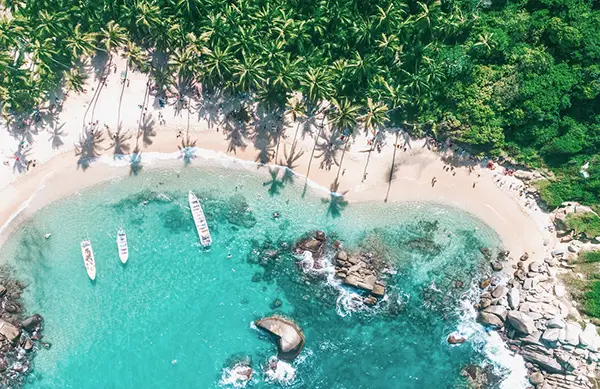
Japan is a country surrounded by oceans and home to an incredible range of dive sites — each unique and gorgeous in its own way. From quick day trips to remote adventures, there are exciting underwater experiences to be found across the country.
In the far north, Hokkaido is a region known for its unspoiled natural beauty, from vast wilderness and alpine landscapes to crystal-clear lakes and wetlands. The diving here is just as breathtaking in scale. In winter, you can experience ice diving beneath the drift ice of the Sea of Okhotsk or even share the water with sea lions and seals.
On the Pacific coast of the Tohoku region, warm Kuroshio currents from the south meet the cold Oyashio currents from the north, creating a rare marine crossroads. Here, divers can observe both northern and southern species living side by side. On the Sea of Japan side, powerful waves have carved out dramatic underwater landscapes, offering yet another kind of diving experience.
From icy seascapes to current-swept reefs and mysterious marine ecosystems, northern Japan promises unforgettable underwater adventures for those who venture off the beaten path.
Diving Highlights in Hokkaido
Hokkaido offers some of Japan’s most diverse and dramatic diving experiences, shaped by its northern latitude and unique seasonal shifts. From the vibrant blue waters of the Shakotan Peninsula to the surreal ice diving of Shiretoko and the biodiverse shallows of Usujiri, each area showcases a different side of the island’s underwater world. Whether you’re drawn to playful sea lions, rare cold-water species or breathtaking volcanic formations, Hokkaido promises unforgettable encounters for adventurous divers year-round.
Shakotan Peninsula & Bikuni
Located on the eastern side of the Shakotan Peninsula, Bikuni is one of Hokkaido’s premier diving areas and is home to the region’s only officially designated “Underwater Park Zone”, which stretches from Cape Shakotan to Cape Byano. The area is known for the famous “Shakotan Blue” — stunningly clear waters that reveal unique underwater landscapes, like towering volcanic rock columns and rugged formations.
Depending on the season, divers can enjoy a wide variety of marine life. During the warmer months, large schools of damselfish and striped beakfish fill the clear waters, and wetsuit diving is possible thanks to higher water temperatures. In winter and spring, the area offers the chance to encounter sea lions and seals. Year-round, iconic northern species, such as giant Pacific octopuses, smooth lumpsuckers (locally known as gokko) and Atka mackerel, make this a uniquely rich diving destination.
Featured Dive Site: Takarajima Island
Takarajima Island is one of the most popular dive sites in Bikuni, offering excellent visibility and dramatic underwater terrain. In winter, sea lions can often be seen gracefully swimming through the water — a breathtaking sight.
The site is divided into two main areas:
- West Side – A sheltered, bay-like area starting at a depth of five meters (16.4 feet) and gradually descending. This side is frequently used for courses and entry-level dives due to its calm conditions.
- East Side – A sloping reef that drops from shallow rock beds around six meters (19.7 feet) down to sandy bottoms at 22 meters (72.2 feet). Schools of white-edged rockfish and spotbelly rockfish can often be found here. Great for training or beginner dives.
How To Get There
- By car: About two hours from Sapporo via the Do-o Expressway → Otaru IC → Route 5 → Route 229.
- By train & bus: From Sapporo Station, take the JR Hakodate Line to Otaru (approx. 35 min), then a local bus to Bikuni (approx. 1.5 hours)
Shiretoko
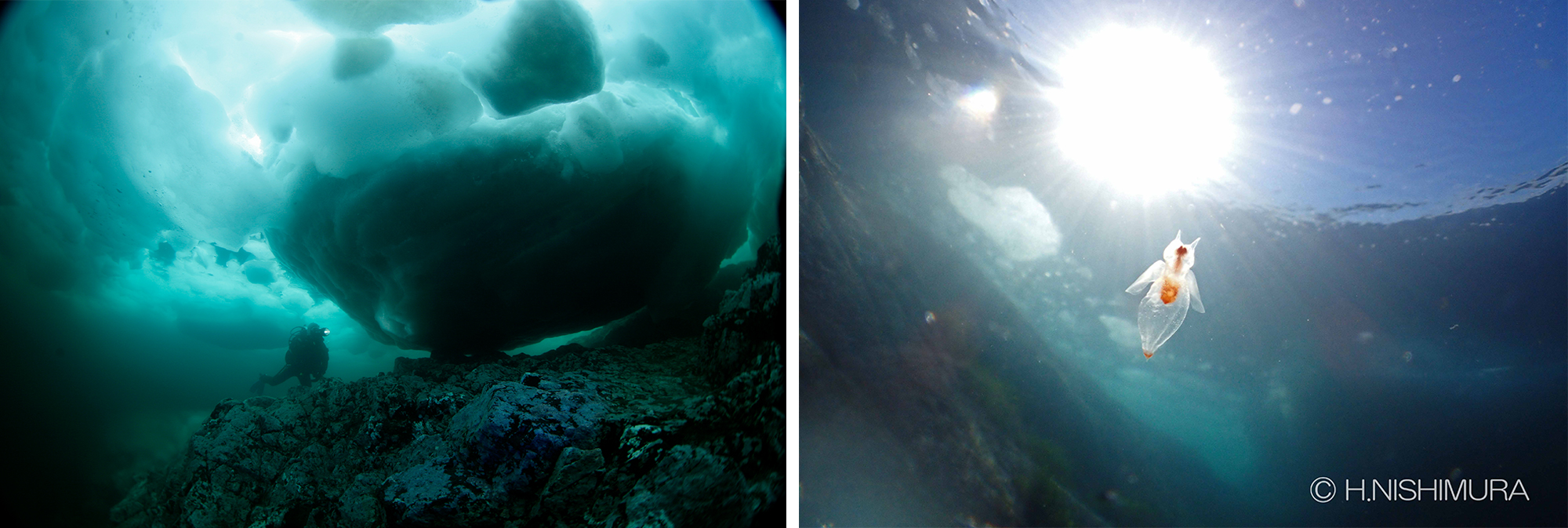
Every year from February to March, drift ice carried by the Sea of Okhotsk reaches the shores of the Shiretoko Peninsula, marking the start of Hokkaido’s legendary ice diving season. With air temperatures dropping to –15°C (5°F) and water temperatures as low as –2°C (28°F), this is one of the most extreme dive experiences in the world — but also one of the most awe-inspiring. The magical sight of sunlight filtering through gaps in the ice above creates an otherworldly atmosphere, and the water beneath is rich with unique marine life. A must-see is the iconic clione, also known as the “angel of the drift ice,” which floats gracefully through the icy water. You may also encounter species, like sculpins, snailfish and blennies — all thriving in this rich, ice-fed ecosystem.
Featured Dive Site: Offshore Utoro
Located on the western side of the Shiretoko Peninsula, Utoro is the gateway to ice diving. Divers enter through a hole cut into the frozen surface, descending into a surreal world of high visibility and absolute silence. Clione are a highlight, and lucky divers may even spot seals near the surface. In addition to diving, the area offers drift ice walks and sightseeing opportunities, making it a complete winter adventure.
How To Get There
- By car: About two hours from Memanbetsu Airport via Route 334.
- By train and bus: Take the JR Senmō Main Line to Shiretoko-Shari Station (approx. 50 min from Abashiri), then a local bus to Utoro (approx. 50 min).
Usujiri, Hakodate
Located on the southern tip of Hakodate, about 40 kilometers (25 miles) northeast of the city center, Usujiri faces the Pacific Ocean and is known for its rare mix of both temperate and cold-water marine life — a combination that’s unusual even for Hokkaido.
Each season offers something different. In spring, you can spot beautiful egg clusters and juvenile smooth lumpsuckers. As summer approaches, divers enjoy encounters with nudibranchs and colorful Japanese lumpsuckers. In autumn, tropical species carried by southern currents sometimes make surprising appearances. The area is especially popular among underwater photographers due to its biodiversity. Despite the rich marine life, Usujiri Bay is relatively calm and protected, with many dive spots suitable for all levels, from beginners to experienced divers.
Featured Dive Site: Maehama
Usujiri Bay is known for its calm waters, making it ideal for easy and enjoyable diving. The popular site called Maehama features a gently sloping shore with a ramp for easy entry and exit. The site is shallow, with a maximum depth of about 15 meters (50 feet), making it perfect for dive training, fish watching and underwater photography. The landscape is covered in seagrass and seaweed, creating a lush habitat where fish lay eggs and hatchlings emerge — offering endless photo opportunities.
How To Get There
- By car: About one hour from Hakodate city via Route 278.
- By train & bus: From Sapporo, take the JR Hakodate Line to Hakodate Station (approx. three and a half hours), then a local bus to Usujiri (approx. one hour and 20 minutes).
Diving Highlights in the Tohoku Region
The Tohoku region offers some of Japan’s most fascinating diving, shaped by the powerful meeting of the warm Kuroshio and cold Oyashio currents. This rare convergence creates an underwater crossroads where northern and southern species coexist, resulting in incredible biodiversity and ever-changing seasonal scenery. With its mix of sheltered bays, dynamic reefs and unique entry points, the Tohoku region delivers a wide variety of dive adventures for every level of diver.
Ofunato, Iwate
Ofunato, located in Iwate Prefecture, offers unique diving experiences shaped by its dramatic ria coastline — a series of deeply indented bays and inlets. The area sits at the meeting point of two major ocean currents: the cold Oyashio from the north and the warm Kuroshio from the south. This convergence creates a nutrient-rich marine environment that supports an incredible diversity of life.
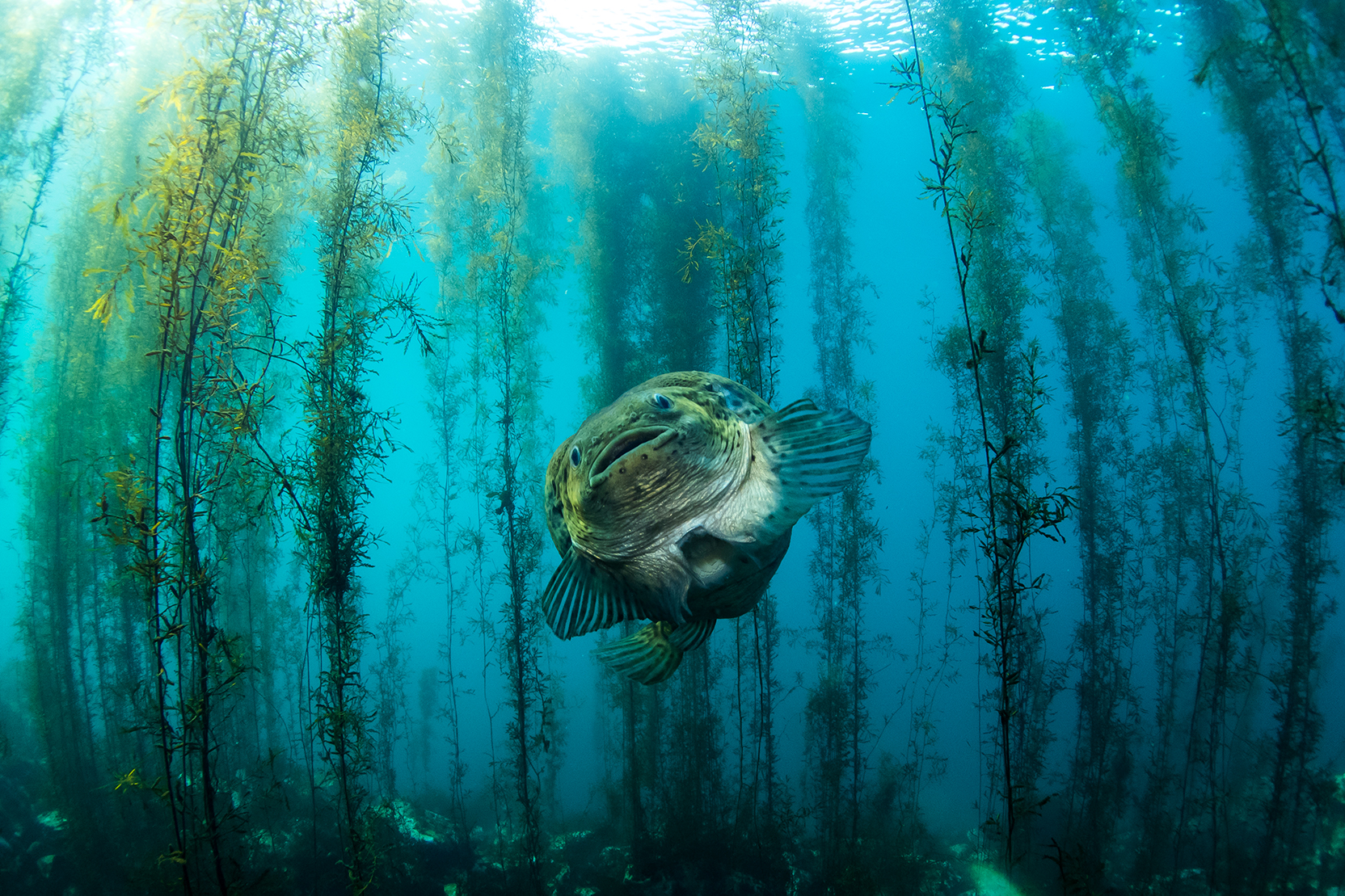
Throughout the year, the sea changes with the seasons. In spring, lush growths of seaweed transform the underwater landscape into a vibrant garden. Divers can encounter northern favorites like Japanese lumpsuckers, smooth lumpsucker, fat greenlings and fringed blennies — ideal for those who love relaxed fish-watching dives. In autumn, some dive operators even offer salmon swimming tours in nearby rivers.
Featured Dive Site: Namiita Beach
Namiita Beach, located in Okirai, Ofunato City, has a long history as a diving site — it’s been used for over 40 years by local fishery cooperatives and marine researchers from Kitasato University. It’s widely regarded as one of the most recognized dive sites for Iwate’s recreational divers.
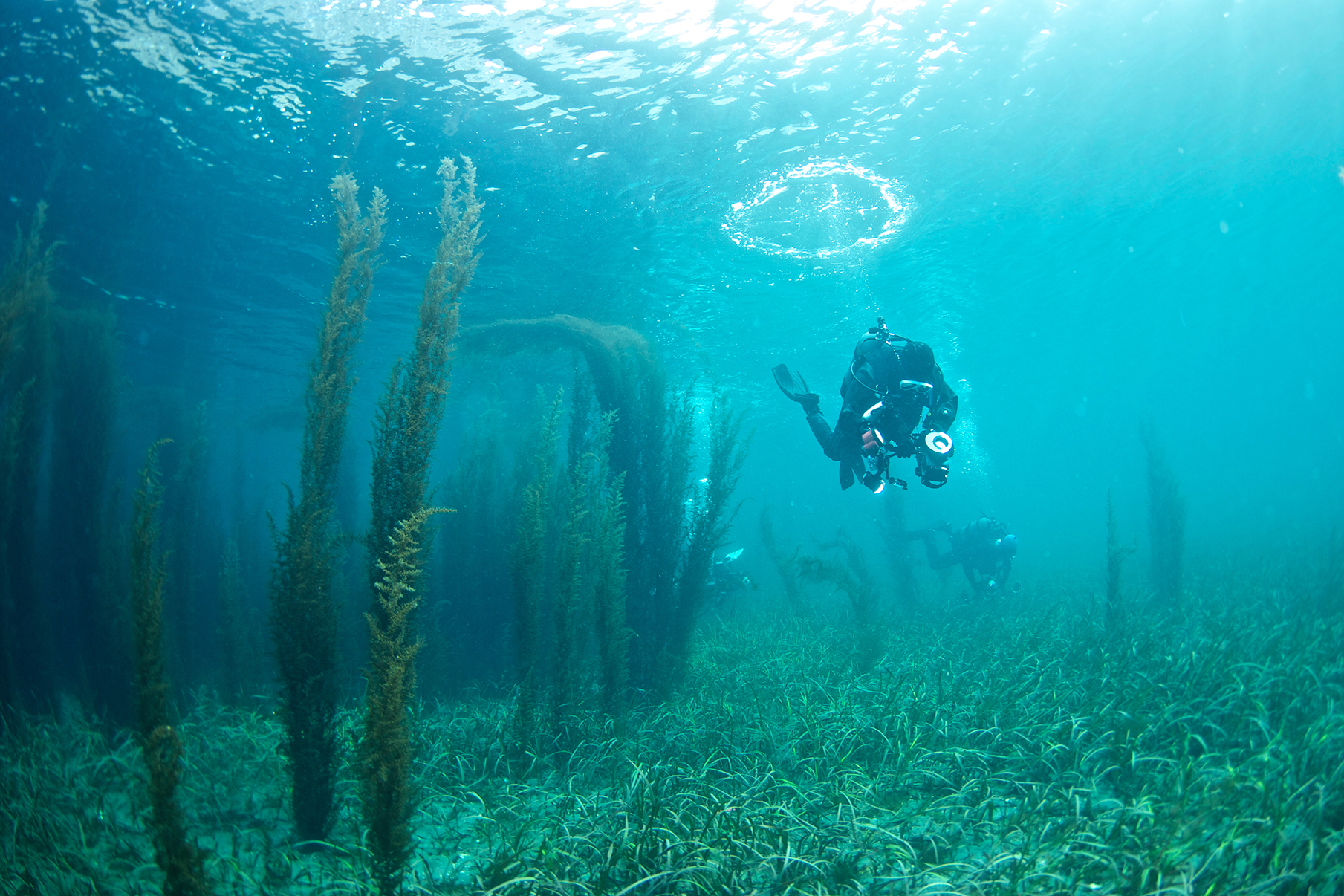
Although the area was heavily impacted by the 2011 tsunami, the area has recovered remarkably. Today, divers can enjoy peaceful scenes of fish weaving through eelgrass meadows on the sandy seabed. The site is also known for popular macro species, like Japanese lumpsuckers, making it a great spot for underwater photography.
How To Get There
- By car: About two hours from Sendai via the Tohoku Expressway and Sanriku Expressway.
- By train & BRT: Take the JR Tohoku Shinkansen to Ichinoseki Station (approx. 30 min from Sendai), then transfer to the BRT (Bus Rapid Transit) system to reach Ofunato (approx. one hour 30 min). The area is also accessible via the Tohoku Main Line and Sanriku Railway.
Onagawa, Miyagi
Located along the Sanriku Coast in Miyagi Prefecture, the waters around Takeura in Onagawa are rich in plankton brought by offshore currents, creating a marine environment that supports a remarkable diversity of life. Here, divers can observe a mix of northern and southern species — a rare ecological overlap in Japan.
Takeura is especially popular among underwater photographers and fish watchers. You’ll find charming creatures like Japanese lumpsuckers, grunt sculpins and fringed blennies. The area is also known for its natural colonies of wild sea squirts, adding to its distinctive underwater appeal. With both interesting rock formations and fine macro life, the site offers a great variety of dive experiences.
Featured Dive Site: Ago Island
Ago Island is just a five to six minute boat ride from the port. It features a mix of shallow channels, sloping terrain and rocky ridges that support a vibrant array of marine life. Stronger currents may be present at times, but they help keep the visibility clear. Among the highlights are wild sea squirts covering the seafloor, and with some luck, you may catch a Japanese lumpsucker adorably perched atop one — a perfect photo opportunity.
How To Get There
- By car: About one hour and 30 minutes from Sendai via the Sanriku Expressway.
- By train: Take the JR Senseki-Tohoku Line from Sendai to Ishinomaki Station (approx. one hour), then transfer to the JR Ishinomaki Line to Onagawa Station (approx. 30 minutes).
Shizugawa, Miyagi
Located in the heart of Minamisanriku-Kinkasan Quasi-National Park, Shizugawa Bay is filled with lush, island-dotted waters where the warm Kuroshio and cold Oyashio currents converge. This mixing of currents creates a biologically rich and diverse marine environment — one of Japan’s most unique underwater ecosystems.
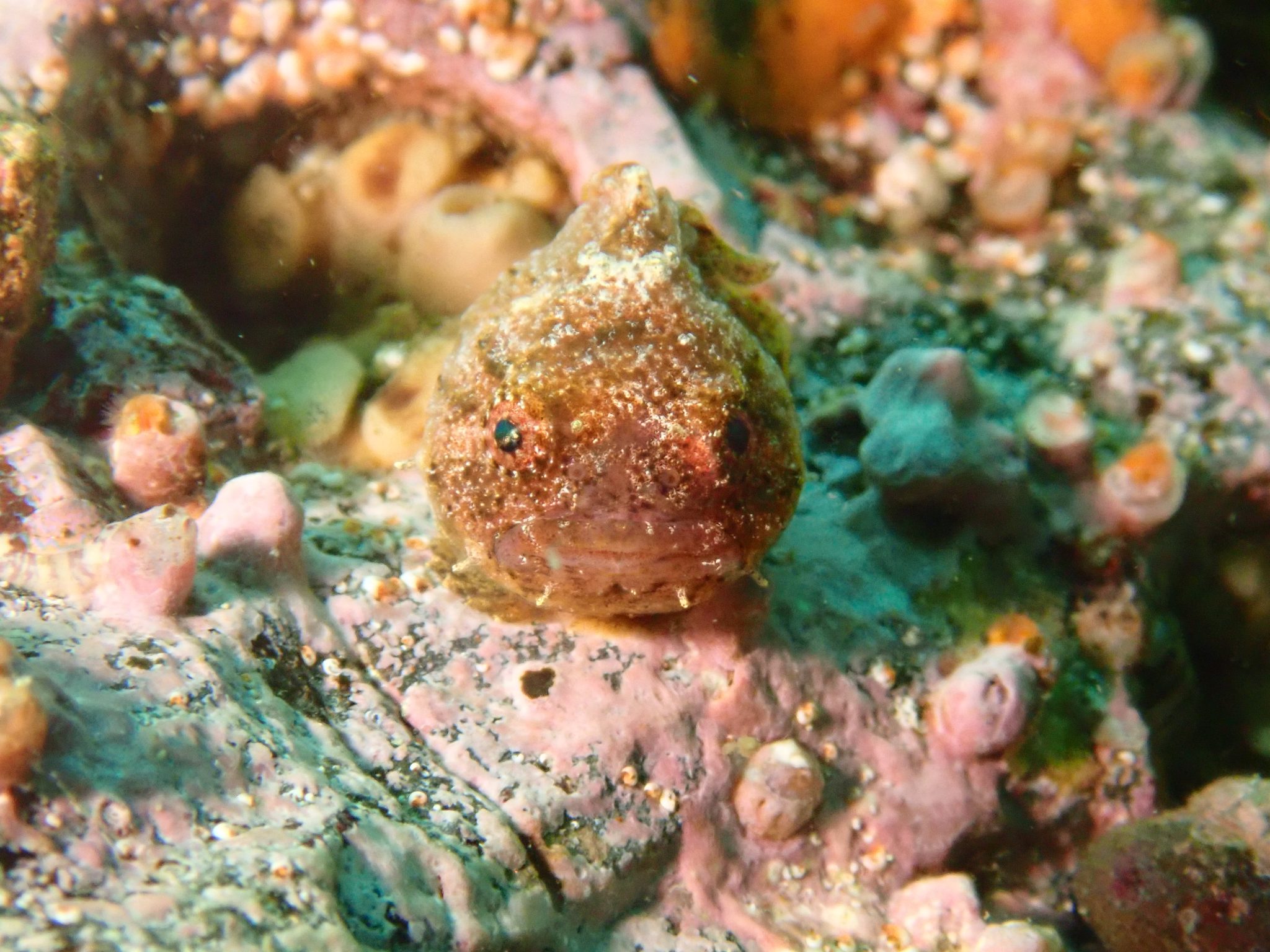
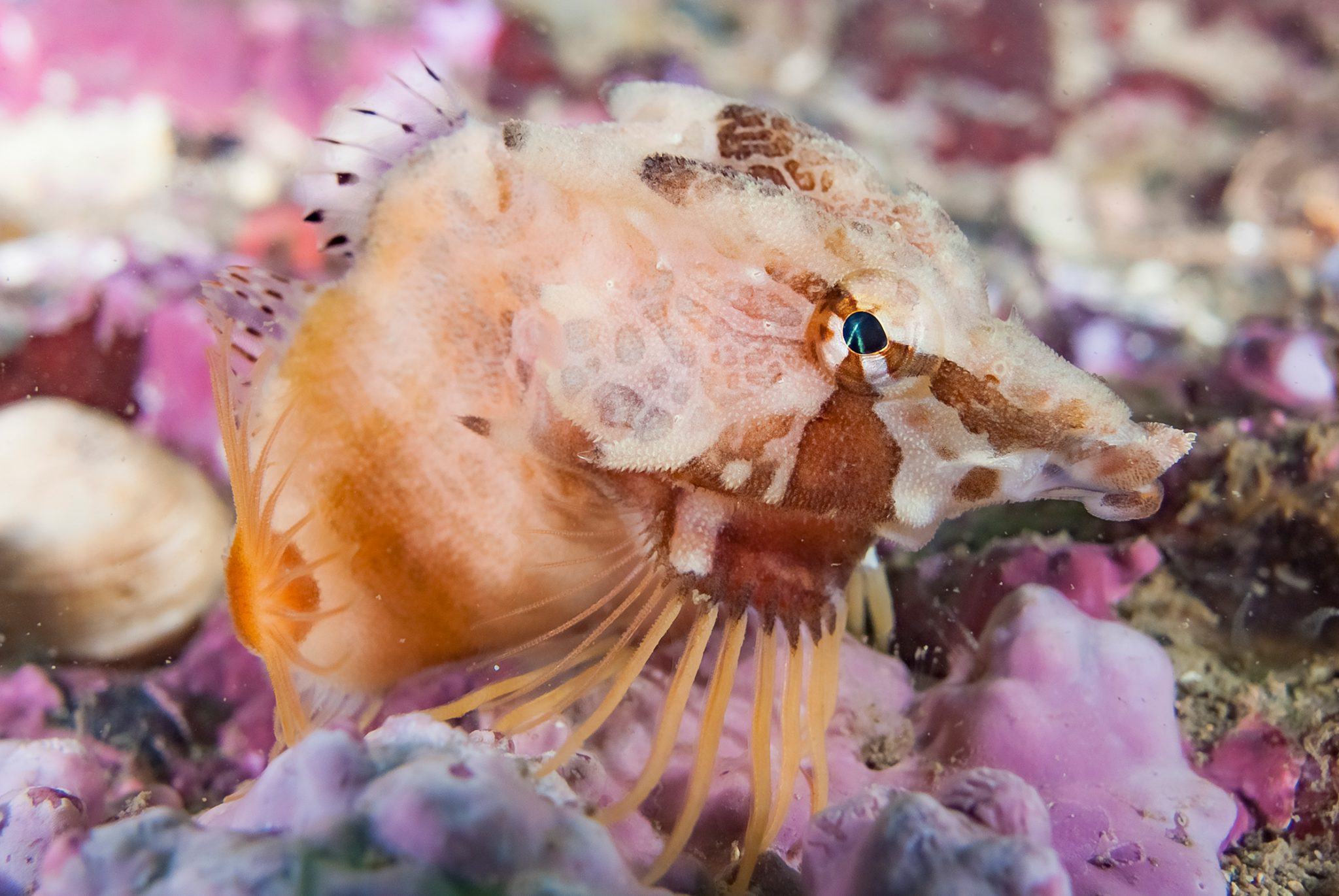
Here, divers can encounter both northern and southern species throughout the year. The seasonal changes bring ever-shifting underwater scenery, from forests of seaweed to rocky outcrops teeming with marine life. Popular sightings include Japanese lumpsuckers, grunt sculpins, ballon lump fish and barbed hunchback poacher — all of which are species beloved by macro photographers.
Thanks to the bay’s calm, protected waters, many dive sites are suitable for beginners as well as experienced divers looking for relaxed underwater exploration.
Featured Dive Site: Around Tsubaki Island
Tsubaki Island, located within Shizugawa Bay, offers a variety of dive sites suitable for all levels. Many areas are relatively shallow, making them ideal for training dives, fish watching and underwater photography.
One of the highlights is observing grunt sculpins, especially during breeding season when they guard their eggs in rocky crevices. Other species commonly seen include Japanese lumpsuckers and sailfin sculpins, each adding to the rich biodiversity of this northern coastal paradise.
How To Get There
- By car: About one hour and 30 minutes from Sendai via the Sanriku Expressway.
- By train & BRT: Take the JR Tohoku Main Line to Kogota Station (approx. 50 minutes from Sendai), then transfer to the BRT (Bus Rapid Transit) line to Shizugawa (approx. one hour and 30 minutes).
Kamo, Yamagata
Located on the coast of the Sea of Japan, the Kamo area of Shonai is known for its stunning “Japan Sea Blue” — crystal-clear waters with excellent visibility. The Tsushima Current brings warm waters northward, raising summer sea temperatures to a comfortable 28°C (82°F), making for relaxed and enjoyable diving.
The marine life changes dramatically with the seasons, offering underwater scenes that reflect Japan’s natural rhythms. In spring, divers can witness smooth lumpsuckers guarding their eggs, juvenile fish and charming Japanese lumpsuckers. From summer to autumn, tropical species drift in with the currents, while autumn and winter offer opportunities to observe the egg-guarding behavior of spotbelly greenlings. While winter brings colder water temperatures, it also brings exceptional visibility.
Featured Dive Site: Kamo Beach
Kamo Beach is a shallow, easy-access dive site perfect for beginners and relaxed dives. The site has a maximum depth of around 12 meters (39.4 feet) and an average of eight to 10 meters (32 feet) with stable conditions throughout most of the year.
The underwater environment consists of a mix of rock formations and sandy patches, creating ideal habitats for a wide variety of marine life. Divers can observe northern species in spring and southern species in autumn — making this a fantastic spot for fish watchers interested in seasonal behaviors, like spawning and hatching.
How To Get There
- By car: About 30 minutes from Shonai Airport via Route 7.
- By train: Take the JR Uetsu Main Line to Tsuruoka Station (approx. two hours from Niigata, two-and-a-half hours from Sendai), then a 20-minute bus ride to Kamo.
Yotsushima, Yamagata
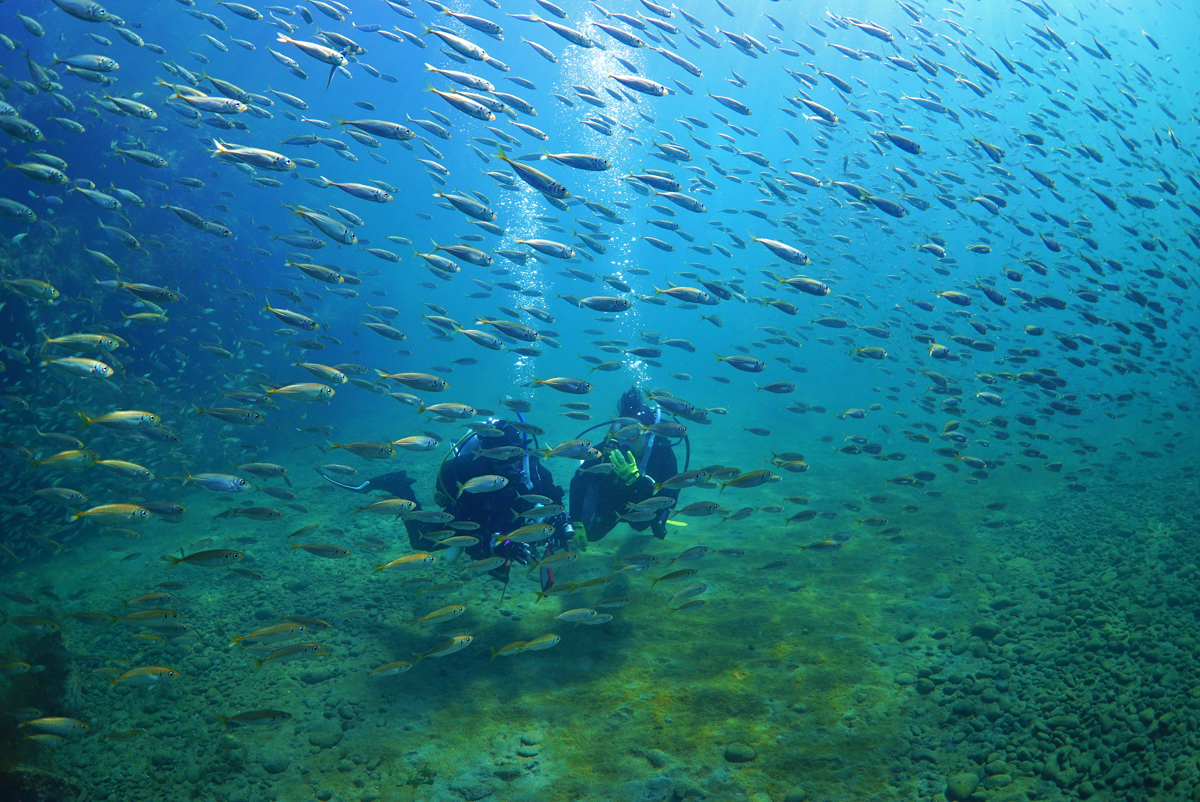
Off the coast of Tsuruoka City in Yamagata Prefecture lie the Yotsushima Islands, a cluster of four small islets known for their exceptional underwater biodiversity. These sites are perfect for divers who enjoy both wide-angle and macro photography thanks to large schools of pelagic fish, like yellowtail, as well as an abundance of smaller critters.
The underwater terrain is maze-like with crisscrossing rocky ridges and outcrops, offering adventurous divers the thrill of exploring a natural labyrinth. One of the area’s most distinctive features is its jetty diving. Rather than entering from a beach or boat, divers descend directly from jetties built on the islands themselves, offering a truly unique experience.
Featured Dive Site: Lighthouse Island
Just five minutes by boat from the harbor, this site takes you to an island with a lighthouse and a sturdy jetty that serves as your entry point. Thanks to strong currents, the area is teeming with life — schools of sardines, horse mackerel and yellowtail cruise through the clear waters.
The true stars of the site, however, are the friendly Asian sheepshead wrasse and red seabream that often greet divers. These charismatic fish have become local icons and are a favorite among underwater photographers. The island’s north side also features a natural, underwater tunnel, perfect for divers seeking exciting terrain-based dives.
Note: Diving here is seasonal, available only during the summer months.
How To Get There
- By car: Approximately one hour and 30 minutes from Yamagata City via Route 112.
- By train & bus: From Sendai, take the JR Ōu Main Line to Yamagata Station (approx. one hour), then transfer to a local bus to Yotsushima (approx. one hour).

From icy drift dives beneath floating sea ice to vibrant kelp forests, rocky reefs and seasonal encounters with unique northern and southern species, the waters of Hokkaido and the Tohoku region offer some of the most diverse diving in Japan.
Ready to explore these hidden treasures for yourself? Connect with a local dive shop today and start planning your next dive adventure in northern Japan.