If you’ve ever wondered what scuba divers really need to get started when they are first learning to dive, you’re not alone. Walk into a dive shop or scroll through dive photos online, and you’ll see a lot of impressive-looking equipment — but here’s the truth:
You don’t need to own much (or anything) to start diving.
In fact, many divers begin by renting gear while they learn. But sooner or later, almost everyone buys their first special piece of equipment.
So we asked a few PADI AmbassaDivers to spill their secrets: What was the very first piece of dive gear they ever bought?
Their answers might surprise you.
The Most Common First Purchase? A Mask (And There’s a Good Reason)
Over and over again, one piece of gear came up. Most of our AmbassaDivers purchased a mask first.
Why? Because a mask that fits makes for much more comfortable and relaxed dives.
Nikhil Kandhari told us, “My first piece of dive gear was a mask and honestly, it was the best decision I made early on. A good mask can completely make or break your dive experience, from comfort to confidence underwater and having one that fits your face perfectly changes everything.“
Filmmaker and ocean storyteller Nate Porter agreed. He said a bad mask is the one thing he absolutely refuses to tolerate, “I remember during my PADI Advanced Open Water Diver course buying a red tinted dive mask that fit me perfectly. It never leaked. I swore by it for years. I only moved away from color tinted masks when I got into filmmaking. I can tolerate a lot of shabby equipment while diving. I actually enjoy the challenge. But a leaky, foggy, poorly fitting mask is a deal breaker. It’s the one piece of gear I never travel without.“
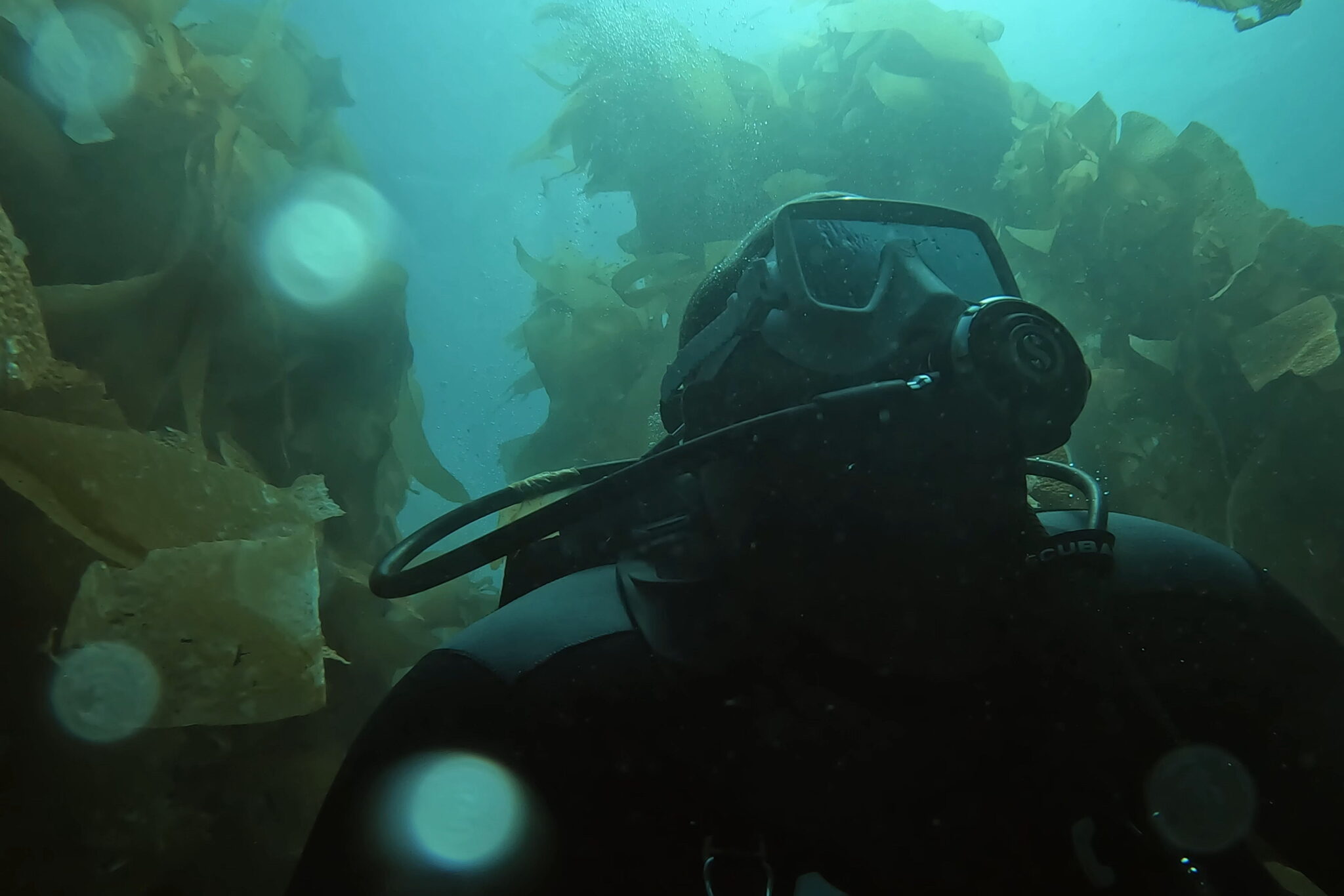
And if you’ve got facial hair, mask fit matters even more. As former NFL player Tyrell Crosby expressed, “The first dive gear I bought was fins and a mask. The fins worked well, but looking back I wish I had tried on more masks. Especially having facial hair. I was unaware of how some masks work better when it comes to people with having beards.”
The takeaway for new divers? A mask is small, affordable and easy to pack. Plus, it makes a huge difference in how comfortable and relaxed you feel underwater.
Sometimes, One Upgrade Changes Everything
Not everyone starts with their own gear. And that’s okay — more than okay, actually.
“My first purchase was a shorty wetsuit. After 500 dives in hand-me-down gear from military orienteering diving in Hungary, I earned enough at a Malta dive shop internship to buy one that actually fit. The difference in comfort was instant — sometimes the simplest gear upgrade changes everything,” said underwater stuntwoman, author and jewelry designer Szilvia Gogh.
This is a great reminder that your first piece of gear isn’t about status; it’s about comfort and fit. Even one small change can make diving more enjoyable.
The First “Big” Purchase (And the One That Lasted a Decade)
Some divers take a bigger leap, especially when they know they’re hooked on scuba diving from the outset.
Rachel Moore, one half of Voyages of Agape, shared, “The first dive gear I purchased after getting certified was a used set that included a BCD, first stage, regulator and dive computer. It was such a great investment, and the BCD alone lasted me over 10 years. Buying used kept costs down and was a great way to get started with quality gear.”
Others chose one essential piece of technology as their first big investment. PADI Pro Martyna Skura revealed, “My first piece of dive gear was a Suunto Zoop dive computer, second hand, bought at the beginning of my Divemaster course in Egypt. It cost USD $100 in 2015, and I used it until November 2017, when I lost it in Mexico where I worked as an instructor. It served me so well!”
This is yet another important insider tip. You don’t have to buy everything new to get great gear that lasts.
The Gear That Made It Feel “Real”
For many divers, that first purchase isn’t just practical, it’s emotional.
“The first piece of dive gear I ever purchased was in 2004, and it was a Sherwood Luna BCD. I got it from the local dive shop I got certified through in Maine. I went on my instructor’s advice and got the only BCD they had that was designed for a woman. I dove with the BCD for years and was so proud to have my own gear. I handed it off to my mom after, and she used it for a few years. I actually found it in my mom’s basement this past summer,” revealed shark conservationist Jillian Morris.
That’s the kind of gear story most divers have about their first pieces of gear. They remember it not because it was fancy, but because it represents the moment diving became their thing.
The Big Myth: You Don’t Need Gear To Start Diving
Here’s the most important thing if you’re thinking about learning to dive: You don’t need to buy any gear to start.
Even among world-class divers, filmmakers, and ocean explorers, no one starts by buying everything. Most people start with one simple piece. And the “right” gear is about fit, comfort and confidence, not price or complexity. The most important first step in learning to dive isn’t buying gear, it’s actually taking your first breath underwater.
When you take your PADI Open Water Diver course, speak with your dive center about renting dive gear if you aren’t ready to purchase. They may ask you to buy your own mask, fins and snorkel, because having these small pieces will make you multifold more comfortable in the water. But, a lot of divers wait until they’ve done a few dives before deciding exactly what they want to buy.
Ready To Learn To Dive?
If you’ve been thinking about becoming a certified scuba diver, it’s time to dive into the PADI Open Water Diver course. You’ll learn the basics of scuba diving, build confidence underwater and earn a certification that allows you to dive all over the world. Along the way, you’ll also discover what kind of diver you are — and what gear (if any) you eventually want to call your own.
Click to display the embedded YouTube video