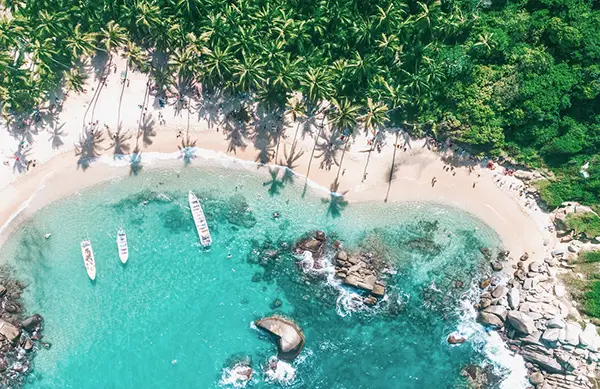
Some places leave an imprint on your soul — Fiji is one of them.
Counting Coral has been working in Fiji since 2022, but founder Jolyon Collier has been visiting for more than 25 years — long before many of the resorts existed. When the organization began, there was no question where the journey would start. Fiji is where the idea was born, and where the mission continues to grow.
Working in coral restoration is both inspiring and confronting. Coral reefs are declining rapidly around the world. While saving every reef isn’t realistic, meaningful local action is not only possible — it is essential. Across the globe, organizations such as Counting Coral, local communities, researchers and initiatives such as the PADI AWARE Foundation® are working together to protect and restore vulnerable reef ecosystems.
By supporting reefs at a community level, we can protect the ecosystems and livelihoods that depend on them.
Fiji represents both the challenge and the opportunity. Some reefs show clear signs of decline, while others remain vibrant and full of life. These healthy reefs play a critical role in restoration, acting as sources of resilient coral that can help regenerate damaged areas.
Where Art Meets Reef Science
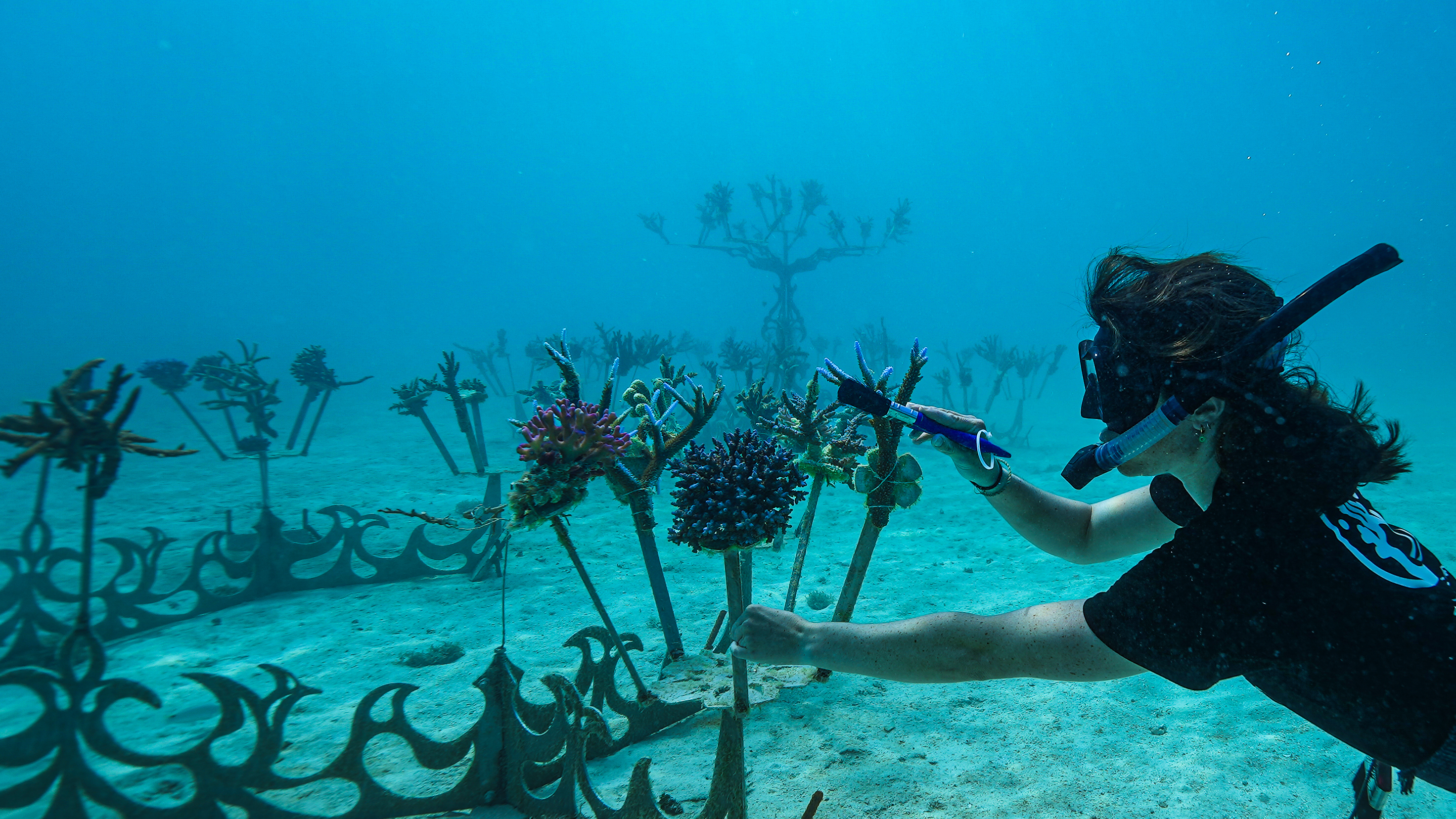
Counting Coral designs and implements a genetic coral bank system built around a three-stage propagation model. The goal is simple but powerful: maintain biodiversity while creating a sustainable supply of coral for reef restoration.
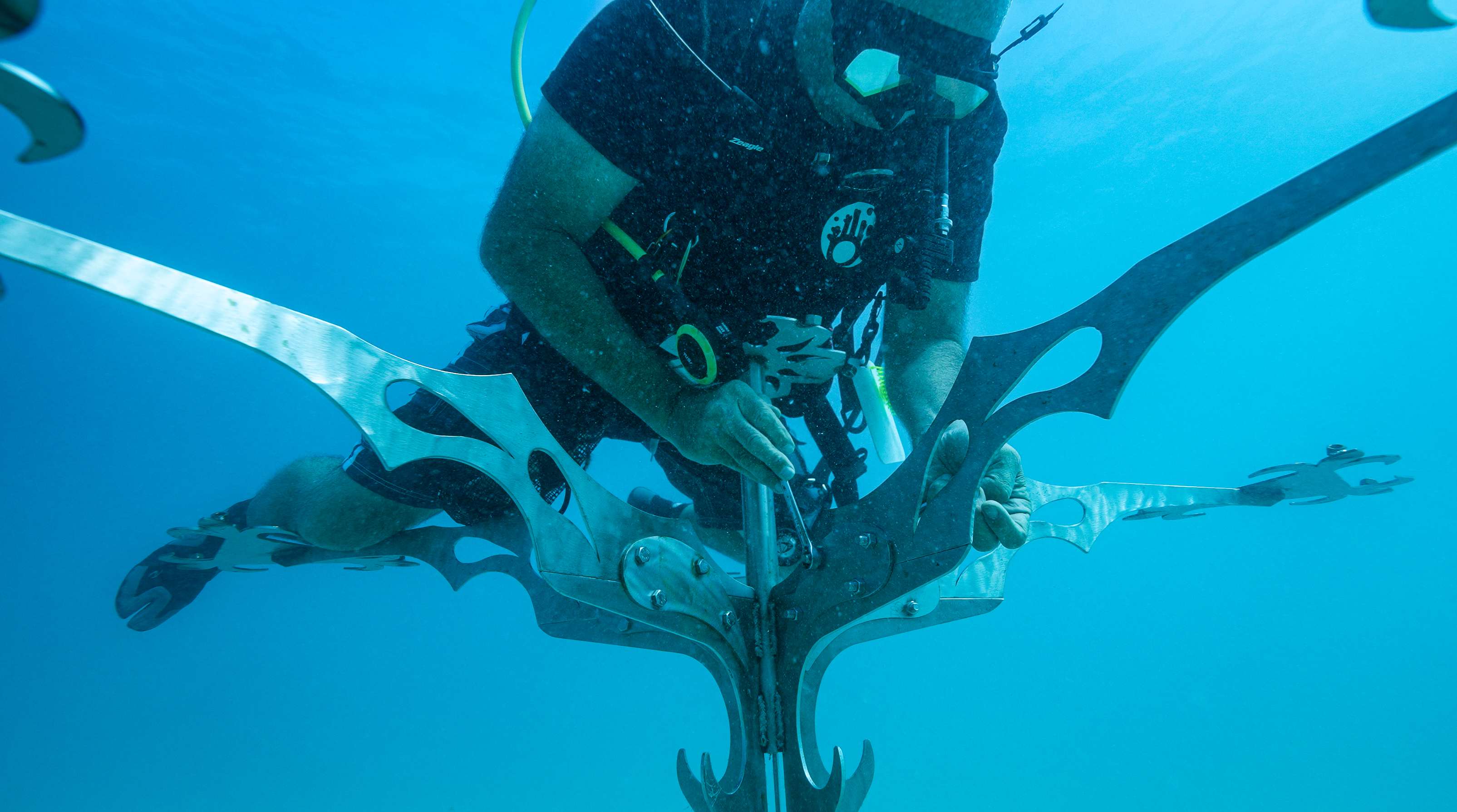
At the heart of this approach are Sculptural Coral Gene Banks — underwater structures that combine art, engineering and marine science.
Every structure is built from marine-grade stainless steel, chosen for its strength, corrosion resistance and inert properties in seawater. These structures are designed to last for decades, even centuries, without introducing harmful substances into the marine environment.
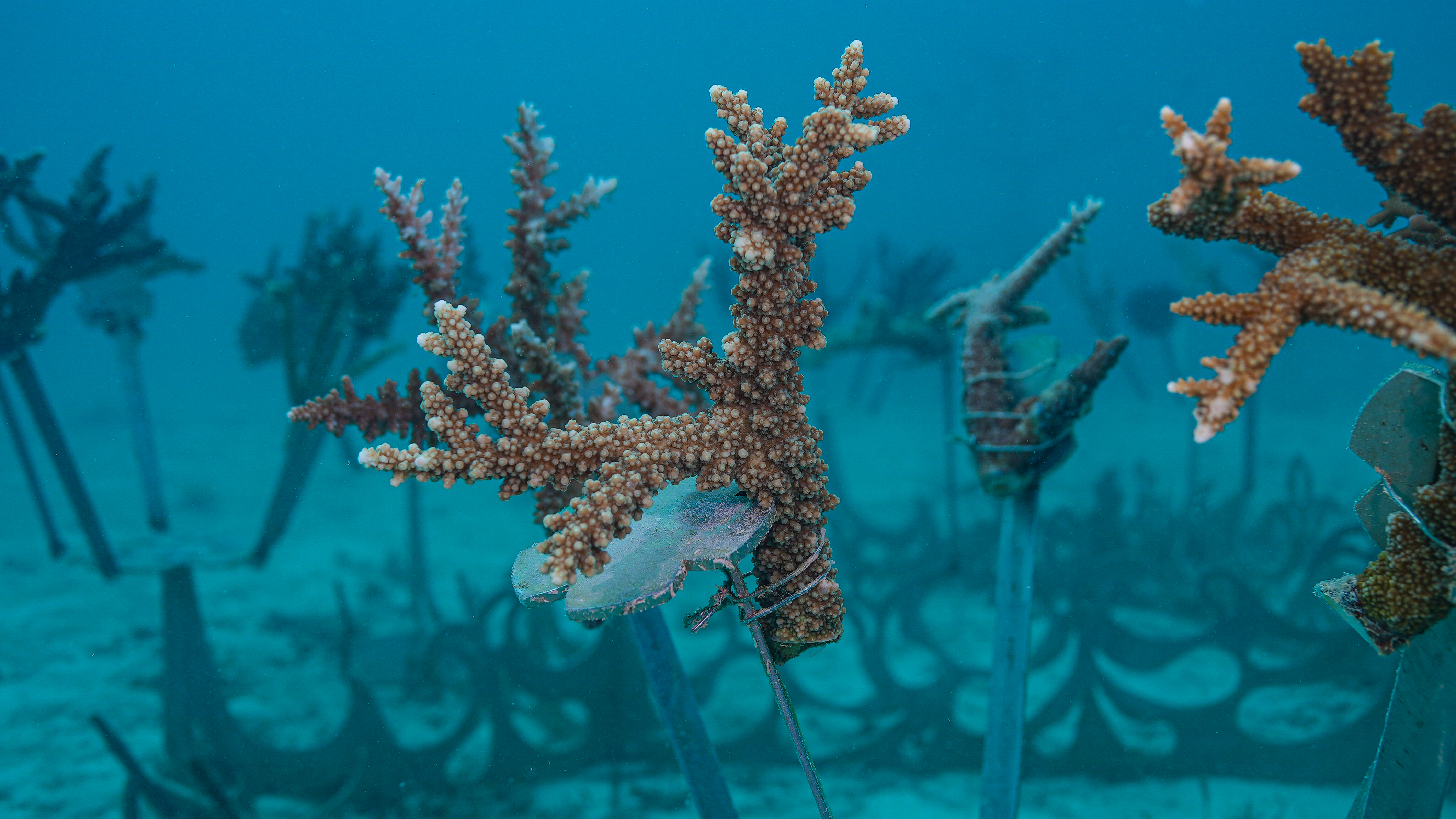
One of the most striking designs, known as the “Tree of Life,” forms the centerpiece of these systems. Surrounding structures support hundreds of parent corals that are carefully monitored and periodically fragmented.
These fragments are used to populate secondary nurseries and, ultimately, to restore degraded reefs — while the original parent corals remain protected as a long-term genetic reservoir.
What may appear artistic on the surface is, in reality, a carefully engineered restoration system designed for scalability and long-term impact.
Today, hundreds of parent corals are growing within these Gene Banks across Fiji, all supported by PADI Resorts and connected to the wider global movement for ocean protection championed through programs like the PADI AWARE Foundation Adopt the Blue™ Program. Over time, they will support the outplanting of thousands of corals onto surrounding reefs, helping ecosystems recover in a sustainable and scientifically informed way.
Why It Matters
Coral reefs cover less than 1% of the ocean floor, yet they support 25% of all marine life.
Despite their importance, reefs are disappearing at an alarming rate. Around half of the world’s coral reefs have already been lost, and more than 90% could decline by 2050 if current trends continue.
But reef conservation is not just about marine life — it is about people. Coastal communities rely on reefs for food security, tourism and protection from storms.
Restoring reefs helps protect biodiversity, strengthen local economies and build resilience against climate change — which is why global conservation efforts, including those supported by the PADI AWARE Foundation, are becoming increasingly important.
How Divers Can Make a Difference
The future of coral reefs isn’t just in the hands of scientists and conservationists — it’s in the hands of every diver who enters the water.
Here are practical ways divers can actively support reef restoration.
1. Dive With Purpose
Choose dive operators and destinations that actively support marine conservation and reef restoration projects. PADI Dive Centers and Resorts that hold the PADI Eco Center rating are a great option!
2. Get Involved in Restoration Programs
Many organizations, including Counting Coral, offer opportunities for divers to participate in coral restoration — from nursery maintenance to outplanting efforts.
3. Master Your Buoyancy
Good buoyancy control is one of the simplest and most impactful ways to protect reefs. Avoid accidental contact with coral, which can cause lasting damage. The PADI Peak Performance Buoyancy Specialty course can assist you with this!
4. Use Reef-Safe Products
Opt for reef-safe sunscreen, and avoid products containing harmful chemicals, like oxybenzone and octinoxate.
5. Be a Responsible Ocean Ambassador
Do not touch, stand on or collect marine life. Lead by example and encourage others to follow best practices. Become an Ocean Torchbearer!
6. Support Through Donations or Advocacy
Nonprofits rely heavily on funding and awareness. Supporting organizations financially or sharing their work helps scale their impact.
7. Continue Your Dive Education
Courses such as the PADI AWARE Coral Reef Conservation Specialty and conservation-focused dive training can deepen your understanding of marine ecosystems and help you become a stronger advocate for ocean protection.
A Shared Responsibility
Coral restoration is not a quick fix — it is a long-term commitment that requires collaboration, innovation and care.
Organizations like Counting Coral are proving that solutions exist. By combining science, creativity and community engagement, they are helping reefs recover and building a model for restoration that can be applied globally.
For divers, the opportunity is clear: every dive is a chance to protect, support and give back to the ocean. Through programs like PADI AWARE, divers can move beyond exploration and become active participants in ocean conservation efforts around the world.
Together, small actions can create lasting change — helping ensure that reefs in Fiji and around the world continue to thrive for generations to come.
Author Biographies
Brooke True is the Executive Director of Counting Coral, a coral reef restoration initiative she has led with friends and family since 2022. UK-born and a traveler ever since, her path runs through creative direction, graphic design and years of building and running teams, a background that now shapes how Counting Coral operates on the ground and tells its story to the world. An ocean enthusiast, coral lover and lifelong environmentalist, she’s drawn to the long-term work of restoration, and to a broader life of advocacy for animals, the planet and the people working to protect both.
Robyn Vincent is a PADI IDC Staff Instructor with over 12 years of experience in the dive industry. For the past three years, Robyn has served as the PADI Regional Manager for the South Pacific, supporting dive operations across the region. She is deeply passionate about empowering dive communities in developing countries and works closely with PADI Centers and Resorts to promote sustainable growth and share their inspiring success stories.