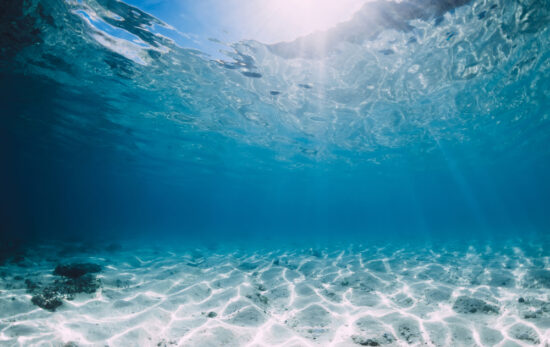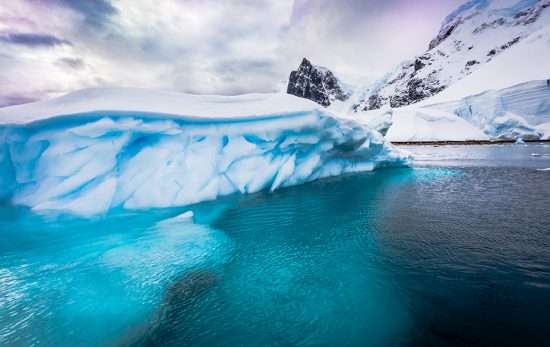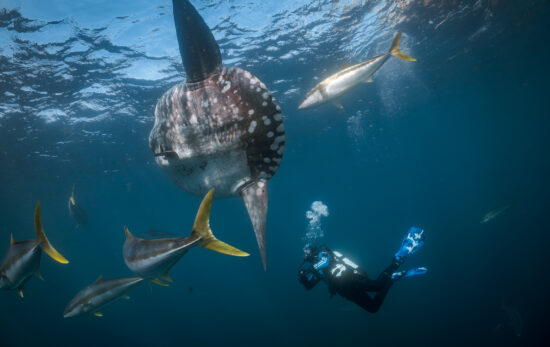
Are you an early riser or a night owl? A cat person or a dog person? Do you drink coffee or tea? All the big questions in life split us into two groups. Of course, the great divide for divers is cold vs. warm water diving.
But how are they different, apart from the obvious temperature contrast? Let’s take a look!
What Is Cold Water Diving?
Cold water diving typically refers to scuba diving in water below 18°C (64°F), although every diver may have a different threshold for what they consider “cold” water. We tend to think of cold water diving in places with chilly climates, like the Northern Hemisphere and polar regions. However, there are also cold water dive sites in warmer environments. Shores with deep ocean currents, quarries or mountain lakes can be very cold, even in the tropics.
Your body starts to lose heat rapidly in waters as “warm” as 27°C (80°F), which is why diving in tropical destinations still requires exposure protection. But when diving in cold water, you’ll need added measures to keep your body warm.
Here are four main differences between cold and warm water diving.
1. Dive Planning
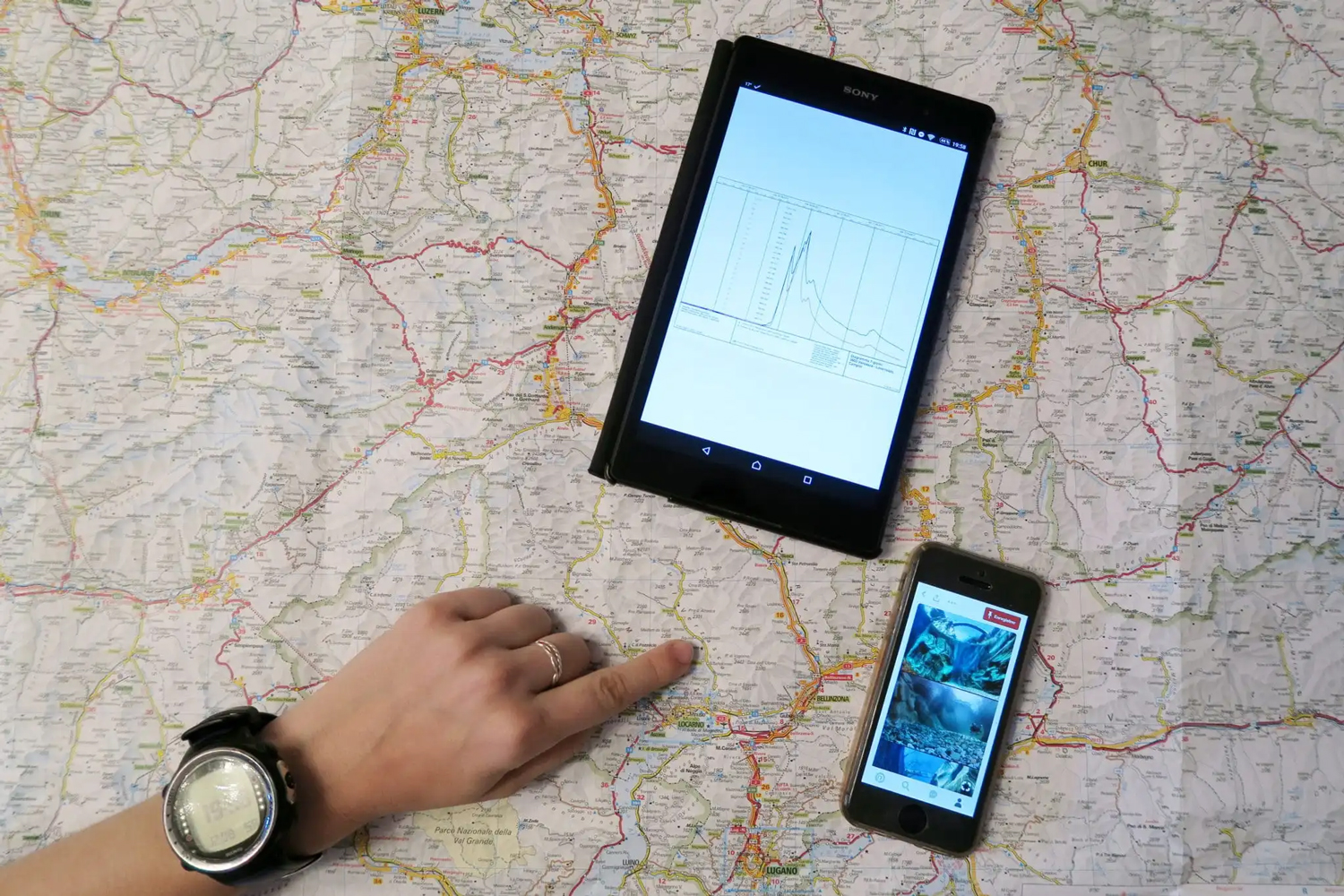
In warm water, dive planning is often easier, because you do not need to plan for extra gear. Conversely, cold water acts as a stress factor when diving and therefore requires extensive planning and preparation.
- Adjust your dive time and maximum depth. Your body burns more energy trying to maintain its temperature, causing you to tire quickly and use up your air supply faster, so you’ll need to adjust your dive plan accordingly.
- Be prepared for the unexpected. A flooded mask, for example, can be uncomfortable in warm water, but it’s an additional stress factor in colder waters and can become a safety issue much quicker. This means that it’s doubly important to train and practice problem-solving and emergency procedures in cold water environments.
- Stay warm between and after dives. What you do on the surface will also change depending on the water temperature. In colder water, you may need to plan for longer surface intervals to allow your body to warm up between dives. After diving in warm water, you can just carry on with your day, but after a cold water dive, you’ll want to warm up with a hot drink and some dry clothes. Remember that no matter how tempting it may be, you never want to jump into a hot tub or a very hot shower straight after diving, as it can put you at increased risk of DCS.
2. Dive Gear
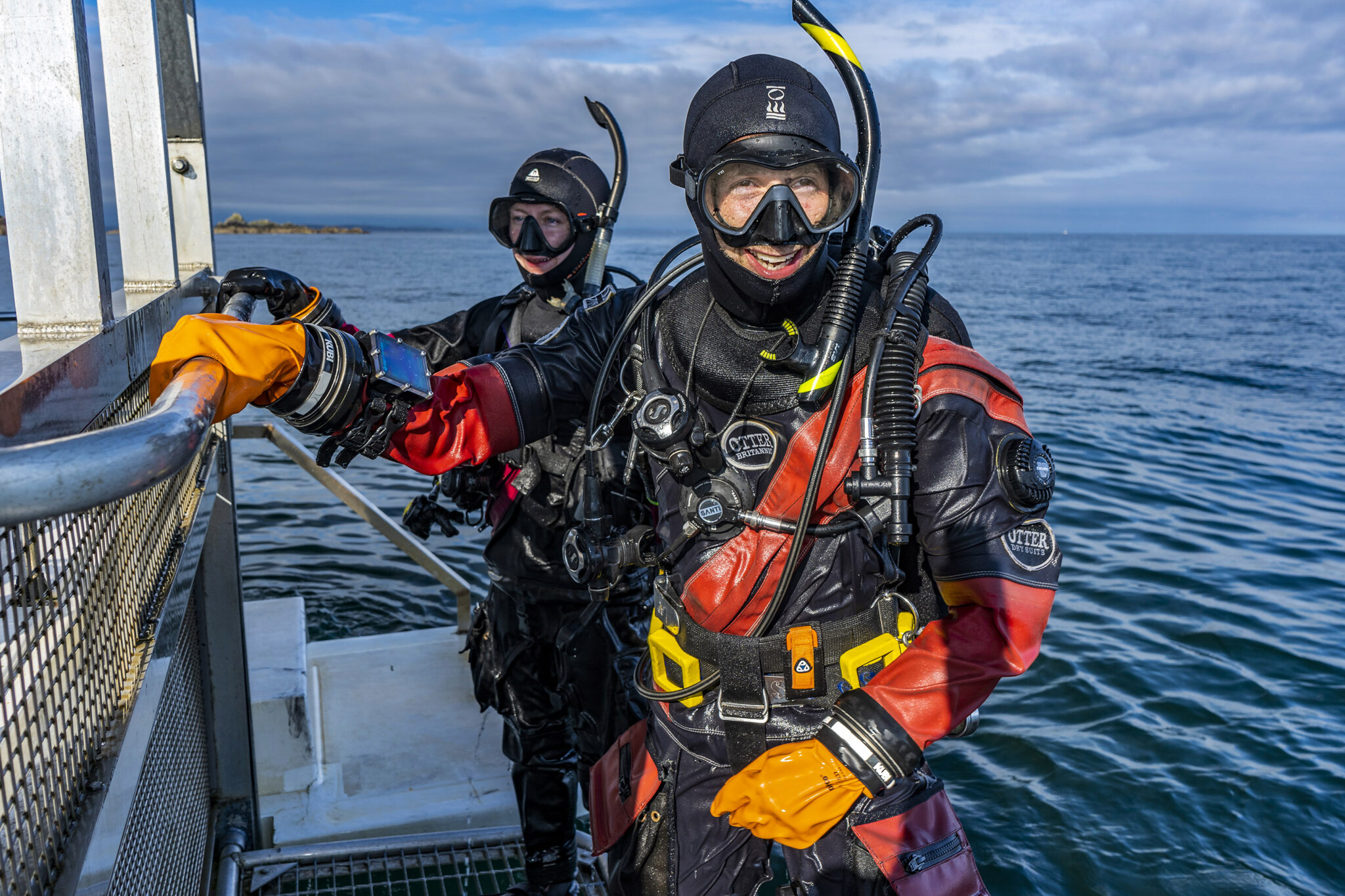
A key part of planning a dive is making sure you have the right gear. Whether you’re diving in cold or warm water, the dive gear is mostly the same, with one exception: exposure protection. Also, cold water diving does require significantly more weight to offset the exposure suit’s positive buoyancy.
The wetsuit is your first line of defense against the cold. In warmer waters, you’ll likely be wearing a thinner wetsuit or even just a rash guard to protect from the sun and any stingers. But in colder waters, you’ll need a thicker wetsuit or even a dry suit with thermal undergarments to keep your body insulated.
You’ll also want to consider other gear, such as gloves, hoods and thicker booties. Preventing heat loss through your extremities can be essential in colder environments. In addition to exposure protection, in very cold waters, the first stage of your regulator may freeze up, causing a free-flow. You may need one designed for cold water, especially if you’re considering getting certified as an Ice Diver.
As long as you have the right gear, you can dive at any temperature.
3. Visibility – Cold vs. Warm Water
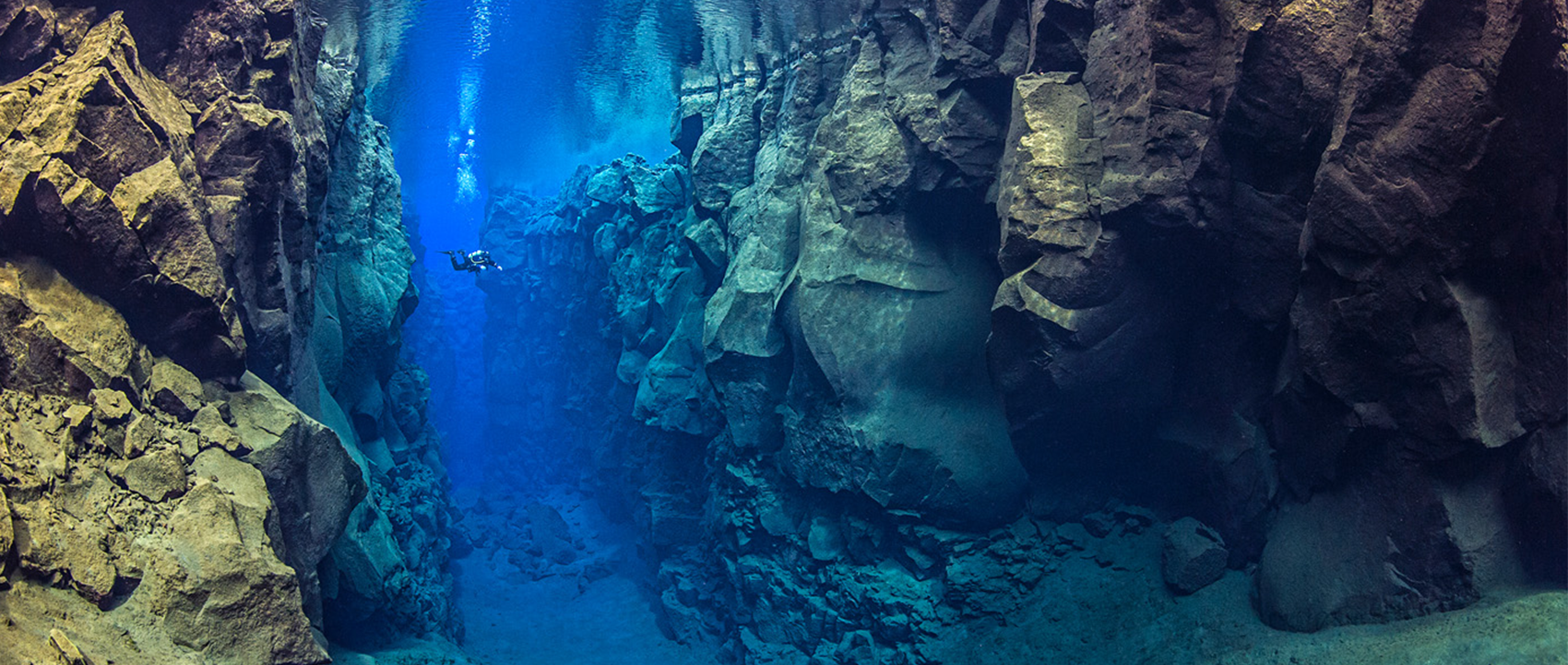
One of the biggest differences between cold and warm water dive sites is the visibility, but it’s not always what you might expect. Visibility depends on many factors, including nutrients, currents, runoff from rivers and light. A cold water quarry on a clear day might have excellent visibility, whereas a tropical dive site in the rainy season could be murky and muddy.
Warm water dive sites can be nutrient-poor, which makes for clearer water, but larger fish and other marine creatures might be scarce. When you do have nutrient-rich warm water, it often results in the overgrowth of algae, which can decrease visibility.
On the other hand, when cold water comes from deep ocean currents, it carries plenty of plankton, which can spoil visibility but means you might be lucky enough to see some larger marine life.
There’s no clear winner in the visibility debate between cold and warm water diving. Make sure you research the specific dive site and season before planning your dive.
4. Marine Life & Ecosystems
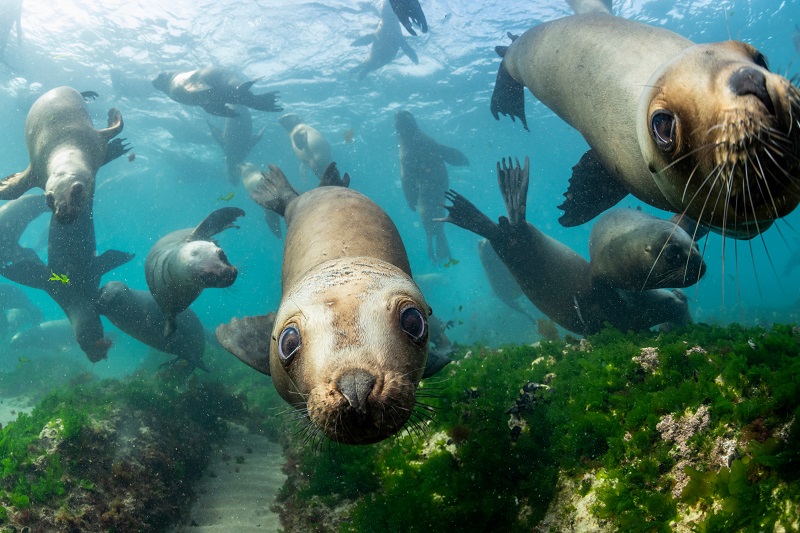
Just like with visibility, there’s no one rule regarding marine life in cold versus warm water diving. Many cold water destinations are on a diver’s bucket list, because they offer spectacular marine life encounters.
If you want to dive with sea lions, penguins or large sharks, you’ll probably head to places like the Galápagos, South Africa or the Pacific Northwest. Colder waters have abundant plankton that feeds large schools of fish, which, in turn, attract larger ocean predators.
But many large pelagic species, such as whales, manta rays and whale sharks, can also be found in tropical waters.
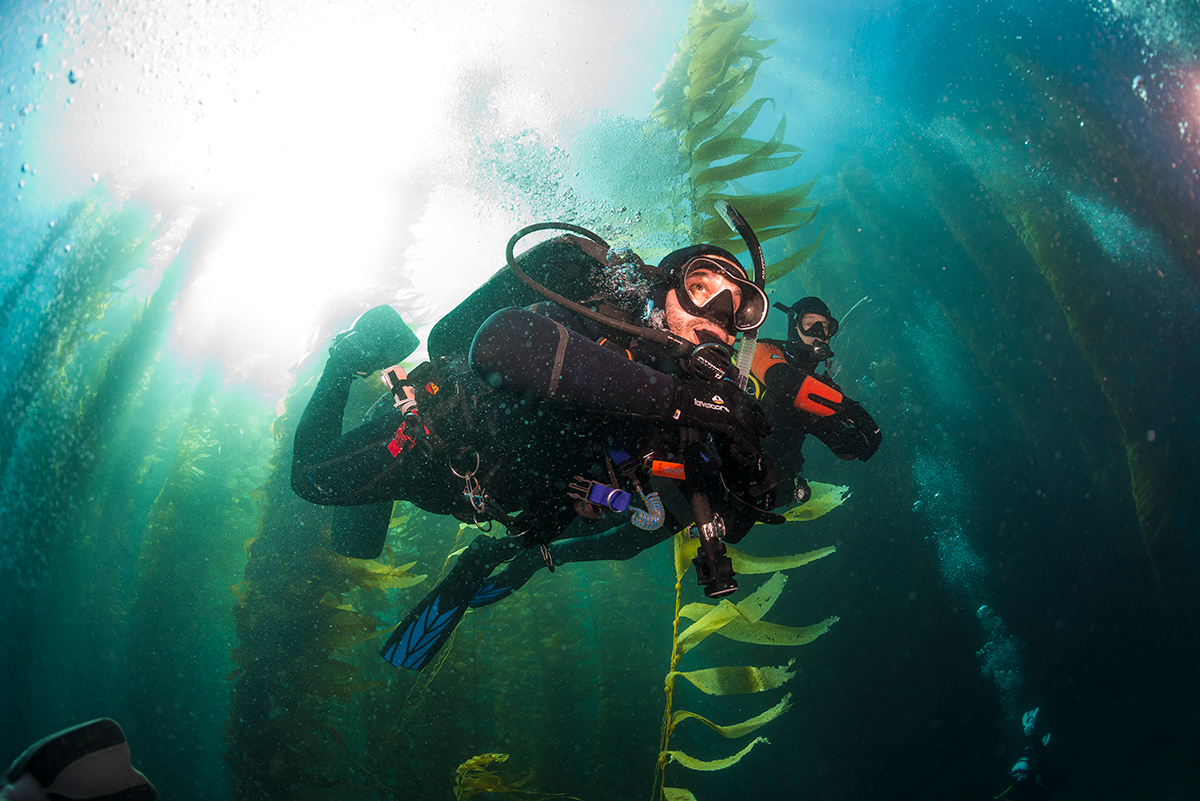
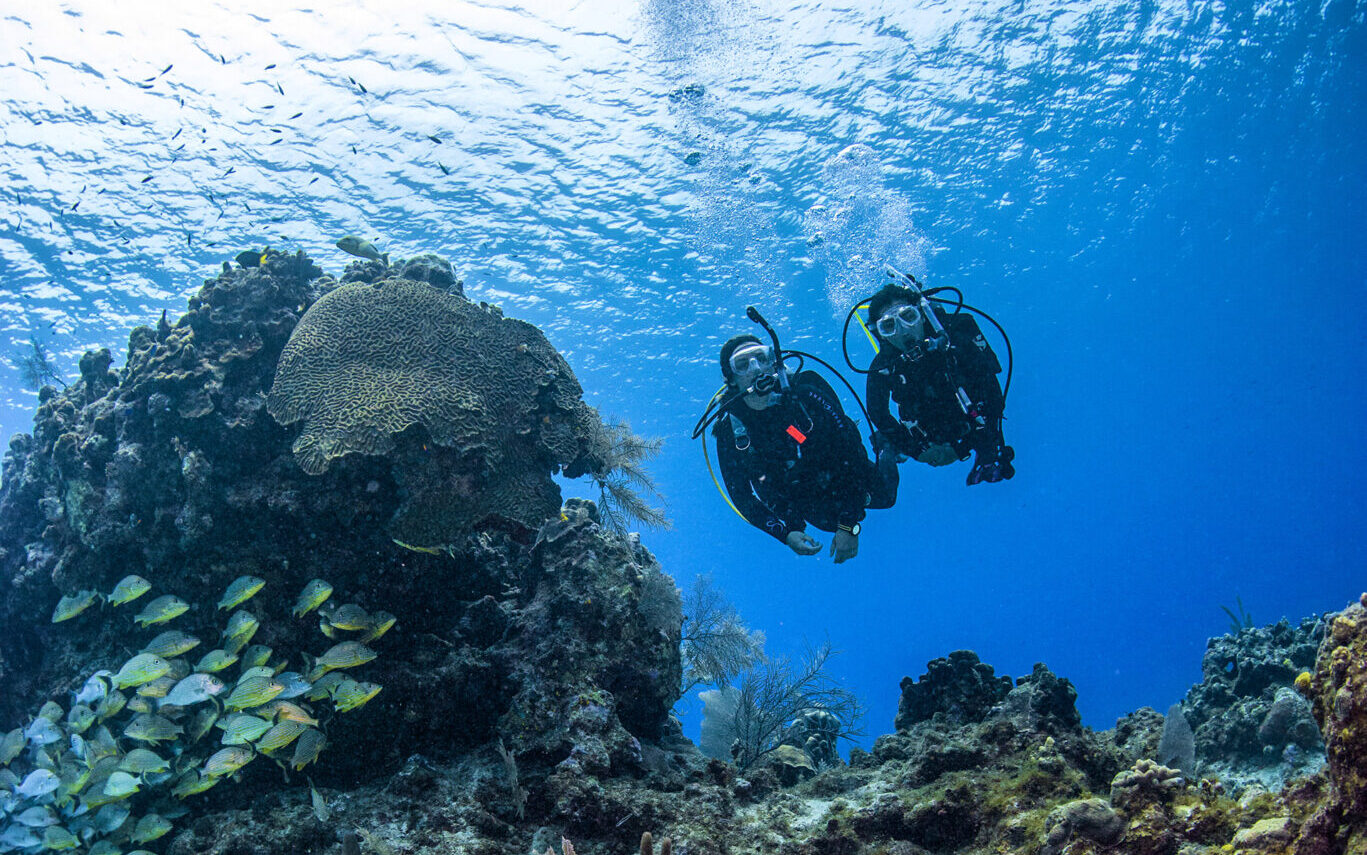
You will, however, find very different ecosystems depending on the water temperature. If you want to dive into kelp forests, it will for sure be chilly. You’ll also need to bundle up to experience diving between two tectonic plates in Iceland. But if you want to explore a colorful coral reef to see clownfish dancing between anemones or parrotfish grazing on algae, you’ll find yourself in warmer waters.
Cold vs. Warm Water Diving – Which One’s Best?
It’s a trick question! There’s no winner when it comes to cold vs. warm water diving, because both offer unique and wonderful scuba experiences. If you want to be able to explore as much of the underwater world as possible, you’ll want to become an “all-season” diver who can jump in anywhere without being limited by water temperature.
Just like you have your favorite marine critters, you’ll also have an ideal temperature. But don’t let the thermometer dictate whether or not you dive.
Simply bundle up, get your drysuit on, if needed, and dive in whenever, wherever!