The history of scuba diving wouldn’t be complete without knowing the role of the diving bell, especially when you realize that the invention and evolution of the diving bell is an incredible journey – one worth celebrating.
Let’s take a look at where, why and how the diving bell was invented, as well as if it still has a place in today’s world.
Ready to dive in?
4th Century BC: Mystical Ocean Tales
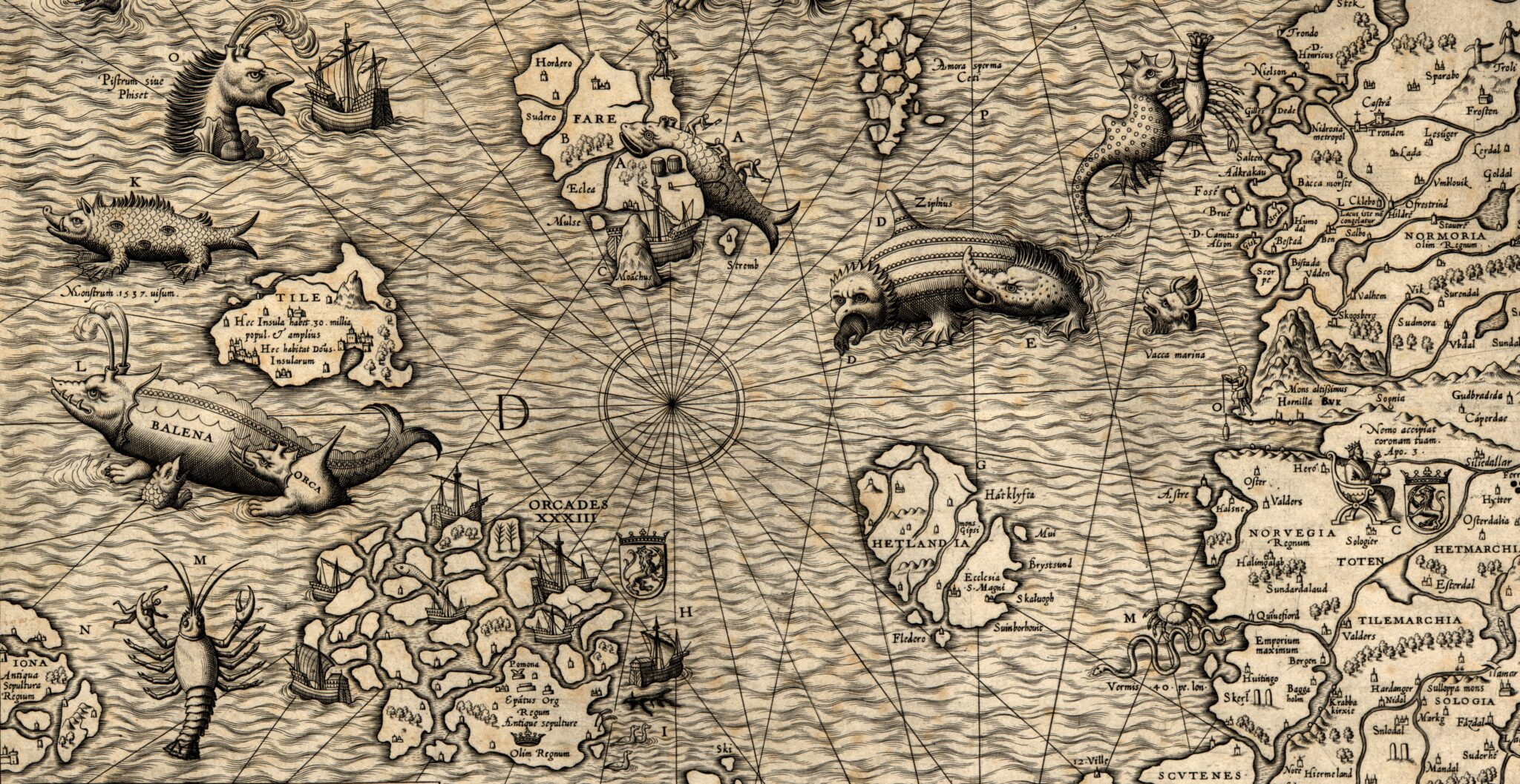
For centuries, what lay beneath the waves was left to the imagination, fueling scary and fantastical tales of ugly deep-sea monsters.
But what you can’t see is often scarier than what you can, and human curiosity is a powerful force. It leads to exploration and innovation. Thanks to a few bold people who put their fears aside, mankind can stay underwater for longer and go deeper.
The first description of a diving bell dates as far back as Aristotle’s time in ancient Greece, the 4th century BC. His work laid the conceptual and technological groundwork for future diving bells.
Allegedly, one of these diving bells, made of glass, was used by Alexander the Great during the siege of Tyre in 332 BC. His glass diving would be history’s first diving bell. Legend has it, he also used the diving bell to explore the ocean and its mystical wonders.
16th Century: First Documented Diving Bell
Although deep-sea exploration has always been on man’s mind, it would take another thousand years before diving bells were effectively used. Engineers Gugliermo de Lorena and Francesco de Marchi built and tested the first working diving bell in 1535. This was made of wood, had a viewing glass and could hold enough air to allow them to stay underwater for a few hours.
The duo developed this diving bell, because they wanted to explore the remains of a shipwreck near Rome, Italy.
17th Century: The Age of Sunken Riches
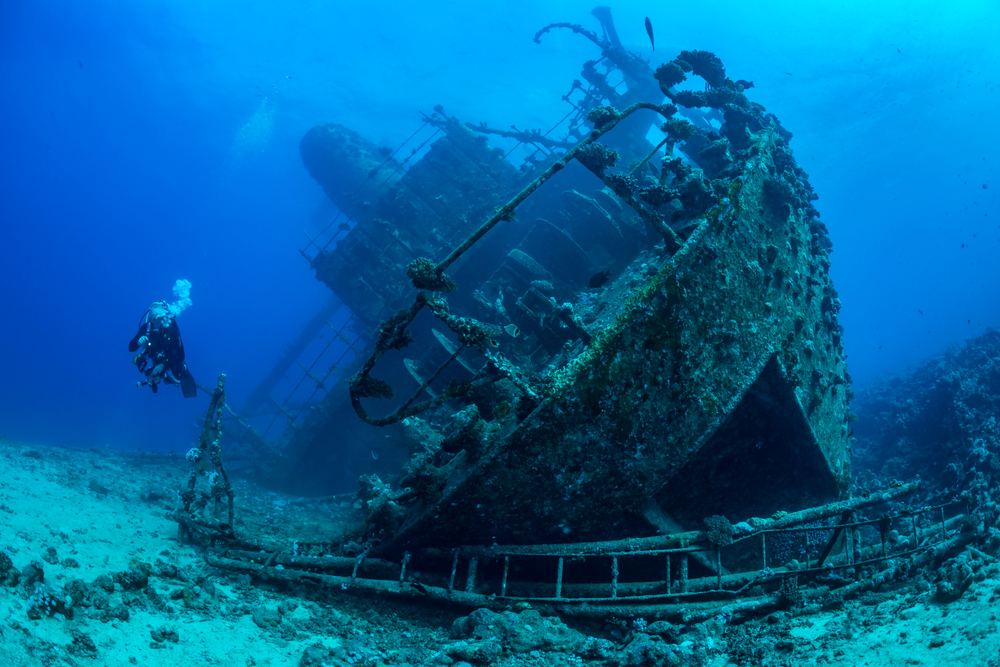
This was a time of long sea voyages, when more and more ships set sail across the Seven Seas to explore, trade and conquer. Consequently, there were also more ships lost to battles and storms. When they sank, they took down treasures of unimaginable value with them. These treasures were up for grabs to anyone who could reach them. And so began salvage operations worldwide. With this, the need for more advanced diving bells soon became apparent.
In 1691, Edmund Halley improved de Lorena’s design. He was able to replenish the air inside the diving bell by sending barrels of compressed air down from the surface, allowing for longer dive times. In 1775, Charles Spalding further improved the diving chamber by adding weights to stabilize it, thus making it safer.
19th Century: The Dangers of Diving Bells
During the Industrial Revolution, diving bells were used in the construction of bridges, such as the Brooklyn Bridge in the USA and the Royal Albert Bridge in teh UK. Divers were lowered to the seabed in diving bells to work on the foundations.
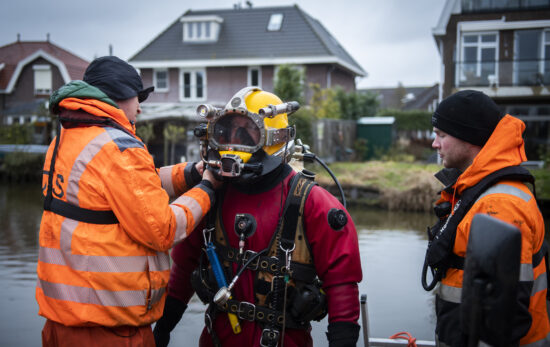
Parallel to this were other important technological innovations. Most notably, Augustus Siebe invented the diving suit and helmet in 1837, which allowed divers to feel less cold and fatigue while performing underwater tasks.
However, because of the effects of underwater pressure on the body was still largely unknown at the time, many underwater workers lost their lives or suffered long-term complications due to decompression sickness (DCS).
It wouldn’t be until 1908 that John Scott Haldane developed the first diving tables, allowing divers to limit their nitrogen absorption and therefore reduce the risks of DCS, creating a safer work environment.
21st Century: Stronger and Deeper
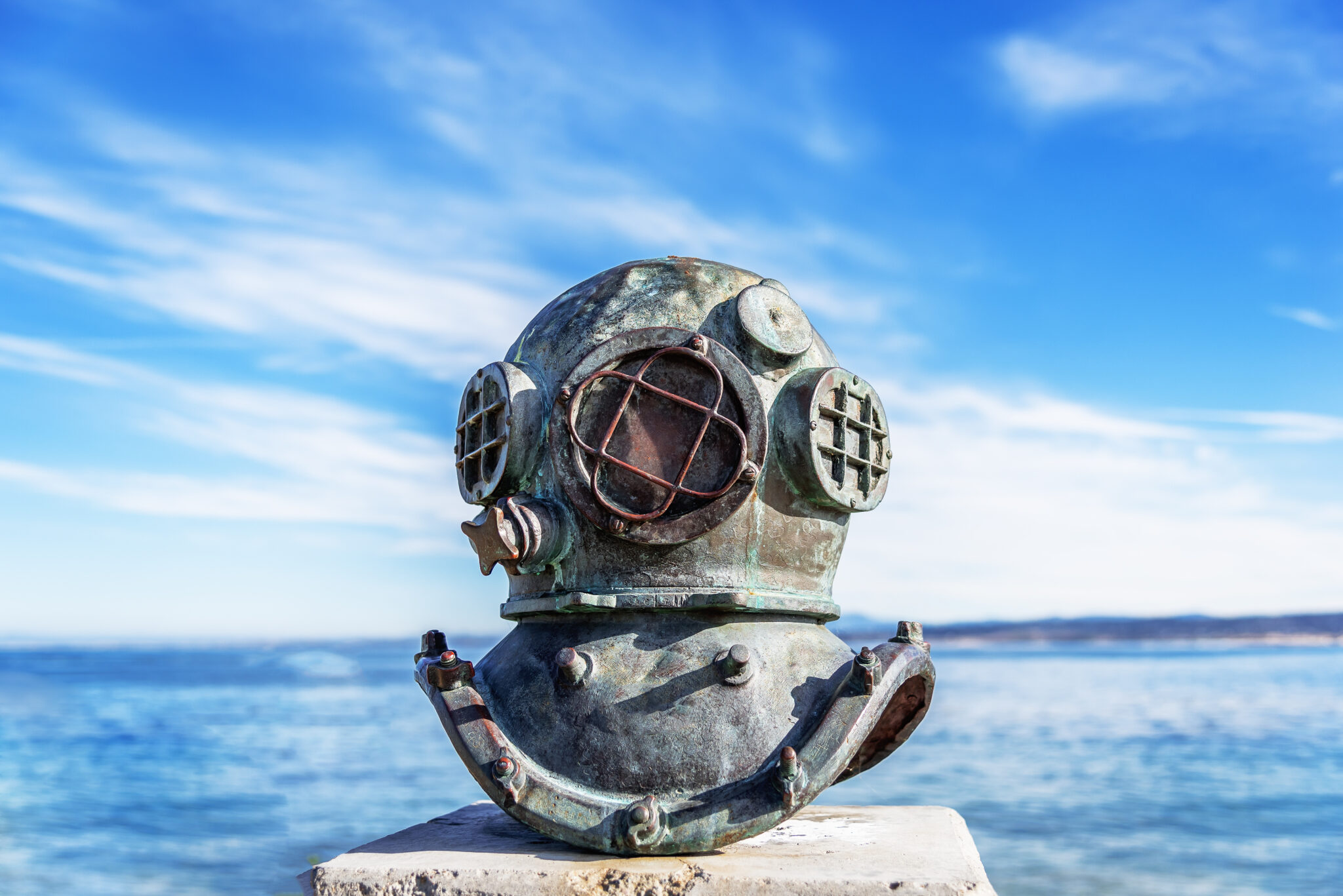
Diving bells, now made of steel to better withstand greater pressures, are used in military applications (such as submarine rescues) and commercial projects (such as marine salvage and construction work).
Today: Saturation Diving
In recent years, saturation diving was one of the most significant advancements in the diving world. Originating in the 1950s under the work of Captain George Bond, a US Navy officer and doctor, it demonstrated that humans could safely live and work underwater by remaining at a constant, elevated pressure.
The principle behind saturation diving remains the same today. Commercial divers live inside a pressurized chamber on a dive vessel, where the internal pressure matches that of their deep-water work site. A diving bell, kept at the same pressure as both the chamber and the job environment, shuttles the divers between their living quarters and the underwater work location.
This method allows divers to operate at depths of up to 300 meters (1,000 feet) for extended periods, sometimes for weeks, while minimizing the risks associated with repeated decompression.
No Diving Bell? Become a Recreational Diver
While the dive bell helps keep military personnel and commercial divers safe, as an individual, it’s now easier than ever to explore the ocean.
Once you learn the diving foundamentals with the PADI Open Water Diver course, you can then enroll in PADI Specialty Diver courses. There’s a course for your every interest, such as Night Diver, Wreck Diver or Digital Underwater Photographer. And if you want to stay underwater longer, like the diving pioneers, there’s the Enriched Air (Nitrox) Diver course.
Start your diving journey today with PADI.