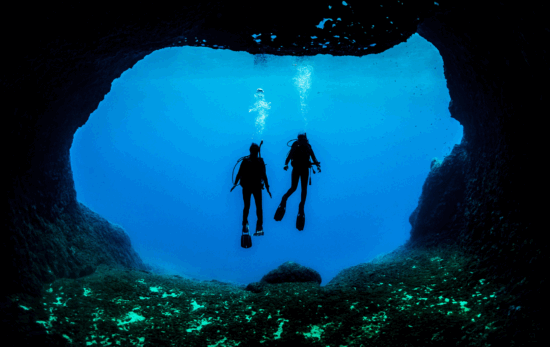
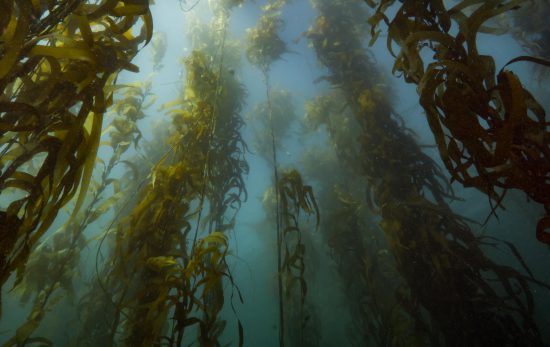
Carrie Tsai is a PADI Course Director and co-founder of CTDIVER in Kenting, Taiwan, where she has become one of the country’s most recognized advocates for coral conservation. Drawn to the region’s rich biodiversity – Kenting is home to over 800 coral species and a kaleidoscope of seasonal nudibranchs – she has led Reef Check surveys, championed sustainable diving through Green Fins and developed Distinctive Specialty courses to protect coral spawning sites. Her leadership has not only influenced government coral monitoring programs but also inspired a community of divers and instructors who share her passion for protecting the ocean. PADI is proud to present Carrie with the PADI Ocean Torchbearer Award for her commitment to environmental best practice and her role as a messenger for marine protection in Taiwan and beyond.

What is unique about your local marine ecosystem, and what inspires you to care for it?
Kenting, Taiwan, is a coral reef area with a high diversity of coral coverage, including both hard and soft corals. Because it lies within the subtropical monsoon region, the ocean changes with the seasons, offering different appearances throughout the year. As I learned more about corals, I became even more intrigued. Despite the presence of a nuclear power plant in the Kenting area, which has discharged warm water for years, the coral coverage hasn’t decreased. In fact, the coral diversity here is remarkably high. Every year, coral spawning can be observed at specific times. Although Taiwan is a small island, it is home to over 800 coral species, which inspired me to understand them even more.
How has becoming a PADI Eco Center and working with Green Fins supported your conservation efforts?
During years of travel, I often chose dive shops certified by Green Fins, adopting an eco-friendly approach to tourism. In 2018, we contacted Green Fins about joining, but without a Taiwan office at the time, they couldn’t conduct assessments. Instead, they shared self-assessment tools and guidance on operating an eco-friendly dive shop, covering areas like wastewater management, environmentally safe cleaning products and ocean cleanups. In 2023, their new digital certification program allowed us to join officially, connecting us with a global network of like-minded operators. Combined with our Eco Center designation, this has strengthened our ability to share environmental practices with divers and dive shops worldwide while continuing to protect our local waters through initiatives like waste reduction and recycling.
What inspired you to develop your own Distinctive Specialty course?
Every region has its own unique marine characteristics, and every professional has their own strengths or expertise. For example, in Kenting we can observe coral spawning at specific times of the year – a rare event that inspired me to create a Distinctive Specialty course focused on coral awareness. The aim was to help divers not only appreciate the vitality of ocean life but also learn coral-friendly observation techniques, such as choosing appropriate lighting and minimizing disturbance.
It doesn’t require complex academic research. By using simple and engaging content to introduce local marine features, divers can gain valuable knowledge. Sharing your expertise through Distinctive Specialty courses not only extends our passion for the ocean but also adds uniqueness to dive center operations, making it easier for divers to connect with us.
How have your dive center’s conservation efforts helped your local community or the marine environment?
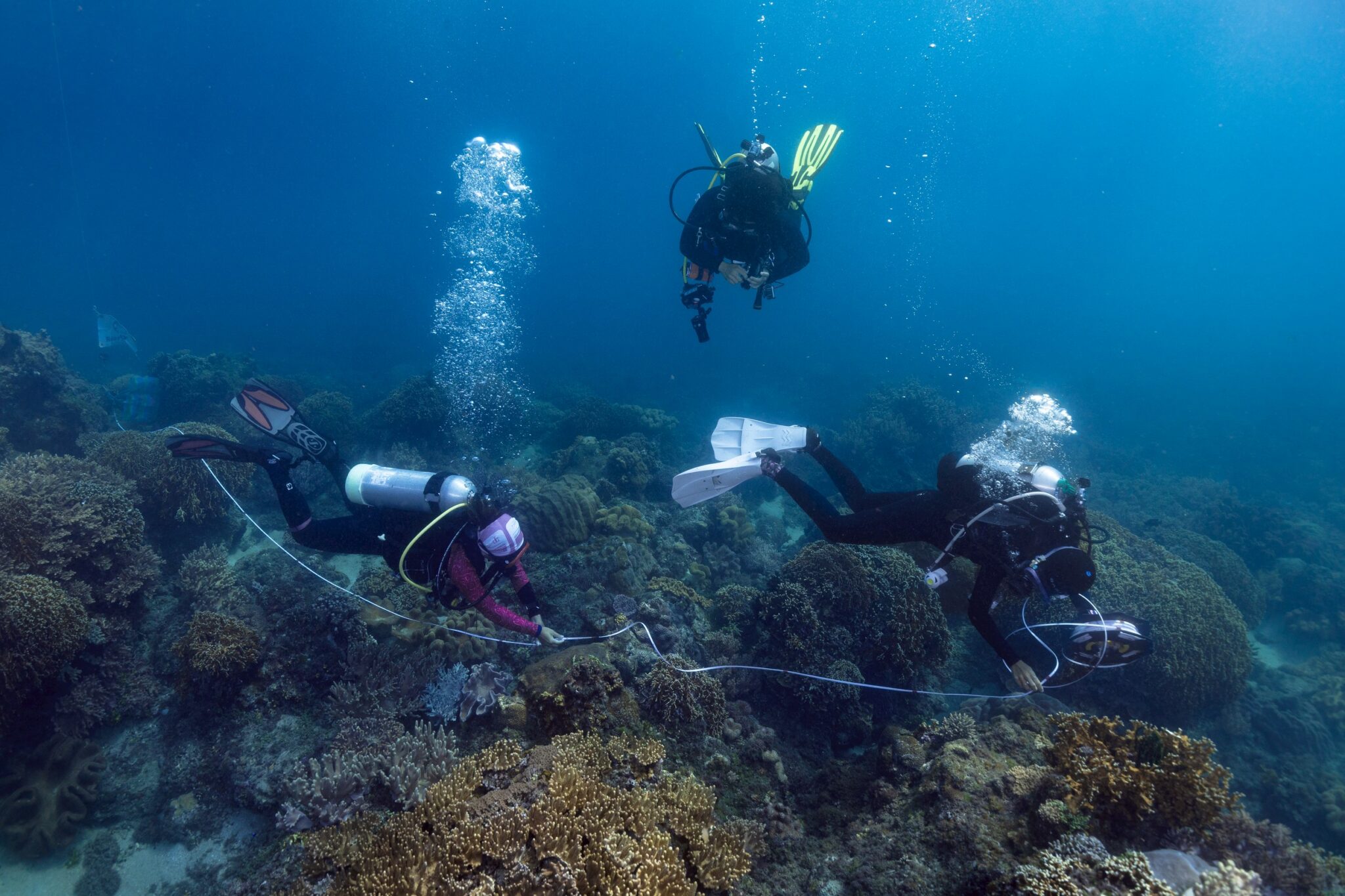
In 2020, we began conducting Reef Check surveys. By carrying out these surveys twice a year along with regular ocean cleanups, we’ve gained a deeper understanding of changes in the local marine ecosystem. The government reached out to us to conduct regular coral monitoring for governmental projects, and we now also provide data to assist academic research.
How do you ensure that the lessons taught in your programs lead to lasting habits and awareness?
In our course, we place a strong emphasis on teamwork. Our land drills focus on task distribution, coordination among team members and enhancing underwater communication. This helps students focus beyond themselves and encourages responsibility toward their dive buddies and the environment. For example, since corals are extremely sensitive to light during spawning, I instruct students to use low-lumen or red-light flashlights and to rely on a single light source when filming to minimize stress on the corals.


How do you see conservation evolving in your region, and what role do you hope to play in the future of marine protection?
When we began this work, we naturally attracted divers who share our values. I see myself as a messenger – someone who passes on these important values. As a Course Director, I can share environmental awareness with the instructors I train, who can then pass it on to their students. There was a time when all I wanted was to be a good instructor, sharing everything I love about the ocean. But becoming a Course Director has allowed me to reach and influence even more people.
If you could ask the global PADI Torchbearer community to take one action for ocean conservation, what would it be?
We all know that actions like ocean cleanups, reducing waste, practicing eco-friendly travel, lowering carbon emissions, coral planting and following sustainable seafood guidelines are part of our daily efforts. But I hope for a broader impact, such as expanding marine protected areas, supporting local fishers in sustainable practices, strengthening public awareness around responsible seafood choices and establishing more unified global regulations for marine conservation. Beyond educating people in our everyday lives, I hope the global community can move forward together under the same vision for protecting our oceans.