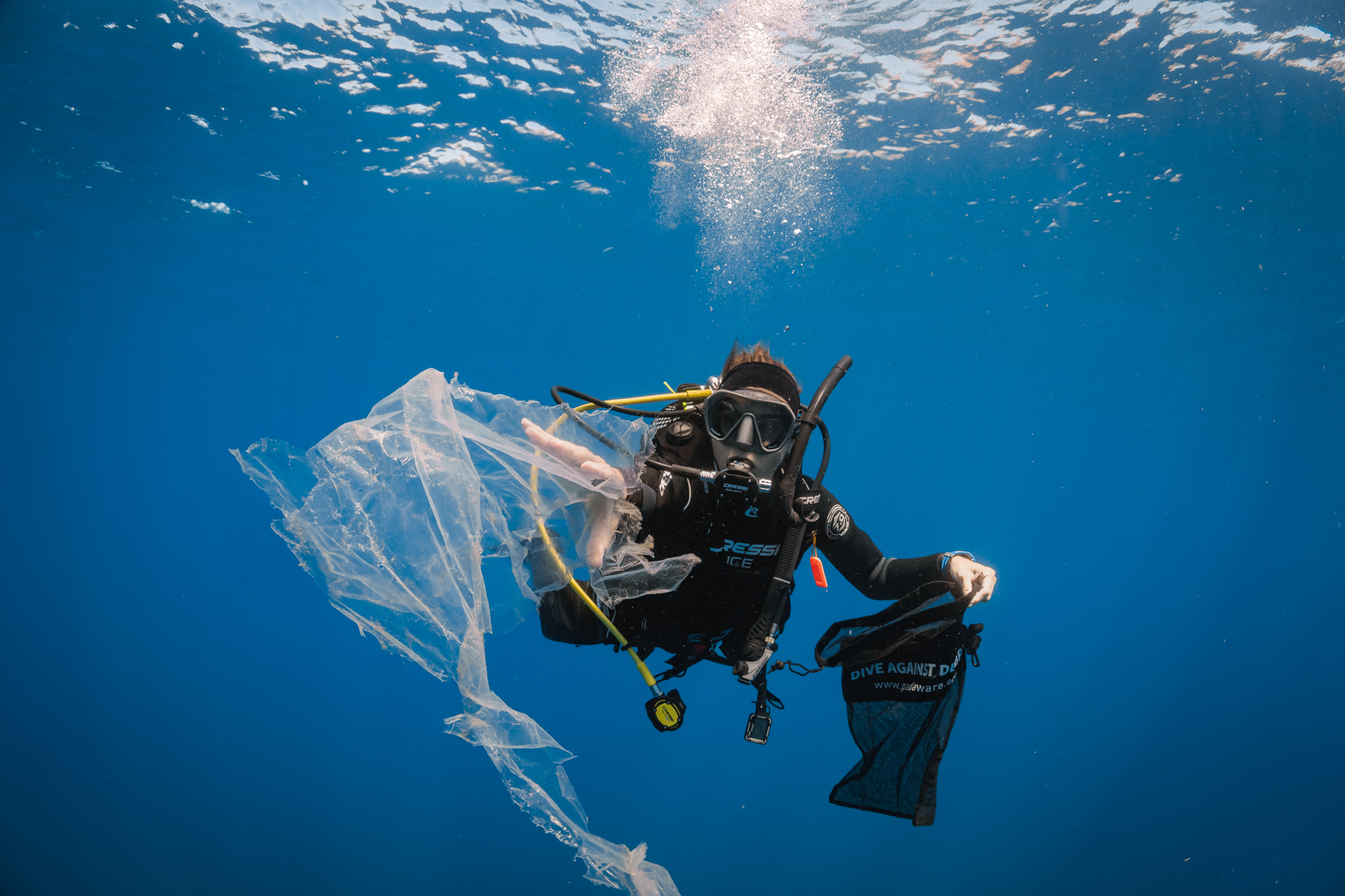
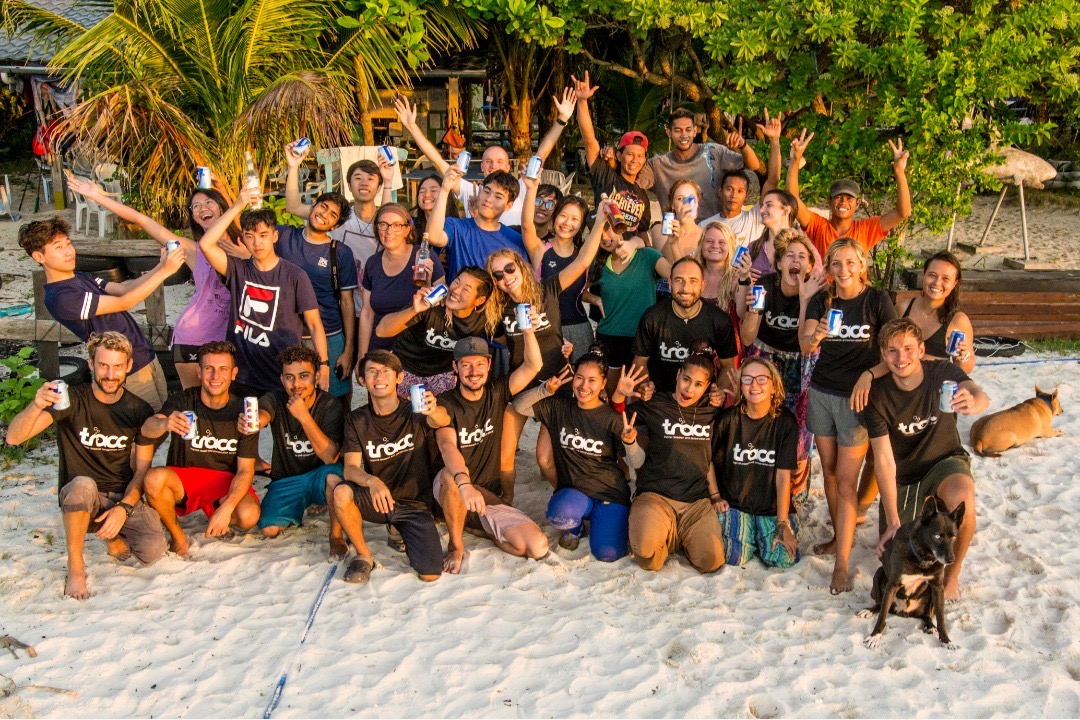
Robin Philippo is the Director at the Tropical Research and Conservation Centre (or TRACC), a marine conservation organization based in the Celebes Sea dedicated to protecting sea turtles and restoring coral reefs destroyed by the local fish bombing practices of Malaysia. Since 2017, Robin has helped develop and execute numerous projects involved with marine conservation, notably that of coral reef restoration, restoration of ecosystems through artificial reef building, turtle conservation and hatchery management. PADI and Luminox are honored to present Robin with the PADI Ocean Torchbearer Award for his conservation achievements and instilling in his students and volunteers from around the globe his passion for exploring and protecting the ocean.
TRACC is a PADI Eco Center and the recipient of the PADI AWARE Community Grant.
What impact do you hope TRACC will have on both the local environment and the global community in the future?
I hope TRACC can be a beacon of hope for others and is an example of how a small, dedicated group with limited funding can make a difference. I envision TRACC restoring the reefs on Pom Pom Island and beyond, helping marine ecosystems flourish again. Our community-driven approach with the local Bajau* is essential; we aim to provide education, job opportunities and instill a sense of ecosystem ownership, which is vital for the region’s conservation.
Was there a defining moment or experience that ignited your passion for protecting the ocean and sea turtles? And, what are your long-term aspirations for the conservation of green turtles in the region?
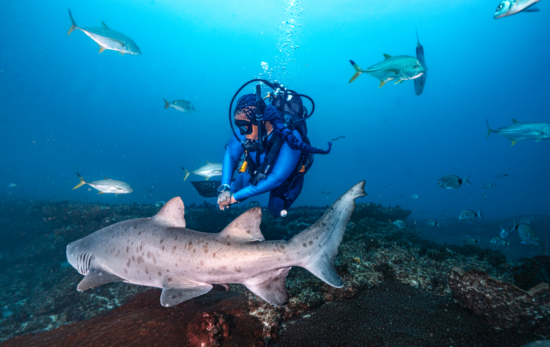
The moment I first picked up an underwater camera and saw the turtles on the island was transformative. Their tranquility drew me in, especially given the risks they face from poaching and egg consumption. Capturing and sharing images of green and hawksbill turtles, from hatchlings to adults, has become crucial to their protection. My long-term goal is to establish a turtle rehabilitation center on Pom Pom Island to care for injured turtles and release them back into the wild. Over the years, we’ve seen many turtles in need with no place to go for help. A center like this would be vital for the local turtle population and allow us to advance research on green and critically endangered hawksbill turtles. By studying these species further, we hope to drive a more sustainable approach to tourism and support responsible development in island communities.

How do international volunteers and scientists contribute to TRACC’s mission, and why is their involvement important to you?
Volunteers are essential to TRACC. They contribute time, funds and energy, helping turn our projects into reality. They assist scientists with data collection, help during nightly turtle walks to protect nests and provide manpower for building artificial reefs. As a volunteer-funded organization, we wouldn’t achieve our mission without them — their efforts are the backbone of our conservation work.
How does the philosophy “small actions done by millions can change the world” influence your approach to conservation?
Our motto at TRACC is, “Saving the ocean, one coral, one turtle and one shark at a time.” I believe change starts with individual actions; waiting on governments or corporations alone won’t ignite it. Small choices like avoiding straws, using reusable bags and avoiding harmful brands can make a big impact. If everyone commits to these actions, millions of small efforts add up to significant change.


What inspires you to keep going when challenges arise or when change feels slow?
Being able to jump into the water every day and witness the impact that we are having is a constant reminder of why what we do is important. Seeing the difference from 2015 to today is something I never thought I would experience in my lifetime, let alone in just 10 years. TRACC has planted many coral fragments over more than 12 years, drastically improving the destroyed reefs of Pom Pom Island, employing numerous methods along the way. Reflection reminds us how far we’ve come, keeping us all motivated, knowing that even small steps eventually lead to big results. We want to be an inspiration to others, and no matter how grim the forecast, we can’t give up. Every single day, there is progress made, no matter how small, eventually we will get there.
*The Bajau people, also known as Sea Gypsies or Sea Nomads, are an indigenous group of people who have traditionally lived on the water in Southeast Asia. They are known for their exceptional diving abilities, as well as their unique cultural practices.