
Curiosity and a thirst for adventure are why many of us become divers in the first place. But when you’re learning to scuba dive, you don’t want to take the plunge with just anyone.
Choosing the right dive shop can make a big difference to your experience, especially when you’re earning your first certification. You’ll want an instructor who makes you feel comfortable, a schedule that works for you and training that fits your goals.
Whether you’re planning to learn locally or turn your certification into a vacation, avoid crowded “cattle boats” or the bad air boogeyman, here are some things to consider when choosing a dive shop.
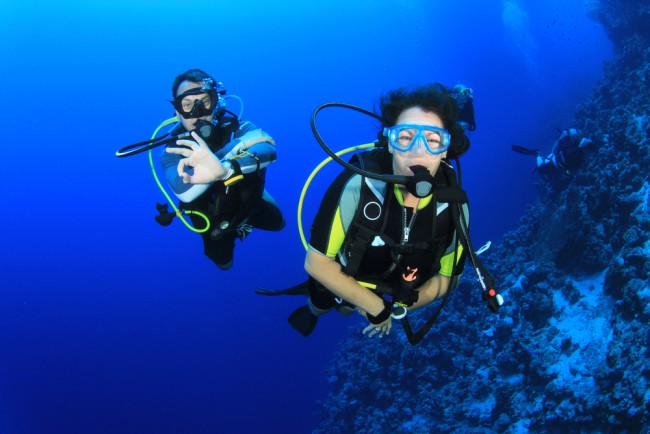
Start With Your Goals
Before comparing dive shops, think about what you want from your diving experience.
Are you hoping to complete your PADI Open Water Diver certification close to home to match your schedule? Or would you rather learn somewhere you’ve always wanted to visit and turn it into a “skillcation”? Do you have a specific date by which you want to be certified? Maybe you want to learn in warm, clear water, or perhaps you’re interested in discovering what the diving closer to home looks like.
There’s no single best place to learn to dive. The right choice is the one that fits your goals, schedule and comfort level.
If you’re learning to dive on vacation, remember that your Open Water Diver course includes knowledge development, confined-water training and open-water dives. Ask the dive shop how the training will fit into your trip and how many days you should allow.
You can also complete your knowledge development through PADI eLearning® before traveling, then arrange your in-water training with a PADI Dive Center or Resort at your destination.
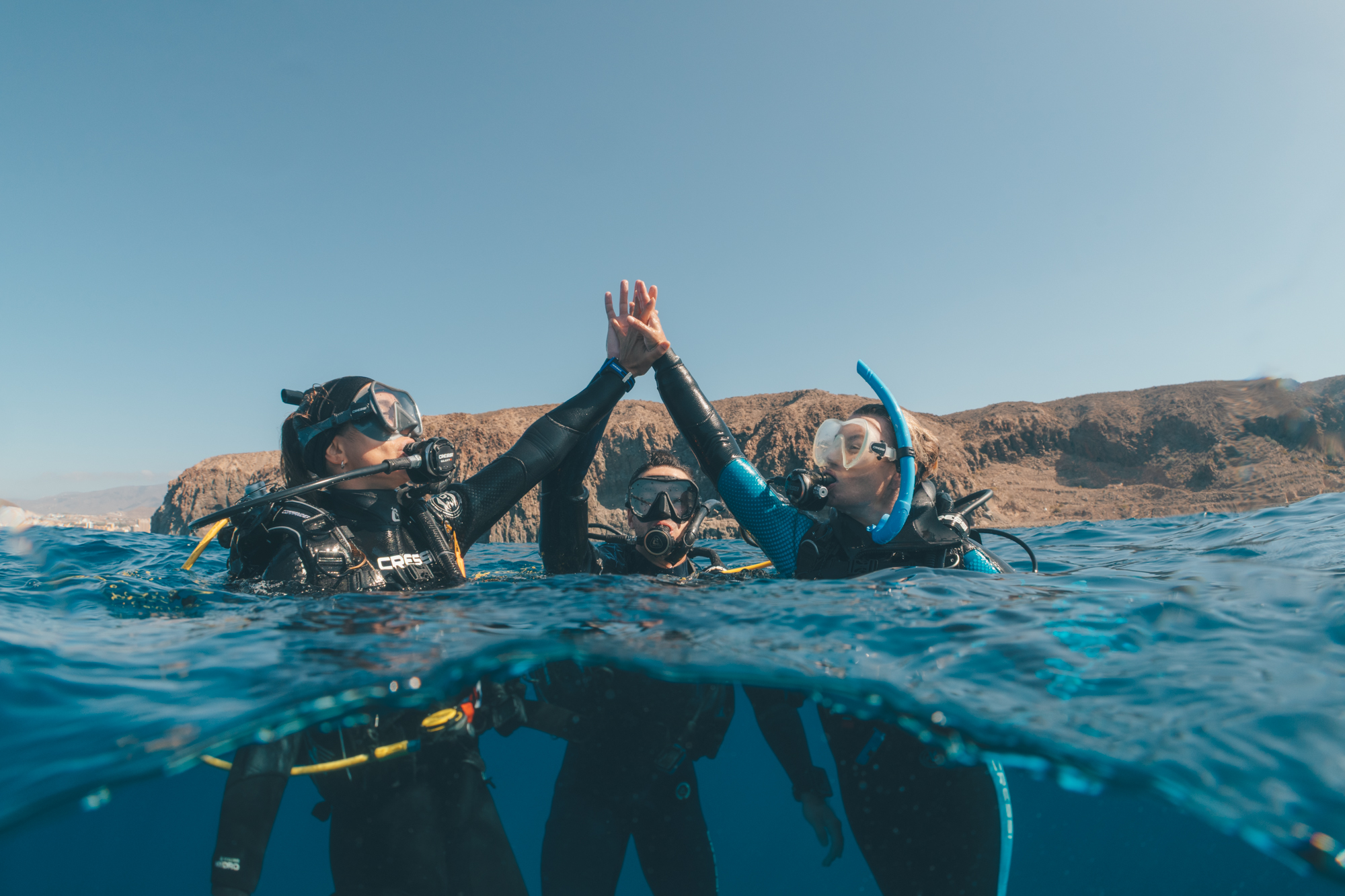
Where to Start
Ask friends, family and your extended social network for recommendations. Online review sites such as Yelp and TripAdvisor can also be a good resource. Don’t rule out a business for one or two negative reviews, especially if there are dozens of positive ones and the dive shop has responded in a professional way.
You can also use the PADI Dive Shop Locator to find PADI Dive Centers and Resorts near you or in a destination you’re considering. You can filter your search based on location, courses and other preferences, making it easier to build a shortlist.
Once you have a few options, visit their websites and social media pages. Look at the types of diving they offer, the dive sites they visit and the courses available. If you’re planning your Open Water Diver course around a vacation, check whether the destination offers the kind of experience you want above and below the surface.
If you’ve perused the options and every dive shop has a near-perfect rating, how do you narrow it down? Focus on the things that matter most to you.
What’s Important to You?
Consider what’s most important to you: small groups or the lowest price. Do you like diving with a dive guide, or are you comfortable navigating with your buddy? Do you get seasick easily? If so, seek out a larger dive boat with a wide beam.
For your first certification, think about the kind of learning environment in which you’ll feel most comfortable. Some people enjoy a busy, social dive center, while others prefer a smaller shop where they can get more one-on-one time with their instructor.
Make a list of the things your ideal dive shop would have and start narrowing down your options.
In the end, you may need to simply call or visit the dive shop to make a final decision. Ask questions, and make mental notes of how helpful the responses are. Does the staff seem enthusiastic about their local diving? Do they answer your questions clearly? Do they make you feel welcome? How experienced are they?
A shop with a majority of new staff and/or a shop with high turnover may be a bad sign.
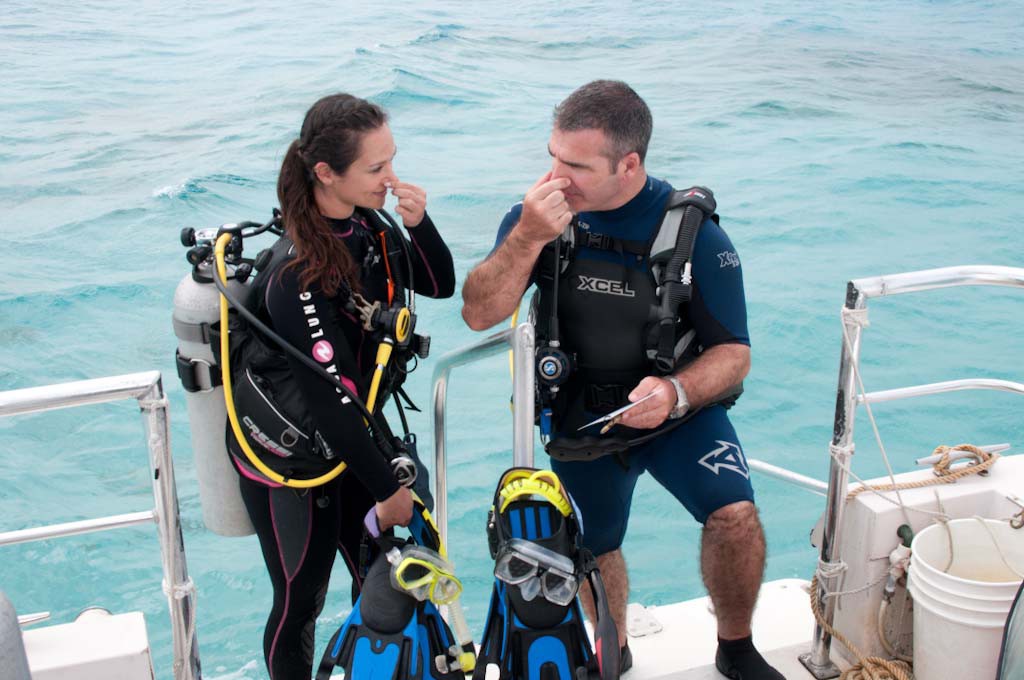
How to Choose a Dive Shop for Your Scuba Certification
If you’re not certified, choosing a dive shop can feel like a lot to take in. Don’t worry, one day you’ll be able to debate “what’s the best post-dive snack?” with the best of them (answer: Cheetos). In the meantime, here are some considerations for choosing where to get your PADI Open Water Diver certification:
First off, don’t let the cost of certification be the deciding factor. A reputable dive shop with an experienced staff focused on your comfort and safety is paramount. If you can’t afford to go with a highly recommended shop, contact the business. They may have seasonal specials or offer a discount if you can take the place of a last-minute cancellation.
You should also know that a cheap scuba class…probably isn’t. You may need to spend additional money for:
- Student materials (online training, books)
- Rental gear
- Certification fees
- Mask, fins and a snorkel
Just be sure to find out everything you need to pay for the full course fees.
Other things to ask your dive shop about include: class size, what fees (if any) are incurred if you need to reschedule a training session, and where in-water training takes place. If you are on a tight timeline, have any medical issues, or have a student diver under the age of 15, let the dive center know.
Talk to other divers you see to gauge the vibe and don’t forget to check out the bathroom (hey, if they can’t maintain that, what else is wrong?)
You can also inquire about the instructor’s credentials and verify their PADI professional status through PADI ProChek™. The staff should be helpful and make you feel welcome.
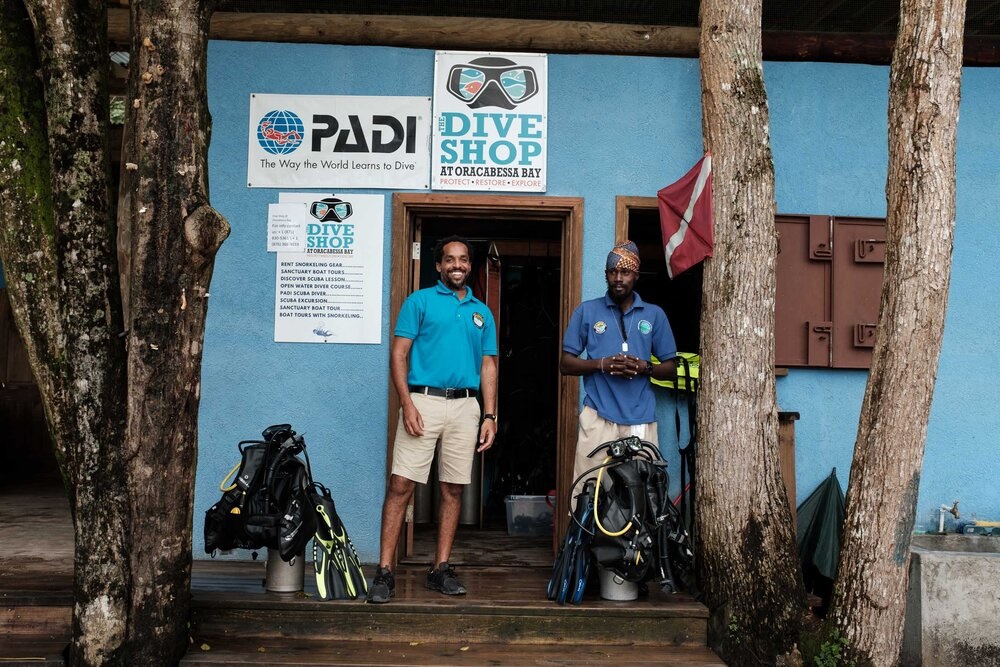
How to Find a Dive Shop When Traveling
As mentioned above, online review sites can help you narrow down your options. Once you have a shortlist, expand your research to YouTube and social media to see what the dive shop and others do on the daily.
What dive sites do they frequent? Do they go to the same site every day? What creatures do they see? Do the divers and staff seem to be having a good time?
If you’re in the area, visit the shops and don’t get distracted by the tanned cutie with the bright smile behind the counter. Ask some important questions:
- How new is their rental gear?
- What is the experience level of the staff?
- Can they handle equipment repair?
- Is there a place to store your valuables?
- Will you be able to shower or change clothes after your dive?
- What is the maximum number of divers they take out at a time?
- What is their cancellation and refund policy?
- What specialties or other courses do they offer?
When to Walk Away
In some circumstances, it’s just better to move on to the next shop if:
- The rental gear is not well-maintained.
- The staff is unenthusiastic about their local dive sites.
- Your questions about training, safety or costs aren’t answered clearly. You feel pressured to book before you’re ready.
- One of their divers tells you about a bad experience.
- You just have a bad feeling.
Trust your instincts. You’re never obligated to book with a dive shop that doesn’t feel right.
Find Your PADI Dive Shop
An easy way to find a great dive shop is to visit the PADI Dive Shop Locator. PADI Dive Centers and Resorts around the world meet PADI’s minimum requirements for dive services, while many have earned additional designations based on their training, services, facilities, conservation efforts and other areas.
PADI Five Star Dive Centers, for example, provide a full range of PADI scuba education programs, equipment and diving experiences. Green Star and 100% AWARE businesses have demonstrated a commitment to protecting the environment.
Whether you’re choosing a shop for your first certification or planning your next dive trip, the goal is the same: find a professional team that matches your needs and helps you feel confident in the water.