

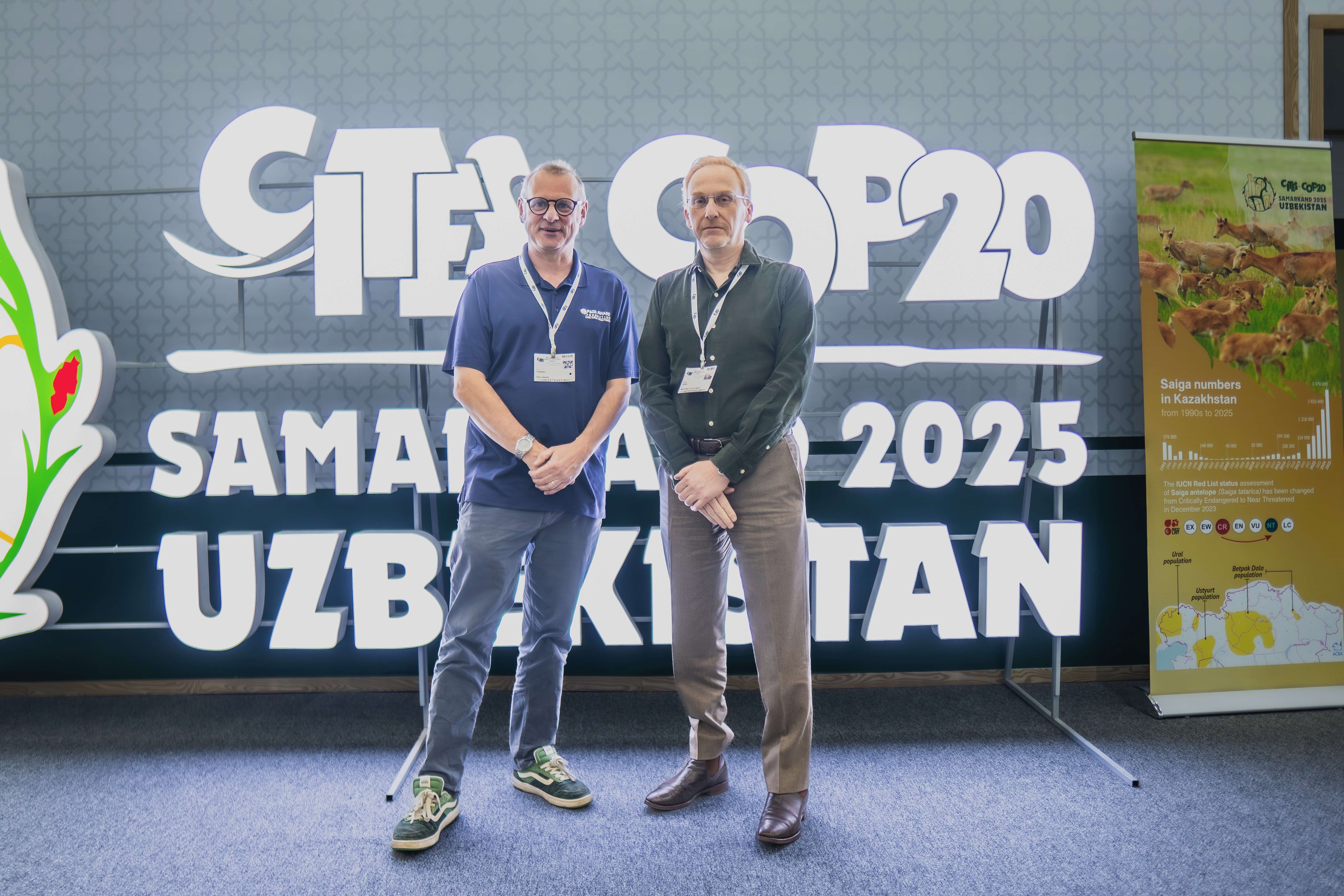
I arrived at CITES COP20 in Uzbekistan as part of the PADI AWARE delegation, but also as something much simpler: a diver who has seen what happens when our rules fail the ocean.
Oddly enough, that mix — official badge and diver brain — ended up being more useful than I expected.
For anyone new to it, CITES is the international agreement that decides how and if wildlife can be traded across borders. Sharks, rays, corals, timber — it’s a long list.
The treaty has been around for decades, but only recently have many people began to notice how deeply its decisions ripple into real ecosystems.
As someone who doesn’t live in the world of policy, stepping into this space felt like surfacing into a parallel universe run by procedure and, apparently, punctuation. Truly — punctuation. Watching a room spend half an afternoon debating whether a sentence should contain shall or should tells you everything about the stakes. Conservation, it turns out, is sometimes a grammar exercise with global consequences.
When people asked which delegation I am a part of, and I answered, “I’m here for the divers,” no one looked confused. They leaned in. Because divers see impacts long before they show up in official documents.
The Balancing Act
Inside the meeting rooms, one theme kept resurfacing: how to balance protection with sustainable use. CITES has helped stabilize some already-listed species, and that creates a natural next question — what does responsible, fair and truly sustainable trade look like?
The answer isn’t simple. It involves communities who rely on wildlife, scientists tracking population trends and regulators trying to close loopholes without closing livelihoods. Several proposals circled this same delicate line: protect the species, support the people and make sure no one exploits the system in between.

Where the Real Learning Happened
The formal sessions were important — structured, slow, procedural. But the side panels were where everything came alive. This is where researchers, NGOs, governments and people like me compared notes without microphones or time limits.
A marine biologist described a collapse in a regional population. A community representative talked about what that collapse meant for daily life. A policymaker explained what the current rules couldn’t yet solve. Suddenly, the treaty wasn’t abstract; it had faces, voices and consequences.
For someone used to clear underwater visibility, side panels offered a different kind of clarity.
Why the Diver’s Voice Matters
My role at COP20 wasn’t to draft text or submit amendments. It was to remind people what those commas, verbs and clauses ultimately affect: real reefs, real species, real places.
Policy workers guard structure.
They provide science and legality.
We carry the memory of what’s disappearing and what returns when protections work.
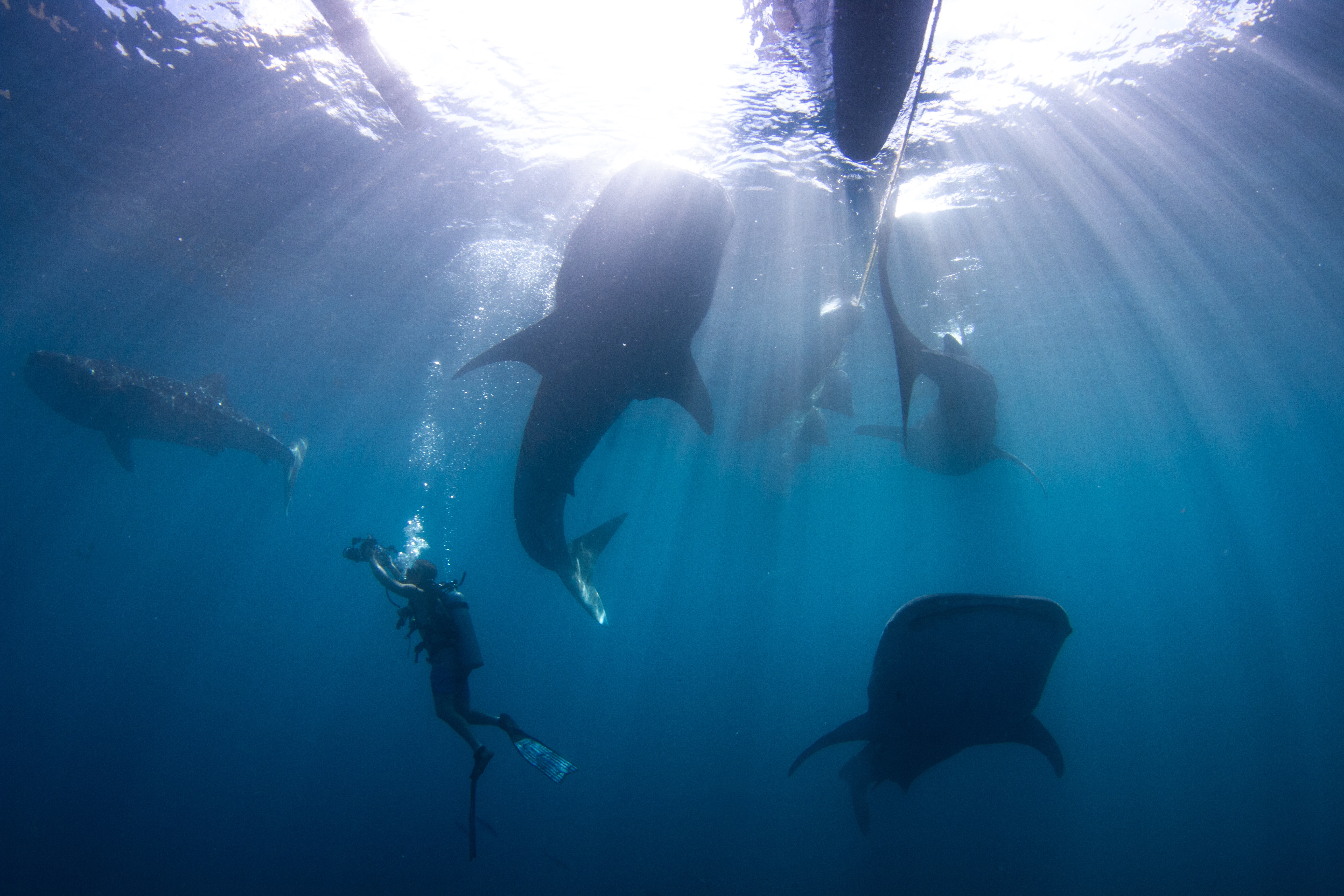
When I shared stories from dive sites where sharks had vanished, or others where populations had bounced back under good management, the conversations shifted. Data is essential. But lived experience turns data into direction.
Surfacing Thoughts
Leaving Uzbekistan, I felt the same way I do after surfacing from a deep dive: slightly disoriented, saltier than before, but grateful. I understood the machinery better — the committees, the procedures, the diplomacy behind every conservation win.
But I also left with a conviction: We need more people in these spaces who can translate policy into lived experience.
COP20 reminded me that storytelling is a form of advocacy, and our presence can shift the tone of a room.
Because when the future of wildlife is being negotiated, it helps to have someone in the room who has actually met the wildlife.