Liveaboard diving is one of the most immersive ways to explore the ocean.
You wake up on the water, gear up as the sun rises and drop onto reefs, wrecks or pelagic-rich blue water. It’s no surprise more divers are choosing this style of adventure.
If you’ve been researching how to vet a liveaboard before booking your next trip, you’re not alone. From time to time, incidents in dive destinations make headlines, and it’s natural to want reassurance.
The reality is that the vast majority of liveaboards operate professionally and safely. But knowing how to vet a liveaboard helps you book with confidence and choose the experience that’s right for you.
Before you confirm any reservation, take time to check:
- Operator reputation
- Safety standards and onboard equipment
- Vessel history and ownership
- Crew experience and diver-to-guide ratios
- Environmental responsibility
- Booking platform protections
Ready to start browsing options right now?

Start With the Operator’s Reputation
A quick search can reveal a lot. Look beyond the operator’s own website and explore independent review platforms.
Pay attention to recent reviews, not just feedback from several years ago. A consistent pattern of positive experiences is reassuring, while a pattern of the same unresolved complaint is worth noting.
When reading reviews, focus on specifics. Are divers mentioning well-run briefings, attentive crew and organised dive decks? Or are comments vague and repetitive? It’s also helpful to see how the company responds to feedback — a professional, transparent response shows accountability.

Confirm Safety Standards and Certifications
Adventure and safety go hand in hand. When considering how to vet a liveaboard, safety systems should be near the top of your checklist.
Ask clear questions:
- What safety equipment is onboard?
- Is emergency oxygen readily available and maintained?
- Are there life rafts, fire detection systems and extinguishers?
- How often are safety drills conducted?
Reputable operators will answer confidently and transparently. You can also ask about inspections and certifications required by the vessel’s flag state or local maritime authority.
As divers, we understand the value of preparation. Courses like PADI Rescue Diver and Emergency First Response build your own confidence and awareness. Choosing a liveaboard with strong safety protocols complements that training and enhances your overall experience.
Research the Vessel’s History
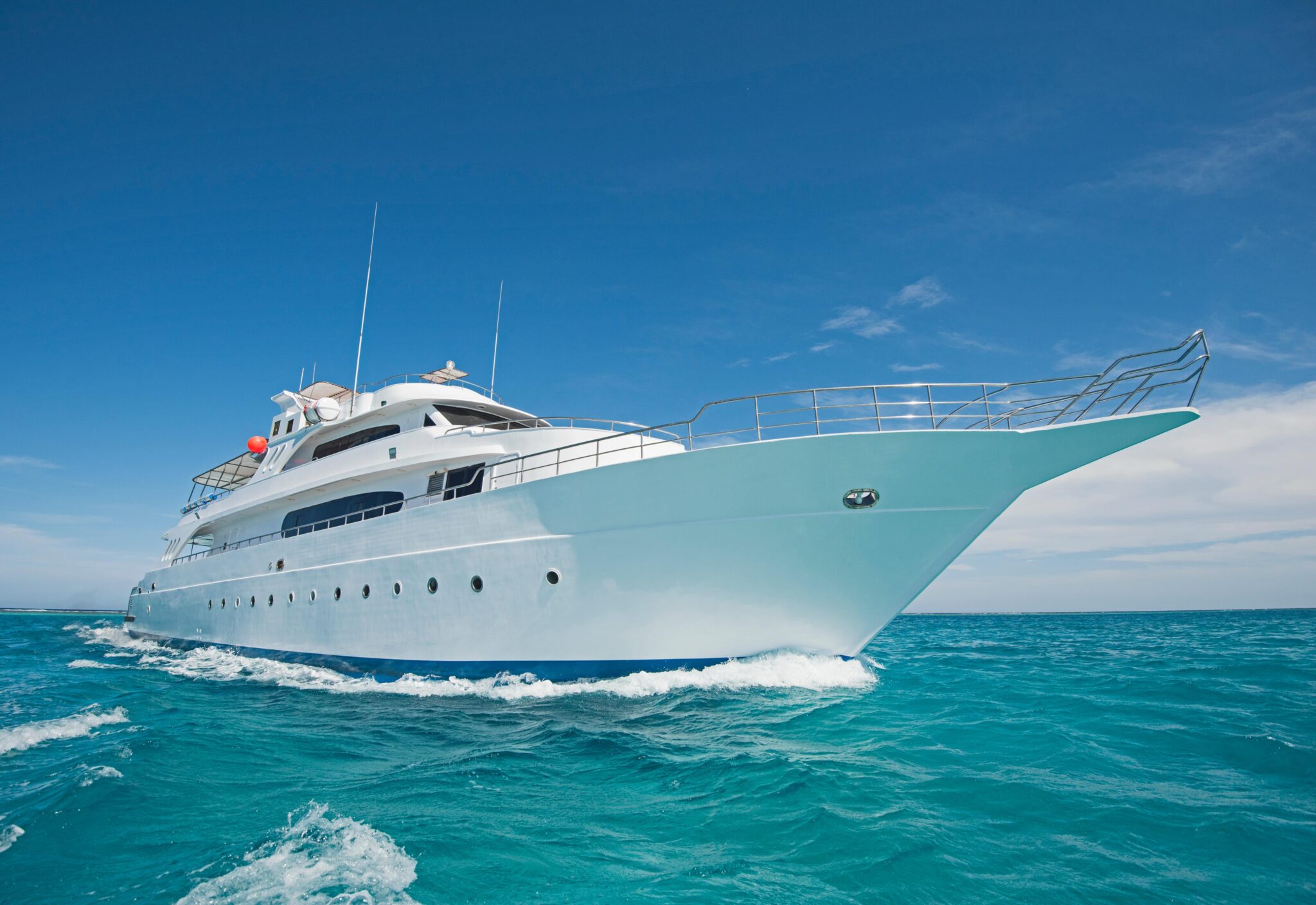
One practical step in learning how to vet a liveaboard is researching the vessel itself — including any name changes.
Has the boat always operated under its current name? Has ownership changed? Has it undergone refurbishment? A name change doesn’t automatically signal a problem and many boats are rebranded for legitimate reasons. But it’s helpful to understand the timeline.
Try searching the vessel’s current and former names alongside the destination. This can reveal older reviews, news articles or forum discussions that provide context. Look for transparency from the operator about upgrades, maintenance schedules and improvements.
But keep in mind: age alone isn’t a determining factor. Plenty of older vessels are exceptionally well maintained. The key is ongoing care, documented improvements and clear communication.

Evaluate Crew Experience and Diver-to-Guide Ratios
A liveaboard is only as strong as its crew. Experienced dive guides, captains and engineers create a smooth, safe and memorable trip.
Ask about:
- The qualifications of dive guides
- Years of experience in the destination
- Typical diver-to-guide ratios
- Languages spoken onboard
Smaller guide ratios often mean more personalised briefings and better marine life spotting. Local knowledge can transform a dive from good to extraordinary.
PADI Professionals set the benchmark in diver education and safety worldwide. Knowing your guides are experienced and well trained adds another layer of confidence as you explore new sites.

Understand Environmental Responsibility
We dive because we love the ocean — responsible operators share that commitment. When deciding how to vet a liveaboard, look for practices that protect marine ecosystems.
Ask whether the boat uses mooring buoys instead of anchoring on reefs and inquire about waste management systems and policies around wildlife interaction.
Do they brief divers on neutral buoyancy and reef-safe practices? Do they support local conservation initiatives?
Organizations including the Coral Reef Alliance highlight the importance of sustainable marine tourism. Choosing operators aligned with these principles ensures your adventure supports the long-term health of the destinations you visit.
And if ocean protection matters to you, consider becoming a PADI Torchbearer and joining a global movement for positive ocean change.

Book Through a Trusted Platform
Finally, consider where you book. Transparent pricing, clear cancellation policies and access to customer support all matter.
Booking through a trusted platform like PADI Travel provides additional reassurance. Each liveaboard page includes detailed information to help you choose with confidence, including cabin descriptions, images, itineraries and maps. Operators featured on PADI Travel are carefully selected, and the platform offers support before, during and after your trip.
You also have access to Scuba Travel Experts 24/7, ready to help you compare options and find the best liveaboard for your needs. That means you’re not navigating logistics alone.
When you combine independent research with the backing of an established global dive organization, you create a solid foundation for your adventure.

Questions To Ask Before You Book
Before confirming your reservation, ask:
- What’s included in the price?
- Are there additional fuel or port fees?
- Is Nitrox available?
- What is the typical daily dive schedule?
- What is the emergency action plan?
- When booked solo, is the cabin private or can another guest be assigned?
Clear answers indicate a professional operation and help you avoid surprises later.
Ready To Plan Your Next Trip?
Liveaboard diving remains one of the most transformative ways to experience the ocean. Waking to open horizons, descending onto thriving reefs and sharing stories under a sky full of stars is hard to replicate any other way.
Learning how to vet a liveaboard only strengthens the adventure. When you do your homework, you board with confidence and focus fully on what matters most: exploring, connecting and protecting our blue planet.