The most important step in becoming the best diver you can be is getting scuba certified. There’s no doubt about that. But once you’re certified, becoming a better diver can take many forms.
Working through the PADI core courses is one way to develop your scuba skills. But if your logbook is only filled with 30+ meters (100+ feet) of visibility, no current and 30°C (86°F), bath-like water, it may be time to challenge yourself and dive somewhere different to gain experience and comfort in all environments.
How To Challenge Yourself & Become a Better Diver
Changing up where you dive always offers something new. Whether it’s how you prepare for a dive, the gear you’re using or the environment you’re diving in, facing something different is a great way to keep your skills sharp, acquire new ones and continue developing as a diver.
Here are some of the environments and PADI Specialty courses that can offer new challenges and rewards.
Current
For many divers, current is one of the first things associated with challenging conditions. Having dived in current is often treated like a badge of honor, and conversations about the strongest current a diver has faced are common on dive boats.
There’s a good reason for this. Current can make every part of a dive more challenging, from entries and exits to physical exertion, navigation and maintaining your position underwater. Learning to read and work with current can build confidence while sharpening your dive planning and in-water skills.
In fact, current can sometimes be such an ever present-part of a dive site’s character that some destinations have become famous for their challenging conditions.
Here are some dive destinations to consider for increasing your experience in current.
- Cozumel, Mexico – Famed for its high-speed drift diving, this colorful, coral-rich island offers current exposure for divers of different experience levels.
- Komodo National Park, Indonesia – Several dive sites in this underwater paradise experience strong currents and tides. The rewards include manta rays, vibrant reefs and plenty of opportunities to put your skills to work.
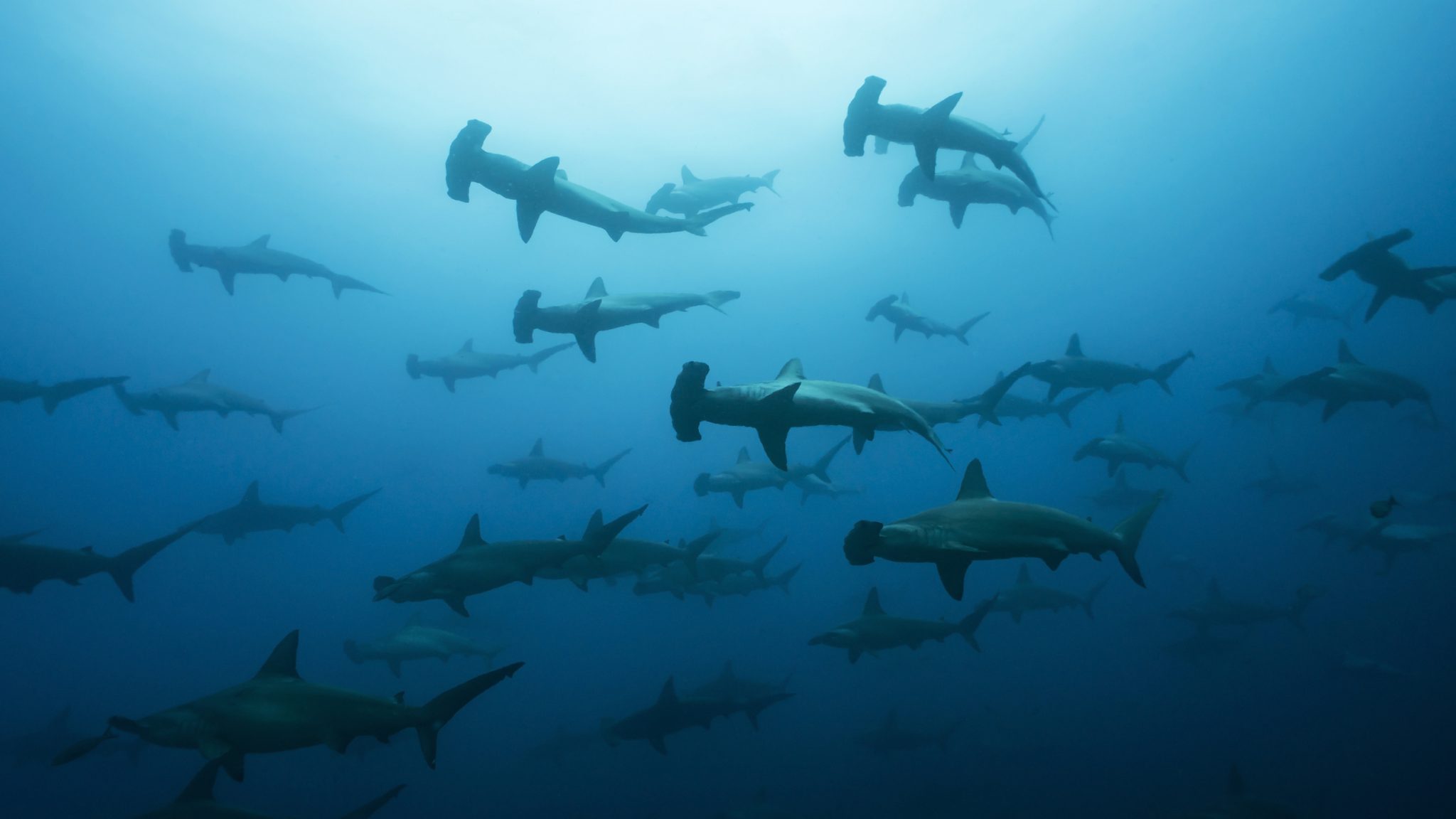
- Galápagos Islands, Ecuador – The islands and surrounding waters are full of wildlife. Darwin and Wolf Islands offer some of the world’s most memorable diving, but their strong currents make them better suited to experienced divers.
Wrecks
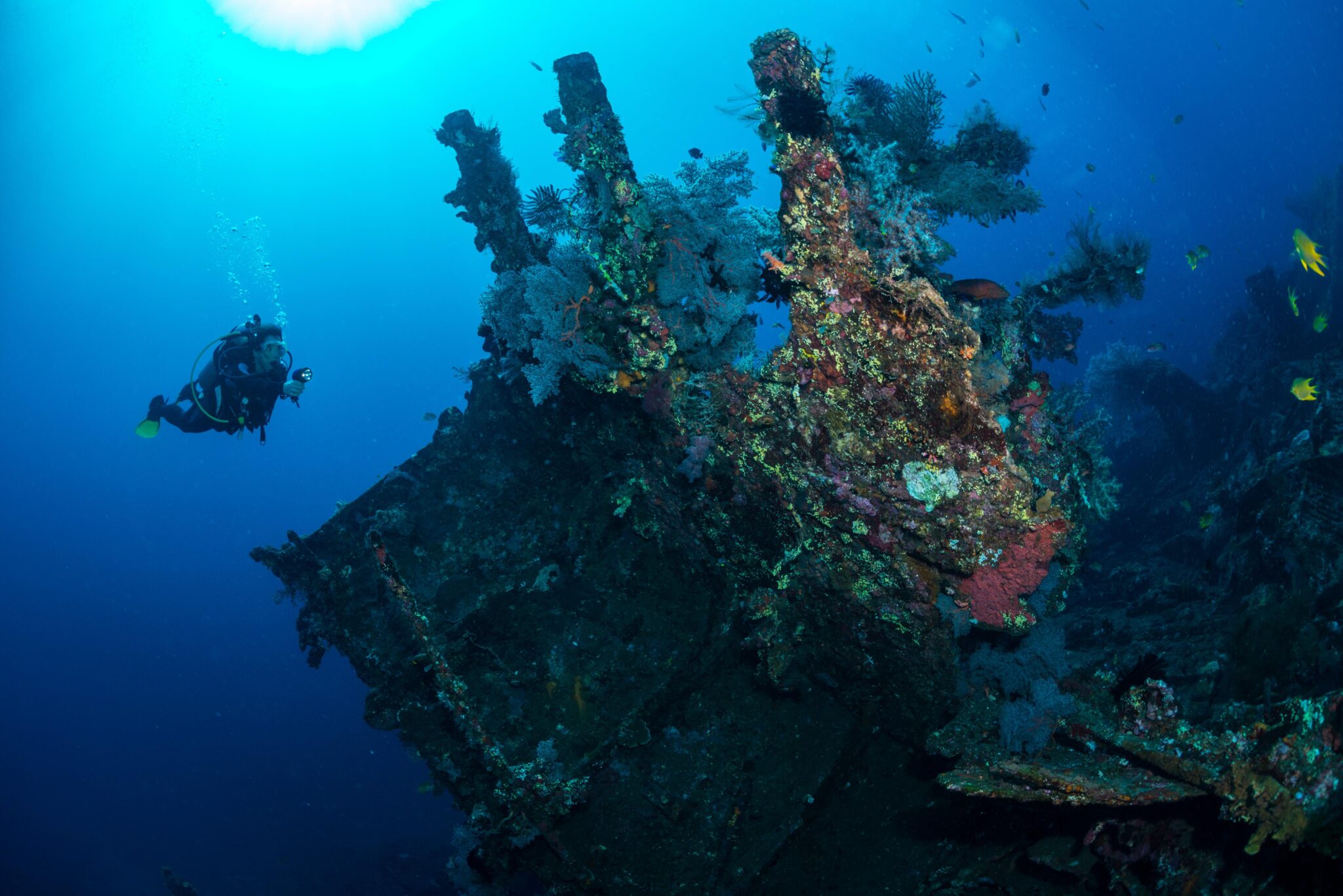
Diving a wreck is a completely different experience from diving an open reef. Beyond the different sights, wrecks require you to use skills that may not be necessary on a typical reef dive. Swim-throughs, darkness, confined spaces and unfamiliar layouts can challenge your buoyancy, navigation and situational awareness.
Here are some dive destinations to consider for increasing your wreck diving experience.
- Bali, Indonesia: USAT Liberty – An iconic 120-meter-long (394-foot-long) wreck that offers more to explore than you can see in a single dive. The wreck slopes from around three meters (10 feet) to approximately 30 meters (98 feet), offering different depths and routes to explore.
- Egypt: SS Thistlegorm – This world-famous wreck is a 126-meter (415-foot) freighter resting at a maximum depth of around 30 to 32 meters (98 to 105 feet). Much of its wartime cargo remains visible, adding another layer to the experience.
- Coron Bay, Palawan, The Philippines – This tropical paradise is home to a wealth of wrecks. Dive sites include several Japanese ships sunk during World War II, giving divers the chance to experience a variety of wreck environments.
Cold Water
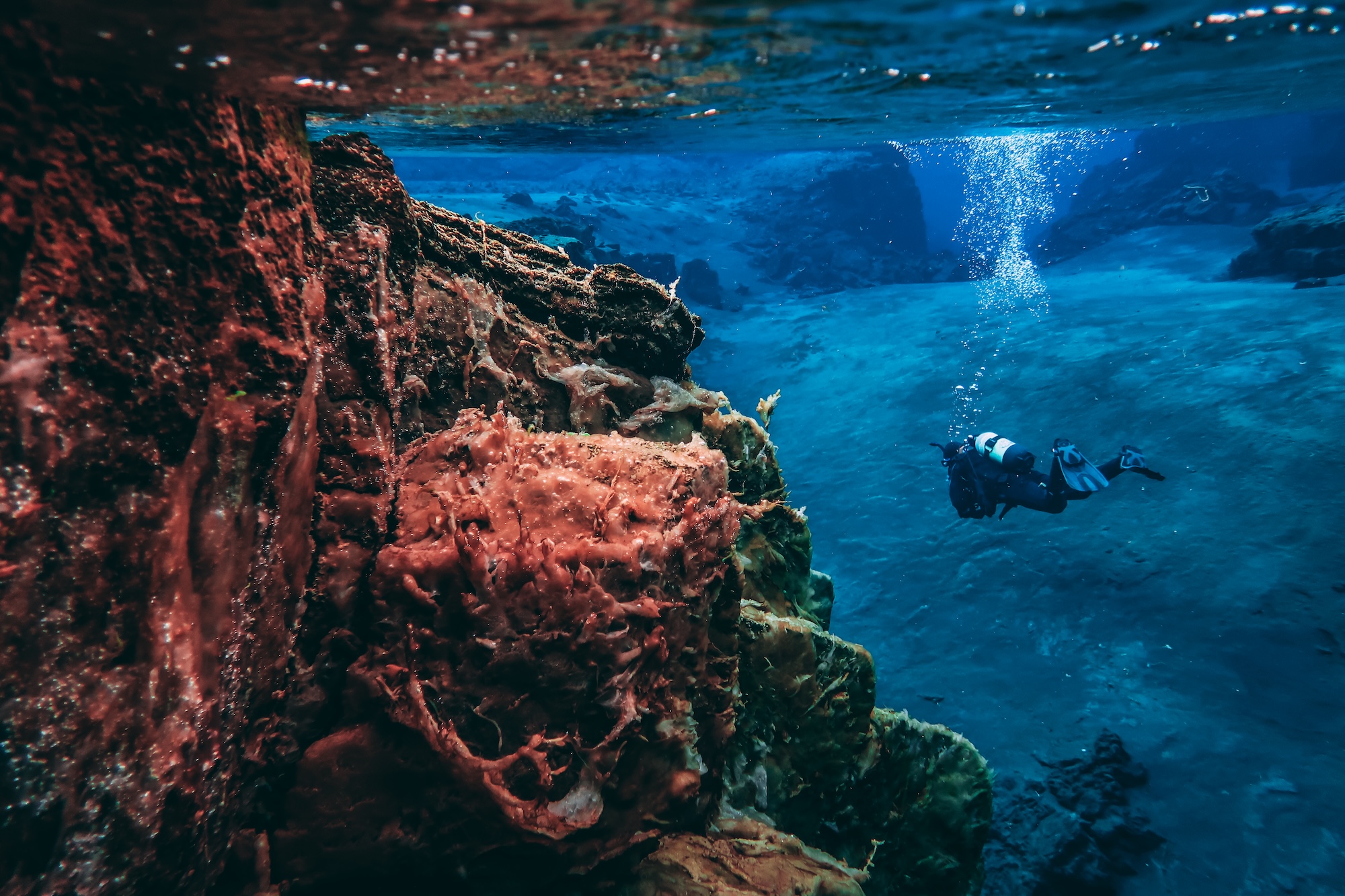
Diving in cold water opens up a completely different underwater world. New marine life, different environments and specialized equipment all create opportunities to develop skills and become a more adaptable diver.
Switching from a wetsuit to a dry suit also changes how you manage your buoyancy, equipment and thermal protection. And there’s something pretty satisfying about surfacing from a dive completely dry.
Here are some dive destinations to consider for increasing your cold-water diving experience.
- Silfra, Iceland – Dive in some of the world’s clearest water between two tectonic plates as you get comfortable with dry suit diving.
- British Columbia, Canada – Giant Pacific octopus, wolf eels, sea lions and smaller marine life make cold-water diving here a memorable experience.
- Scapa Flow, Scotland – Why not combine cold-water exposure with memorable wreck diving? Scapa Flow combines offers a fascinating view into military history.

Caverns
Cavern diving takes you into the natural-light zone of an overhead environment, offering a taste of overhead diving without venturing into the realm of cave diving. These environments challenge your buoyancy, trim, navigation and situational awareness while offering visuals you won’t find on an open-water dive.
Here are some dive destinations to consider for increasing your cavern diving experience.
- Yucatán Peninsula, Mexico – Mexico’s cenotes are natural water-filled sinkholes formed in the surrounding limestone. They offer crystal-clear, often near-still water, dramatic rock formations and a diving experience unlike anything you’ll find in the ocean.
- Florida, USA – Florida’s freshwater springs provide another opportunity to experience the natural-light zone of an overhead environment.

Deep Water
There is a near-endless amount of adventure to be had within the recreational diving limits a certified Open Water Diver can explore. However, when you head below 18 meters (60 feet), the diving starts to change. Deeper dives mean more careful planning, greater awareness of your air consumption and no-decompression limits, but greater rewards, too!
Here are some dive destinations to consider for increasing your deep diving experience.
- Malapascua, Philippines – Famed for thresher sharks, this destination offers divers the chance to encounter these remarkable sharks at sites such as Monad Shoal and Kimud Shoal. Thresher sharks are often encountered around 20-30 meters (66-98 feet).
- Ras Mohammed, Egypt – The walls and drop-offs of Ras Mohammed offer the opportunity to experience deeper reef diving in the Red Sea, with dramatic underwater topography and abundant marine life.

Conservation
Being a great diver isn’t just about what you can do underwater. Understanding the ocean and how we protect it can make you a more knowledgeable and mindful diver. Getting involved in ocean conservation, such as taking the Ocean Pledge and becoming an Ocean Torchbearer™, is one way to deepen that connection.
Here are some dive destinations to consider for increasing your conservation knowledge.
- Bonaire – With more than 100 dive sites in Bonaire National Marine Park, see how marine protection has become part of the island nation’s culture.
- Bahamas – Dive with sharks while learning about their conservation. The Bahamas banned commercial shark fishing throughout its waters in 2011. Discover how this helped establish the country as a major destination for shark diving.
- Fiji – Find out how community-led marine conservation can protect ocean ecosystems.
Ready To Grow as a Diver and Experience Something New?
Whether you’re looking to take on the current of Komodo or the overhead environments of Mexico’s cenotes, a new adventure is waiting. Being a certified scuba diver means there’s always another skill to develop, environment to experience or challenge to take on.
So, what will you dive into next?