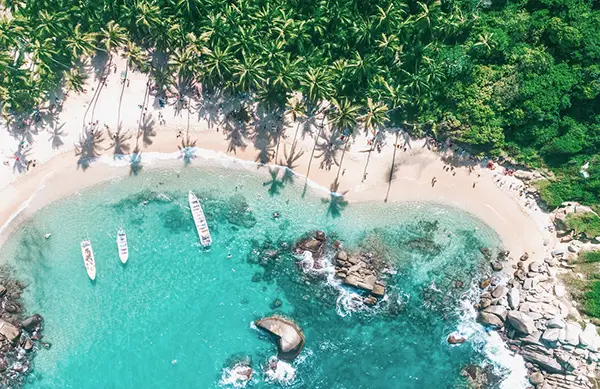
Both beginner divers and experienced divers will find something to love in Puerto Rico. Its reefs, walls, caves and mangroves are home to more than 700 species of fish, sharks, rays, manatees and tons of turtles.
The list below covers the best dive sites in Puerto Rico working clockwise around the island. We’ll start with Fajardo on the northeastern coast of Puerto Rico’s main island.
Fajardo
Located off the northeast coast, Fajardo is popular destination with a notable dive site known as Sandslide.
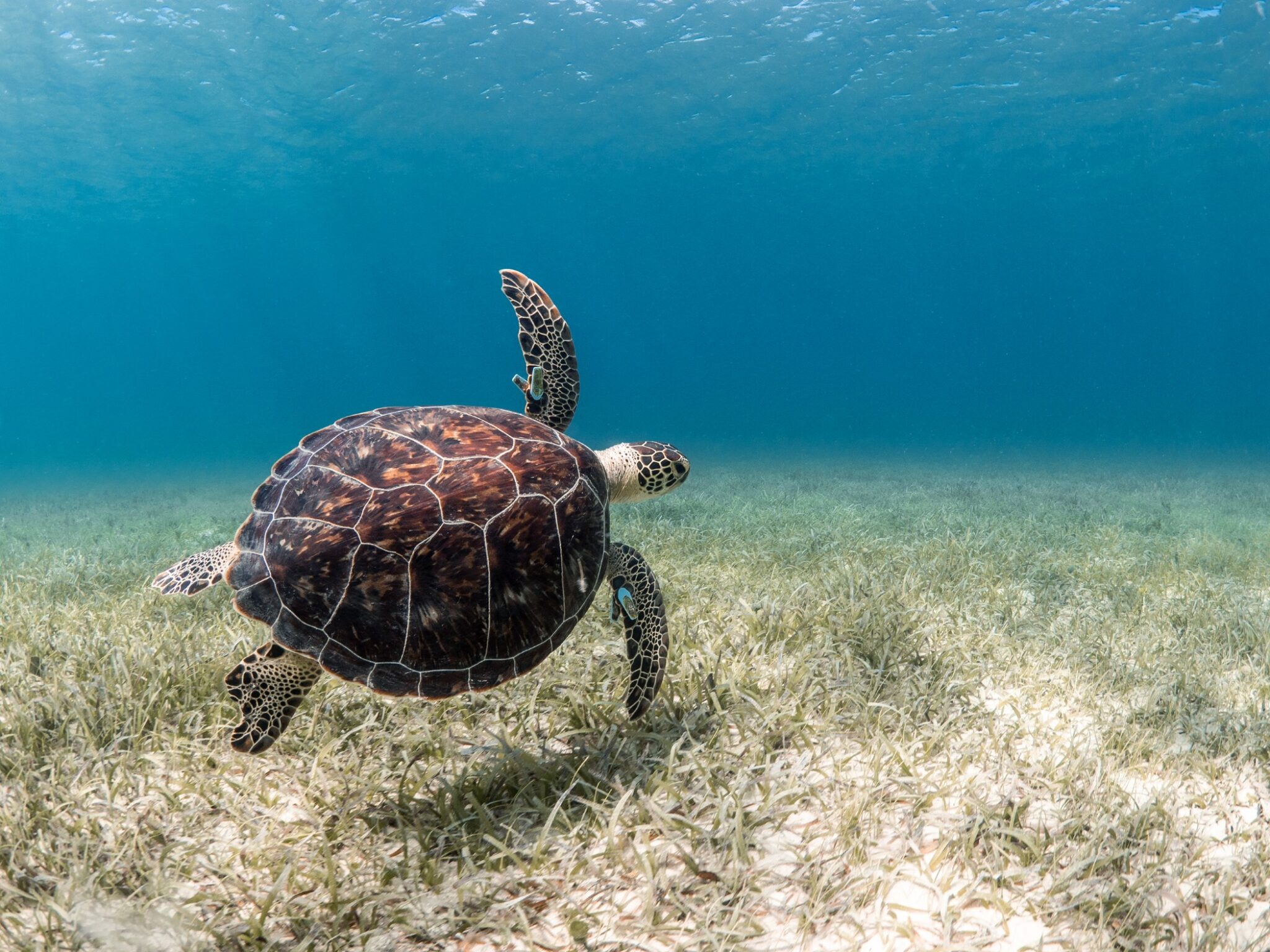
- Sandslide: The sloping reef starts around 5 m/15 ft and gradually drops to 24 m/80 ft. Marine life you may encounter includes turtles, barracuda, moray eels, cowfish, octopus and groupers, with occasional sightings of manatees or dolphins.
Culebra and Vieques
Off the east coast of the main island are two satellite islands: Culebra and Vieques. Culebra has a protected marine park with more than 50 dive sites. It’s a great location for divers of all levels. There are caves, colorful reefs, plenty of fish and excellent visibility (up to 30 m/100 ft).
Top Dive Sites in Culebra
- Cayo Lobito: This site is known for its large nurse shark population. You can also see turtles, stingrays and flamingo tongues.
- Cayo Raton: Another “fishy” dive site that’s great for new divers and underwater photos.
Top Dive Sites in Vieques
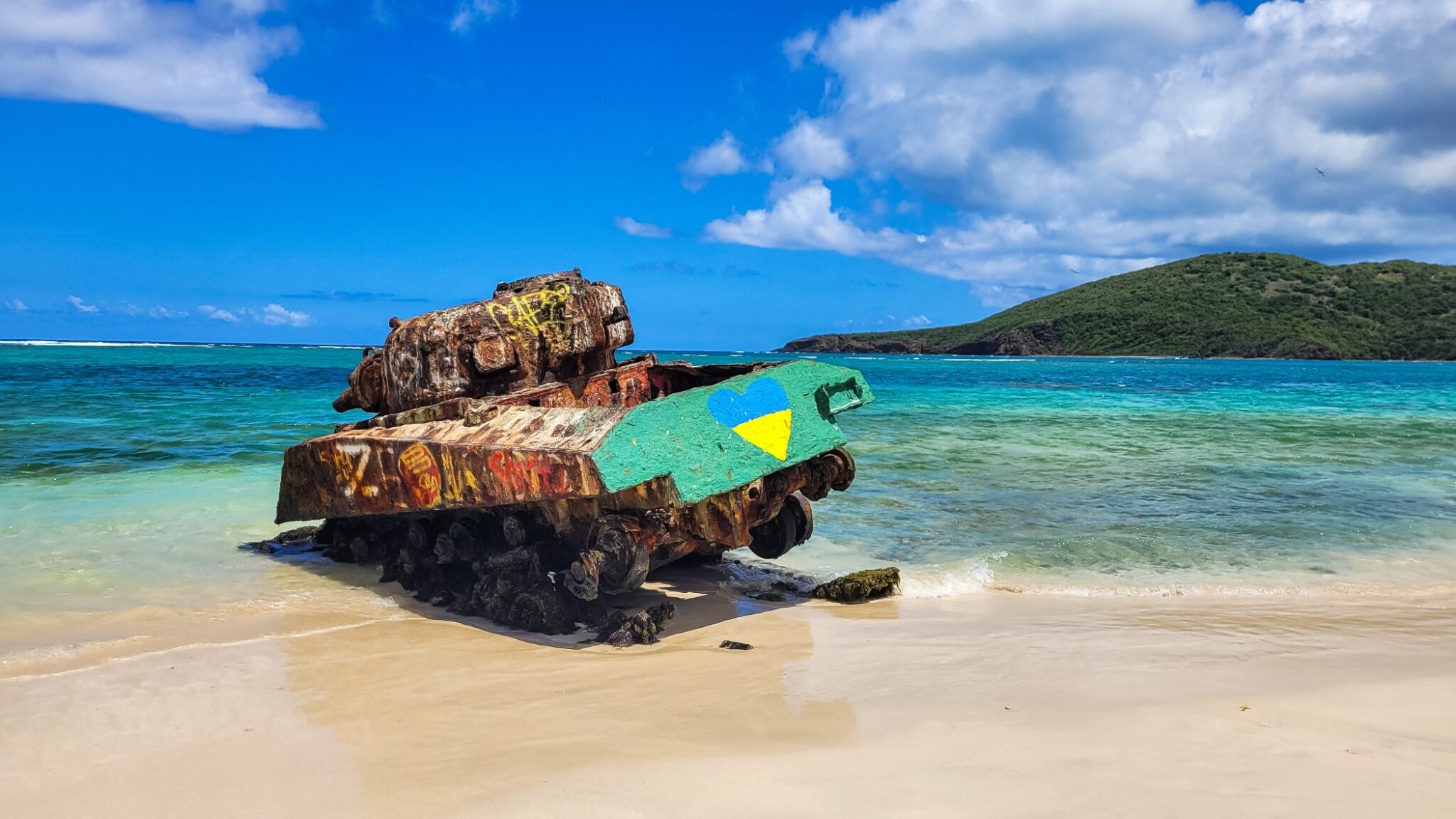
Vieques has more than a dozen dive sites. Max depths range from 12 to 30 m/40 to 100 ft. Expect to see nurse sharks, hawksbill and green turtles, lobsters and the occasional manatee or pod of dolphins.
Mosquito Pier (Rompeolas) is the most famous diving area. Its sheltered waters and shallow depth are beginner-friendly, as is Patti’s Reef.
Divers who want to get off the beaten path should request Angel Reef. Ask your dive guide to point out the old Spanish anchors.
On the other side of Vieques is Bahía Bioluminiscente, also known as Mosquito Bay. It was recognized by the Guinness Book of World Records as the brightest bioluminescent bay in the world and is one of three places to see bioluminescence in Puerto Rico.
La Parguera & The Wall
The south coast of Puerto Rico is known for its wall diving. La Pared (“the wall” in Spanish) refers to a series of wall formations extending along approximately 32 km/20 miles of coastline, encompassing numerous dive sites. Some of the best diving is from the town of La Parguera, specifically the following dive sites.
- Black Wall: A beautiful coral garden and one of the best places to see macro life.
- Efra’s Wall: Impressive coral formations and lots of colorful fish.
- Fallen Rock: One of the best places to see pelagics such as dolphins and spotted eagle rays. The reef starts at 20 m/65 ft and drops well past recreational limits.
Mona Island
Located halfway between Puerto Rico and the Dominican Republic, Isla Mona is remote, but it’s worth the trip for advanced divers. Visibility is often 30 m/100 ft.
Strong currents and big animal life have earned Mona the nickname “The Galapagos of the Caribbean.” Some divers may argue Coiba, Panama, also qualifies for this nickname.
Top dive sites include:
- Isthmus: Famous for its dramatic vertical structures.
- Boquerón Reef: Ideal for its variety of colorful corals.
- Carabinero Wall: This iste starts at 6 m/20 ft and drops to 150+ m/500 ft.
- Cathedral: Divers who visit this site enjoy cavern-like swim-throughs.
Sharks, leatherback turtles and dolphins can be seen year-round. From December to May, humpback whales migrate past the island.
Rincón & Desecheo Island
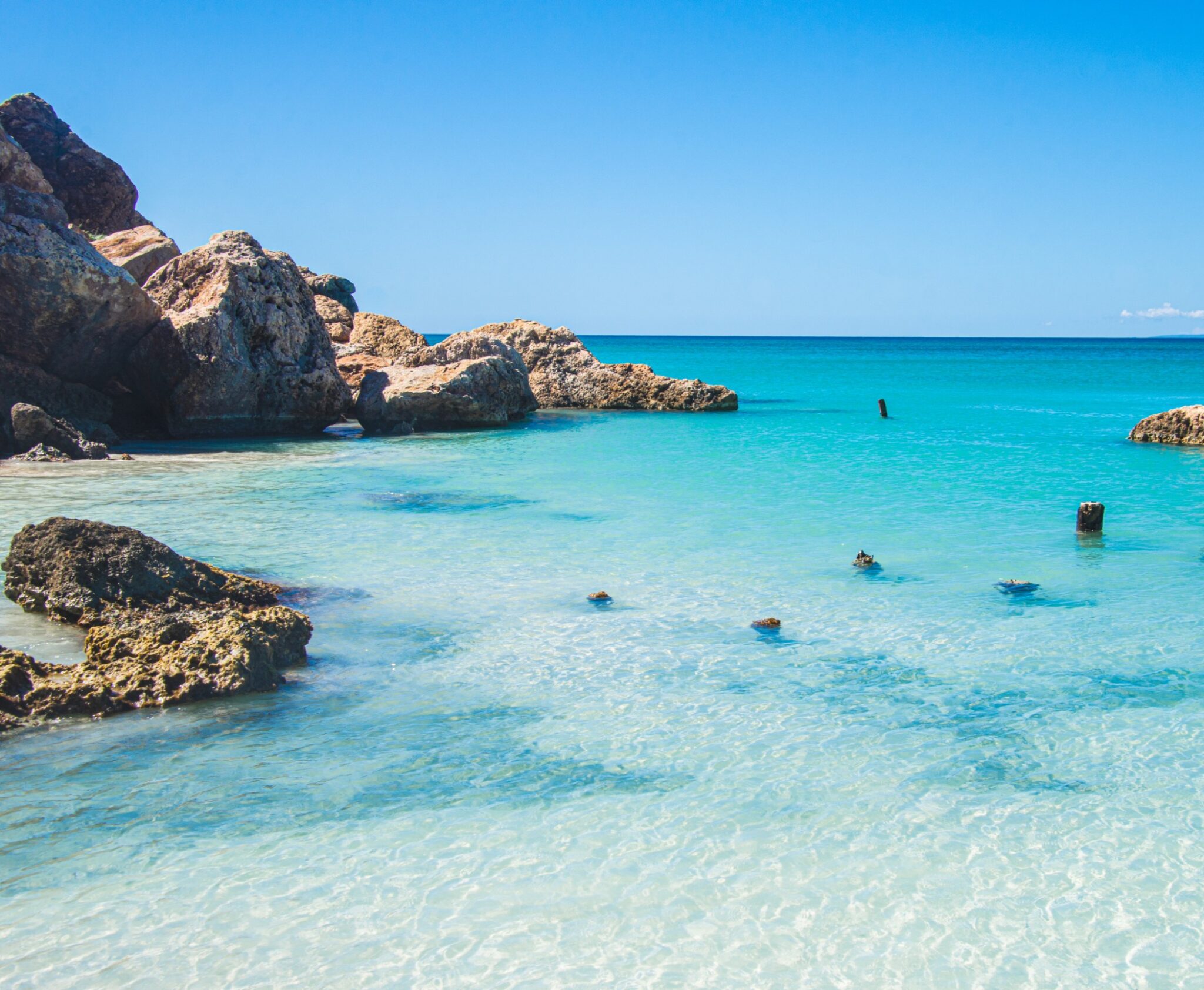
On the west coast, Rincón offers a mix of easy shore diving and impressive offshore reefs.
Reserva Marina Tres Palmas in Rincón is known for its elkhorn coral, macro life and occasional dolphin visits.
Desecheo Island is a 35-minute boat ride from Rincón. Visibility is excellent year-round, because the entire island is a national wildlife refuge. Many of Desecheo’s 24 dive spots are among the best dive sites in Puerto Rico, but here are some local favorites.
- Candyland: A dive site bursting with color, named for the colorful children’s game.
- Yellow Reef: The caves and ravines here are filled with fish, barracuda, southern stingrays and occasional turtles.
- Las Cuevas: This dive site is named for the multitude of caverns, arches and other swim-throughs.
Aguadilla
In the northwest corner of Puerto Rico, the town of Aguadilla is home to one of the best shore diving sites in Puerto Rico. The collapsed military pier on Crash Boat Beach (Crash Boat Pier) is great for critter spotting day and night. Divers with a keen eye can spot frogfish and seahorses. But don’t forget to look out in the blue for turtles and tarpon.
El Natural is another great dive site in Aguadilla. It has a maximum depth of only 12 meters/40 feet and is a good place to see hawksbill turtles, stingrays and nurse sharks. The entry point can be hard to find, so it’s a good idea to hire a dive guide.
Dive Into Puerto Rico
Ready to book a scuba diving adventure in Puerto Rico? Contact a PADI Dive Center or Resort or PADI Travel®.