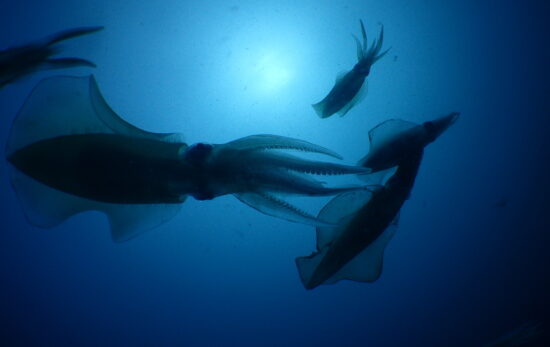
Surrounded by ocean on all sides, Japan boasts a wide range of unique dive destinations. Many of them are closer than you might think — including the Boso Peninsula in Chiba Prefecture, which can be reached in just about two hours from central Tokyo. With the convenience of the Tokyo Bay Aqua-Line, access is even easier, making this area a favorite among divers based in the capital region.
The southern coast of the peninsula is where most dive sites are located, and one of Boso’s greatest appeals is the contrast between the two coasts. The Pacific side (Sotobo) faces the open ocean and is strongly influenced by the warm Kuroshio Current. This creates dynamic underwater conditions, with powerful topography and frequent appearances by schooling pelagic fish. Meanwhile, the Tokyo Bay side (Uchibo) is sheltered and calm, but thanks to favorable currents, it also hosts a surprising variety of marine life, including many seasonal tropical species. The biodiversity and accessibility of this region make it a rewarding destination for divers of all levels.
Read on to learn more about the top diving spots in the Boso Peninsula.
Namegawa
Just under two hours by train from Tokyo, Namegawa is a dynamic dive destination offering a wide variety of underwater experiences. Located on the Pacific side of the Boso Peninsula, the area benefits from clear water and strong influences from both the Kuroshio and Oyashio currents. As a result, the marine biodiversity here is distinct from that of nearby Izu. You may see anything ranging from colorful nudibranchs and macro critters to schools of pelagic fish. On rare occasions, even larger visitors, like tuna and dolphins, make an appearance. The underwater terrain features dramatic drop-offs and overhangs, offering something for every diver, from beginners to seasoned pros.
Top Dive Spot in Namegawa: Maguro-ne (Tuna Rock)
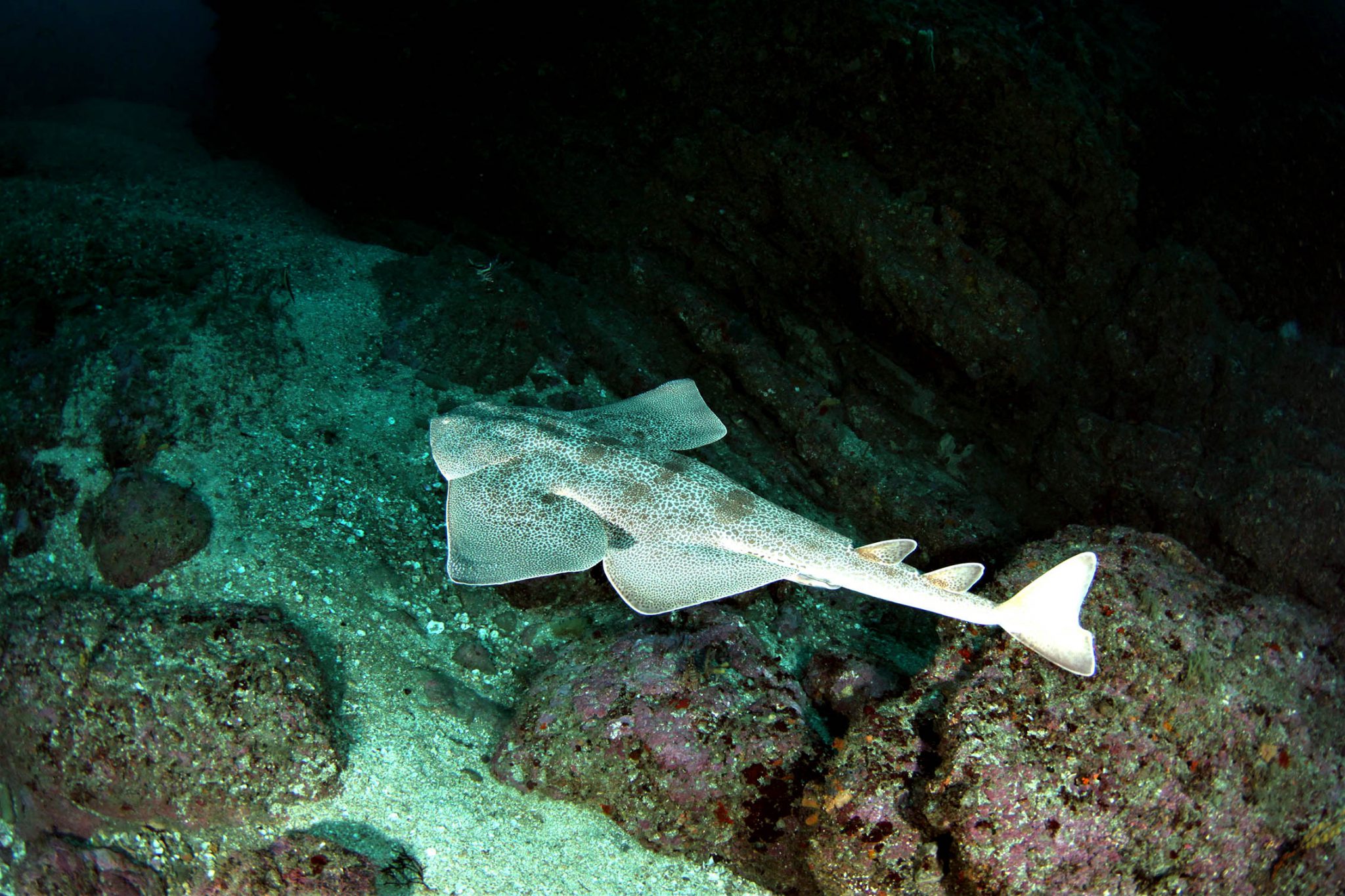
This offshore site is the signature spot of Namegawa, known for its rugged topography, large rock formations and strong currents. These conditions attract a variety of large marine life, including schools of yellowtail and amberjack. It’s also a great place to encounter sharks, like the Japanese bullhead and banded dogfish, and if you’re lucky, you might see sea turtles, too. Autumn through winter offers particularly impressive visibility and fish density, making it a favorite among experienced divers. Due to the strong currents, this site is best suited to advanced divers.
How To Get There
- By car: About two hours from Tokyo via the Keiyo and Tateyama Expressways toward Otaki/Katsuura.
- By train: About one-and-a-half hours from Tokyo Station on the limited express Wakashio line. Get off at Namegawa Island Station.
Katsuura
Located on the southeastern edge of the Boso Peninsula, Katsuura is a charming port town known for its rich natural surroundings and long-standing fishing culture. Only two hours from central Tokyo, it offers easy access to dynamic offshore diving and vibrant marine life — all shaped by open-ocean currents. The area features both boat and shore dives, with winter-only boat sites, like Umanose, drawing particular interest. Several local dive operators are available, ensuring safe and comfortable experiences for all levels of divers.
Top Dive Spot in Katsuura: Isomura
Isomura is Katsuura’s signature dive spot, famous for its dramatic underwater scenery and impressive fish density. A massive rock pinnacle rises from a pure white, sandy bottom, with so much to explore that one dive won’t be enough to see it all. Large pelagic species, like yellowtail, greater amberjack and yellowtail kingfish, frequently pass through, making for thrilling encounters. Lucky divers may even spot sea turtles or eagle rays gliding by. Look closely inside rock crevices, and you might find a Japanese bullhead shark or moray eels hiding in the shadows.
Beyond diving, Katsuura offers plenty to enjoy above the surface, from one of Japan’s oldest morning markets to coastal hot springs and a maritime museum, making it a great destination for full-day or weekend trips.
How To Get There
- By car: About two hours from Tokyo via the Keiyo Road and Tateyama Expressway toward Otaki/Katsuura.
- By train: About one-and-a-half hours from Tokyo Station on the limited express Wakashio line. Get off at Katsuura Station.

Nishikawana
Just around the bend from Cape Sunosaki and about two hours from Tokyo, Nishikawana is one of the most exciting diving areas on the southern tip of the Boso Peninsula. Fed year-round by the warm Kuroshio Current, this site is known for its impressive biodiversity and consistently high fish density.
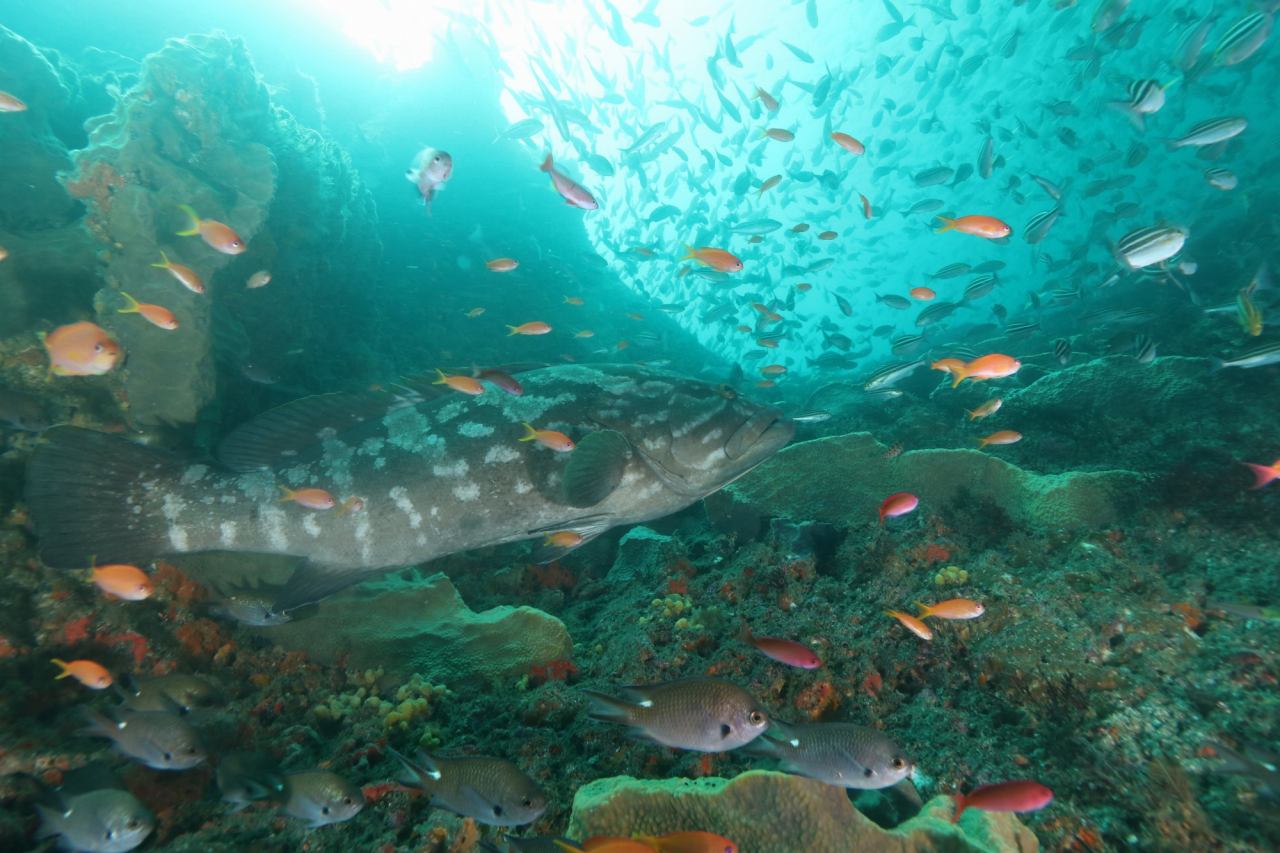
The underwater landscape is striking and varied, from rugged rock formations and sandy patches to colorful soft coral gardens. Visibility tends to be excellent thanks to strong tidal flow, and the marine life is simply spectacular. Highlights include long rows of long-barbeled grunter and the awe-inspiring schools of eagle rays that appear between May and June, sometimes numbering in the hundreds. Other year-round residents include moroko gudgeons, eels and both temperate and tropical species influenced by the Kuroshio.
Top Dive Spot in Nishikawana: Buoy A
Divers typically enter from Buoy A and head toward a dramatic rock formation known as Ōne (literally “big root”). Follow the guide rope to a narrow valley dubbed “V-shaped Canyon,” where you’re likely to spot long-barbeled grunter, moroko gudgeons, striped beakfish, scorpionfish and rockfish. In the right season, large schools of eagle rays or even groups of banded dogfish can be seen cruising through the area. Due to the often strong currents, this site is best suited for intermediate to advanced divers.
How To Get There
- By car: About two-and-a-half hours from Tokyo via the Aqua Line and Tateyama Expressway. Exit toward Tateyama, then follow Route 127.
- By train: Take the Limited Express Sazanami from Tokyo Station to Tateyama Station (about one hour and 45 min), then take a 20-minute local bus ride to the site.
Ito
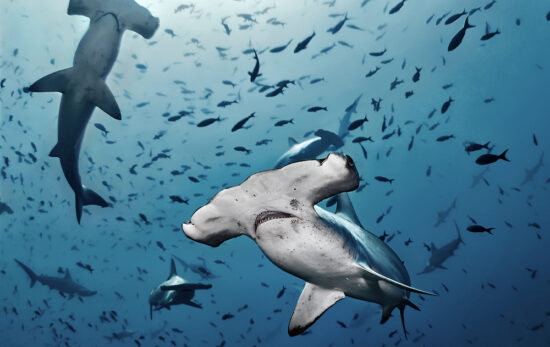
Located at the southern tip of the Boso Peninsula in Tateyama City, Ito offers some of the most thrilling shark dives in Japan. Opened to divers in 2010, this relatively new site has quickly gained international recognition for its breathtaking underwater encounters with hundreds of sharks and rays.
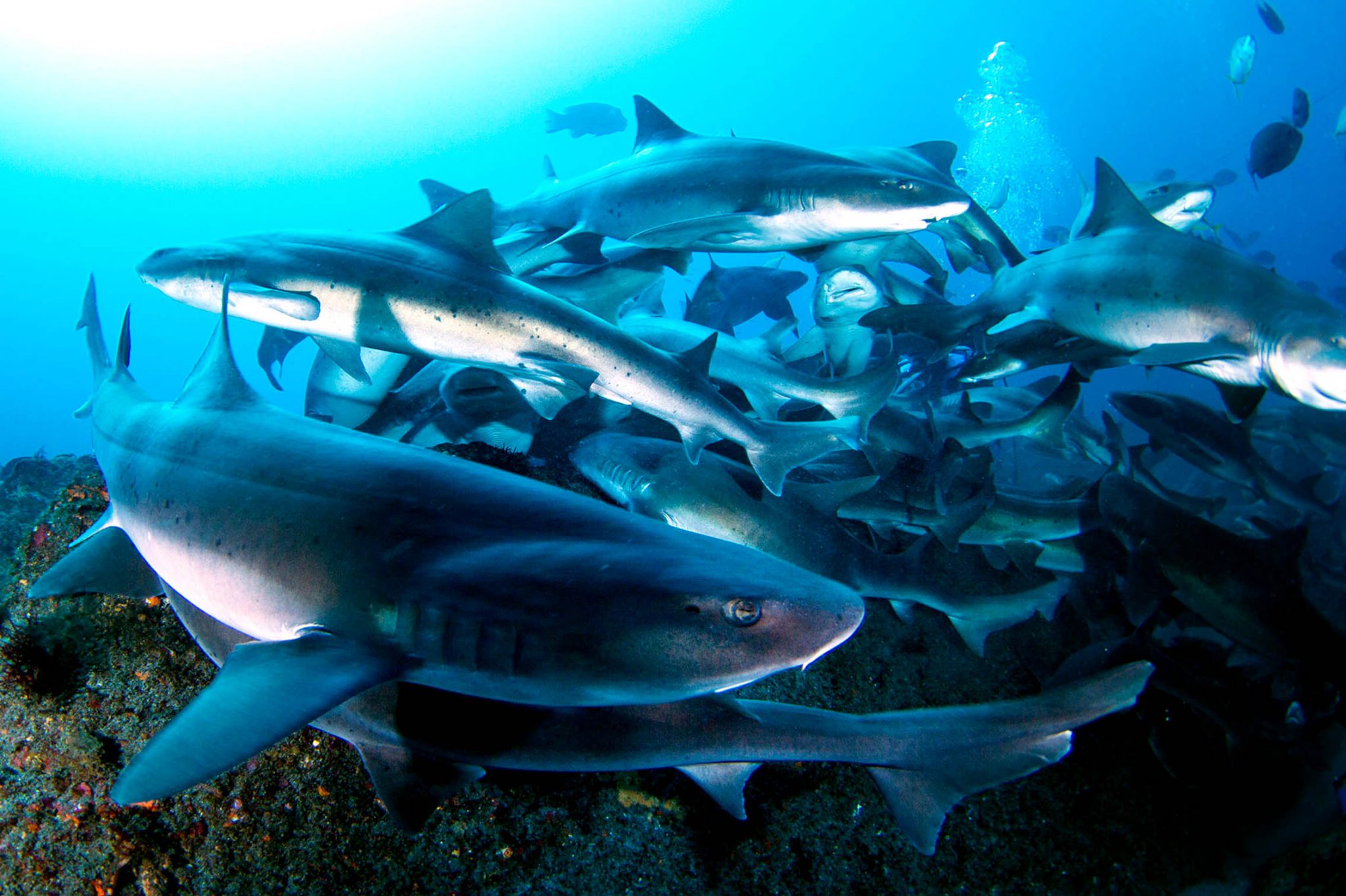
The spectacle began when the local fishing cooperative started feeding sharks to prevent them from getting caught in fixed nets. Today, divers can witness an extraordinary congregation of marine life, including banded dogfish, longtooth groupers, stingrays and Asian sheepshead wrasse. The proximity of the dive site to the harbor make it a favorite among local and international divers alike.
Top Dive Spot in Ito: Okimae-ne (Shark City)
Just a three-minute boat ride from the harbor, Okimae-ne is home to the famous “Shark City,” where hundreds of banded dogfish swirl around a roped-off area near the seabed. Divers often find themselves completely surrounded, offering a heart-pounding, unforgettable experience. Other regulars include stingrays, groupers and Asian sheepshead wrasse. From January to March, you may even spot diving Japanese cormorant plunging as deep as 20 meters (65 feet) to hunt for fish, a rare and fascinating sight.
How To Get There
- By car: About two hours and 15 minutes from Tokyo. Take the Tateyama Expressway to Tomiura IC, then follow Route 127 and Prefectural Route 297.
- By train: Take the Limited Express Sazanami from Tokyo Station to Tateyama Station (approximately one hour and 45 minutes), then transfer by bus or taxi.
Kenbutsu
Located along the scenic Boso Flower Line just beyond central Tateyama, Kenbutsu sits at the entrance of Tokyo Bay and offers a rich variety of marine life influenced by the Kuroshio Current. This quiet dive area is easily accessible, with both beach and boat diving options available, as well as nearby accommodations and express bus stops. Calm conditions make it an ideal spot for beginners and returning divers, while sites like “Triangle,” a kelp forest, “Goby’s Point,” known for its gobies, and a shallow beach area used for training offer a variety of underwater experiences. From summer through autumn, tropical species also begin to appear, making it a great location for relaxed fish watching.
Top Dive Spot in Kenbutsu: Triangle
Just a few minutes from the port, this site reaches a maximum depth of around 7 meters (23 feet) and is typically free of strong currents, perfect for first-time boat divers. A rocky area lies offshore from a sandy seabed, where several types of coral can be found. You’ll often see charming species, like the threespot dascyllus and clownfish, during the warmer months. It’s also an excellent site for refreshing your skills after a break from diving.
How To Get There
- By car: Approximately one hour and 45 minutes from Tokyo via the Tateyama Expressway (exit at Kyonan-Hota IC) and Route 127.
- By train: Approximately one hour and 50 minutes from Tokyo Station via the Sazanami limited express to Awa-Katsuyama Station, then a bus or taxi from the station.
Banda
Located in the city of Tateyama at the southern tip of the Boso Peninsula, Banda is a quiet port town known for its peaceful bay, vibrant underwater life and connection to legendary freediver Jacques Mayol, who cherished the area’s natural beauty and warm-hearted locals. Thanks to the influence of the Kuroshio Current, Banda’s waters are rich with marine biodiversity, making it a popular day-trip destination for divers coming from Tokyo.
With shallow depths and gentle currents, Banda is especially welcoming to beginners and returning divers. Beneath the surface, you’ll find colorful soft coral gardens, schooling amberjack and yellowtail and even rare creatures, like rhinopias. Whether you’re into wide-angle seascapes or macro critter hunting, Banda has something to offer.
Top Dive Spot in Banda: Karoune
Located just five minutes by boat from the harbor, Karoune is a hidden reef known for its floral-like soft corals and swarms of fish. Large schools of sea bass and amberjack as well as massive clouds of silver-stripe round herring make this a thrilling spot for underwater photography. It’s also where the rare rhinopias was once spotted, adding to its appeal among macro enthusiasts. The seafloor is covered with colonies of sea pens, another unique highlight of the site.
How To Get There
- By car: About one hour and 40 minutes from Tokyo via the Tateyama Expressway (Kyonan-Hota IC) and Route 127.
- By train: About one hour 45 minutes on the Sazanami limited express from Tokyo Station to Tateyama Station, followed by a bus or taxi.

Hazama
Located at the entrance of Tokyo Bay, Hazama offers divers access to one of Boso Peninsula’s most iconic underwater experiences. Its biggest draw is the underwater shrine at the popular dive site Takane, where a towering torii gate and the submerged altar of Susaki Shrine create a surreal and sacred seascape. While once known for Yoriko, the legendary friendly Asian sheepshead wrasse, today other sheepshead wrasses continue to inhabit the area, offering exciting encounters for divers.
Hazama’s calm waters — sheltered by nearby mountains and capes — make it accessible year-round. In addition to the shrine, divers can enjoy fish-attracting blocks covered with soft corals, creating a vibrant habitat teeming with marine life, and divers can visit nearby “Mola Mola Land,” where sunfish occasionally appear in season. From macro creatures, like gobies and nudibranchs, to large groupers and banded dogfish, Hazama offers something for everyone.
Top Dive Spot in Hazama: Takane
Just a short boat ride from the port, Takane is famous for its sacred underwater torii and altar resting about 15 meters (49 feet) below the surface. The shrine is surrounded by diverse marine life, including Asian sheepshead wrasses, longtooth groupers, striped beakfish and vibrant fields of sea pens. The calm conditions and spiritual atmosphere make it a memorable dive for beginners and experienced divers alike.
How To Get There
- By car: Approximately two hours from Tokyo via the Tateyama Expressway (Tomisaki IC) and Route 127.
- By train: About one hour 45 minutes from Tokyo Station to Tateyama Station via the Sazanami limited express, then a bus or taxi.

Katsuyama
Just 90 minutes from central Tokyo, Katsuyama is a scenic, coastal town on the Boso Peninsula with easy access via the JR Uchibo Line, highway bus or Tokyo Bay Ferry. Also known by the nickname “Kacchama” — derived from the local dive shop — this area offers a year-round diving experience in the nutrient-rich waters of Tokyo Bay, influenced by the Kuroshio Current.
Diving points are centered around Ukishima, a small offshore island, and the nearby rocky outcrops of Dai-Bokke and Sho-Bokke. These spots are sheltered from wind and swell, making conditions relatively calm and accessible throughout the year. Underwater, you’ll find vibrant soft corals, schools of pelagic fish and even tropical species in season.
Top Dive Spot in Katsuyama: Senju Drop
One of Katsuyama’s signature dive spots is Senju Drop, which features dramatic underwater topography of steep rock walls covered in whip corals and sea fans. The name comes from the resemblance of these branching corals to the many arms of the Senju Kannon (Thousand-Armed Goddess of Mercy). The wall is home to a variety of macro life, like nudibranchs, as well as occasional sightings of Japanese bullhead sharks and stingrays. This is a great site for both underwater photographers and those who enjoy topographic diving.
How To Get There
- By Car: About one-and-a-half hours from Tokyo via the Tateyama Expressway and Route 127.
- By Train: Around one hour and 50 minutes from Tokyo Station via the JR Uchibo Line to Awa-Katsuyama Station, then a 10-minute walk to the harbor.
Whether you’re drawn to the thrilling shark encounters, the calm and colorful shallows or the one-of-a-kind underwater archaeology dives, the Boso Peninsula offers something for every diver. Its easy access from Tokyo makes it the perfect escape for a day trip or weekend getaway beneath the waves.
To make the most of your adventure, connect with a local dive shop in the area. Their expertise and guidance will ensure memorable dives tailored to your experience level.
Ready to discover Japan’s underwater treasures? Book your dives today and explore the best of the Boso Peninsula with the PADI Professionals who know it best.