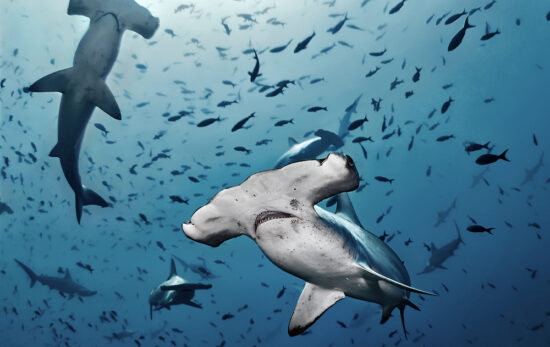
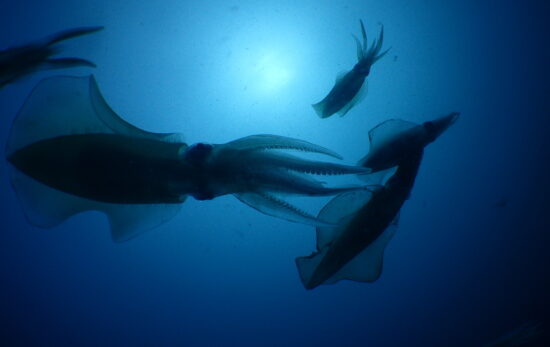
Surrounded by ocean on all sides, Japan offers a wide variety of unique diving destinations — many of which are easily accessible for day trips. Among them, the western coast of the Izu Peninsula stands out for its rich marine biodiversity and dramatic underwater landscapes.
Recognized as one of Japan’s premier diving regions, the Izu Peninsula attracts divers from all of Japan, including the Kanto and Tokai regions and also from Kansai and central Japan. Dive sites are scattered along the coastline, offering everything from pelagic encounters and vibrant soft corals to thrilling topography and rare macro life.
On the western side, divers can explore the deep waters of Suruga Bay, Japan’s deepest bay, while enjoying the benefits of the warm Kuroshio Current. The area is known for its relaxed vibe, spectacular views of Mt. Fuji and slower pace compared to the east coast, making it ideal for divers seeking both adventure and serenity.
Kumomi
Located at the southernmost tip of West Izu, Kumomi is a diver-friendly destination known for its dramatic underwater terrain and diverse marine life. With well-equipped dive facilities and calm conditions, it’s ideal for both adventurous exploration and relaxed marine observation.
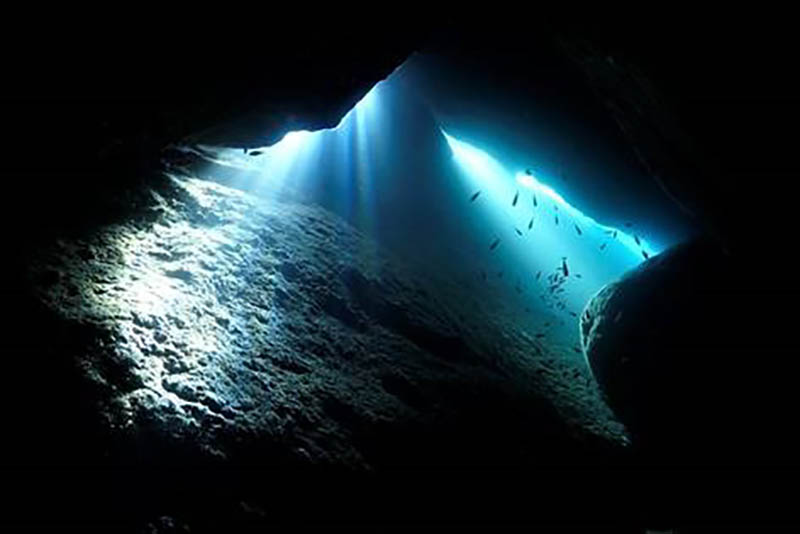
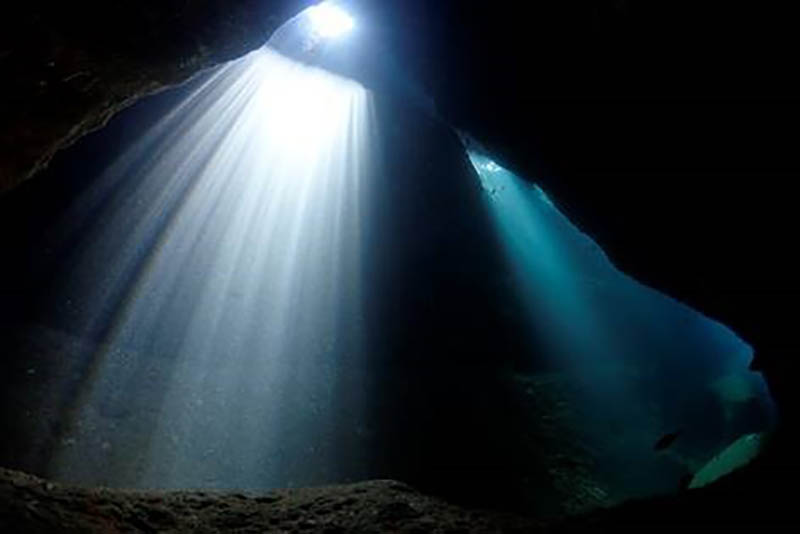
Kumomi is especially popular for its unique topography. Underwater arches, caves and tunnels of all sizes create stunning contrasts of light and shadow. Some cave openings even let divers surface inside, where sunbeams stream in from above, creating magical scenes. Dense schools of fish, like cardinalfish, gather along the rock walls and inside the caves, while pelagic species, such as amberjack and yellowtail, often appear outside the reef chasing baitfish. The area also is home to popular macro critters, like frogfish and seahorses, making it a favorite for underwater photographers and marine life lovers alike.
Top Dive Site: Ushitsuki-Iwa (Cow Rock)
Just a two-minute boat ride from the harbor, this site features rugged underwater topography with drop-offs, tunnels, arches, vertical shafts and caves. Schools of sweepers fill the cave interiors, while a bright, sandy bottom in the “Outside” area gives a sense of weightless freedom as you drift through the water. With the perfect mix of caves, sand, fish and macro life, every dive at Ushitsuki-Iwa offers a new experience. Its balance of stunning scenery and biological richness makes it a must-visit site in West Izu.
How To Get There
By car: About three hours 40 minutes from Tokyo via the Tomei Expressway → Numazu IC → Izu-Jukan Expressway → Route 136 through Matsuzaki to Kumomi.
By train: About 55 minutes by Shinkansen from Tokyo to Atami Station → about 90 minutes via Izu Kyuko Line to Shimoda Station → then a 50-minute bus to Matsuzaki Terminal. Finally, transfer and ride about 20 minutes to Kumomi.
Futo
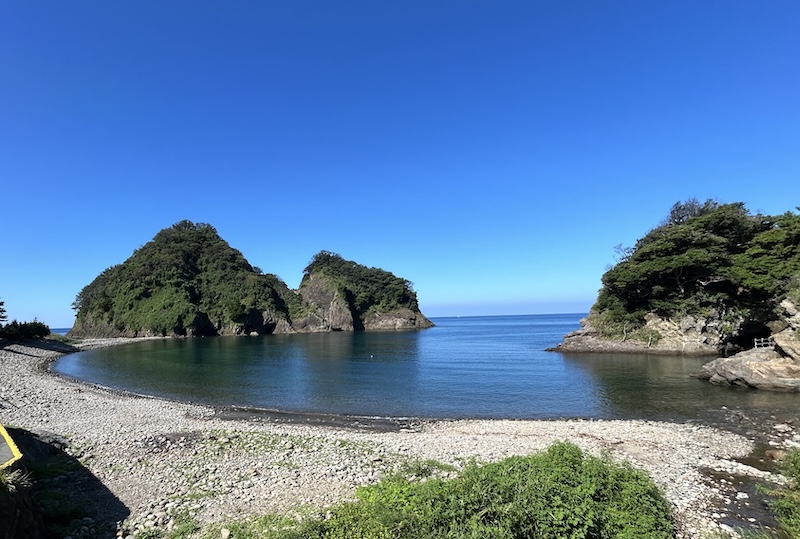
Located along the beautiful coastline of Nishi-Izu, Futo is a scenic diving destination that’s also popular for swimming, tide-pooling and its breathtaking sunset views. With minimal development in the area, it offers pristine night skies, perfect for stargazing and spotting the Milky Way.
The beach is home to rare underwater volcanic formations, allowing for unique geo diving experiences. Futo is also famous as a “nudibranch paradise,” with nearly 20 species observable in a single dive and over 250 species documented annually. The area features captivating underwater terrain, including caves, crevices and arches, making it ideal for both macro and wide-angle diving. From summer to autumn, boat diving reveals schools of yellow-striped butterfish in mesmerizing tornado formations. With a calm and private atmosphere, Futo is perfect for relaxing, unhurried dives.
Popular Dive Site: Futo Beach
This calm bay offers easy beach access with maximum depths of 12 to 13 meters (40 to 43 feet) and virtually no current, making it ideal for beginners and self-diving. The seafloor showcases traces of a five-million-year-old submarine volcano, with arches, tunnels and holes scattered across the site for unique geo-themed diving.
The broad sandy areas are dotted with artificial reefs and guide ropes for safe exploration. Futo’s biggest attraction is its nudibranch diversity, earning it national fame, with rare species making frequent appearances. Crustaceans and reef fish are also abundant, making it a top destination for underwater photography.


How To Get There
By car: Approximately three hours from Tokyo. Take the Tomei Expressway → Numazu IC → Route 136 via Matsuzaki to Futo.
By train: Take the Shinkansen from Tokyo to Mishima Station (approx. one hour). Transfer to the Izu-Hakone Railway to Shuzenji Station, then take a bus (approx. 100 minutes) to Matsuzaki Bus Terminal. Transfer for another 20 minutes to Futo.
Tago
Located on the southwestern coast of the Izu Peninsula, Tago faces the deep waters of Suruga Bay and is renowned for its spectacular boat diving. Most dive sites are within a 10-minute ride from the harbor, and since boats return to port after each dive, it’s an ideal destination for those concerned about seasickness or who prefer a relaxed pace.
Dive sites in Tago are categorized into two areas:
- The Outer Sea – known for dramatic underwater topography and dense schools of fish
- The Inner Sea – featuring calm conditions, breathtaking soft coral and Acropora coral formations
One of the most famous sites is Futone, a submerged pinnacle ranging from eight to 40 meters (26 to 130 feet) deep, where you’re surrounded by intense fish activity and vibrant coral growth. Other top sites include Shirasaki, known for its lush branching coral beds, and Bentenjima, a hotspot for frogfish and crustaceans. Between May and September, Tagojima Island is open to divers, offering a chance to see large pelagics and flourishing soft corals.
Tago is also famous for its stunning sunsets, ranked among the “Top 100 Sunset Views in Japan.”
Featured Dive Site: Futone
Futone is a boat dive site for intermediate to advanced divers, famous for its towering submerged rock formations that rise from 40 meters (130 feet) to just below the surface. Crevasses and dramatic topography are covered in soft corals and sea fans, and they are swarmed by schools of yellowstriped butterfish, grunts and Japanese cherry anthias.
From autumn onward, the site sees visits from larger pelagic fish, such as amberjack and yellowtail. Looking up from the seabed, the thick layers of fish create a mesmerizing curtain of marine life. Due to occasional strong currents, divers should have solid buoyancy control. Whether you’re into wide-angle photography or macro life, Futone delivers one of the most dynamic dive experiences in western Izu.
How To Get There
By car: About three hours from Tokyo. Take the Tomei Expressway → Numazu IC → Route 136 → Nishi-Izu Bypass to Tago.
By train: About one hour on the Shinkansen from Tokyo to Mishima Station. Transfer to the Izu-Hakone Railway to Shuzenji Station, then take a 100-minute bus to Matsuzaki Bus Terminal. Transfer again for a 20-minute ride to Tago.
Koganezaki and Arari
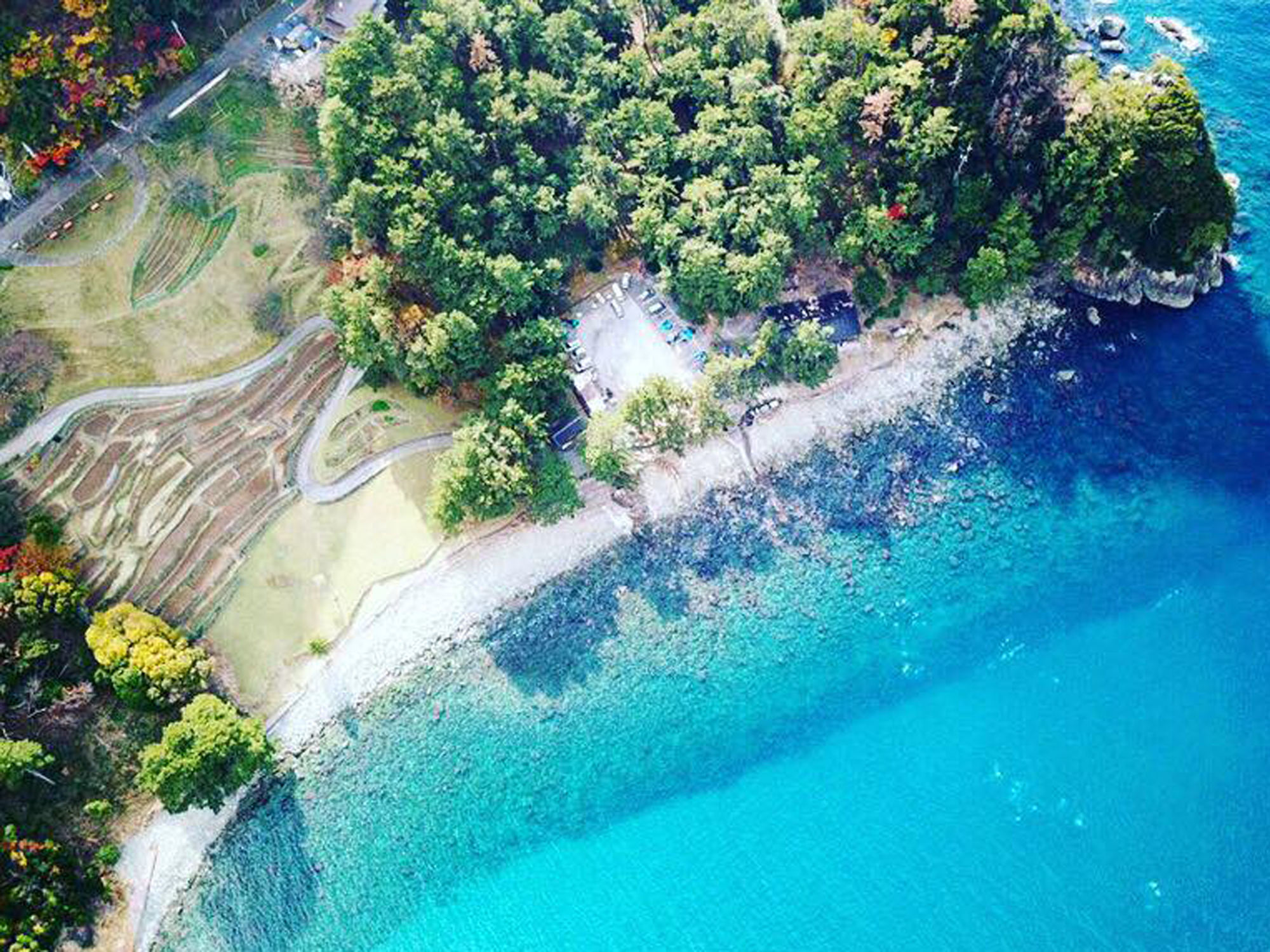
Located in one of the most scenic parts of Nishi-Izu, Koganezaki and Arari offer a perfect balance of beach and boat diving, attracting divers of all levels. The Koganezaki Park Beach dive site is situated next to a grassy seaside park, offering postcard-perfect views both above and below the surface. The seafloor here is covered in white sand and teeming with macro marine life, including a wide variety of nudibranchs, shrimp and crabs, making it a top spot for underwater photographers and critter hunters.
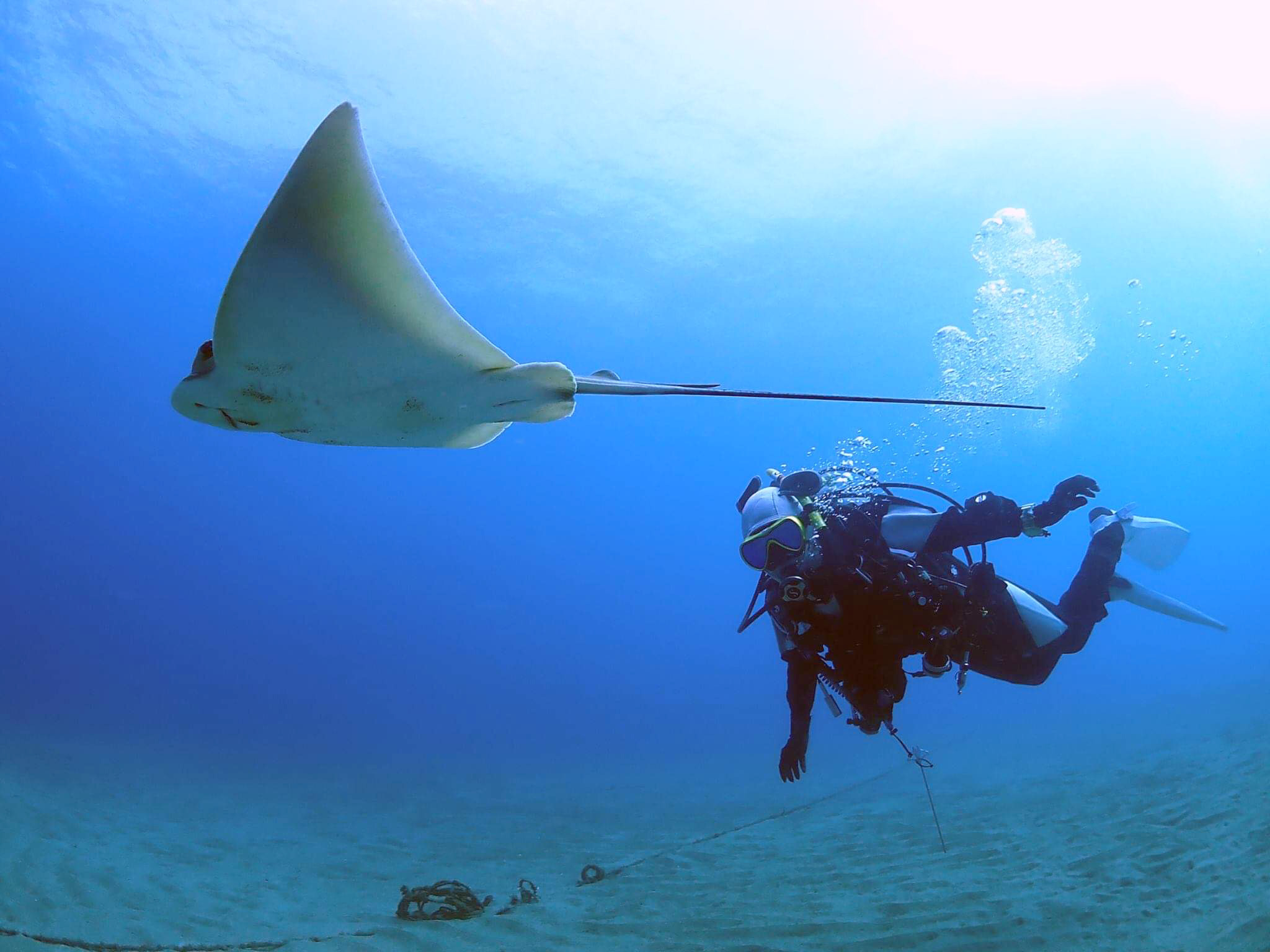
The calm conditions throughout the year make it an excellent site for beginner training and relaxed dives. Boat dive sites are also easily accessible — just five to eight minutes from the port — offering dynamic underwater experiences. In early summer, schools of eagle rays are a seasonal highlight, and mola mola (sunfish), sea turtles and even hammerhead sharks have been spotted on occasion.
Come autumn, the sheer density of fish creates an underwater wall of movement, perfect for wide-angle dives. With well-equipped facilities and a resort-like atmosphere, Koganezaki and Arari provide both comfort and excitement in one unforgettable dive destination.
Popular Dive Site: Koganezaki Park Beach
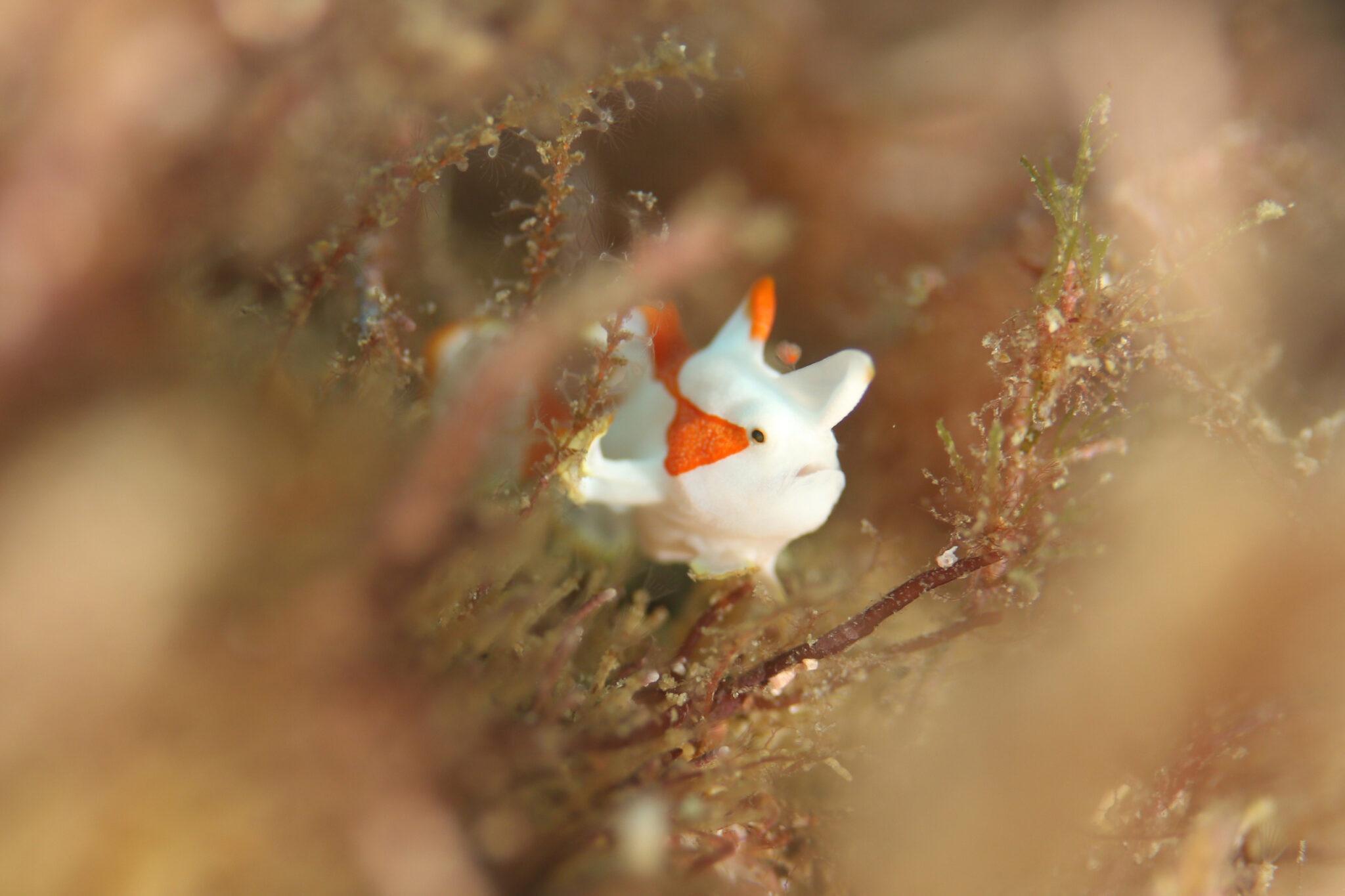
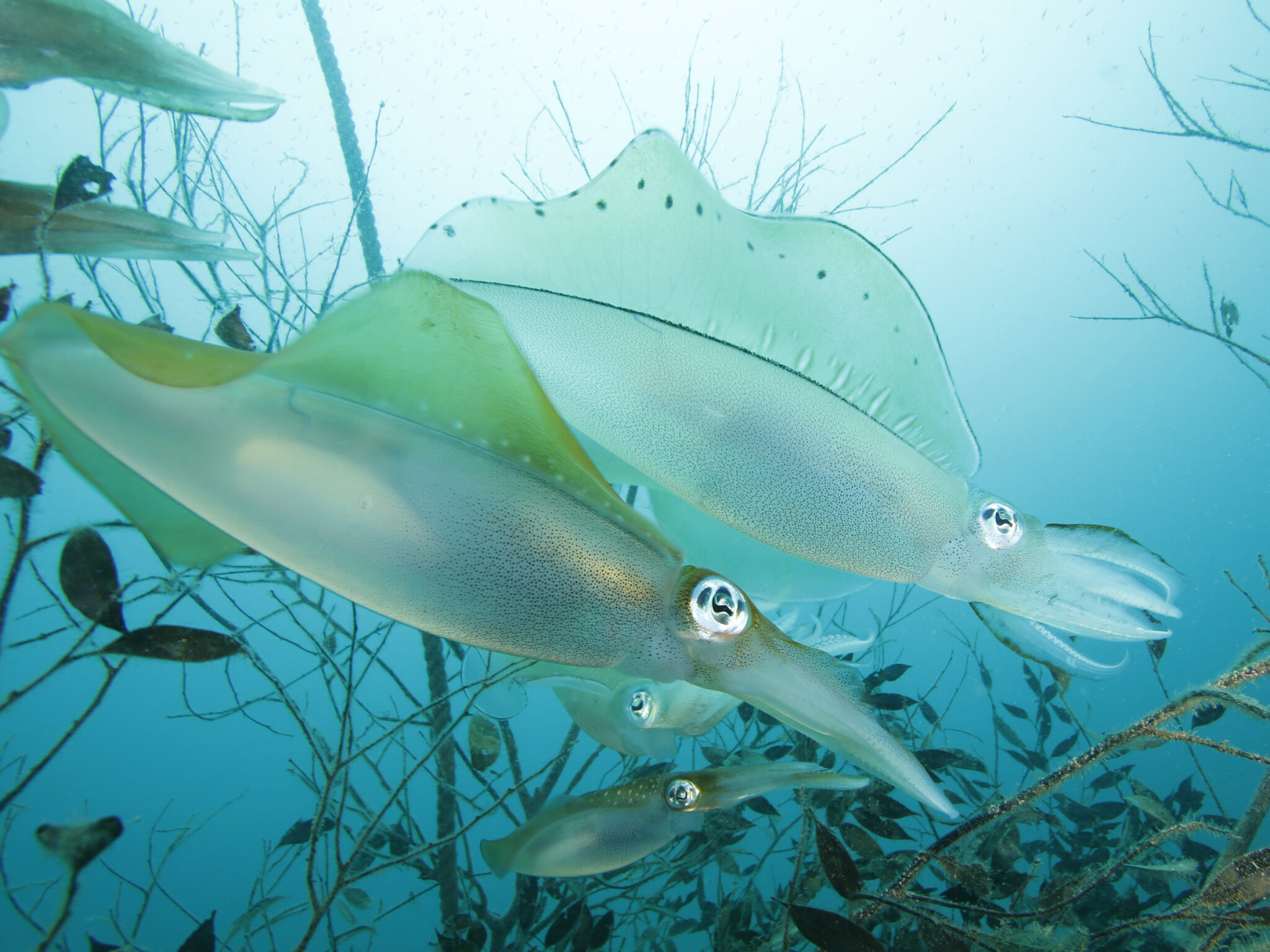
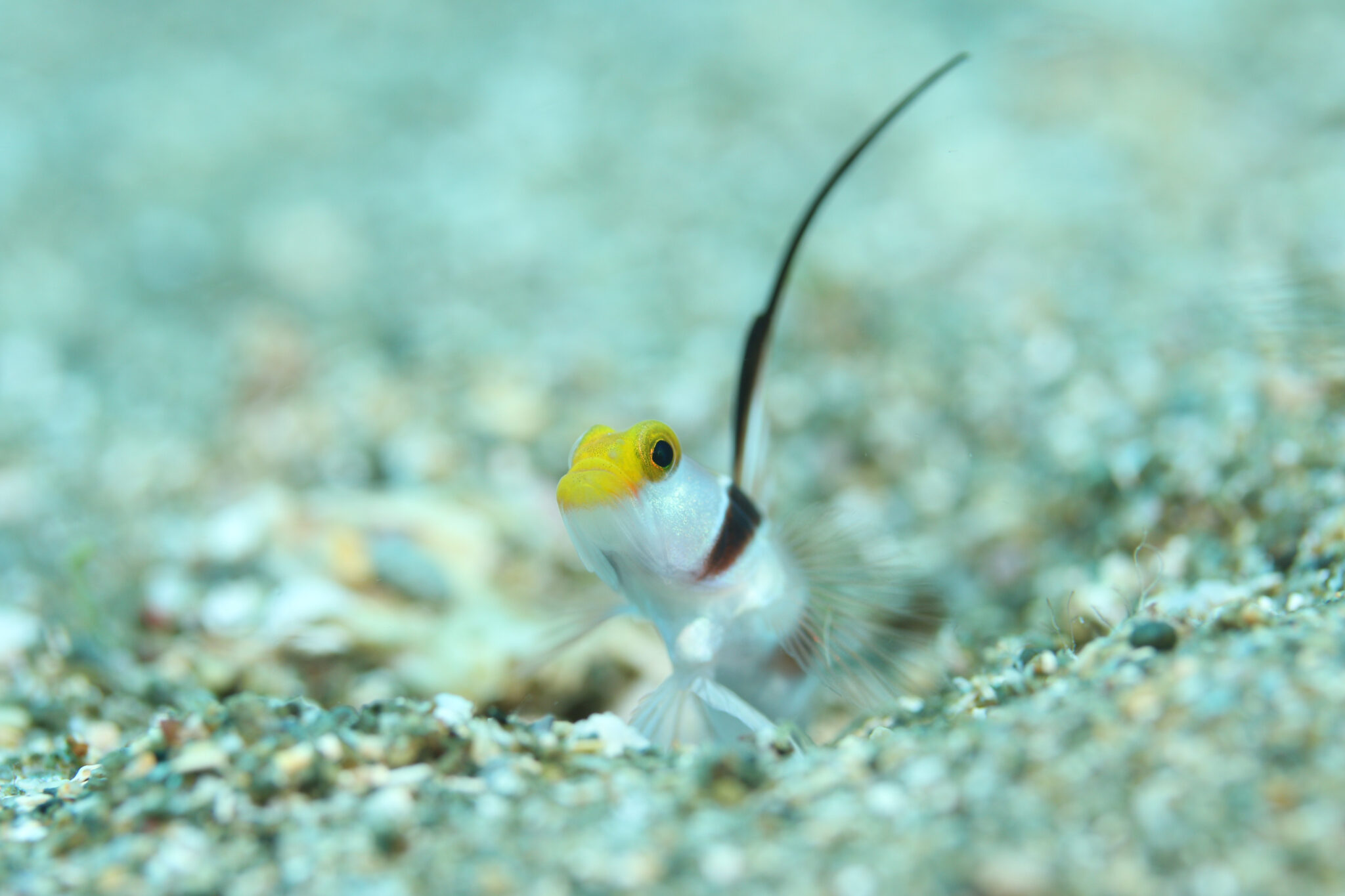
Koganezaki Park Beach features a calm, sandy cove with consistently stable ocean conditions year-round. With depths ranging from five to 18 meters (16 to 59 feet) and very little current, it’s suitable for divers of all levels, from beginners to experienced. The white, sandy bottom, rare in western Izu, is home to species like the yellownose prawn-goby and the warty frogfish. In spring, divers have a high chance of encountering the paintpot cuttlefish. During early summer, small eagle rays appear, while in autumn, schools of amberjack may be spotted. The facilities are also well-equipped, offering spacious rest areas and a hot bath you can enjoy without removing your wetsuit, ensuring a comfortable diving experience.
How To Get There
By car: Approximately two hours and 30 minutes from Tokyo. Take the Tomei Expressway to the Numazu IC, then follow Route 136 via the Nishi-Izu Bypass to reach Koganezaki/Arari.
By train: About one hour by Shinkansen from Tokyo Station to Mishima Station. Transfer to the Izuhakone Railway and ride to Shuzenji Station. From there, take a bus for approximately 90 minutes.
Toi
Toi is a versatile diving area offering something for everyone, from beginners to experienced divers. The northern Yagisawa area features calm waters that are less affected by the weather, making it ideal for novice divers. In contrast, the southern Koshimoda area is suited for advanced divers, with more challenging sites that showcase dynamic underwater topography and dense schools of fish. You’ll find sunken wrecks, artificial reefs and colorful soft coral gardens, all creating a peaceful, otherworldly underwater landscape.
In addition to easy-entry beach diving, the area boasts a wide range of boat dive sites where you can enjoy everything from macro photography to wide-angle scenes of fish shoals. Limited-time-only sites, such as Takanosu and Tobishima Offshore Part II, are also worth exploring.
Featured Dive Site: Torizaki Bay
This calm site is sheltered from the wind, with both sandy and rocky terrain and a gently sloping bottom. With a maximum depth of 25 meters (82 feet) and consistently stable conditions throughout the year, it’s ideal for training and introductory dives.
In the sandy areas, you may spot creatures like the yellownose prawn-goby, yellow pigmy goby and filament-finned prawn-goby. In the fall, juvenile yellow boxfish, ghost pipefish and ornate ghost pipefish occasionally appear, carried in by the Kuroshio Current.
The rockier areas are teeming with life, including frogfish, blennies and butterflyfish, making the site a favorite for underwater photographers. Plus, you can even enjoy wreck diving from a beach entry point, an added bonus.
How To Get There
By car: Approximately two hours and 30 minutes from Tokyo. Take the Tomei Expressway to Numazu IC, then follow Route 136 via the Nishi-Izu Bypass to Toi.
By train: About one hour by Shinkansen from Tokyo Station to Mishima Station. Transfer to the Izuhakone Railway and ride to Shuzenji Station. From there, take a bus for approximately 50 minutes.
Ita
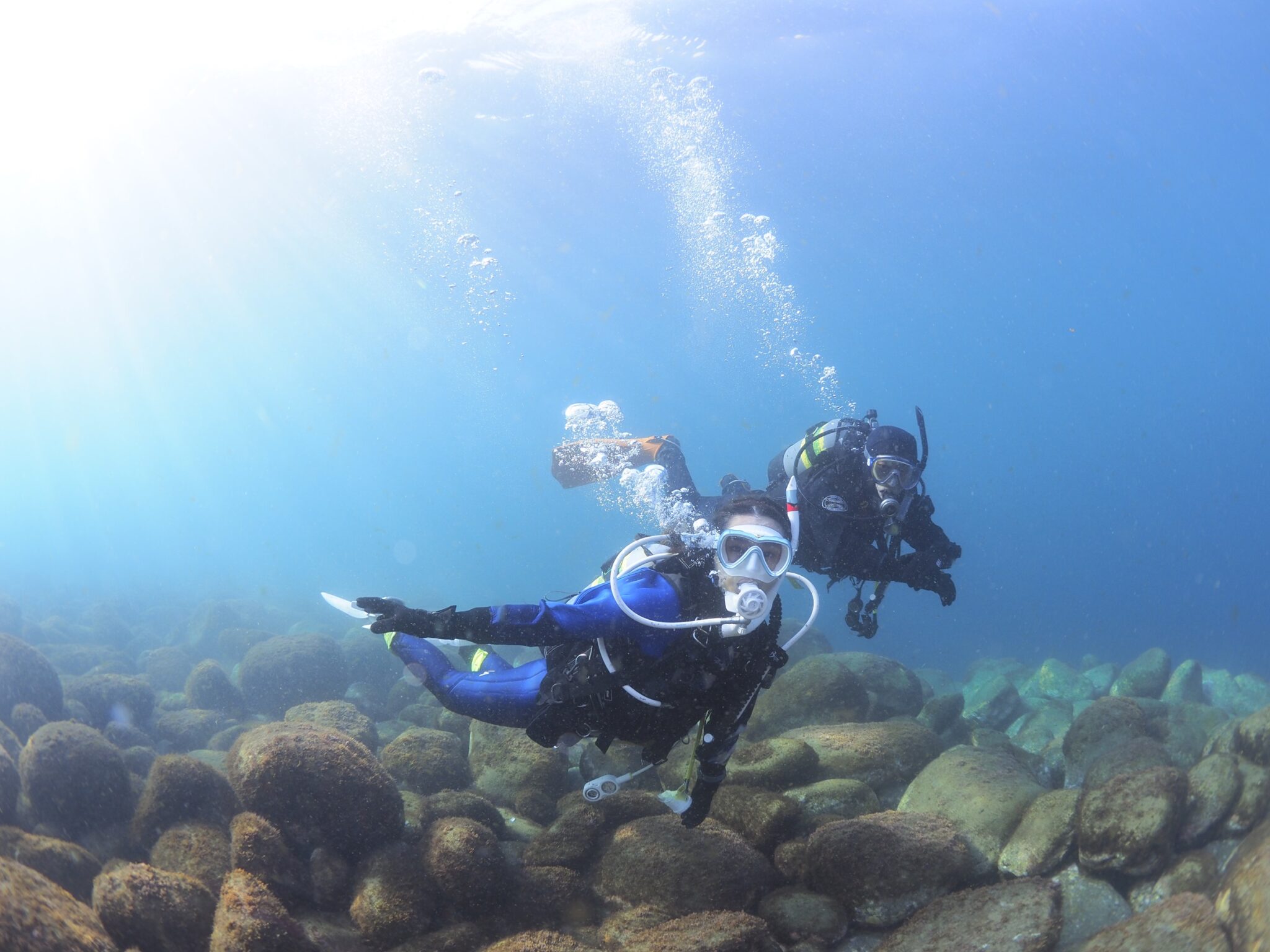
Located on the western coast of the Izu Peninsula, Ita is a serene diving destination surrounded by lush mountains and the sea. Thanks to its excellent water circulation, it boasts consistently high visibility throughout the year, earning the nickname “Ita Blue” for its stunning shades of deep blue. The beach-entry dive area spans approximately 200 meters (656 feet), offering ample space to explore at your own pace.
The steep underwater terrain is home to abundant marine life. In spring, juvenile fish can be seen growing among the seaweed, while in autumn, vast schools of yellow-striped fusiliers sweep through the area. During late fall and winter, dense swarms of blackspot cardinalfish create a spectacular scene. With a rich variety of marine creatures, Ita is especially beloved by macro photography enthusiasts. The peaceful local village, with its nostalgic charm, makes Ita an inviting destination for both beginner and seasoned divers.
Featured Dive Site: Ita Beach
Set against a backdrop of Mount Fuji to the north, this beach dive site offers prime diving conditions. With a rocky shoreline (no sandy beach), the water remains remarkably clear year-round, earning the reputation of “Ita Blue.” The open water and strong current flow attract both schooling pelagic fish and a wide range of macro marine life.
From summer through fall, divers may encounter rare species, such as warty frogfish and schooling bannerfish. In winter, nudibranchs become more abundant, making it a macro diver’s paradise. The beach entry is easy, and the 200-meter-wide (656-feet-wide) site features diverse underwater topography from shallow areas to deeper slopes. Its versatility makes it a popular site for divers of all experience levels, offering vibrant marine life and beautiful underwater scenery year-round.
How To Get There
By car: About two hours from Tokyo. Take the Tomei Expressway to Numazu IC, then follow National Route 414 and Prefectural Route 17 to reach Ita.
By train: About one hour from Tokyo Station via the Shinkansen. Transfer to the Tokaido Main Line at Mishima Station and head to Numazu Station. From Numazu, take a bus for approximately one hour.
Osezaki
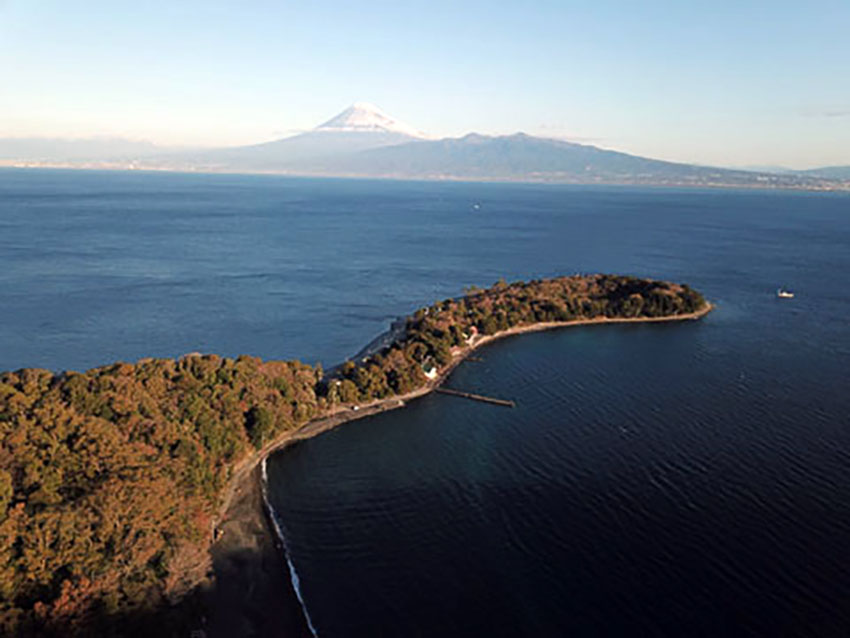
Located on the western side of the Izu Peninsula, about an hour’s drive from Numazu, Osezaki is a cape that stretches roughly 800 meters (2600 feet) into Suruga Bay. Widely regarded as one of Japan’s top diving destinations, it boasts a remarkably stable marine environment and incredible biodiversity. The main dive sites are divided into three areas: the Bay, the Cape and the Open Sea. These waters are home to everything from deep-sea creatures to megafauna, such as whales and manta rays. The bay area, in particular, is known for calm conditions that make it ideal for beginner training dives and underwater photography. With multiple dive shops available, visitors can choose from a variety of diving styles based on their experience and goals.
Beyond diving, Osezaki is also home to scenic attractions, including Ose Shrine, a nationally designated natural monument of juniper trees, and the mysterious “Kamiike” (God Pond), one of the Seven Wonders of Izu.
Featured Dive Spot: The Bay
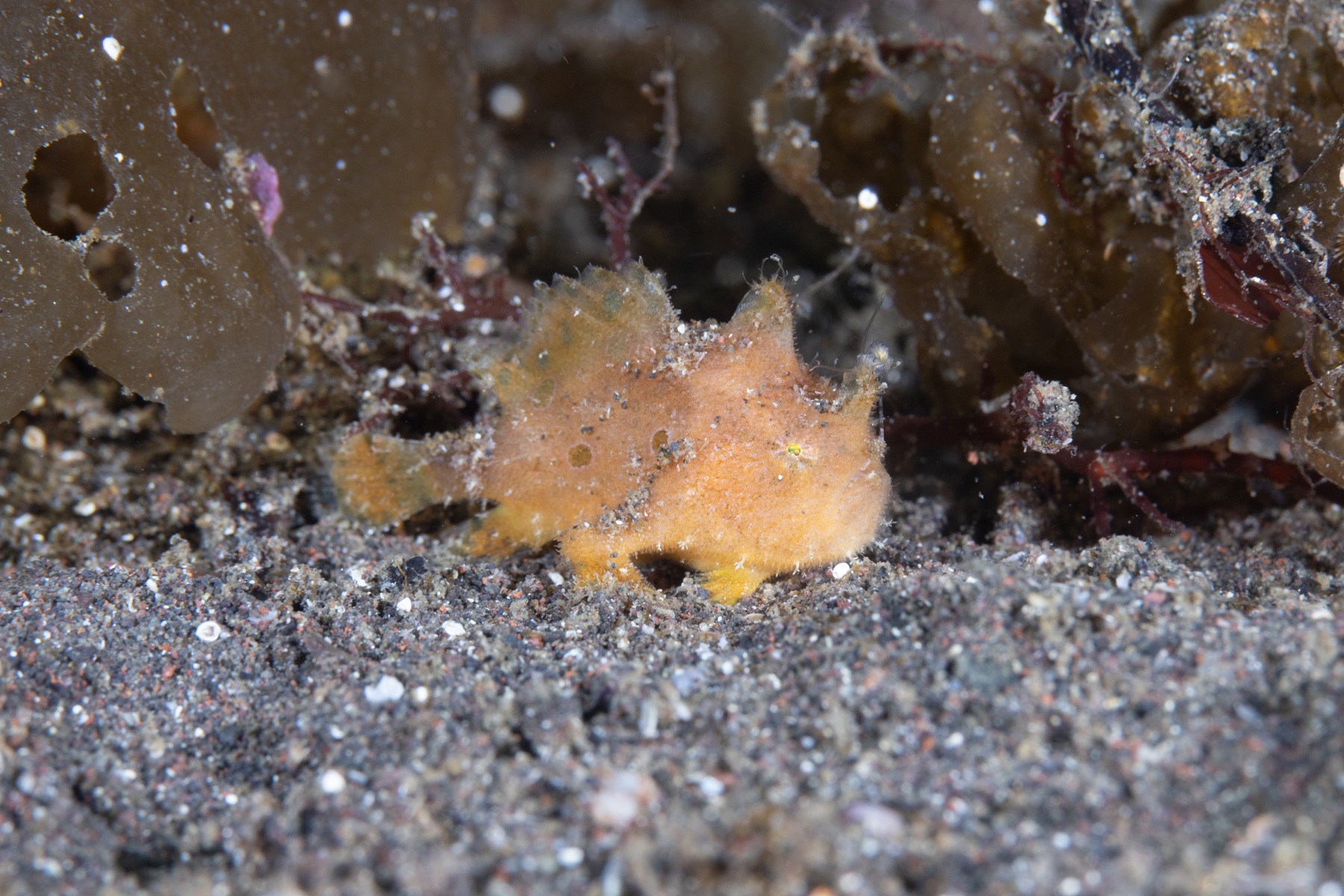
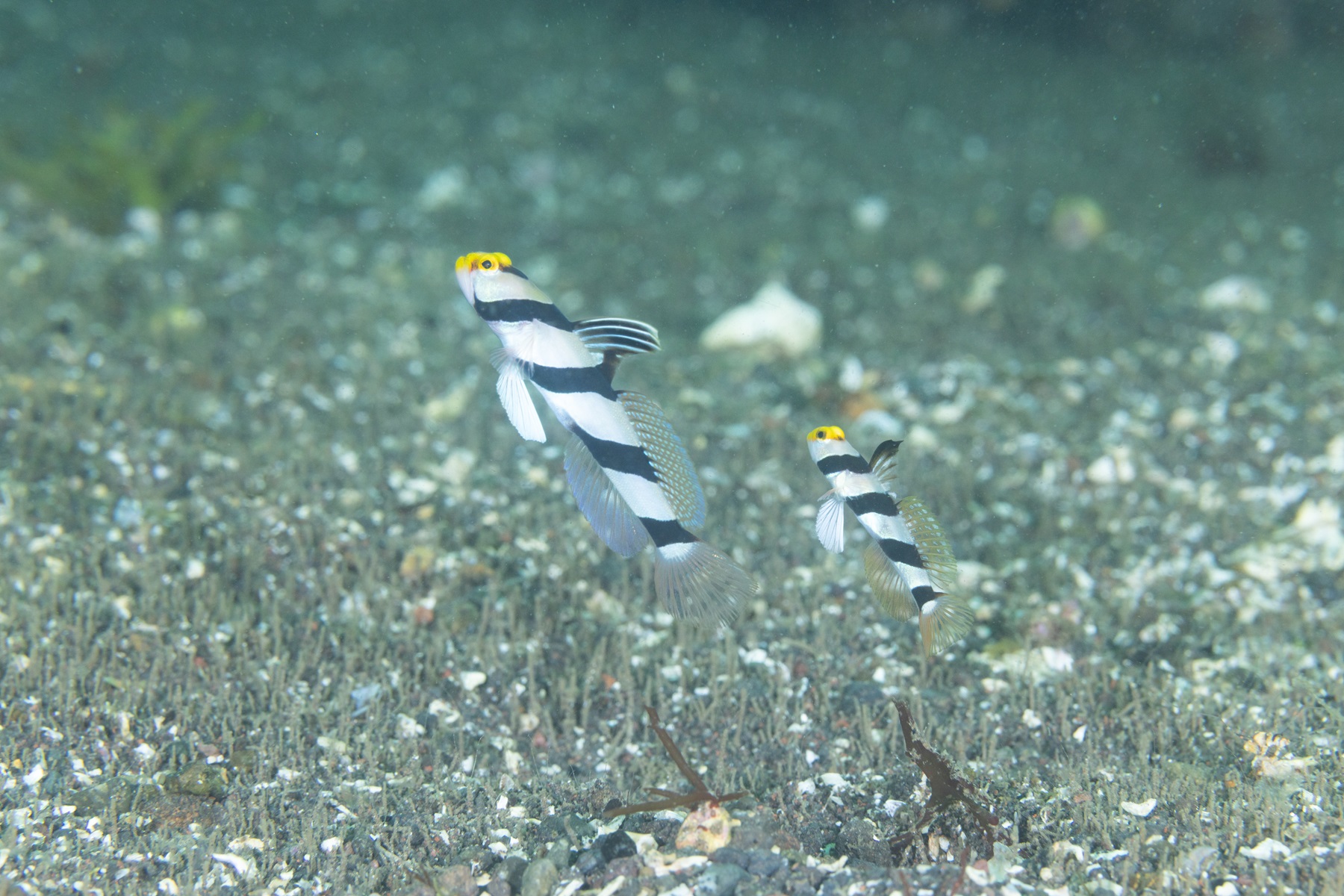
This bay entry point stretches over 200 meters (656 feet) and is suitable for divers of all levels, from beginners to seasoned pros. The water is typically calm with very little current, making it perfect for training and relaxed dives. Along the rocky slopes, divers can find damselfish and neon damselfish, while the sandy areas feature unique attractions, like underwater shrines and artificial reefs. Macro life is rich here, including frogfish and gobies, like the yellow pigmy goby and yellownose prawn-goby. During the winter season, deep-sea fish, like anglerfish and long snouted lancetfish, may also appear, making this site especially appealing to underwater photographers. With highlights throughout all four seasons, the bay is a must-dive for everyone.
How To Get There
By car: Approximately two hours and 10 minutes from Tokyo. Take the Tōmei Expressway to Numazu IC, then follow Route 414 and Prefectural Route 17 to reach Osezaki.
By train and bus: About one hour from Tokyo Station by Shinkansen. Transfer at Mishima Station to the Tokaido Main Line and get off at Numazu Station. From Numazu Station, take a bus to Osezaki (approx. one hour).
Hirasawa
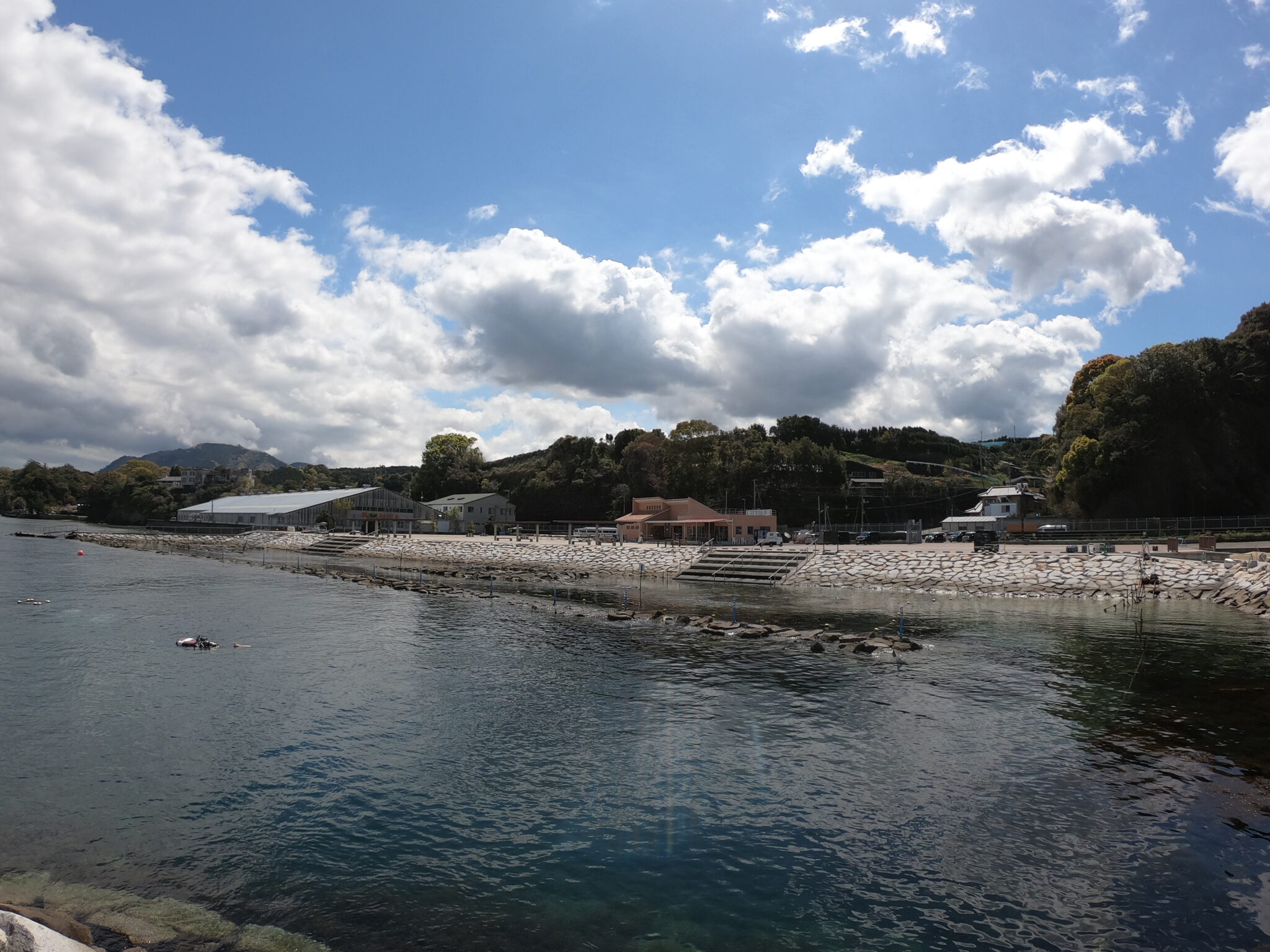
Located between Osezaki and Shishihama, Hirasawa is a scenic diving area offering breathtaking views of Mt. Fuji. It features a 230-meter-wide (755-feet-wide) stretch of white sand known as Lalala Sun Beach, which was recognized in 2013 for having some of the highest water quality among Japan’s swimming beaches. With a flat seabed and multiple entry/exit points, Hirasawa is protected from strong winds and enjoys calm conditions throughout the year, making it ideal for beginners.
This site is rich in macro marine life, including gobies and nudibranchs. In summer, seasonal fish carried by the Kuroshio Current add vibrant colors to the underwater landscape. Boat diving is also available, especially around the nearby Awashima area, where dynamic underwater terrain and schools of pelagic fish await. Easy access from Numazu IC (about 45 minutes by car), as well as adjacent parking and diving facilities, make Hirasawa a popular and comfortable destination for divers of all levels.
Popular Dive Site: Hirasawa Beach
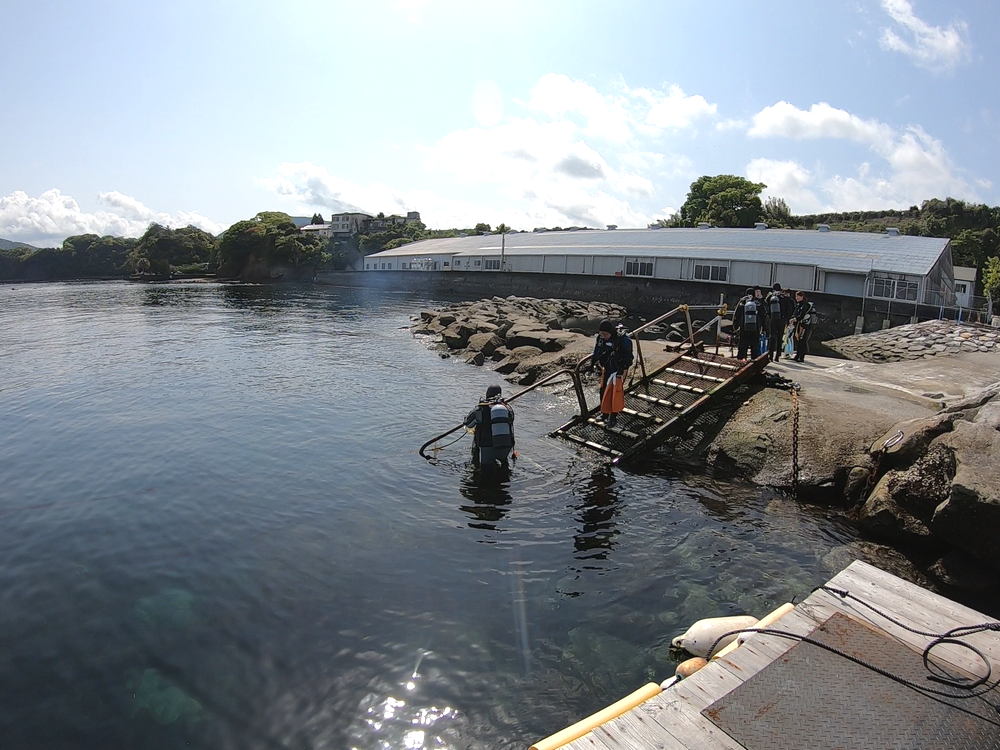
This beach dive site is located directly in front of the diving facility, offering convenient access and ideal conditions for all levels of divers. With depths ranging from five to 25 meters (16 to 82 feet) and minimal current, the calm waters make it perfect for beginner courses and refresher dives.
On the east side, you’ll find a forest of seaweed leading to schools of small fish, as well as thriving colonies of Acropora coral and sea anemones that host juvenile clownfish and threespot dascyllus. The west side is home to larger fish, such as girella and mullet, and you may even spot stingrays cruising through.
Around the headland, strong currents bring nutrient-rich water, supporting a vibrant ecosystem of soft corals. Here, you can witness large schools of black spot cardinalfish, barracuda and sweepers, making this site a great choice for enjoying both macro and wide-angle underwater photography.
How To Get There
By car: Approximately two hours from Tokyo. Take the Tomei Expressway to Numazu IC, then follow Route 414 and Prefectural Route 17 to Hirasawa.
By train: About one hour from Tokyo Station via the Shinkansen. Transfer at Mishima Station to the Tokaido Main Line and ride to Numazu Station. From there, take a bus to Hirasawa (about one hour).
Shishihama
Located at the northernmost point of the western Izu Peninsula, Shishihama is known for its excellent accessibility, just about 30 minutes by car from Numazu IC. Protected from typhoons and low-pressure systems, it’s dive-able throughout the year.
The underwater terrain features a mix of rocky slopes and sandy areas with exceptionally rich marine life. The site is famous for dense schools of cherry anthias, and the steep drop-offs make it a favored spot for technical and deep diving. Seasonal visitors, such as amberjack and yellowtail, join the scene from summer through fall, while macro creatures, like ghost pipefish, also abound. Night diving is available all year round, and nearby natural hot springs make it an ideal destination for a relaxing diving trip.
Popular Dive Spot: Beach
This beach site is easy to access and enjoyable for both beginners and experienced divers. There are two concrete entry points — north and south — for safety and convenience. A wide, shallow sandy area is ideal for training and courses. Guide ropes help divers gradually reach deeper waters, which makes it suitable for deep diving as well. The sandy bottom is home to numerous gobies, while slopes starting at five meters (18 feet) reveal colorful anthias, soft corals and an abundance of marine life perfect for macro and wide-angle photography alike.
How To Get There
By car: Approximately two hours from Tokyo. Take the Tomei Expressway to Numazu IC → Route 414 → Prefectural Route 17 to Shishihama.
By train: About one hour by Shinkansen from Tokyo to Mishima Station. Transfer to the Tokaido Main Line to Numazu Station, then take a bus for approximately 30 minutes.
From beginner-friendly bays to dramatic topography, the western Izu Peninsula offers some of Japan’s most diverse and rewarding diving. With its relaxed pace, breathtaking scenery and rich marine life, this region is a true underwater playground waiting to be explored. To make the most of your trip, connect with a local dive shop. They’ll provide expert guidance and facilities to help you enjoy these sites safely and to their fullest. Reach out today and start planning your unforgettable Izu diving adventure.