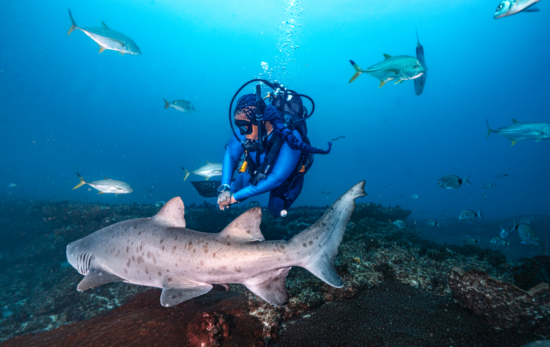
Most marine life lives near coastal areas. These include coral reefs, kelp forests, estuaries and mangroves, which are all biodiversity hotspots and provide shelter, food and breeding grounds for marine animals.
But these life-sustaining habitats are under threat from rising ocean temperatures, pollution and human carelessness.
Want to know more? Below are six interesting facts about endangered marine species.
1. Most Endangered Marine Species Live in a Small Part of the Ocean
An interesting fact about endangered marine life is that most of it lives within 230 kilometers (155 miles) of land and only up to 200 meters (656 feet) deep, which is as far as light can reach. This is important because light allows phytoplankton to photosynthesize and kickstart the base of the food chain.
In fact, most marine species live in only 11% of the total ocean area.
2. More Than 1500 Marine Species Are Endangered
According to the International Union for Conservation of Nature (IUCN), there are over 1,550 marine species at risk of extinction. Of these, sharks and rays are the group most critically at risk, with over one-third of all shark and ray species facing extinction within our lifetime from targeted fishing, bycatch, habitat loss, climate change and pollution. Whale shark populations alone have declined 50% worldwide in just 75 years.
Sea turtles, whales, seals and fish are not spared either. Here are some of the most popular marine species that are also endangered:
- The popular hawksbill turtle is critically endangered.
- The playful Hawaiian monk seal is endangered.
- The largest animal on earth, the blue whale, is endangered.
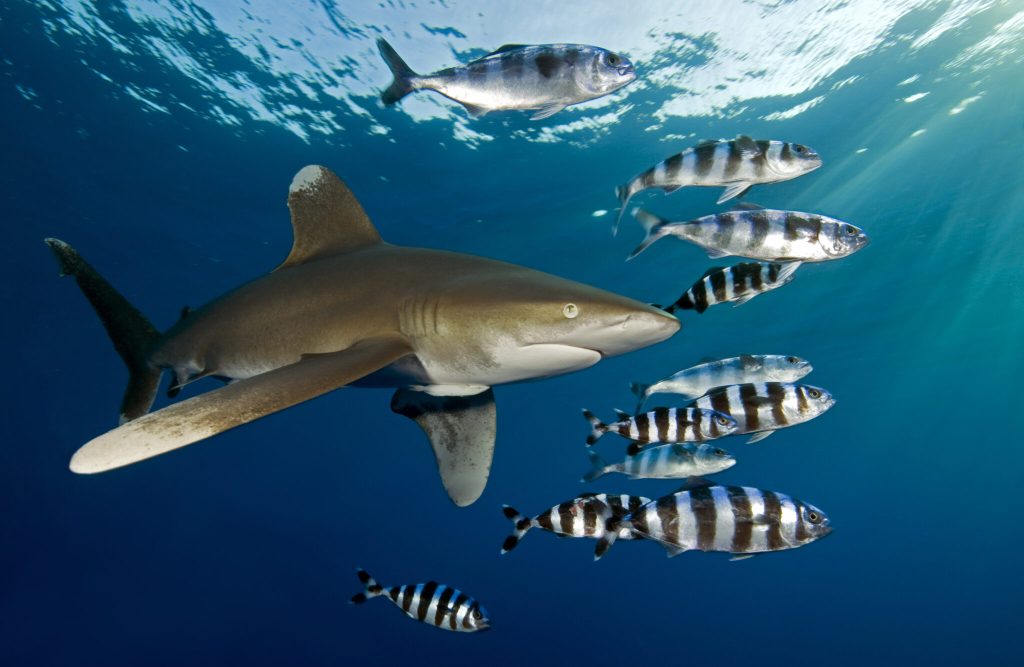
3. 90 Sharks and Rays Are Critically Endangered
Of the 1,199 species of sharks and rays assessed, 121 are classified as “Endangered,” 90 are “Critically Endangered” and 180 are “Vulnerable.” Most of these you’ve probably heard of or have even seen on your dives.
- Bull Shark: Vulnerable.
- Blacktip Reef Shark: Vulnerable.
- Whitetip Reef Shark: Vulnerable
- Oceanic Manta Ray: Endangered.
- Oceanic Whitetip Shark: Critically Endangered.
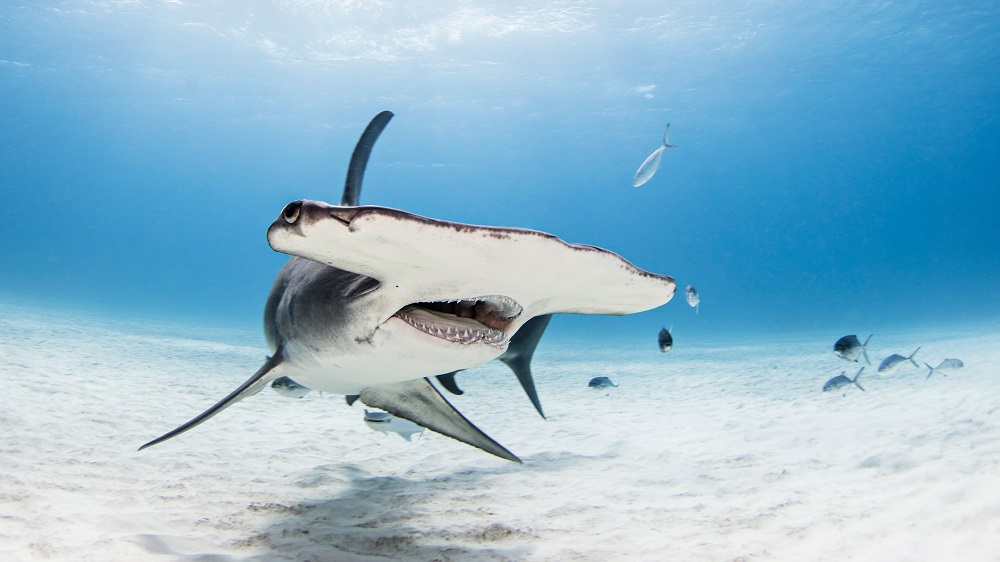
- Great Hammerhead Shark: Critically Endangered.
4. The Vaquita Is the Most Endangered Marine Species
You’ve likely heard of the vaquita – a dolphin species found only in the northern part of the Sea of Cortez, Mexico. With only 10 individuals left, the vaquita is the most endangered sea creature and is likely to go extinct in the next 10 years.
5. Marine Species Are Endangered Globally
The decline in biodiversity that is endangering marine species does not only affect certain seas or specific countries. This is a global problem. That’s why marine protected areas are so important, as they provide a refuge for marine life.

6. Divers Are the Lucky Ones
There’s a thrill in seeing wild animals in their natural habitat, even more so when the species is endangered. While the encounter gives you an adrenaline fix, you’re also supporting local communities in their livelihood and conservation efforts.
Is There Anything You Can Do To Help?
Yes, yes and yes! The data doesn’t look good, but we’re still in time to reverse the decline of endangered marine species.
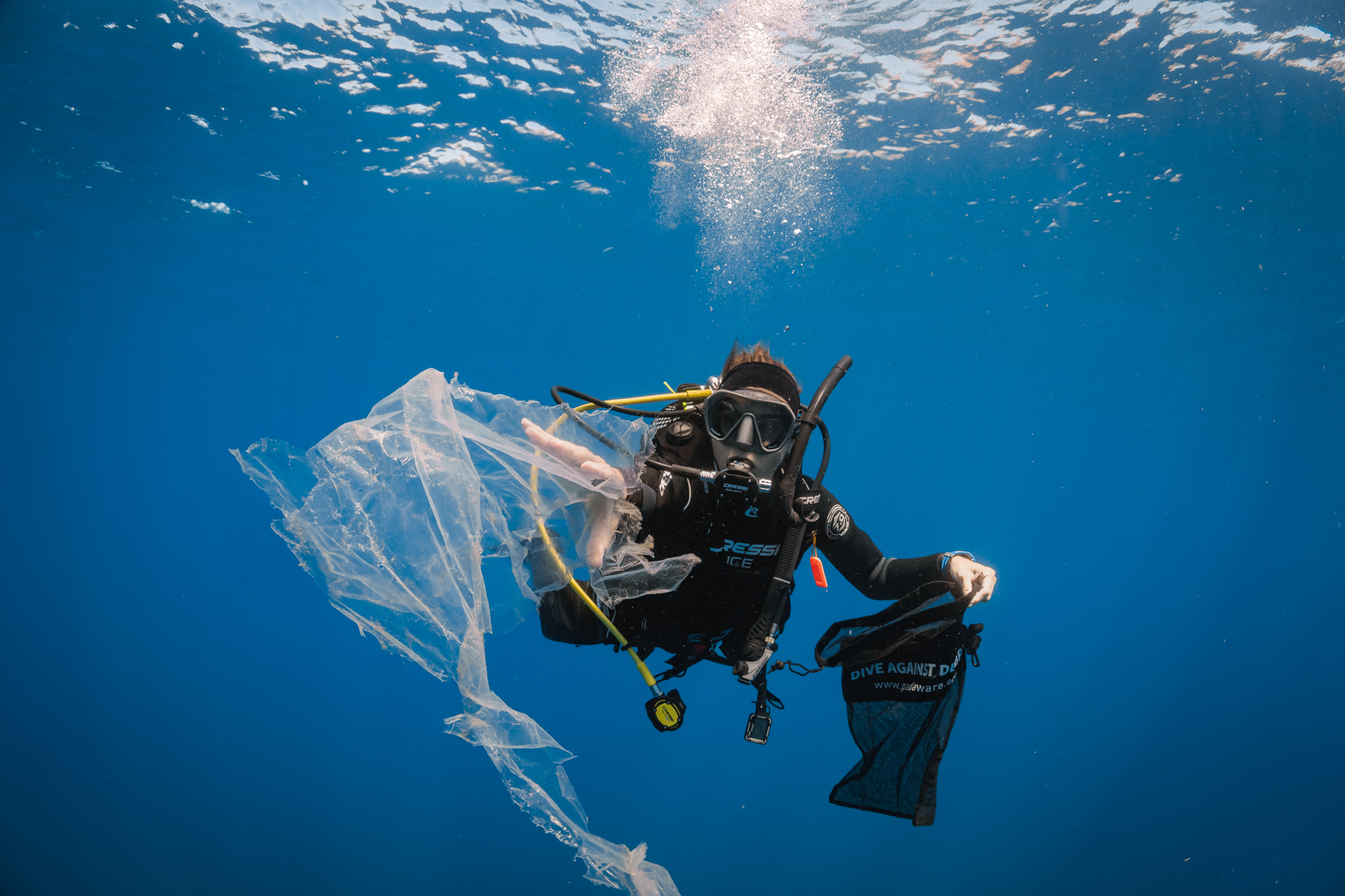
We can protect what we love by diving responsibly and with purpose while inspiring others to do the same. In practice, this ranges from removing marine debris to taking part in citizen science programs and advocating for cleaner and healthier oceans.
Ready to take action? Here are three ways you can help:
- Equip yourself with knowledge and continue your education with conservation courses.
- Become a citizen scientist. Join local Dive Against Debris events and contribute to PADI AWARE’s 2026 Global Shark & Ray Census. Download the PADI AWARE app and submit your data to the PADI AWARE Conservation Action Portal (CAP).
- Sign up to become a PADI Torchbearer to stay in the know about the latest conservation news, petitions and actions you can take as a diver.