Have you ever surfaced from a dive feeling like you missed the ‘main event’?
While other divers on the boat rave about a camouflaged frogfish or a hidden octopus, you might feel like you spent the whole dive scanning the ocean, but still came up empty.
The truth is, there’s always more to see on a dive, you just need to know how to look. Learning how to spot marine life is about more than just luck, it’s about shifting from a passive swimmer to an active observer.
Whether you are exploring a tropical reef or a temperate kelp forest, these tips will help you develop your skills and reveal the hidden world right in front of your mask.
1. Slow Down and Practice the “Five-Minute Freeze”
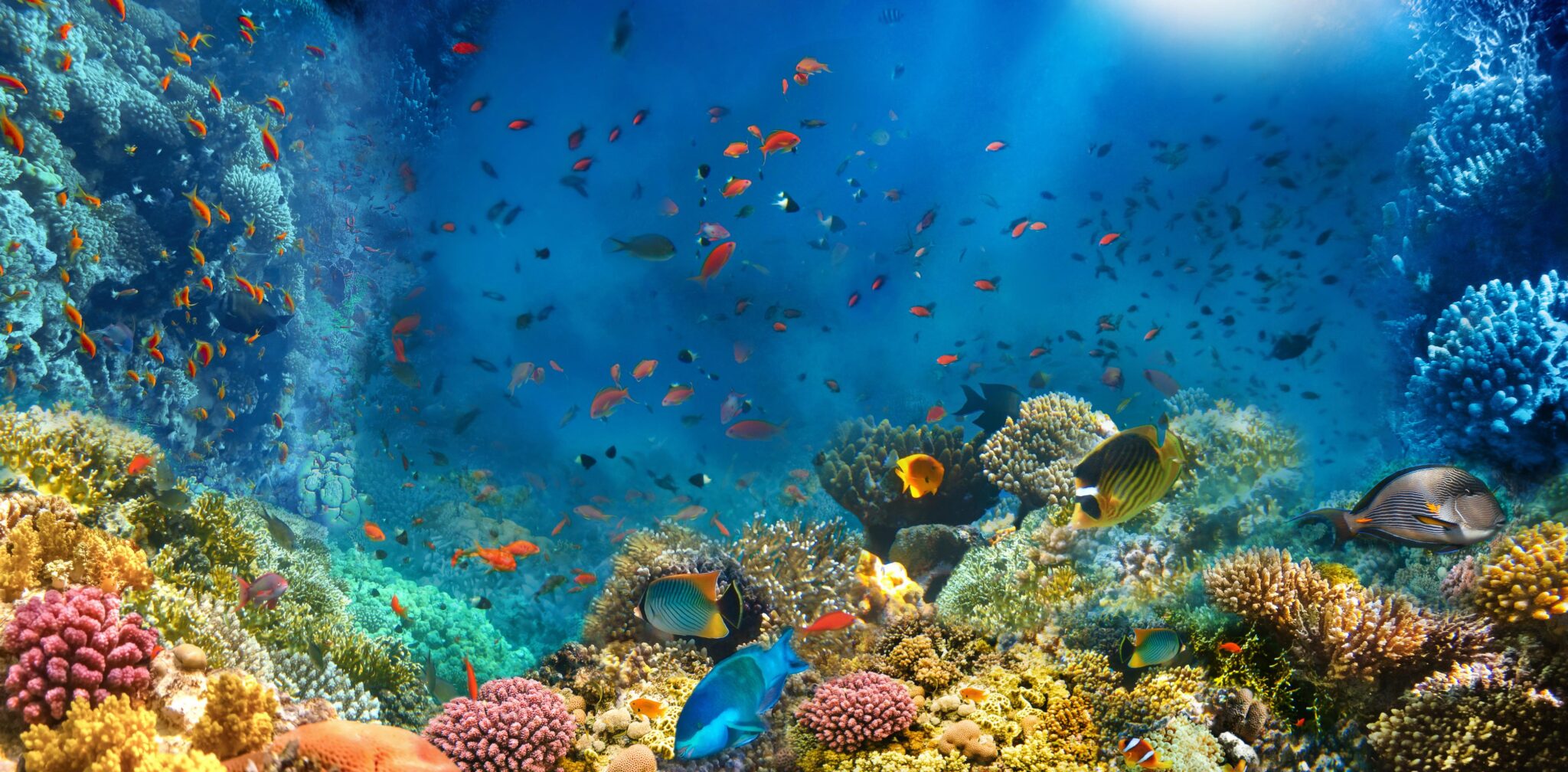
The biggest barrier to seeing marine life is our own wake. Many reef animals are sensitive to the vibrations and bubbles we produce. When we move quickly, we may signal danger, triggering a flight response.
Slow down and try the “Five-Minute Freeze.” Pick a spot near a healthy coral structure and simply stop. After a few minutes, the underwater world resets. The shy residents that hid when you arrived will begin to emerge, and you’ll discover species and natural behaviors that fast-moving divers never see.
Mastering your buoyancy is key here. Completing the Peak Performance Buoyancy Specialty course can help you hover effortlessly, so staying motionless becomes second nature.
Remember: respect their space by looking, but never touching. Move slowly and never chase or poke marine life. You’ll find that animals are more likely to tolerate your presence without getting stressed.
2. Scan for Burrows, Dens and Crevices
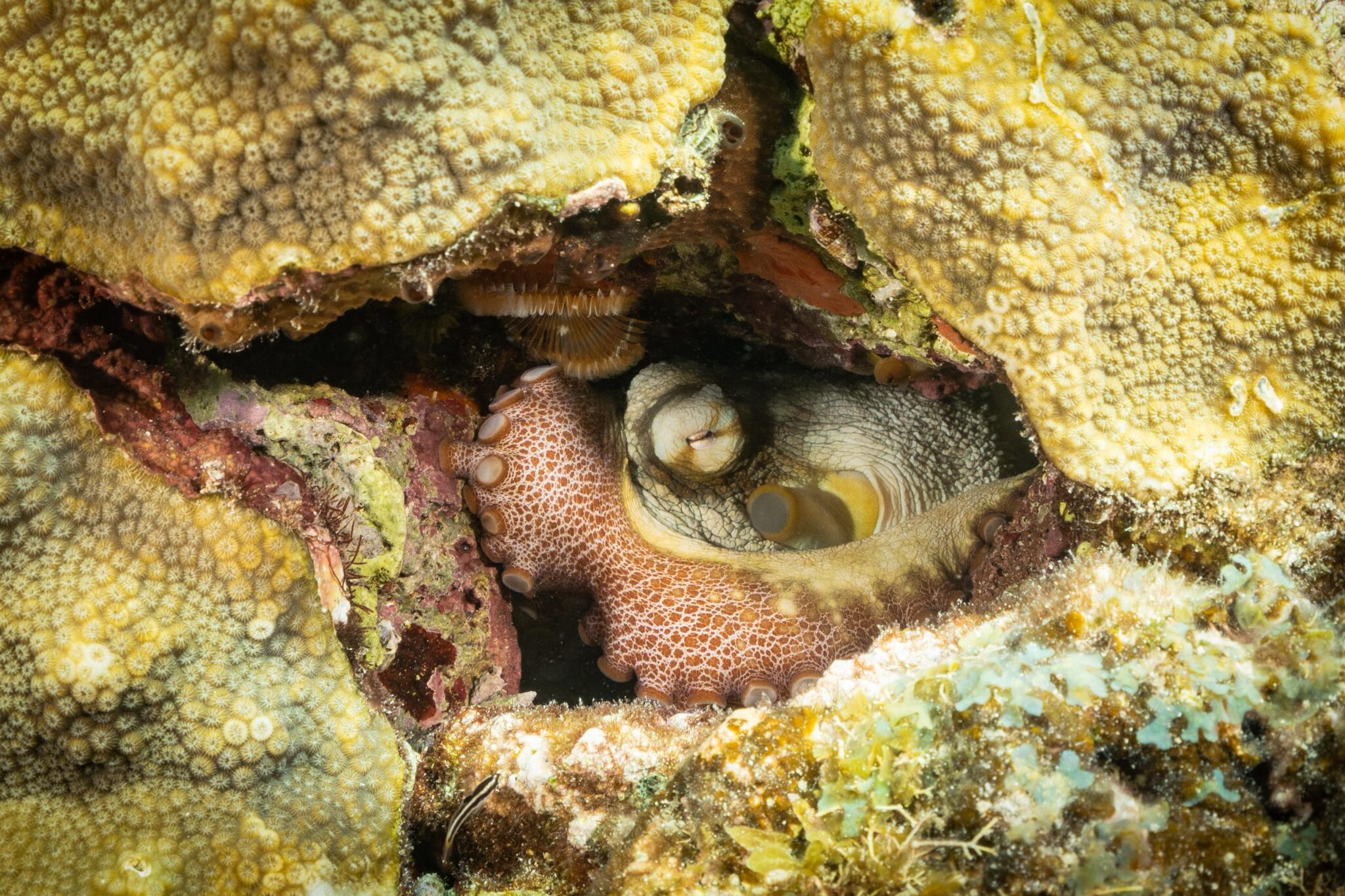
The seafloor isn’t just a landscape, it’s a collection of hidden dwellings. Instead of scanning for a whole animal, look for the signs they leave behind.
Keep an eye out for middens — piles of discarded crab or mollusk shells clustered near a small hole. These are the front porches of an octopus den. Similarly, look for small mounds of clean sand on the seafloor. These often indicate a goby and shrimp burrow.
By learning to recognize these homes, you’ll find creatures that are otherwise perfectly camouflaged.
3. Investigate the Hidden Zones
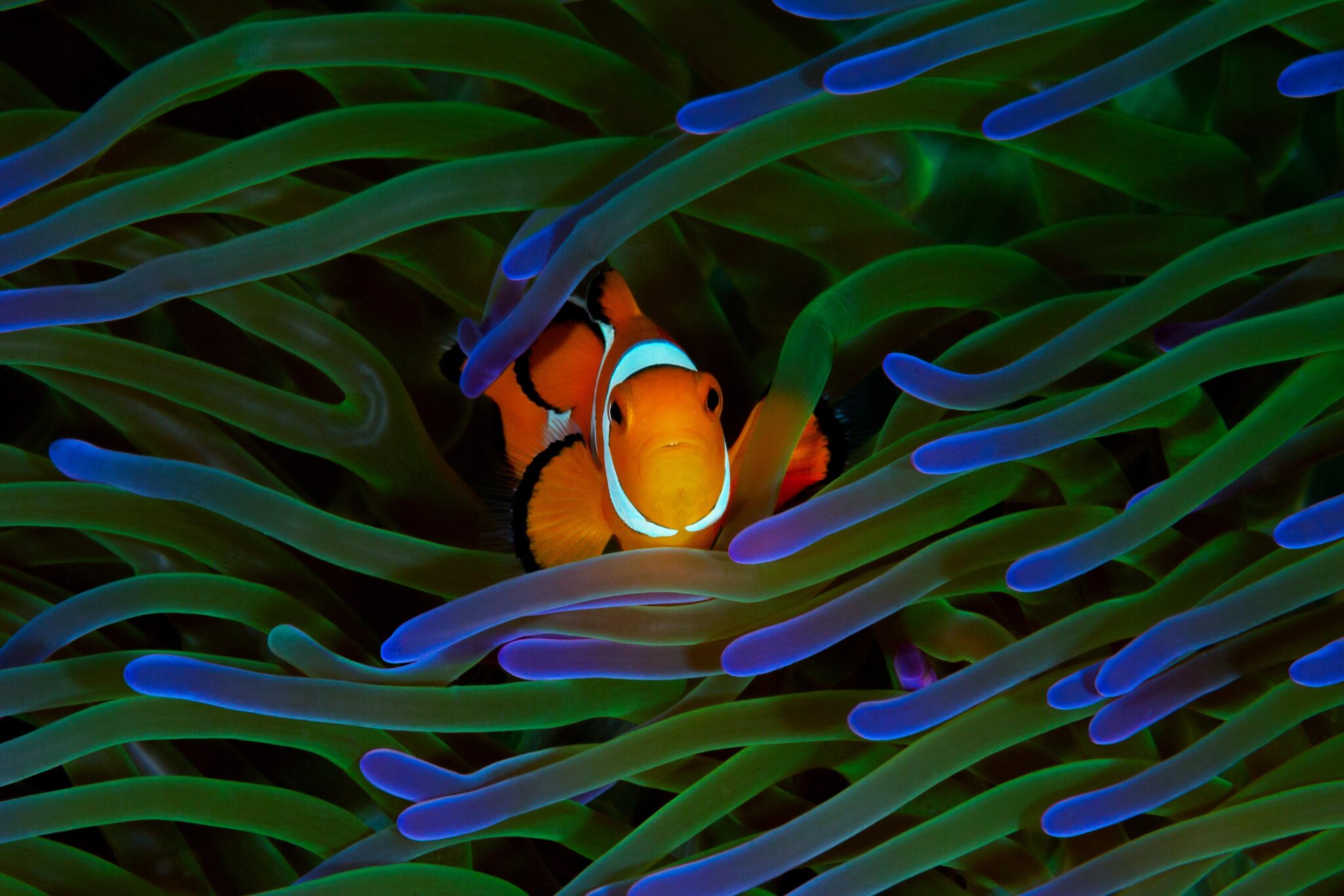
New divers often focus on the bright, sunlit tops of the reef. However, many of the ocean’s most fascinating creatures are light-sensitive, spending their days tucked away.
To find them, you need to peer into the hidden zones, like deep crevices, the undersides of ledges and the dark gaps between coral branches. Use a small dive light during the day to bring color into these shadows.
You’ll be amazed at how many lobsters, crabs, nudibranchs and other tiny critters are hiding just inches out of sight.
4. Zoom in on the Details
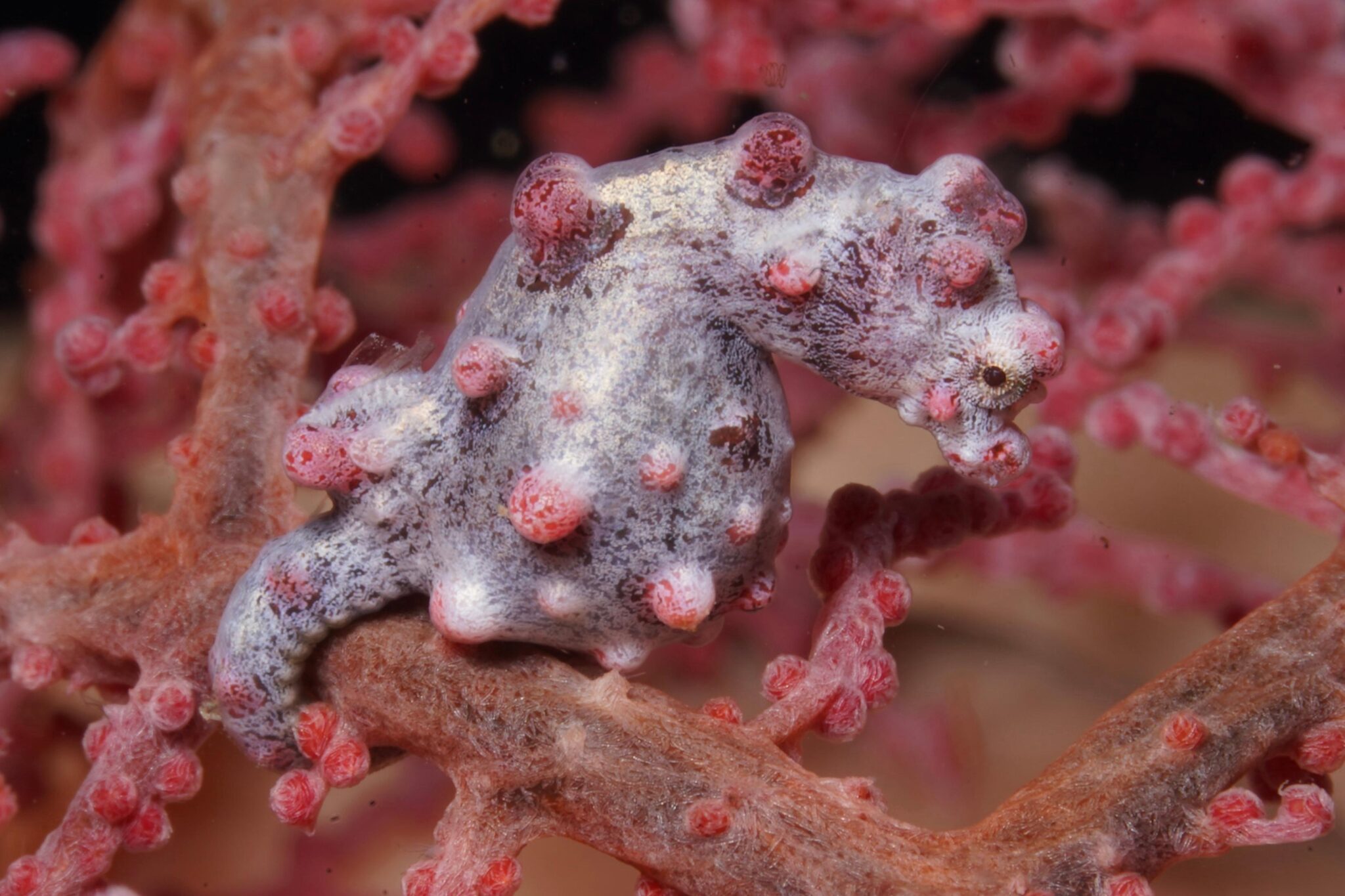
Sometimes, seeing more means looking at less. Don’t just look at a coral head or rocky structure, examine the details. Some of the most rewarding sightings require a macro perspective.
Slow down and examine the surface of the reef. You might spot a tiny crab tucked into a coral fold, a brittle star wrapped around a branch or a pygmy seahorse mimicking its host.
By narrowing your field of vision, you’ll discover an entire layer of life that most divers swim right past.
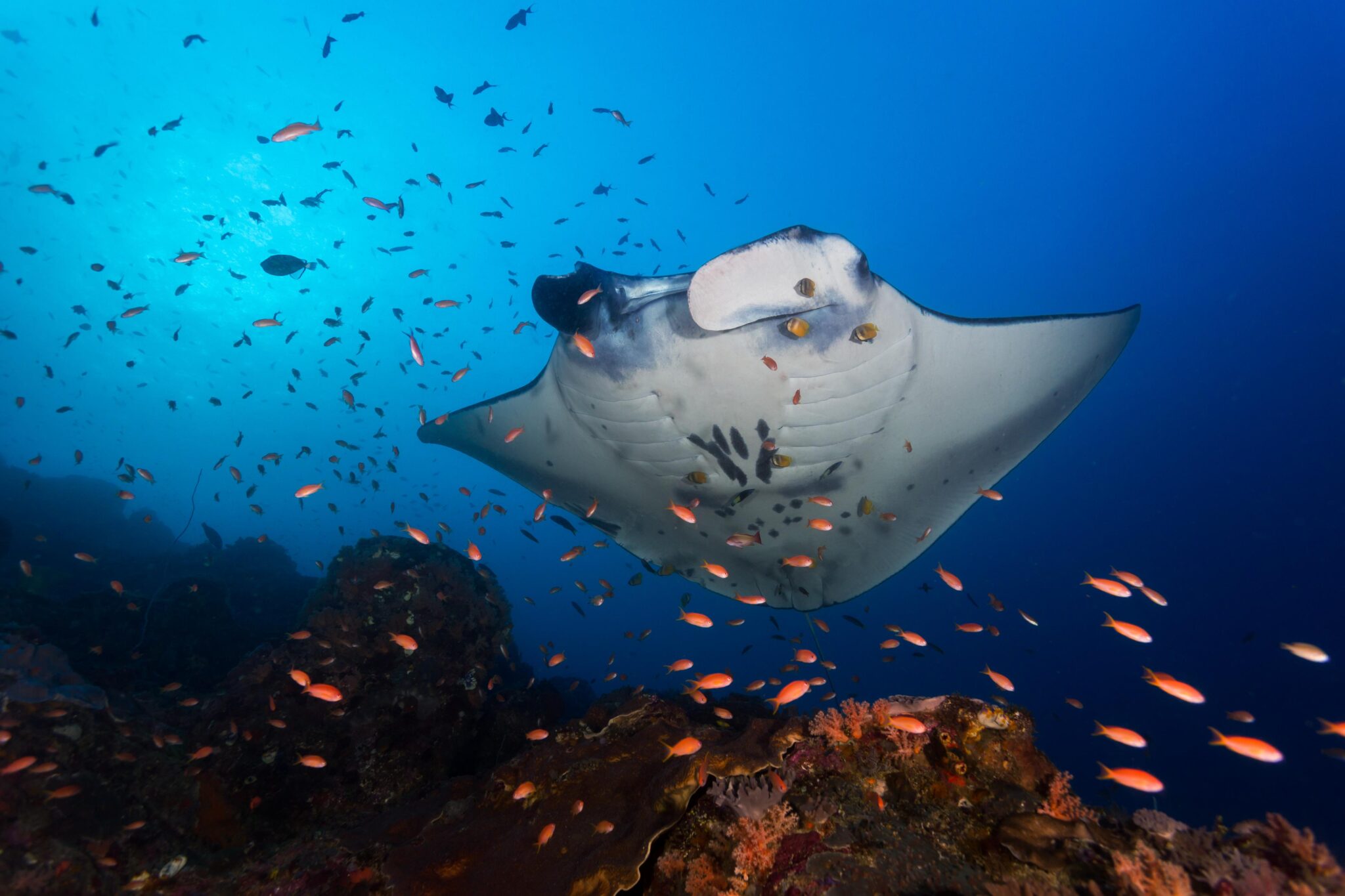
5. Seek Out Cleaning Stations
If you want to spot larger species, like groupers, manta rays, eels and sharks, look for cleaning stations. These are hubs where cleaner wrasse or shrimp remove parasites from larger “client” fish.
You can spot these stations by looking for a prominent coral head with an abundance and diversity of fish. If you find one, hang back. Large predators often frequent these spots for a ‘tune-up,’ giving you a front-row seat to one of the most interesting social interactions in the ocean.
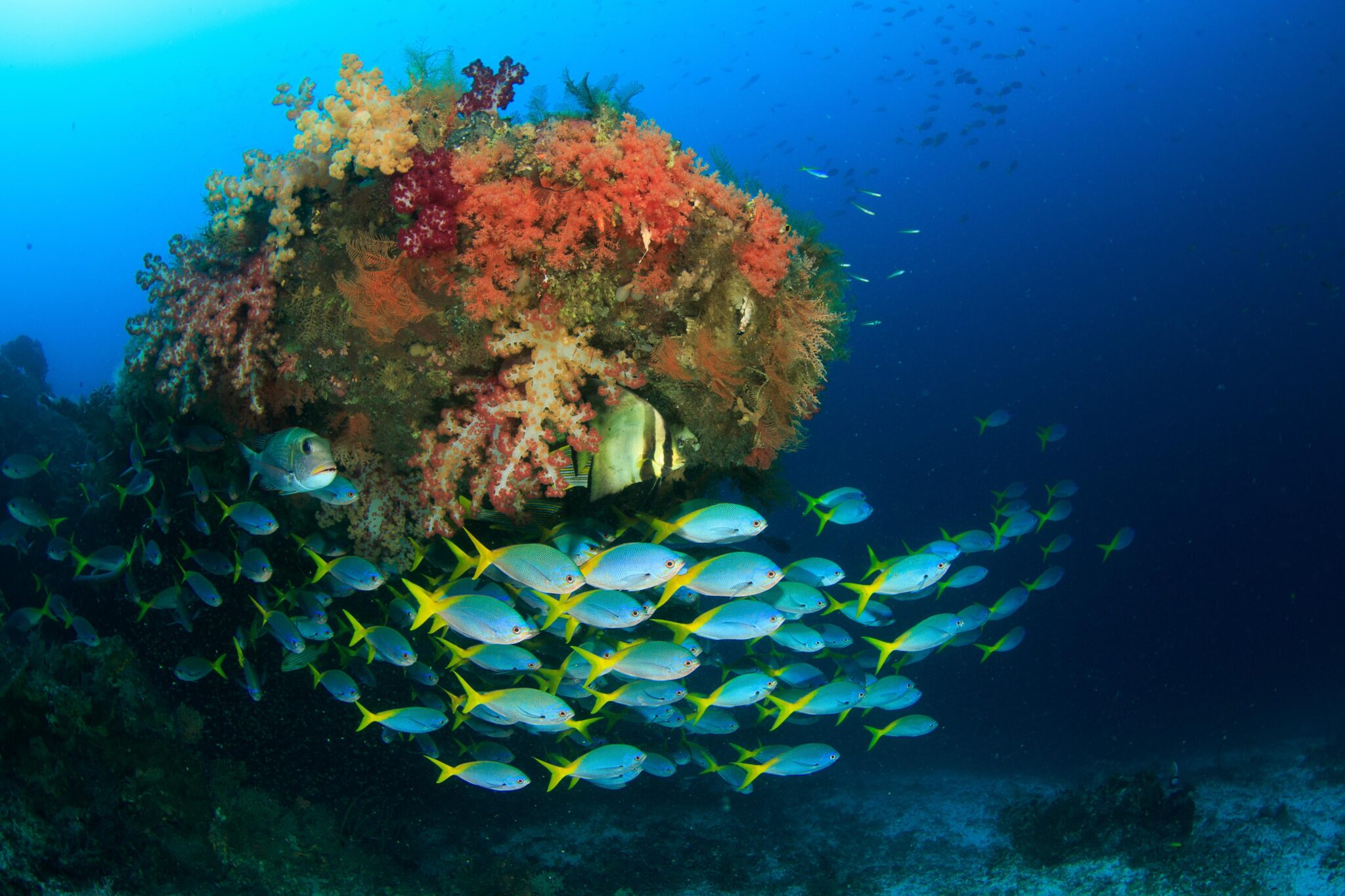
6. It’s All About Body Language
Fish are constantly communicating. If you notice a sudden, coordinated “shiver” through a school of small damselfish or anthias, pay attention. They aren’t just swimming, they are reacting.
Don’t just watch the fish that are moving, try and figure out what they are fleeing from. Often, the smaller inhabitants will alert you to a patrolling predator, like a reef shark or a trevally, long before it enters your direct field of vision.
Learning how to spot marine life is often reading the reef’s natural alarm system.
Ready To Spot More Marine Life on Your Next Dive?
Every dive is a chance to discover something new. By slowing down and paying attention to the subtle cues around you, you’ll start seeing the hidden world most divers miss.
Want to spot more marine life for yourself? Sharpen your “fish eyes” by learning to identify the species around you. The PADI Fish Identification Specialty course teaches you how to do this in a fun, easy-to-understand way.