Junior Scientists in the Sea (JSIS) is a program that offers teenagers the opportunity to learn to scuba dive and explore the underwater world while gaining real-world job skills.

What Does Junior Scientists in the Sea Involve?
Junior Scientists in the Sea is a year-round program founded by Les Burke, a former elite Navy Diver who has a passion for education. It is open to students 12 years or older from any socio-economic background. During the program, participants learn to dive and gain experience in science, technology, engineering and math (STEAM). Students who want to scuba dive can participate in underwater research while other activities are available for those who prefer to remain on the boat or on shore.
Click to display the embedded YouTube video
The “No Kid Left Inside” Policy
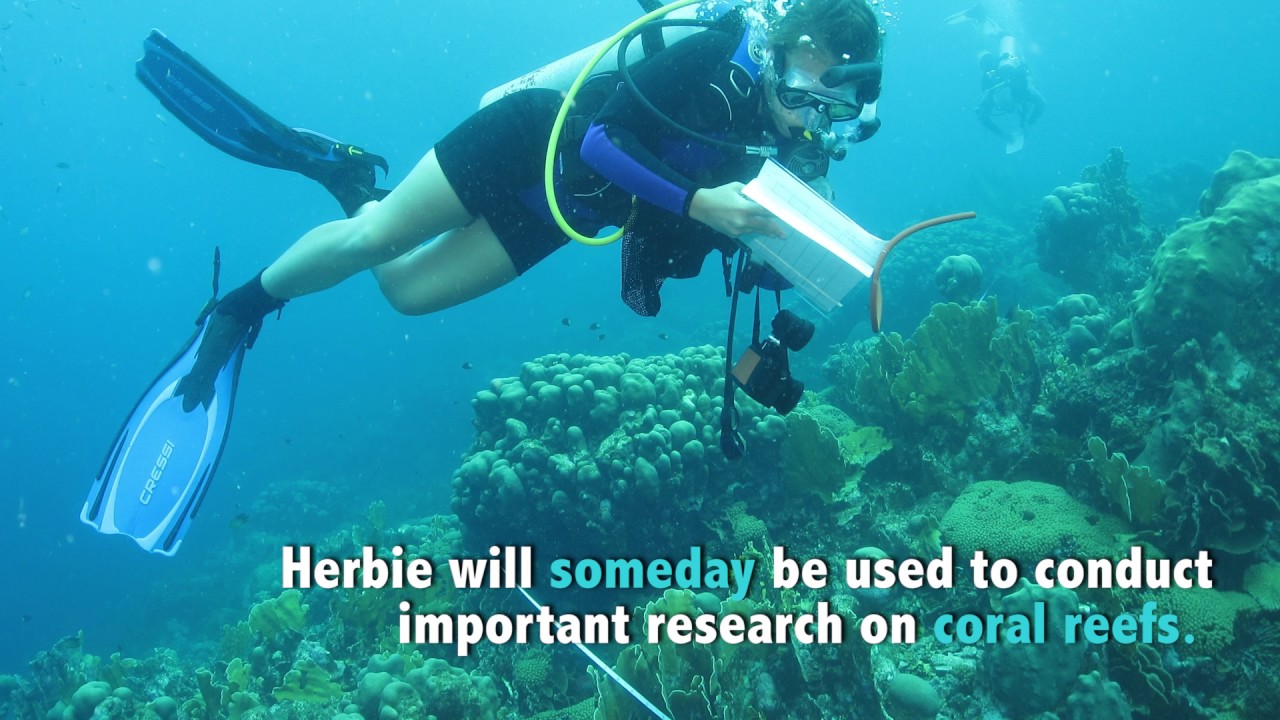
When asked about the major goals for JSIS, Burke explains, “We have a ‘no kid left inside’ policy. Students who cannot scuba dive can still get involved by using one of our remote-operated vehicles (ROV), operating drones or trying out videography and photography.” Burke continues, “Our goal is to create new divers, scientists and engineers who possess the passion and skills to not only enjoy the ocean, but work to protect it.”
Check out the video above to see one of the JSIS remote-operated vehicles in action.
A Lifetime of Diving, Service and Mentorship
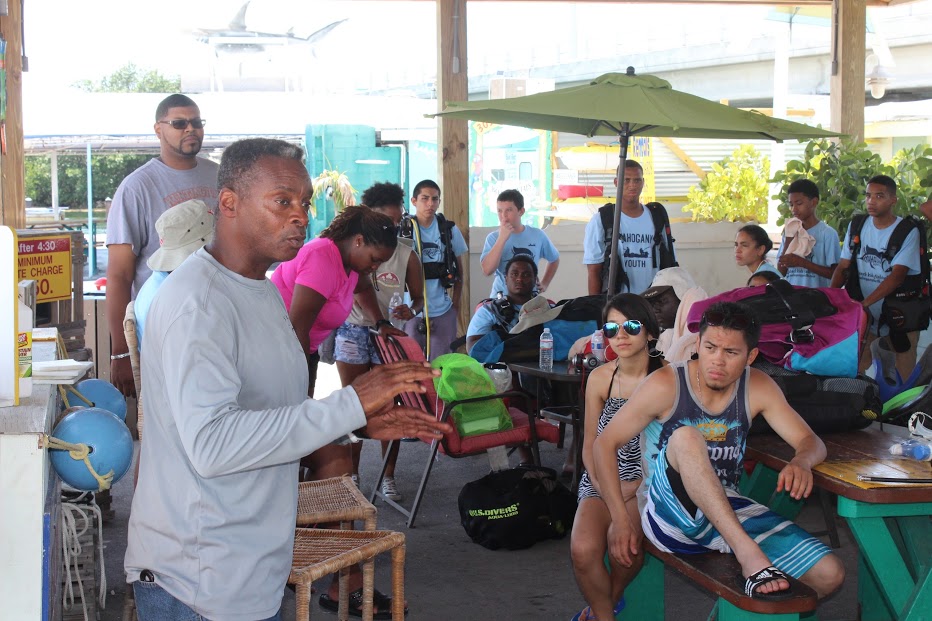
In addition to his 28 years as an elite Navy Diver, Burke recalls that one of his most noteworthy moments was a chance encounter with diving legend Jacques Cousteau at an international airport. Burke explains, “After talking about diving for 45 minutes, he made me promise to share my love of the ocean and diving. It was lost on me then, but I now believe that he knew I was different. Being a minority, I think he knew my target audience would be those under-represented in the world of diving.”
Burke became a PADI Instructor in 1983, and he founded JSIS in 2005. “Our program is not just about science; it is about finding, defining and motivating oneself. Students are challenged to dream, create deadlines and pursue the goals they’ve developed – preserving the planet along the way,” Burke continues.

Pioneering Coral Restoration in St. Croix
On St. Croix, Junior Scientists are taking over coral restoration work from a two-person team sponsored by The Nature Conservancy (TNC). TNC hopes local students from across the Caribbean will eventually replicate the work the Junior Scientists are doing.
Burke describes the dive team’s activities on St. Croix, “First, the students determine where a coral farm should be located. They figure out what’s killing the existing coral, and whether it’s logical to put coral trees at that location. If there’s a natural or re-occurring phenomenon killing the coral that cannot be abated, there is no point in trying to transplant coral there.
“Next, the Junior Scientists set up and care for the coral farms. They install coral seedling trees and wait for them to grow. Then they remove the staghorn coral from the trees and outplant the corals onto reefs.”
Click to display the embedded YouTube video
More JSIS Students in Action
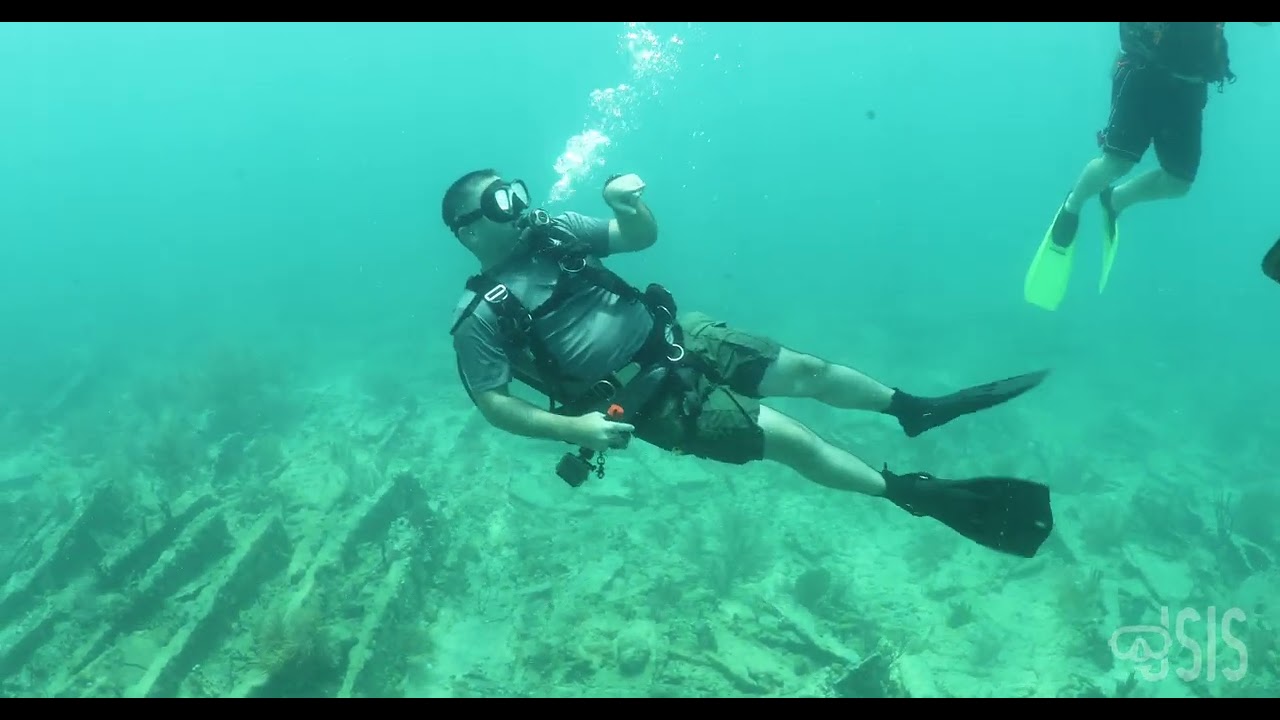
Students of the program are also exploring marine history and heritage through the Smithsonian-led Marine Archeology Camp. This occurs in collaboration with the National Park Service and Diving With a Purpose.
JSIS participants learn how to document, clean and help preserve cultural treasures, including the marker plaques along Biscayne National Park’s trail of shipwrecks — see the students in action.
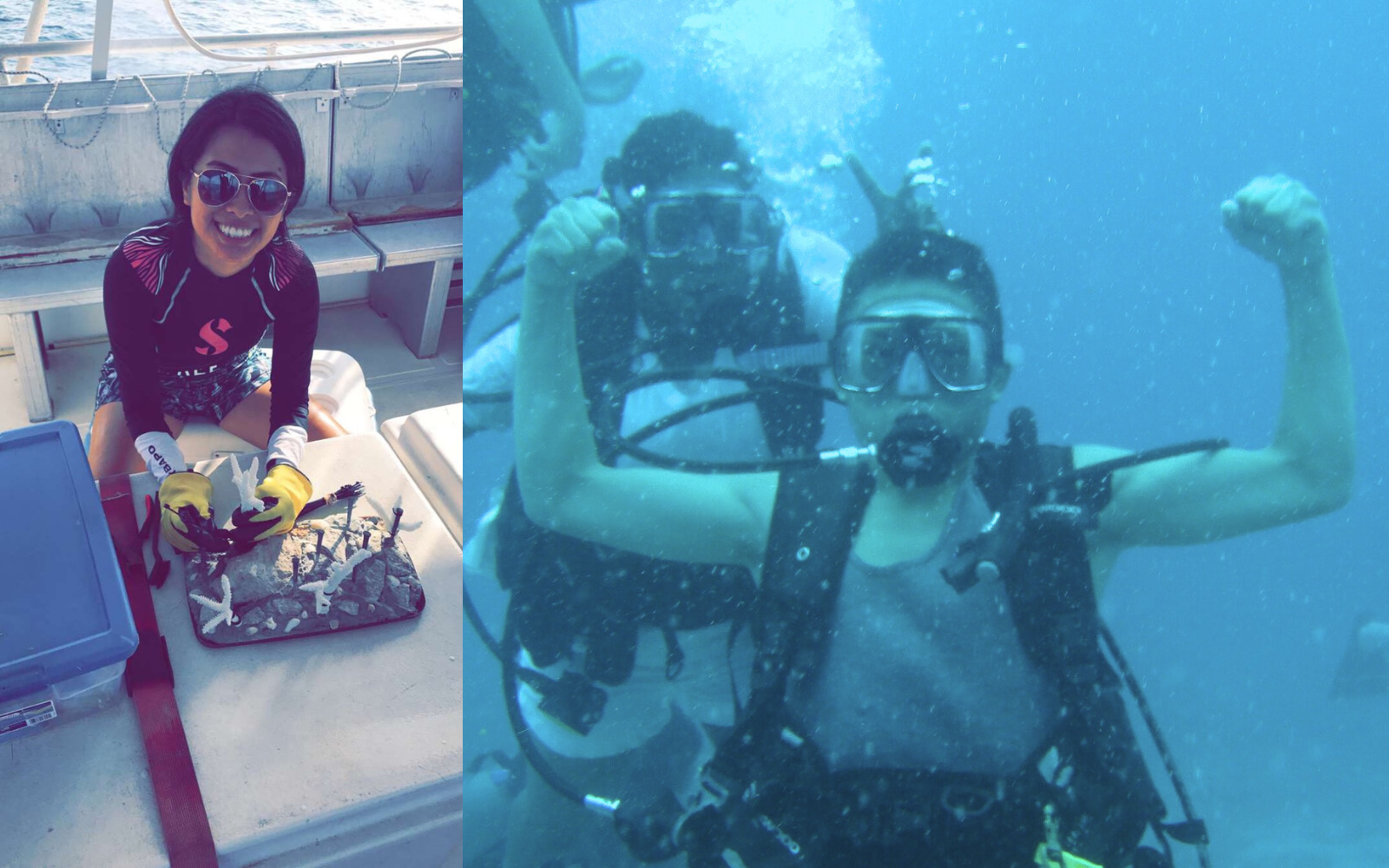
Coral restoration work in the Florida Keys is another hands-on project for JSIS students. Partnering with iCare, students help to outplant coral species and restore vital reef ecosystems.

JSIS Students Making a Difference Out of the Water
A JSIS Member recently helped convince the Florida Legislature to expand the environmental coverage of the Florida Everglades. During the 2017 session, the Florida Legislature officially acknowledged the young woman for her work and tenacity.
“JSIS students are very active in making sure their parents and siblings understand that everything put on lawns, thrown in the gutter, sewer system or even poured down a drain, ends up in the estuaries, rivers, bays, gulf and oceans,” said Burke. “One JSIS chapter, Colgan High School, is immersed in shark preservation. They visit the aquariums to learn all they can from the shark scientists and are scheduled for a shark tagging expedition this upcoming summer.”
JSIS Opening Doors for At-Risk Youth
Burke places a special emphasis on involving students from every socio-economic level. Approximately 60% of JSIS participants receive significant financial assistance. Additionally, the State of Florida honored Burke for his work in youth drug use prevention.
Junior Scientists in the Sea is a great example of PADI’s People and Community Pillar, one of the Four Pillars of Change.
Building Career Pathways Through Diving
Through various actions, JSIS provides pathways to careers in marine science. These include:
- Combining on-the-job training and experience solving real-world problems.
- Learning about careers in marine science and technology under the guidance of experienced educational leaders and professionals in STEAM fields.
- Practicing public speaking, specifically wildlife and stewardship advocacy.
Additionally, JSIS can award the American Academy of Underwater Science (AAUS) Science Diver certification to students who successfully complete the rigorous training. This certification is recognized by all post-secondary marine and estuarine research institutions and strengthens any college application.

The Proof Is in the Recognition
Junior Scientists in the Sea impacts more than just the students who pass through the program. The achievements of mentors and leaders shaping future divers, scientists and ocean advocates also earn widespread recognition.
JSIS Founder in the News
PADI named Les Burke a 2025 Ocean Torchbearer Award recipient in recognition of his extraordinary contributions. PADI presents this award to professionals who demonstrate remarkable leadership and impact across its Pillars of Change: Ocean Conservation, Dive Industry Sustainability and People and Humanity.
One local media outlet in Miami (WSVN) also recently featured Burke and JSIS for their work. The story highlighted their inspiring work helping young people discover scuba diving while protecting the ocean — read the story here.
Click to display the embedded YouTube video
Another JSIS Team Member Making Waves
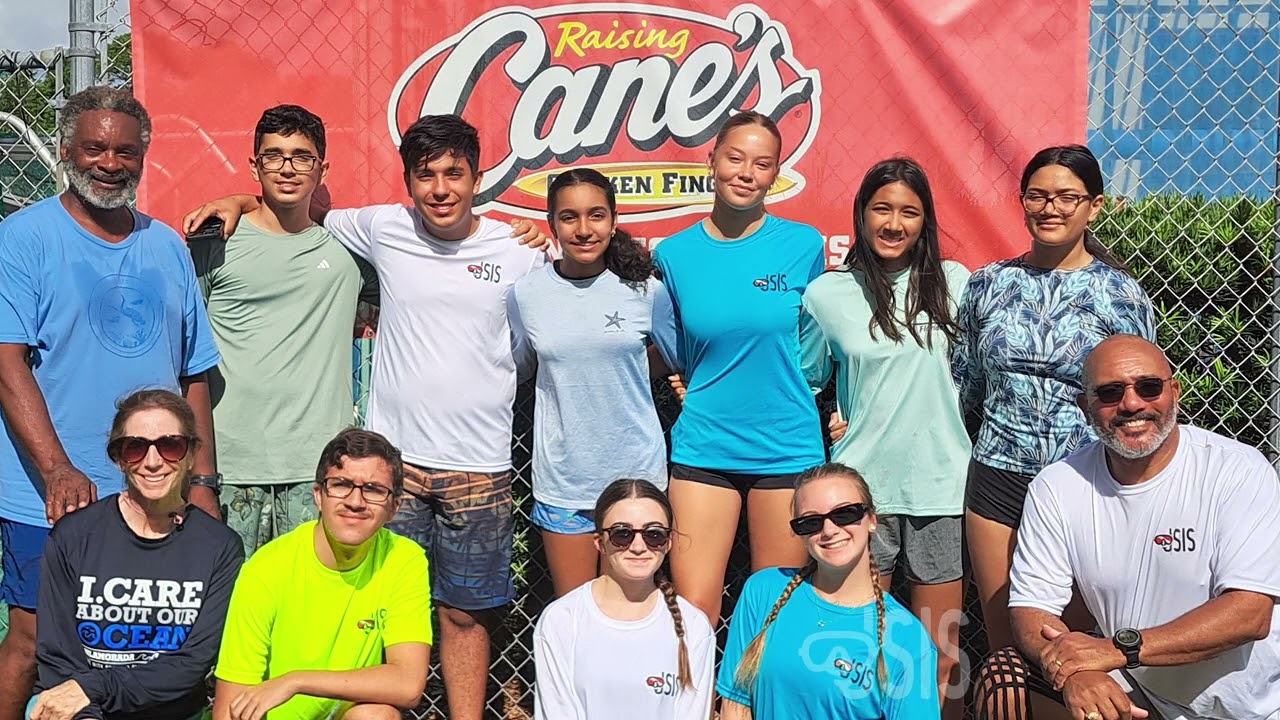
The diving community recently recognized JSIS team member Suzanne Tucci for her outstanding achievements and service. DEMA selected her as a 2025 Wave Makers Award finalist. This award honors emerging dive industry professionals who have been working in the field for five years or less but are already making a meaningful impact.
As a key member of the JSIS team, Suzanne teaches students how to scuba dive and leads hands-on coral restoration activities. She takes personal pride in helping develop the next generation of ocean stewards and marine conservation advocates.
Watch the video above to learn more about Suzanne’s work and the impact she is making.

What the Future Holds for JSIS
An up-and-coming project for JSIS will see the team install the first stateside Nemo’s Garden. This will be an underwater greenhouse in the lagoon at Jules Undersea Lodge in Key Largo, Florida. It will operate year-round and be available to Aquanaut campers during their program. Burke explains, “Our students will be able to eat, sleep, grow food and make fresh water, all underwater.”
How You Can Support JSIS
As a 501(c)(3) nonprofit organization, JSIS relies on the support and donations of individuals who care about marine conservation. Its work helping young people discover a passion for marine science, scuba diving, engineering and research requires public support. The program combines hard work, real-life job skills and teaches kids they can redefine their goals as well as themselves.
We think Burke sums it up best:
“Scuba diving can bring a person out of his or her shell. Scuba diving puts the nerd on an even playing field with the greatest jock.”
Connect with JSIS via their website or Facebook page to learn more about upcoming camps and how you can play a part.