
The diving lifestyle is about making pleasant memories of exciting travel, time spent with friends, moments on the ocean, underwater beauty, rare sightings and more. Ask any scuba diver, and almost universally we all remember our first breath underwater like it was yesterday. And memory is obviously not just about recalling experiences, but also how we recall what we need to know not just to dive, but to do everything. We literally can’t do anything without our memory, which is what make conditions like Alzheimer’s Disease so tragic – they steal the essence of our experiences and relationships along with our ability to function. In diving, we seek experiences that create cherished memories, but more pragmatically we draw on memory to follow safe practices and do things like Dive Against Debris® surveys.
Without going into detail (go here to learn more about the science of memory), when something enters our brains through our senses, it passes through sensory and short-term memory (which are short-lived and temporary) and, if conditions are right, from there into long-term memory, which is what we pull from when we remember something. Also depending up conditions, long-term memories either endure or fade over time. Let’s apply this as it relates to us as divers.
Take on challenges and seek out dives that touch your heart. As reported here, scientists have found that rewarding, challenging, emotional and/or surprising experiences generate stronger memories, and even help restore related memories that are fading. This is why we vividly recall that first breath, or as Adaptive Support Divers, helping a physically challenged person take their first underwater breath. But, it’s also why comparatively “mundane” memories can be strong, like the first time we nail a 30-meter/100-foot, low-viz compass run in the PADI Underwater Navigator course or the moment the General Gas Law suddenly made sense. If we want these types of dive memories, we must challenge ourselves through continuing education, by going where we can expect the unexpected, and by building emotional connections through transformative social activities.
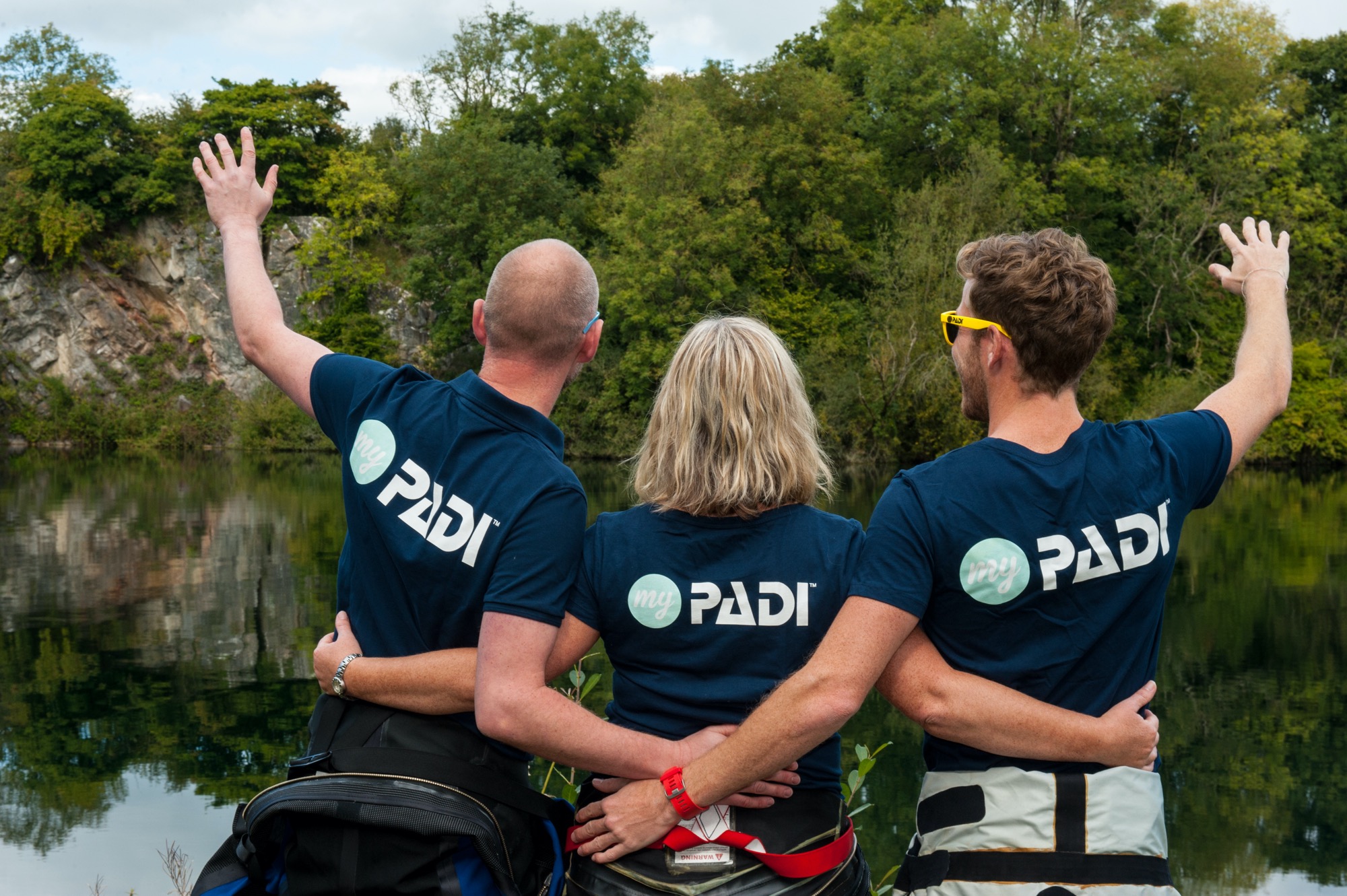
Use proven memory strategies to enhance your learning. Cognitive psychologists aren’t quite sure why (though they have theories), but repetition strengthens memory. This is why PADI eLearning uses repetition, and intentionally recalling and thinking about what we’re learning (including motor skills) is repetition. It’s better to learn in small “chunks” that we repeat and return to over time (days, weeks, even years) than to “cram” into long, single sessions. As we do this, we link to other memories, which strengthens them as well. For example, in learning the U-pattern in the PADI Search and Recovery Specialty course, as we review the compass settings, we mentally “jump” to learning them in the PADI Advanced Open Water Diver course. This creates a mental connection that refreshes what we learned then and makes what we’re learning now more enduring. Also, when appropriate, take notes, and do it by hand rather than by typing, because we learn better than way.
Take steps to maintain and improve your memory and brain function overall. Of these, as I discussed in a previous blog, sleep is vital for learning, memory and clear thinking. Staying mentally active by learning new, challenging things and trying new experiences is important, and so is staying physically active and eating well. Socializing with others is known to improve thinking – and note that diving is great way to accomplish most of these.
Wishing you great memories seeking adventure and saving the ocean.
Dr. Drew Richardson
PADI President & CEO
PS – Through the rest of 2025, make memories with friends with the PADI Refer-A-Friend Challenge. You can earn discounts and have a chance to win dive equipment when you share diving by signing someone up to the PADI Open Water Diver eLearning course – and they get a discount, too. Click the link and learn how.