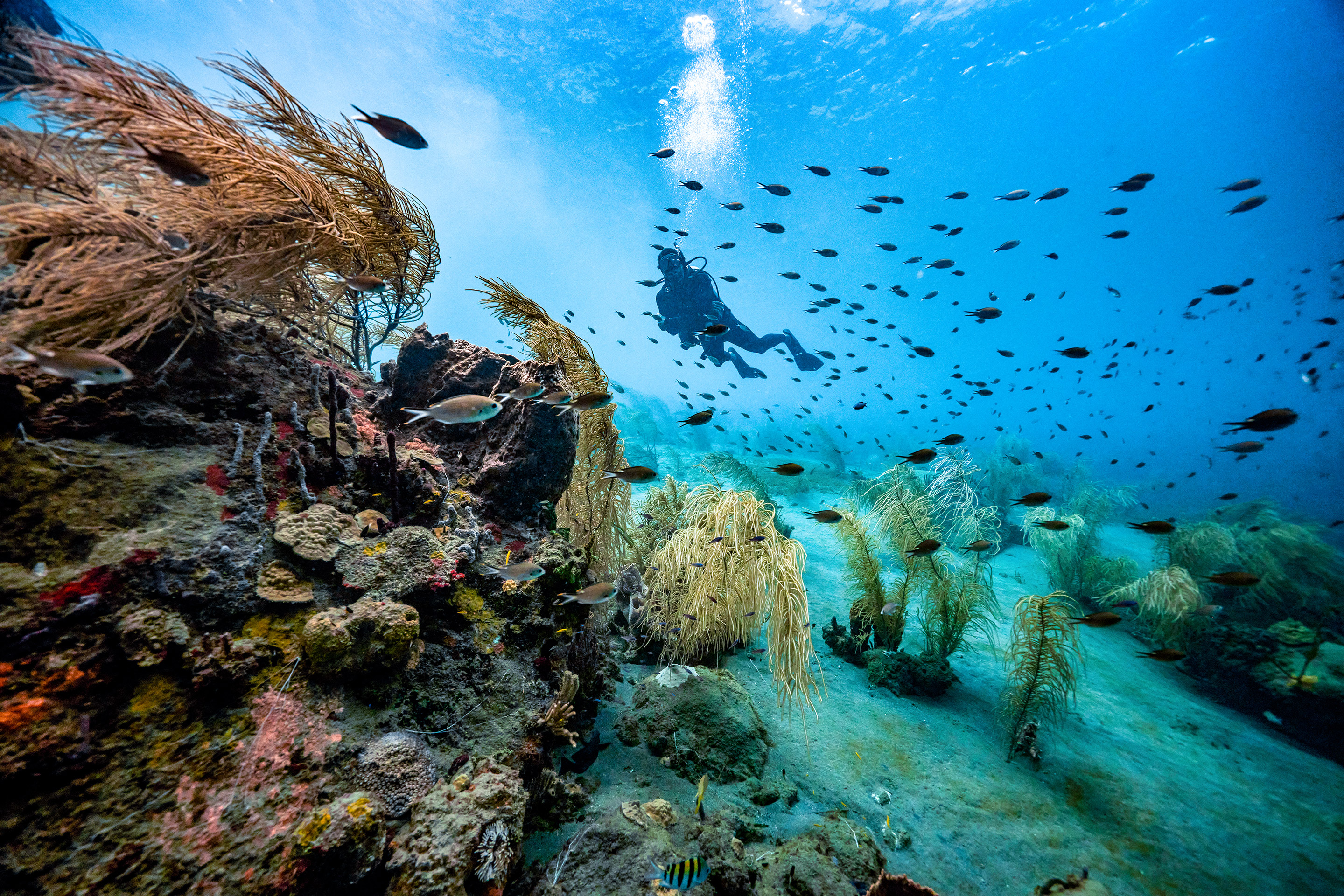
Many consider the Dominican Republic one of the best places to dive in the Caribbean. Whether you’re planning your first trip or are already familiar with the island’s charms, you can use your scuba skills to support ocean conservation efforts in the Dominican Republic.
Reef Check Dominican Republic

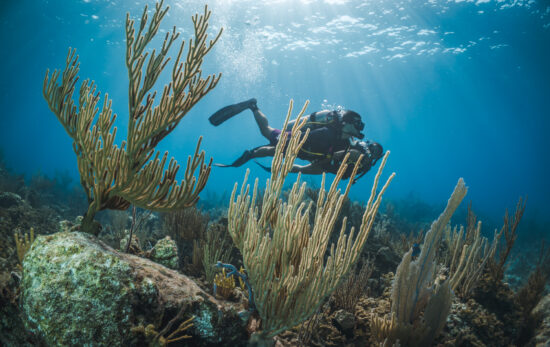
Reef Check’s EcoDiver program, a globally recognized citizen science program that teaches divers how to conduct reef health assessments, is offered at different dive shops. Data collected supports both regional and global conservation efforts. The curriculum includes classroom sessions, dry land practice and in-water training. The survey techniques you learn can be applied at home or the next time you travel.
Reef Check has volunteer teams in more than 40 countries and territories, including the Dominican Republic. Reef Check Dominican Republic promotes sustainable practices within the diving and snorkeling industry through a variety of programs, including diver training and the Green Fins program.
Green Fins is an international initiative developed by the United Nations Environmental Programme (UNEP) and The Reef-World Foundation. Green Fins provides a code of conduct and a set of best practices designed to minimize damage to coral reefs and marine life caused by diving and snorkeling activities.
Reef Check Dominican Republic, with support from the Propagas Foundation, also sponsors dive training for local marine science students and staff from environmental institutions. Participants receive conservation-focused PADI Open Water Diver and Advanced Open Water Diver scuba certifications from PADI Master Instructor and Marine Biologist Dr. Rubén Torres. Once certified, divers progress into Reef Check EcoDiver training. When training is complete, participants become strong advocates for ocean conservation in the Dominican Republic.

Slow Dive Casa Chihuahua
Slow Dive Casa Chihuahua is an eco-friendly PADI Dive Shop in Bayahibe, Dominican Republic. Run by PADI Instructors Julie and David (originally from Belgium), the school focuses on marine conservation and offers PADI diving courses, conservation programs and internships.
“The name ‘Slow Dive’ was inspired by the slow food movement,” co-owner Julie explains. The slow food movement promotes food that is:
- Good, high quality and healthy
- Clean and environmentally-friendly
- Fair to producers and consumers
Julie elaborates, “We apply these same principles to diving: quality equipment, experienced instructors, low environmental impact, fair prices and support for local businesses. We also take part in local education projects about ocean protection.”
Slow Dive lives up to its mission and is ranked as one of the top 10 environmentally-friendly dive centers in the world by Green Fins.

Julie is an oceanographer in addition to being a scuba instructor, and Slow Dive collaborates with the local NGO FUNDEMAR on coral restoration projects. Visitors can participate in coral restoration dives, including coral nursery maintenance and coral gardening, year-round. During coral spawning season, divers can help collect coral gametes for assisted fertilization.
Slow Dive also offers a two- to four-month Divemaster/Marine Conservation Internship for divers who are passionate about conservation.
“If you don’t have a lot of time, you can simply enjoy diving or snorkeling on the best dive sites in Bayahibe while learning small ways to care for the ocean,” Julie adds.
Get Involved in Ocean Conservation
Ocean conservation projects in the Dominican Republic are a small but important part of a global effort to restore the balance between humanity and nature. As a scuba diver or freediver, you can be a voice for the ocean and the creatures that live there.
To learn more about how you can support ocean conservation (locally or globally), visit the PADI AWARE conservation activity finder.