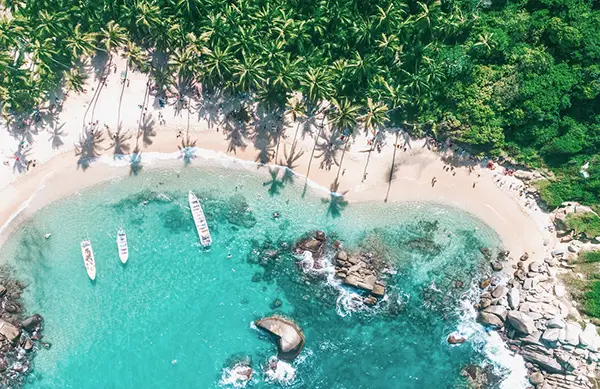
Vast blue waters, plummeting wall dives and pelagic marine life are just a few reasons you’ll find some of the world’s best diving in the Caribbean. From the Bahamas in the north to Bonaire in the south, it’s a go-to destination for divers planning their next unforgettable trip.
Wondering which Caribbean island has the best diving? That depends what you’re looking for. Across the region, you’ll find the best shore diving for beginners, deep wreck adventures for technical divers and vibrant reefs that feel tailor-made for underwater photographers.
Let’s take a look at the 15 best dive destinations in the Caribbean.
1. Belize
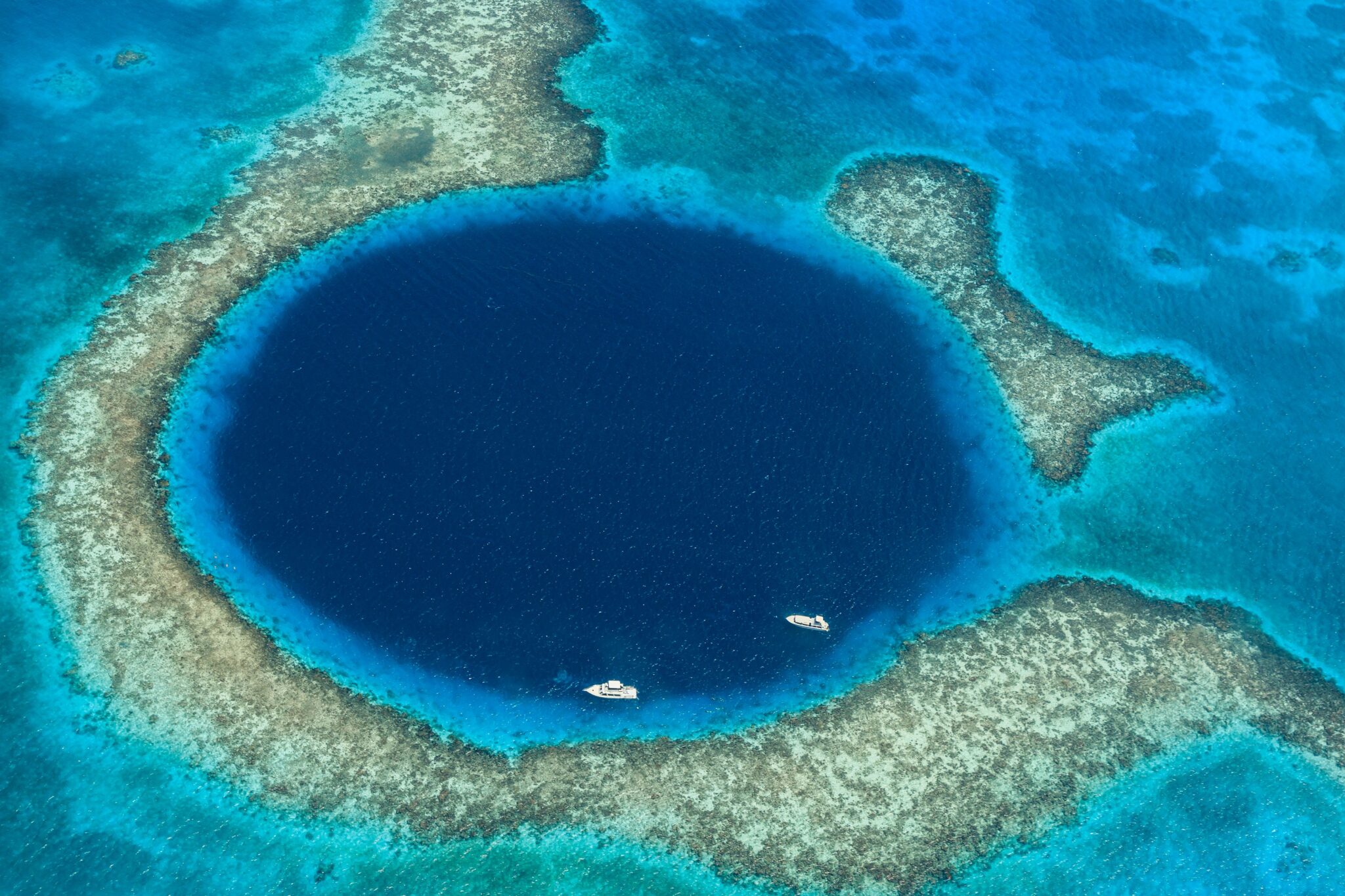
Between Mexico and Guatemala lies Belize. This tiny country is home to the Belize Barrier Reef Reserve System (BBRRS), a UNESCO World Heritage Site as the world’s second-largest reef system. As well as the world-famous Blue Hole, this astounding location is made up of more than 400 islands and is one of the best places for scuba diving in the Caribbean. The country boasts shore diving, gentle conditions for beginners and the possibility of whale shark encounters between April and June.
Half Moon Caye is one of the most popular sites in Belize. It offers astounding visibility, often at least 65 feet (20 meters) and exceptional marine flora at Open Water Diver-level depths. Turneffe Atoll (a circular reef system) is a bucket-list destination for larger marine life lovers, with regular reef shark and sea turtle sightings.
2. Bonaire
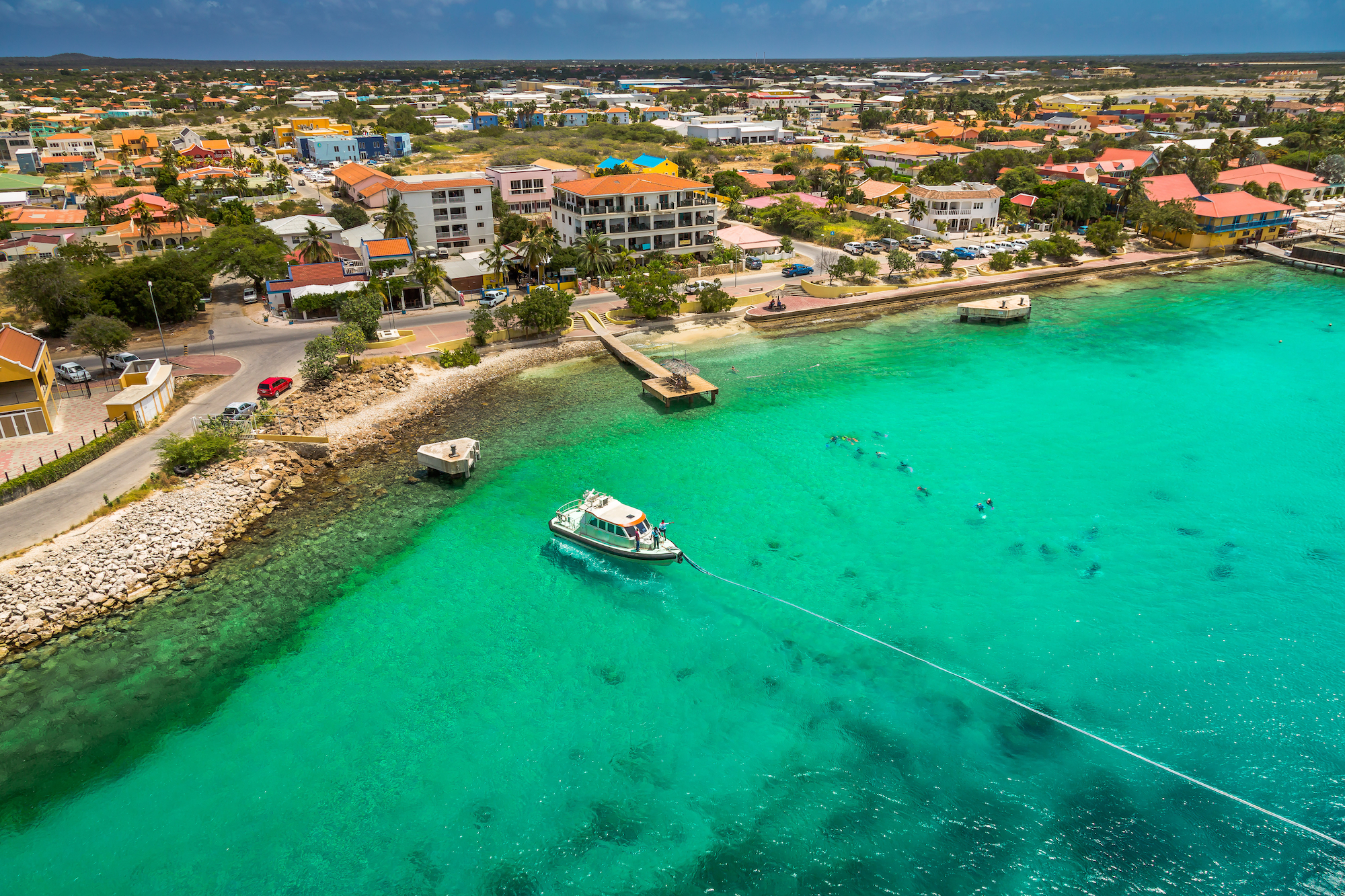
Often dubbed the “Diver’s Paradise,” Bonaire is a shore diver’s dream. It sits in the southern part of the Caribbean Sea, with its topography delivering dive sites that belong on any list of the best diving in the Caribbean.
For advanced-level dives (requiring an Advanced Open Water Diver certification), the Hilma Hooker wreck rests at 100 feet (30 meters) between two reef systems. It’s a breathtaking microcosm of diving in Bonaire itself — it has everything!
Furthermore, easily distinguishable by labeled yellow rocks, some of the most exciting shore dives in Bonaire include Angel City, 1000 Steps and Karpata. 1000 Steps is particularly famous due to the “staircase” divers have to take into and out of the water, while wreck lovers enjoy Karpata’s array of ship anchors.
3. Cozumel, Mexico
Cozumel sits on Mexico’s Caribbean coast and is one of the best year-round diving destinations. It’s easy to get to with some of the best Caribbean diving resorts for every budget and has more than 45 dive sites to offer! The southern area of Cozumel is also a protected marine park, successfully maintaining an abundance of colorful marine life for beginner and advanced-level swim-throughs and drift dives.
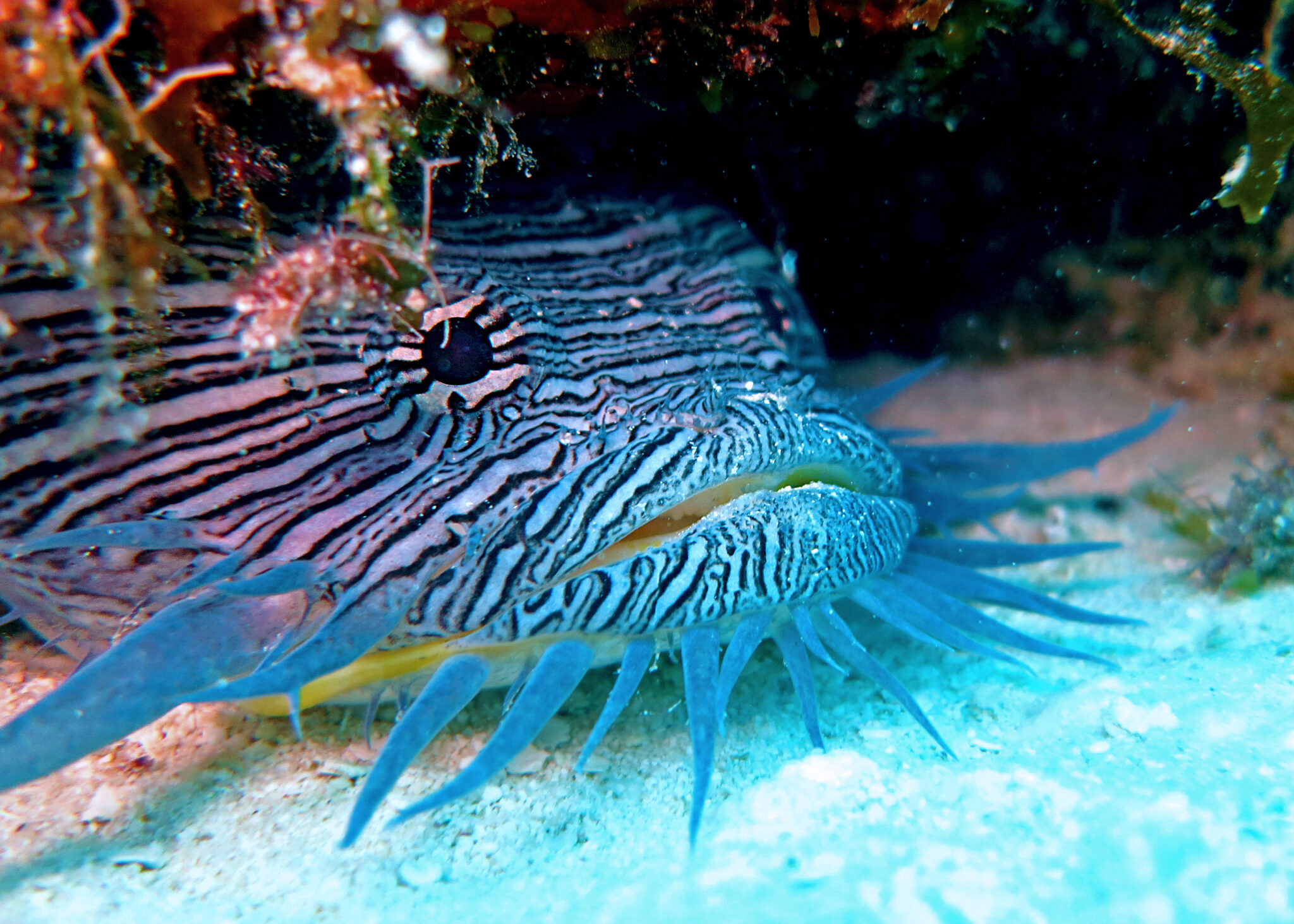
As well as smaller marine life, diving in Cozumel may include encounters with nurse sharks, eagle rays, turtles, moray eels and the rare splendid toadfish. Alongside its magical underwater world, Cozumel also boasts great nightlife and on-shore activities for non-divers.

4. The Bahamas
With national parks, island culture and flamingos, the Bahamas is a fun-filled dive location for both divers and non-divers alike. The archipelago is made up of more than 700 islands and located between the Caribbean Sea and the Western Atlantic Ocean.
Additionally, adrenaline-seekers will enjoy the aptly named Tiger Beach. That’s to say, it’s a hotspot for tiger sharks. You can also encounter hammerheads at Bimini on the same trip, offering some of the best shark diving in the Caribbean.
The hardest part of a trip to the Bahamas is trying to choose which dive sites to visit, as the possibilities are endless. Jeep wrecks in Jeep Reef or drift diving in Eleuthera and Harbour Island — which will you choose?
5. Cayman Islands
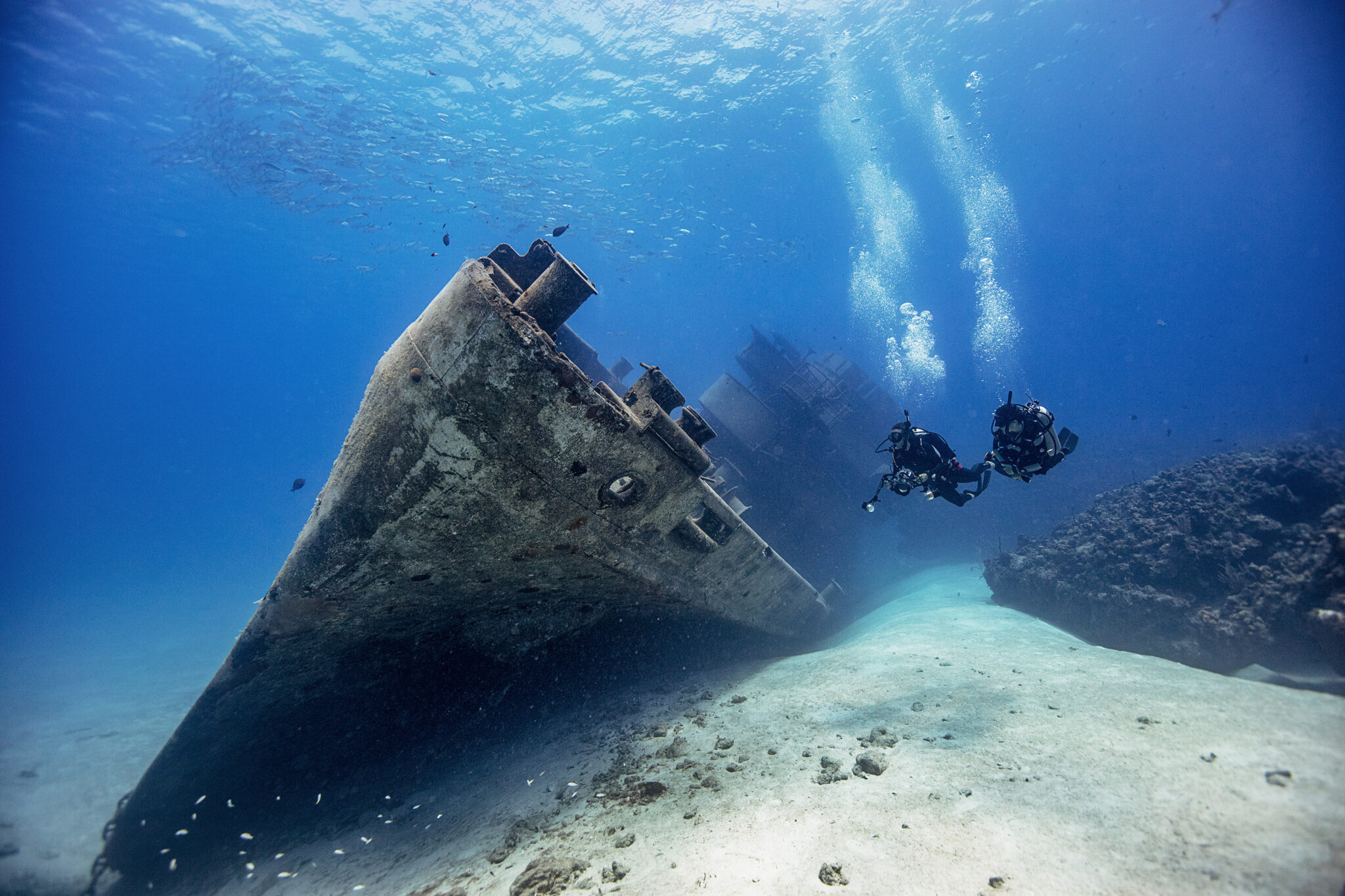
Grand Cayman possesses one of the best wrecks in the Caribbean, the USS Kittiwake. It rests at around 65 feet (19 meters) and is suitable for all diving abilities (the top of the wreck starts at 15 feet (4 meters)). The USS Kittiwake was artificially placed here in 2011 after being donated by the United States Maritime Administration (MARAD).
Aside from wrecks, the Cayman Islands also boast Stingray City. This is a collection of sandy banks that house huge arrays of stingrays. It is accessible to both divers and snorkelers. On Little Cayman, you can explore the perplexing Bloody Bay Wall dive site that most divers dream of visiting. This really is some of the best snorkeling and scuba diving in the Caribbean!
6. Curaçao
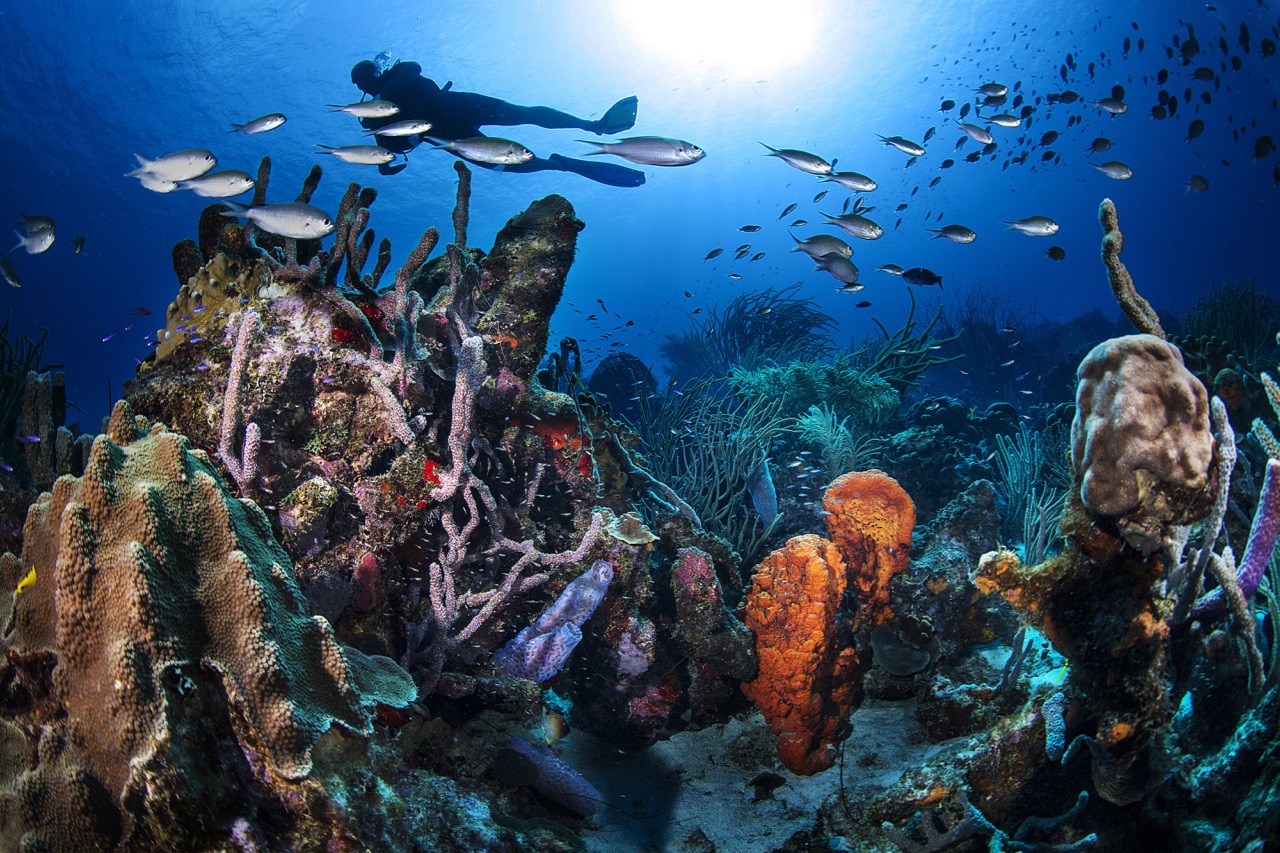
Curaçao is a Dutch Caribbean Island stretching 171 square miles (444 square kilometers). The island is most famous for its extensive marine life and rich coral reefs, making it one of the best diving places in the Caribbean. The lack of strong current means this island is a gentle yet stunning place for beginners to dive. Make sure not to miss Mushroom Forest, one of Curaçao’s most iconic boat diving sites.
The Caribbean certainly has a trend of striking wrecks, and the Superior Producer in Curaçao is no exception. The wreck allows divers to enter the cargo holds and wheelhouse, where encounters with lurking schools of barracudas and groupers are commonplace.
7. Roatán, Honduras
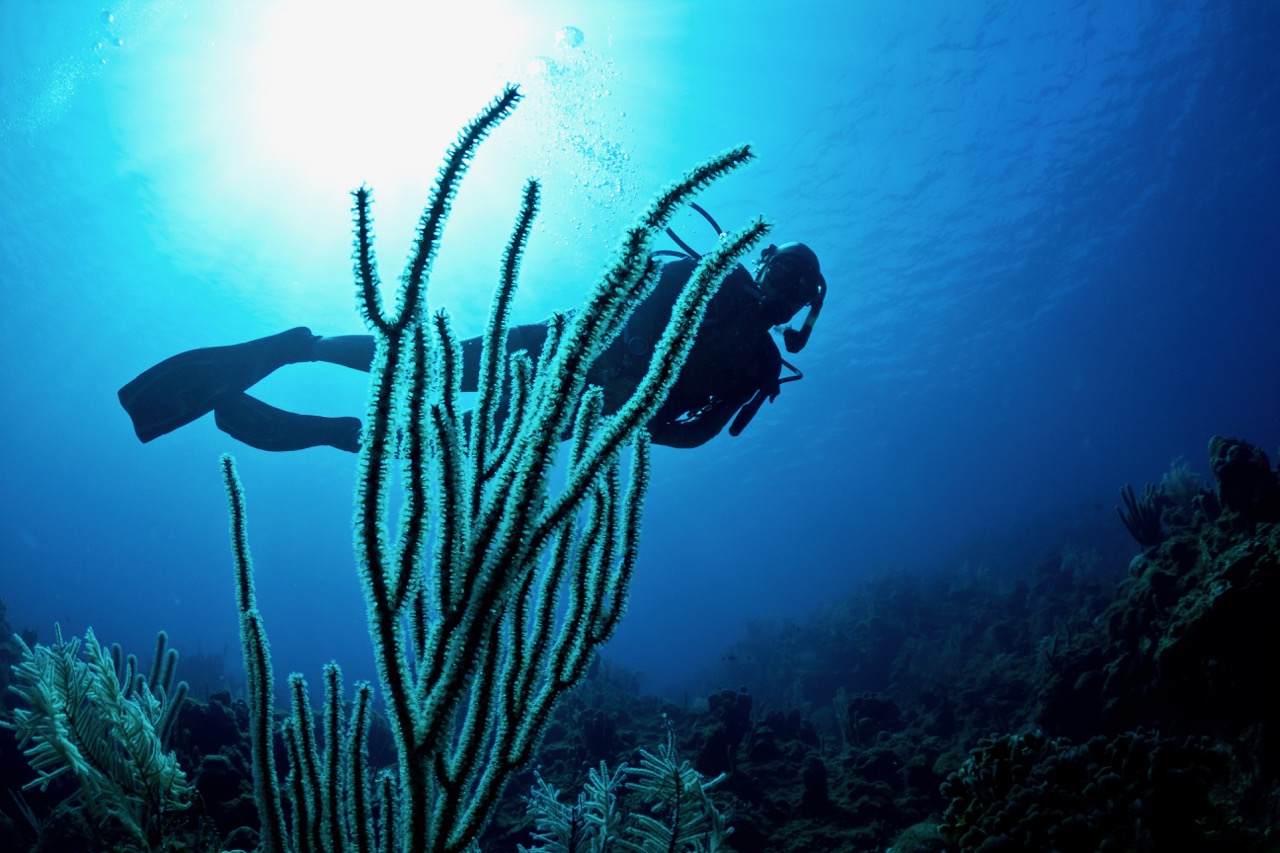
A border of coral reefs encapsulates this lush, mountainous island landscape. This is the largest of the three Bay Islands in Honduras and offers some of the best diving in the Caribbean for all levels. Above all, a must-see in Roatán is the famous Hole in the Wall dive site. It begins with a vertical descent into a hole before opening up to the endless blue alongside the reef wall. This site is suitable for beginners, with swim-throughs and rock formations at shallow depths.
For bright corals, schools of fish and the possibility of rays and moray eels, head to Sea Quest Shallow. Roatán also includes the El Aguila wreck to its catalog of dive sites. This site pairs a three-piece, 210-feet (63-meter) wreck with an adjacent reef.
Roatán is where hardcore divers fall in love with the underwater world all over again. Likewise, beginners wonder why they didn’t start diving sooner.
8. Dominican Republic
There are five highly renowned dive spots in the Dominican Republic: Bayahibe, Airport Wall, Santo Domingo, Juan Dolio and Paradise Reef. Bayahibe is one of the most popular locations with its vista of caves, wrecks and deep dives. Beginners can also access the Atlantic Princess wreck, while deep-certified divers can venture down to Saint George at 120 feet (36 meters).
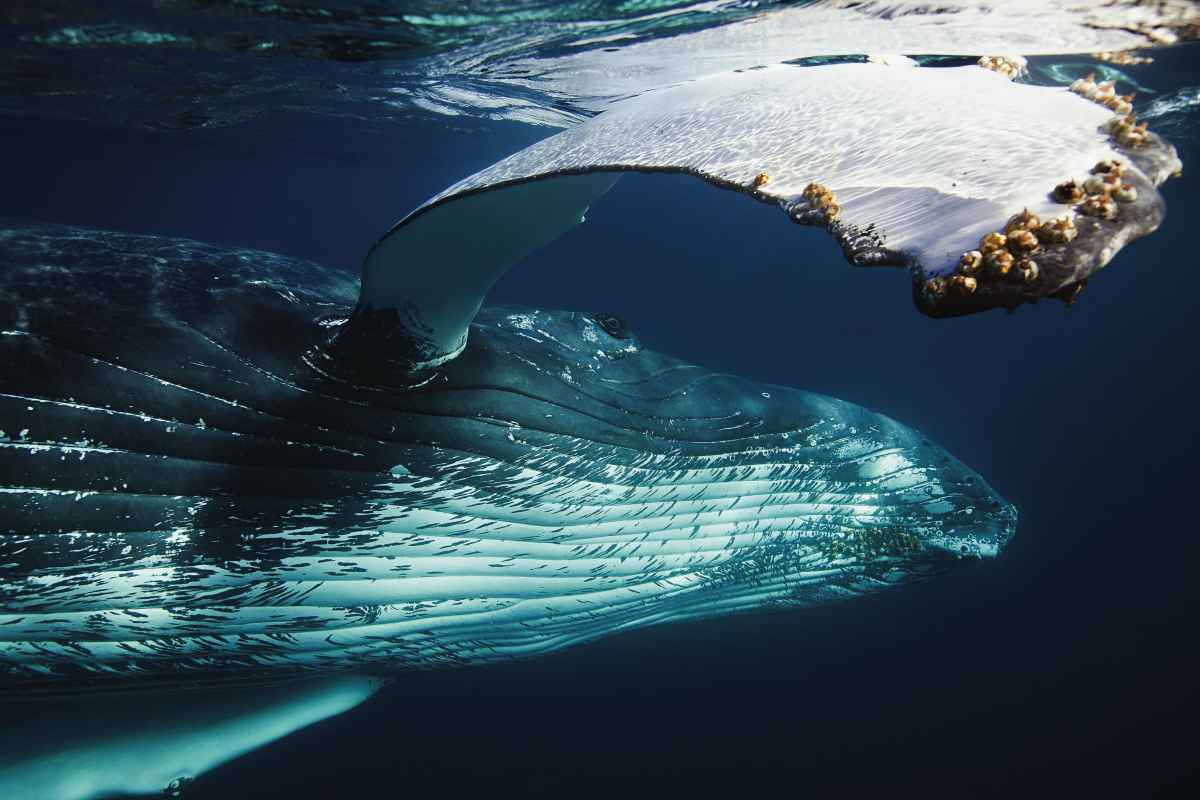
Just north of the Dominican Republic is Silver Bank. This sunken bank tucked in the blue sea of the Caribbean is one of the very few locations worldwide to swim with humpback whales. It’s a dedicated breeding and calving zone between January and April, resulting in some of the best Caribbean diving during the winter months.
9. Turks and Caicos
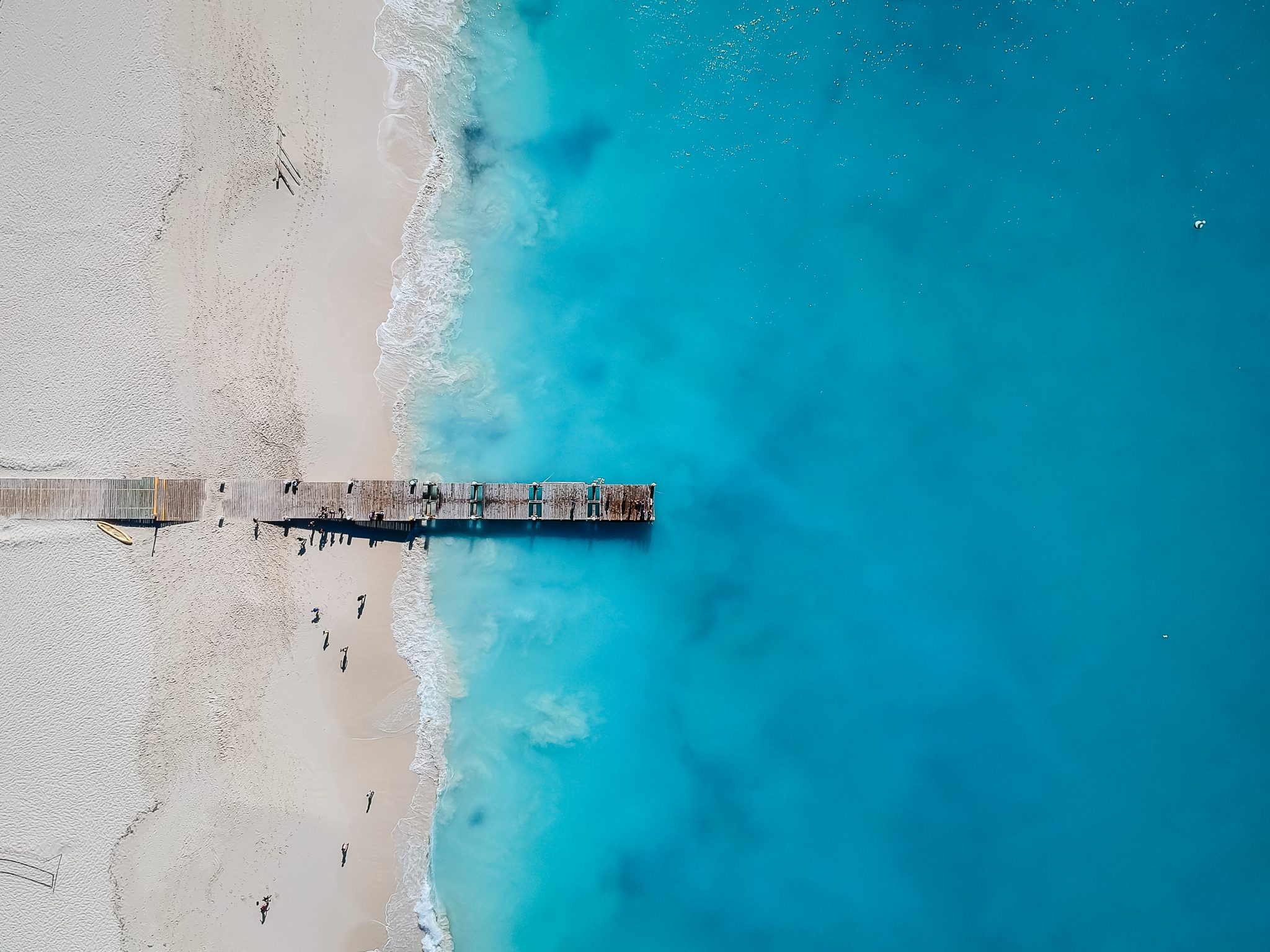
Just southeast of the Bahamas, you’ll find Turks and Caicos. This secluded archipelago is made up of 40 islands split in two by the Turks Island Passage — a vast 7,200-foot (2,200-meter) deep underwater trench. The most popular of the islands is Providenciales. It is home to colorful reef walls as well as gatherings of nurse sharks between July and September.
Turks and Caicos is particularly worthy of your diving bucket list because it’s one of the best Caribbean destinations for scuba diving with marine megafauna. From January to March, the trench serves as an underwater highway for schools of migrating marine life. Humpback whales, turtles and dolphins can all be seen here.
Turks and Caicos offers unbeatable wall dives in the Caribbean thanks to its submerged cliffs. Local drop-offs and caverns are populated with nudibranchs and other macro life. Salt Cay’s HMS Endymion is a must-see wreck in this destination that is slightly off the more trodden tourist path.
10. Aruba
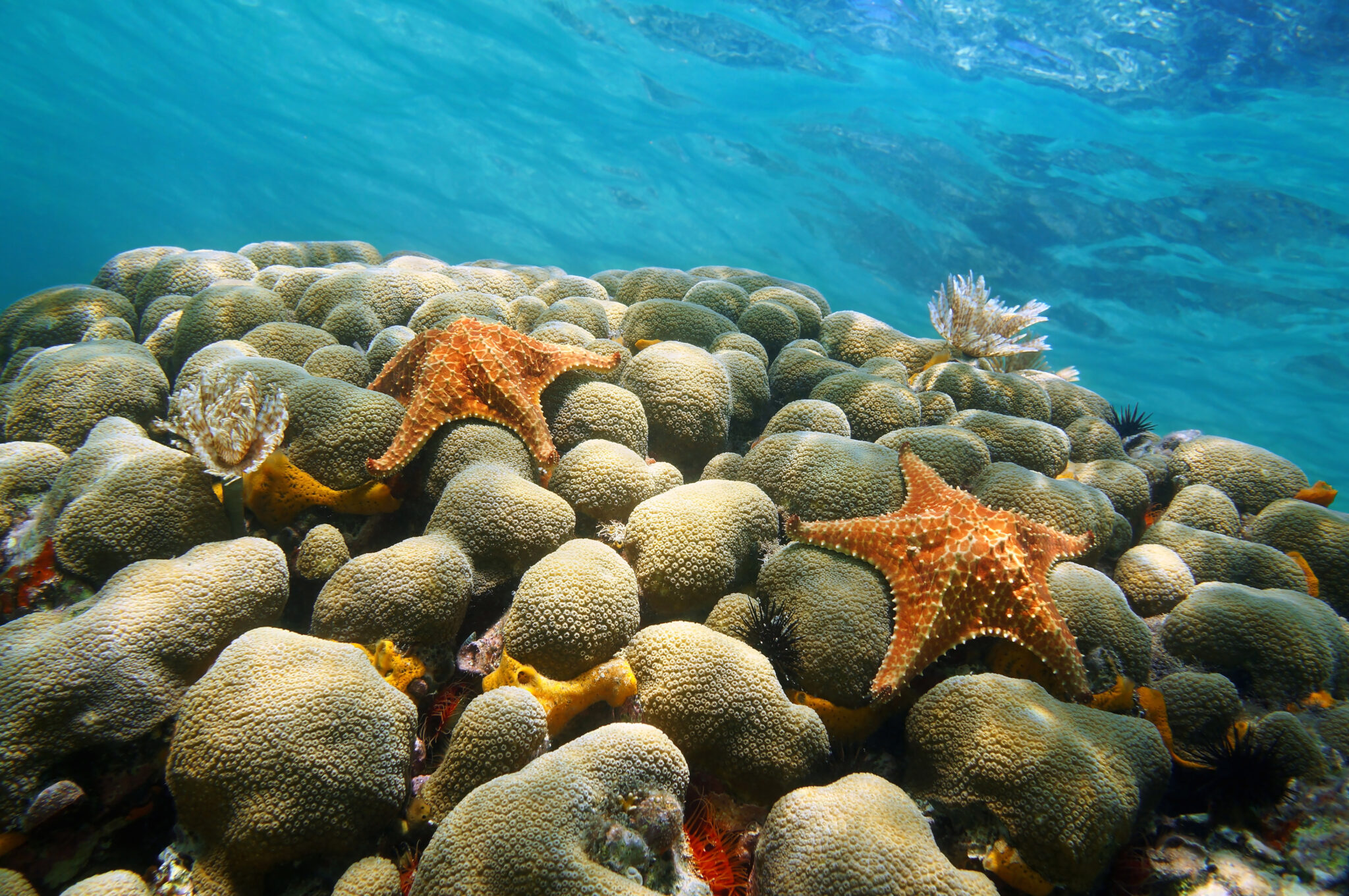
Just a 10-minute boat ride from the shore, Aruba houses the famous Antilla wreck. This makes it one of the best Caribbean dive spots. The sunken wreck is split into two parts, resting at 60 feet (18 meters), with some parts of the vessel visible above water. Divers can usually find lobsters, turtles and moray eels at this site.
Additionally, the island currently has 14 reef dive sites, seven wrecks and seven dedicated drift sites. Aruba is a particularly popular location from April to August, but it is comfortable year-round due to its location outside “Hurricane Alley.” It is much loved among non-divers, too, thanks to pearly white beaches, casinos and easily accessible snorkeling sites.
11. Grenada
Where is the unofficial capital of the Caribbean for wreck diving? Grenada. Just 100 miles (160 kilometers) north of Venezuela, this relaxed island offers a wealth of wreck dives for all levels, but the most impressive is undoubtedly the Bianca C. Sitting between 100 and 165 feet (30 to 50 meters), this world-class, 600-foot (183-meter) cruise liner is a must for deep and technical divers.
Action-packed drifts also await divers at Fisherman’s Paradise, where the Caribbean Sea meets the Atlantic Ocean. This is also a nutrient-rich environment for octopuses, eagle rays, moray eels and nurse sharks.
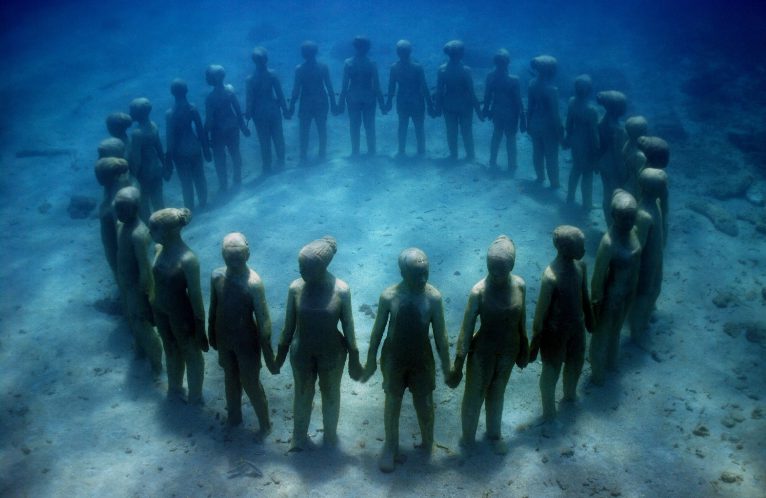
Closer to shore and accessible even by snorkelers and glass-bottom boats, the acclaimed Molinere Underwater Sculpture Park is a work of living art and shouldn’t be missed.
12. St. Croix, United States Virgin Islands
Peaceful St. Croix is the largest of the USVI’s three main islands. Its versatile waters blend the best of both worlds, as beginner-friendly shallow reefs meet thrilling wall dives and swim-throughs. For instance, Cane Bay Wall drops from 40 feet (12 meters) to over 3,000 feet (900 meters), with plenty to see within recreational limits, from seahorses and stingrays to 300-year-old anchors.
Continuing the theme of ‘something for everyone,’ the selection of shipwrecks at Butler Bay — from tugboats to giant oil barges — caters to newer divers, seasoned divers, boat divers and even shore divers. This is some of the best wreck diving in the Caribbean.
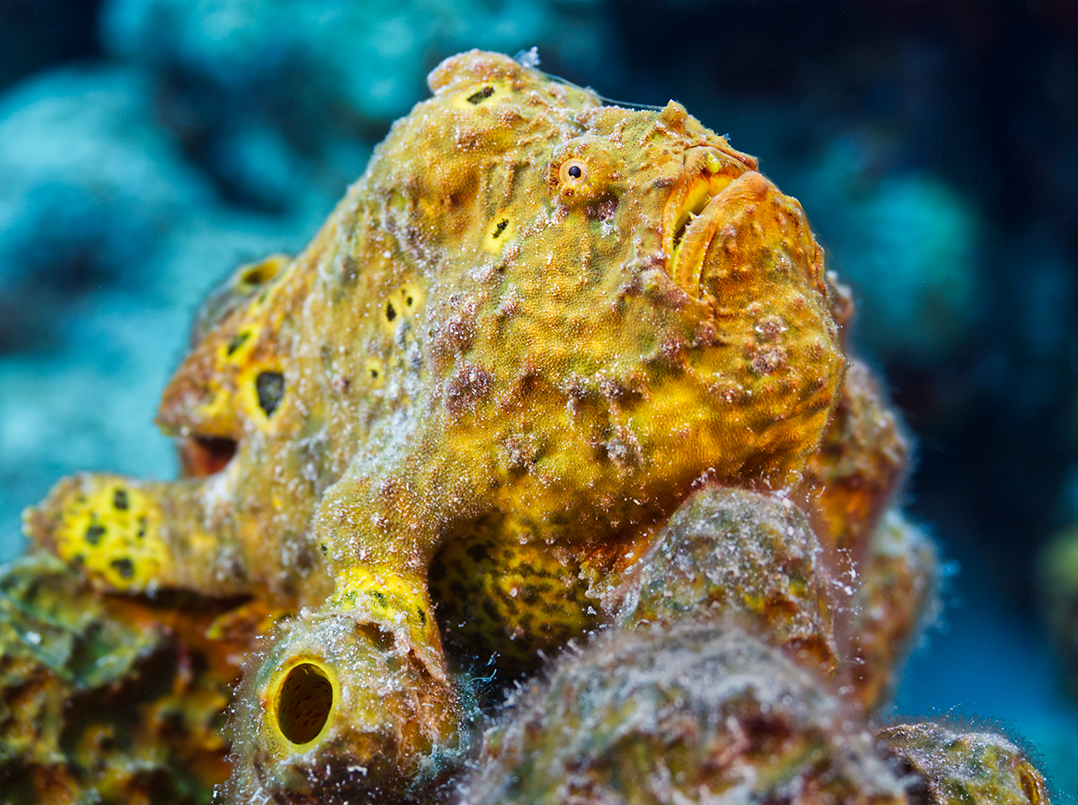
Finally, Frederiksted Pier is outstanding, especially after dark. Indeed, night divers regularly spot octopuses, squid, frogfish, crustaceans and other nocturnal critters.
13. Saba
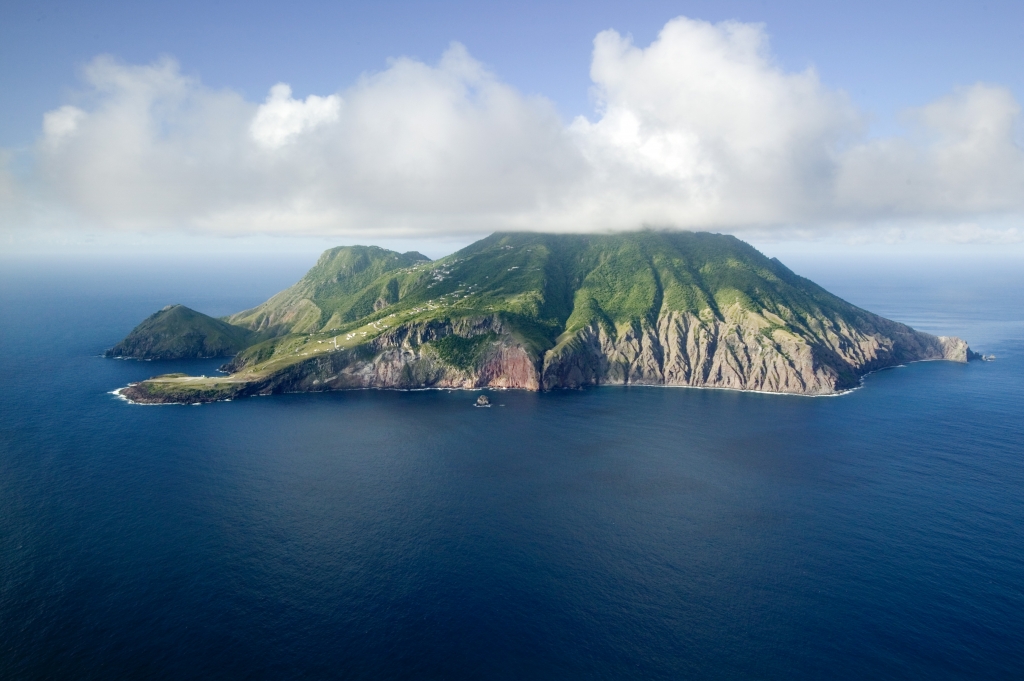
Known as the Unspoiled Queen, Saba’s wild land and seas both have protected status. The result is a canvas of lush jungle mountains and rugged coastlines that sit above an underwater haven of striking reefs and biodiversity.
Saba is particularly renowned for its dramatic topography. Diamond Rock is dotted with caves and tunnels, while Man O’ War Shoals offers an unforgettable swim-through between two high-rise pinnacles. The volcanic seascape is lined with impressive corals and creatures, such as octopuses, barracuda, frogfish, batfish, crustaceans and eels. Lucky divers might also encounter larger life, such as turtles, hammerheads and humpback whales.
Saba is a bucket-list destination, and it certainly has some of the best diving and snorkeling in the Caribbean. However, it’s only five square miles (13 square kilometers), so it’s typically enjoyed as part of a longer trip to nearby St. Maarten.
14. Saint Lucia
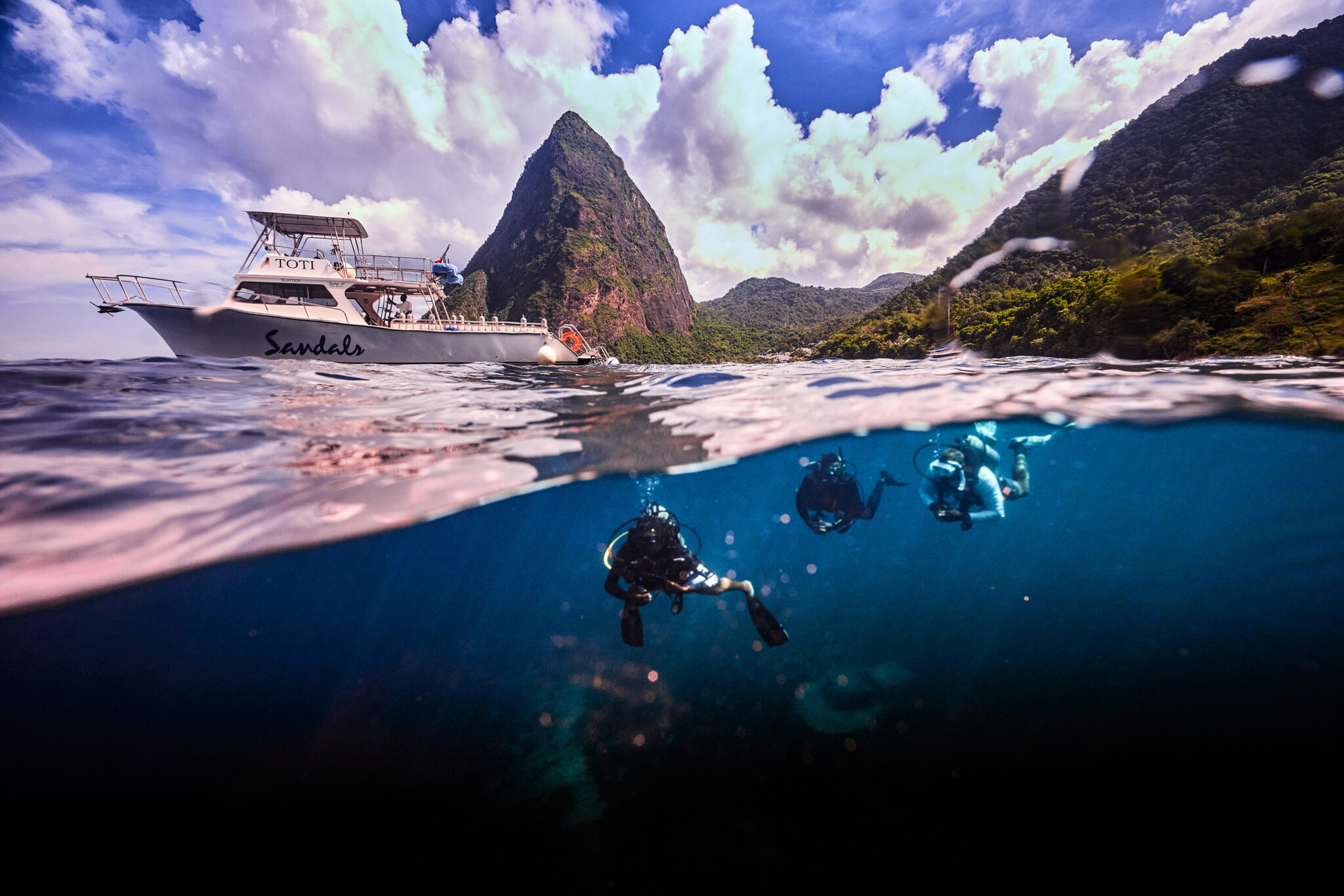
Saint Lucia has volcanic origins that contribute to an underwater environment known for its exciting topography. Its pinnacles, walls and reefs are excellent. Some of the most notable include Keyhole Pinnacles, Anse Chastanet Reef and The Pinnacles. Wreck lovers are also catered for in St. Lucia with the Lesleen M wreck, a 165-foot (50-meter) cargo vessel home to schools of colorful reef fish, sponges and hard corals. Sea turtles and manta rays frequent the waters around Saint Lucia as well.
In terms of visibility, St. Lucia typically offers 50 to 100 feet (15 to 30 meters), providing excellent conditions for photography. Within St. Lucia, the Soufrière Marine Management Area (SMMA) is a protected zone that encompasses several top dive sites, helping ensure the preservation of marine habitats.
15. Providencia, Colombia
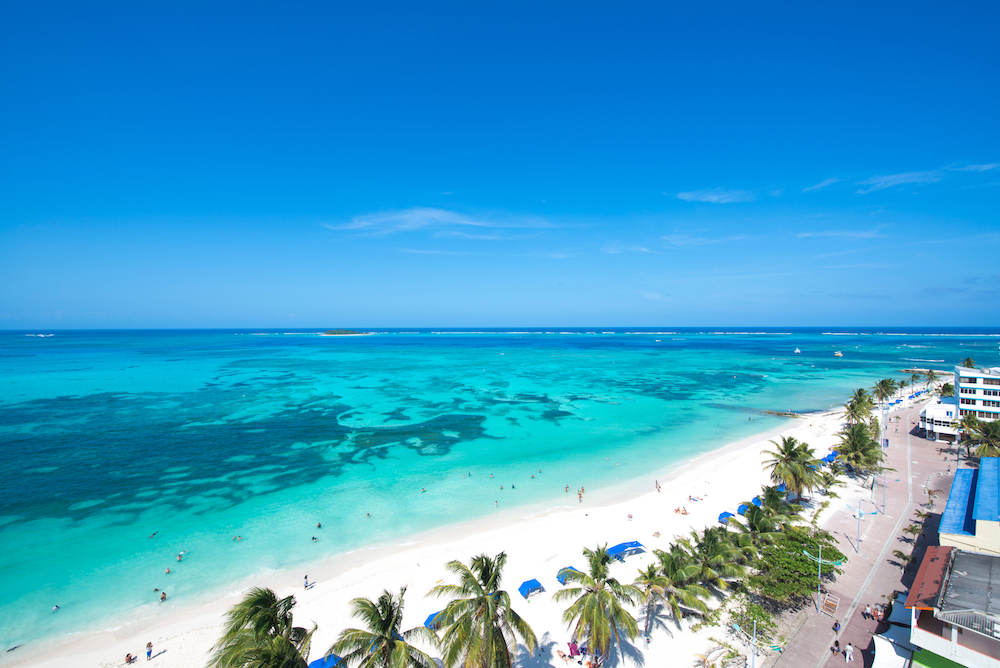
Providencia, a Caribbean island in Colombia, is known for pristine reefs, colorful marine life and an undisturbed marine environment. A key reason for this is due to conservation efforts in the region. This includes Providencia’s involvement as part of the Seaflower Biosphere Reserve, a UNESCO-designated area that protects its rich marine biodiversity.
Visibility here often exceeds 100 feet (30 meters), providing excellent conditions for underwater photography. Tropical fish are abundant in the coral gardens of the beginner-friendly sites, such as Crab Cay (Cayo Cangrejo). Meanwhile dive sites, including El Pico and Southwest Bay, offer more dramatic rock formations and drop-offs into deeper waters for more experienced divers. The best time to visit Providencia is during the dry season (December to April) when marine diversity and water clarity are at their best.
Liveaboard Diving vs Dive Resorts — Which Should You Choose?
Dive sites in the Caribbean span considerable distances, so single resorts typically access only a specific selection.
The Liveaboard Choice
If diving is the whole reason for your trip, a liveaboard is absolutely the way to go. You’ll cover more dive sites in one trip than you may be able to reach with several weeks at a dive resort in the Caribbean. Secondly, you’ll log considerably more time in the water as transport between dive sites is significantly reduced.
Liveaboards typically run three to four dives per day, including night dives. This means a seven-night trip could result in you logging 20+ dives. For divers looking for unique sites and extensive dive time, they are ideal. It’s worth noting that liveaboards allow you to reach less-visited sites that day boats and resort divers simply can’t get to.
Lastly, liveaboards are some of the most social forms of dive trips available! You’ll stay in close quarters with your dive buddies as you eat, dive and socialise together. Many divers find lifelong friends onboard liveaboards.
The Dive Resort Choice
A dive resort trip is a common choice if diving is part of a broader trip rather than the entire focus. Mixed groups, families and newer divers are often well-suited to dive resorts thanks to the range of activities and the flexible dive schedule they offer. However, dive resorts in the Caribbean don’t skimp on exceptional diving, with many situated in world-class locations like the Cayman Islands and the Bahamas.
For divers, or non-divers, looking to gain a new certification, a dive resort is convenient. At all PADI Five Star Dive Resorts, guests can undertake a variety of PADI courses onsite. Dive resorts allow you to learn skills and visit exceptional sites in a single trip.
FAQs About Diving in the Caribbean
Still have questions? Here are the answers to some of the most commonly asked questions about diving in the Caribbean.
What Is the Best Time of Year To Go Diving in the Caribbean?
The Caribbean offers excellent diving year-round, but the ideal time depends on weather conditions and your preferences.
- Dry Season (December to April): This period offers the most favorable conditions above and below the surface. The lower rainfall provides calmer seas and better visibility. Keep in mind that dry season is high season, so you’ll want to book dive trips further in advance.
- Wet Season (May to December): These months are also known as hurricane season, when wet conditions generally prevail. However, diving is still possible, and prices are often lower. Marine life stays vibrant during the wet season, though reduced visibility can affect your dives.
What Marine Life Can I See in the Caribbean?
The Caribbean offers a rich and colorful underwater scene for divers. Commonly encountered pelagic marine life includes barracudas, grouper and several shark species. Brain coral, elkhorn and soft corals also thrive among parrotfish, angelfish and butterflyfish. For more information on the species you can see during the year, head to our Caribbean dive guide.
What Certification Level Do I Need To Dive in the Caribbean?
Most regions of the Caribbean are comfortable for all certification levels. This means it’s suited to those looking to learn to dive or interested in becoming a PADI Pro. Destinations with shore diving and calm conditions, including Belize, Bonaire and the Cayman Islands, are better suited to beginners. More experienced divers, those with an Advanced Open Water Diver certification and above will likely appreciate the swim-throughs and caverns in St. Croix or Saba!
Ready To Dive in the Caribbean?
The Caribbean has plenty to offer both divers and non-divers. If these top Caribbean dive spots have tempted you, it’s time to book your next adventure!
Mixing exciting topside activities with underwater exploration is easy at the best scuba diving resorts in the Caribbean. Alternatively, you can get away from it all by opting for a liveaboard trip. November to April is generally the best time of year to dive in the Caribbean (June to November has a risk of hurricanes in some parts), but the diving is generally excellent year-round.
Contact PADI Travel today to find the best diving in the Caribbean for your interests. Let us help you turn your dream scuba getaway into a reality!
Click to display the embedded YouTube video
How To Experience the Best Diving in the Caribbean
Not a certified diver yet? Then get ready to jump in! Many of these destinations promise some of the best Caribbean diving for beginners. They are also ideal places to learn to scuba dive. There’s nothing better than the thrill of learning a skill that opens your eyes to a whole new world of underwater adventure.
Sign up for a PADI Open Water Diver course at one of the resorts linked above or contact your local PADI Dive Shop to get started before your next vacation. Once you’ve experienced some of the best diving in the world, you’ll never regret learning to dive.