Malaysia’s friendly locals, vibrant culture, endless beaches and incredible diving make it a must-visit country on any Southeast Asian travel itinerary.
Divers are drawn to the vibrant coral reefs which offer impressive marine life sightings and a selection of excellent wreck dives.
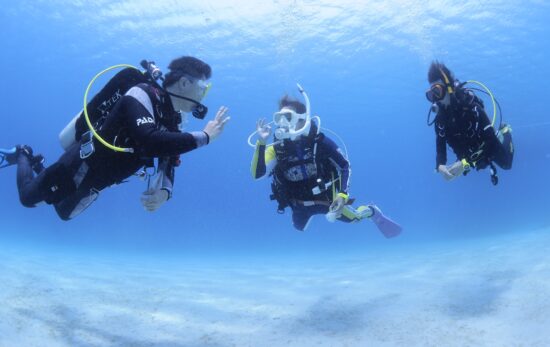
Malaysia is home to an array of world-class dive sites which are suitable for all experience levels. Whether you are learning to dive or you’re a seasoned dive traveller, once Malaysia casts its spell on you, you’ll be kept captivated, dive after dive.
Here are just a few of Malaysia’s top dive locations and dive sites. What are you waiting for? Dive in!
Sipadan and Mabul
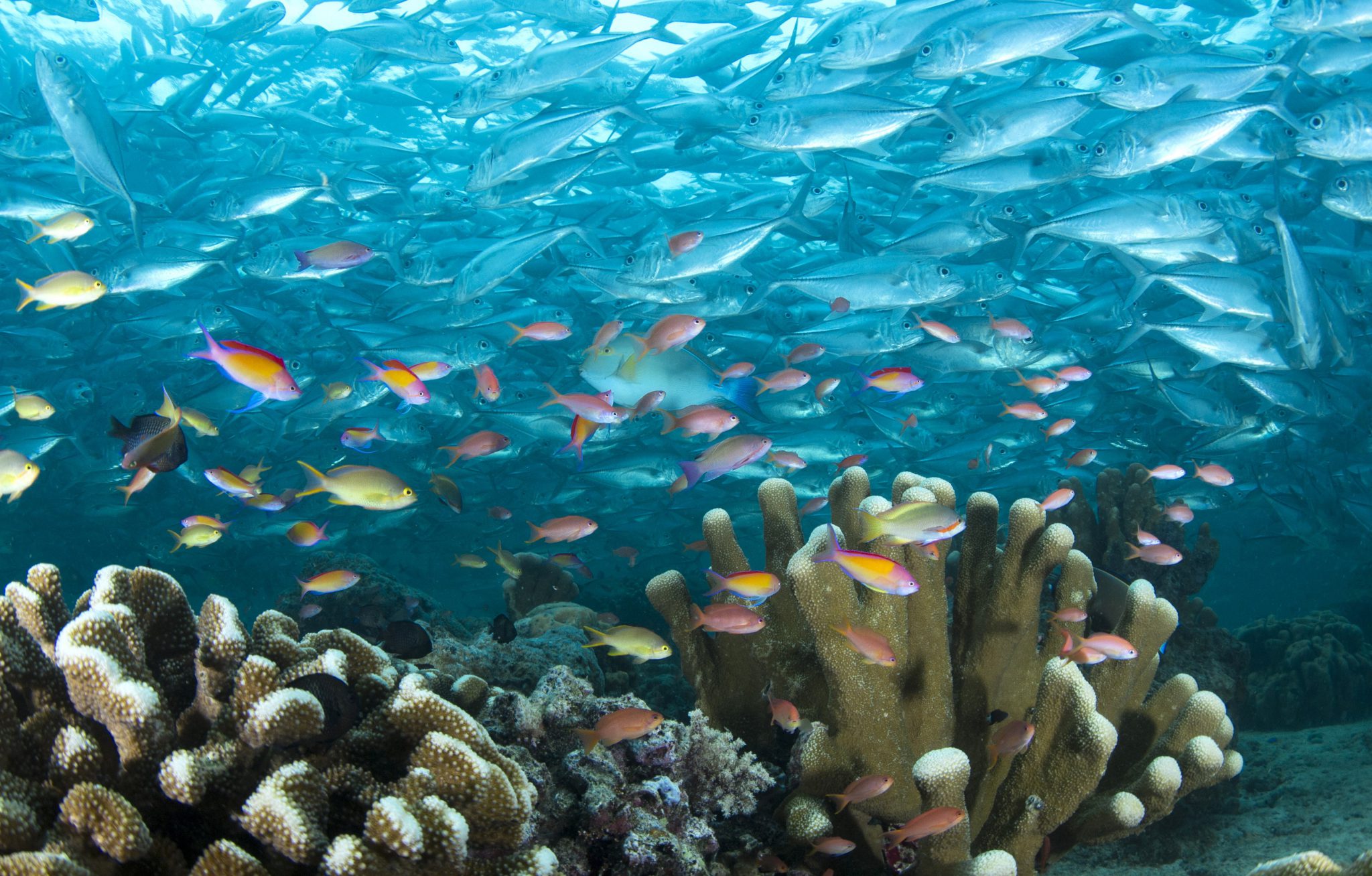
These two islands are world-famous among scuba divers. Sipadan boasts phenomenal coral reefs and walls, an abundance of turtles, pelagics, sharks, rays, schooling fish and downright impressive biomass. This marine protected area is one of the best preserved diving locations on Earth. In short, it must be dived to be believed!
Nearby, Mabul Island is best known for its world-class muck and critter diving. If you like hunting for the unusual, then this is the place to dive. For macro underwater photographers, the opportunities are limitless.
Tun Sakaran Marine Park
A jewel within Tun Sakaran Marine Park, Sibuan Island is a dream for macro lovers. Its sloping sandy reefs are home to mandarinfish, nudibranchs in every color imaginable and a kaleidoscope of crustaceans and cephalopods. Calm conditions, crystal-clear shallows and abundant marine life make it an ideal site for both muck divers and underwater photographers.
Pom Pom Island
Encircled by warm, turquoise water and healthy coral gardens, Pom Pom Island offers serene, easy diving with big rewards. Turtles glide past divers on nearly every dive, and the island’s reef slopes are bustling with reef fish, hard and soft corals and the occasional passing pelagic. Its peaceful atmosphere and excellent visibility make Pom Pom a favorite for divers seeking relaxed yet wildlife-rich dives.
Mataking Island
Famous for its “Underwater Post Office” and stunning house reef, Mataking is a feast of color and biodiversity. Schools of barracuda, turtles, frogfish and ribbon eels are commonly spotted here, alongside thriving corals and vibrant sponges. With both gentle reef dives and deeper sites nearby, Mataking offers something for every diver, from beginners to seasoned photographers.
Redang Island
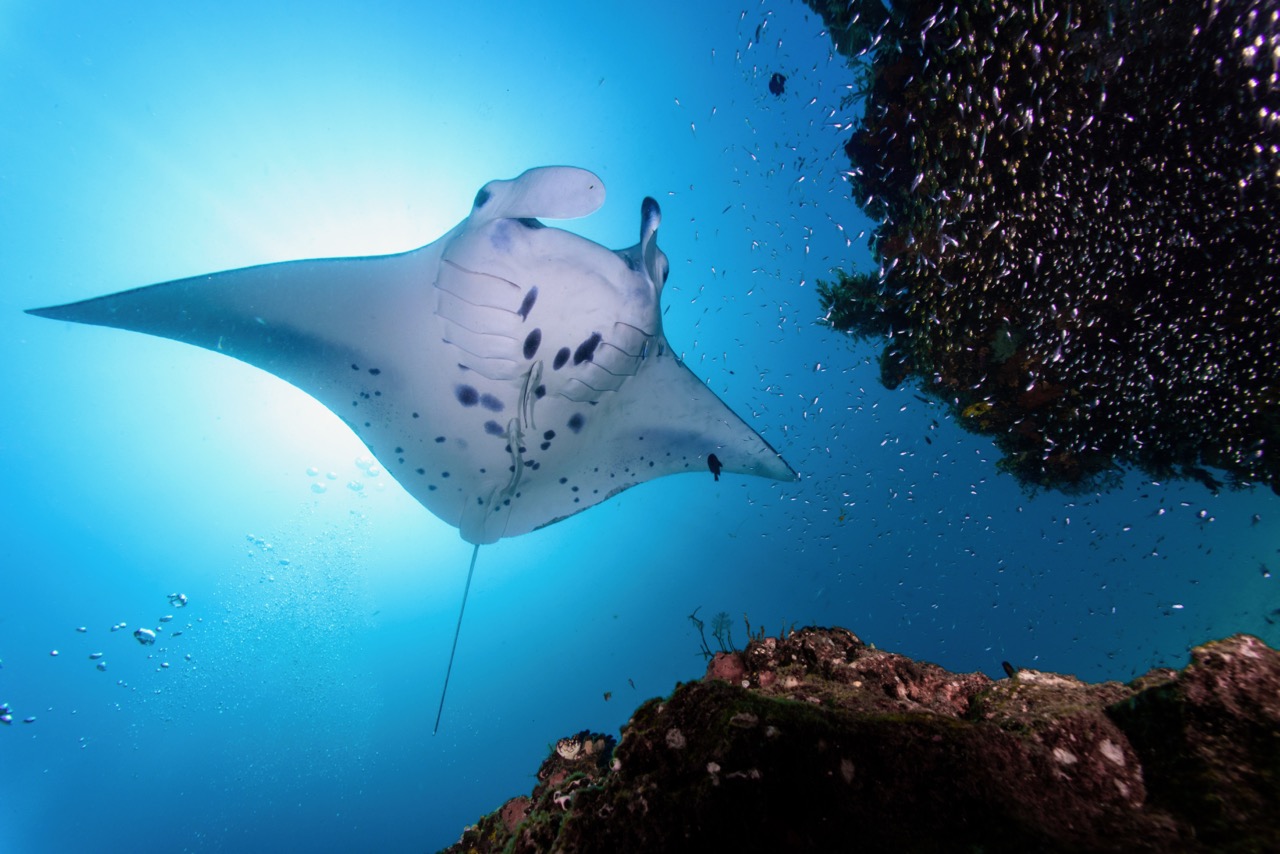
Redang Island lies within the Terengganu Marine Park, nearby the city of Kuala Terengganu, on the east coast of Peninsular Malaysia. It offers great dive sites and perfect dive conditions. Pulau Lima is a seamount dive site where impressive, coral-adorned boulders rise up to around 30 meters (100 feet). When the currents are running, the highlight of diving here is the chance to see large pelagic species. These include tuna, barracudas, reef sharks, manta rays and even whales.
Lang Tengah Island
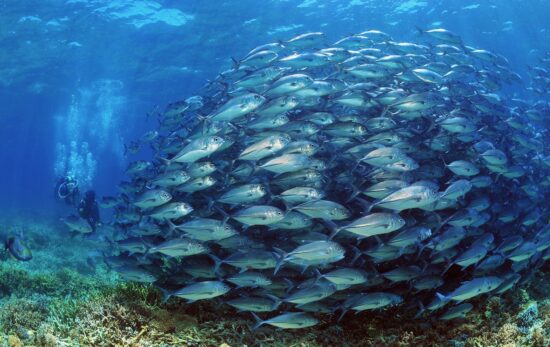
Located between the islands of Redang and Perhentian (see below), the smaller and lesser-known island of Lang Tengah offers great diving opportunities. The diverse and colorful reefs feature encounters with turtles, resident schools of jacks, barracudas and leopard sharks. And, the site is well-loved for sightings of juvenile black tip reef sharks in the shallow waters by the resort jetty. Lang Tengah’s generally easy conditions make diving here suitable for all levels, including beginners.
Perhentian Islands
The Perhentian Islands’ easy diving conditions make the area ideal for those who enjoy relaxing dives with little current yet abundant marine life. Shallow reefs which showcase kaleidoscopic corals and are home to sea turtles and an array of reef fish, making the Perhentian Islands a favorite among many Malaysian divers.
Furthermore, for wreck diving enthusiasts, Sugar Wreck should not be missed. This wreck sank during a monsoon in 2000 and quickly became part of the ocean environment. It boasts healthy coral growth and a number of resident marine species. Look out for bamboo sharks and barracuda within the wreck, which now rests on its side at 30 meters/100 feet. Schools of snappers, jacks and trevally are frequently spotted circling the hull and create a wonderful wide-angle photography opportunity.
Tenggol Island
Tenggol Island is one of Malaysia’s up-and-coming hotspots. Thanks to easy access from Kuala Lumpur, dive-lovers can travel to Tenggol stress-free for exceptional sightings. Above all, divers flock here to witness whale sharks between April and October, particularly in Tokong Timur, where strong currents are noted (best for advanced divers). Peak dive season aligns with whale shark season, providing the calmest waters and comfortable weather conditions.

Tioman Island
Tioman Island’s white sand beaches and crystal clear waters make it an idyllic diving holiday destination. Dive sites offer calm conditions for easy and relaxing dives. The coral encrusted pinnacle at Tiger Reef is an underwater explosion of color and a magnet for marine life. When the currents are running, look out to the blue for large schools of rainbow runners, jacks, mackerel and barracudas as you drift over the reef. Take time to explore the canyons, too. Lionfish, scorpionfish, spotted stingrays and moray eels are all common sightings.
Langkawi and Payar Island Marine Park
Just a short boat ride from Langkawi, Payar Island Marine Park offers some of the most accessible and beginner-friendly diving in northern Malaysia. Protected waters, vibrant marine life and calm conditions make this marine park a top choice for new divers, families and anyone looking for relaxed reef exploration.
Tunku Abdul Rahman Marine Park
Tunku Abdul Rahman Marine Park (TAR Marine Park), in western Sabah (Borneo) deserves a mention here, too. Primarily known for its impressive macro life, that’s not all this area has to offer. If you can tear yourself away from critter hunting on the reef, you have a good chance of spotting the rays, reef sharks and sea turtles that also frequent the park. Furthermore, you may well be rewarded with a whale shark encounter during March or April.
Mantanani Island
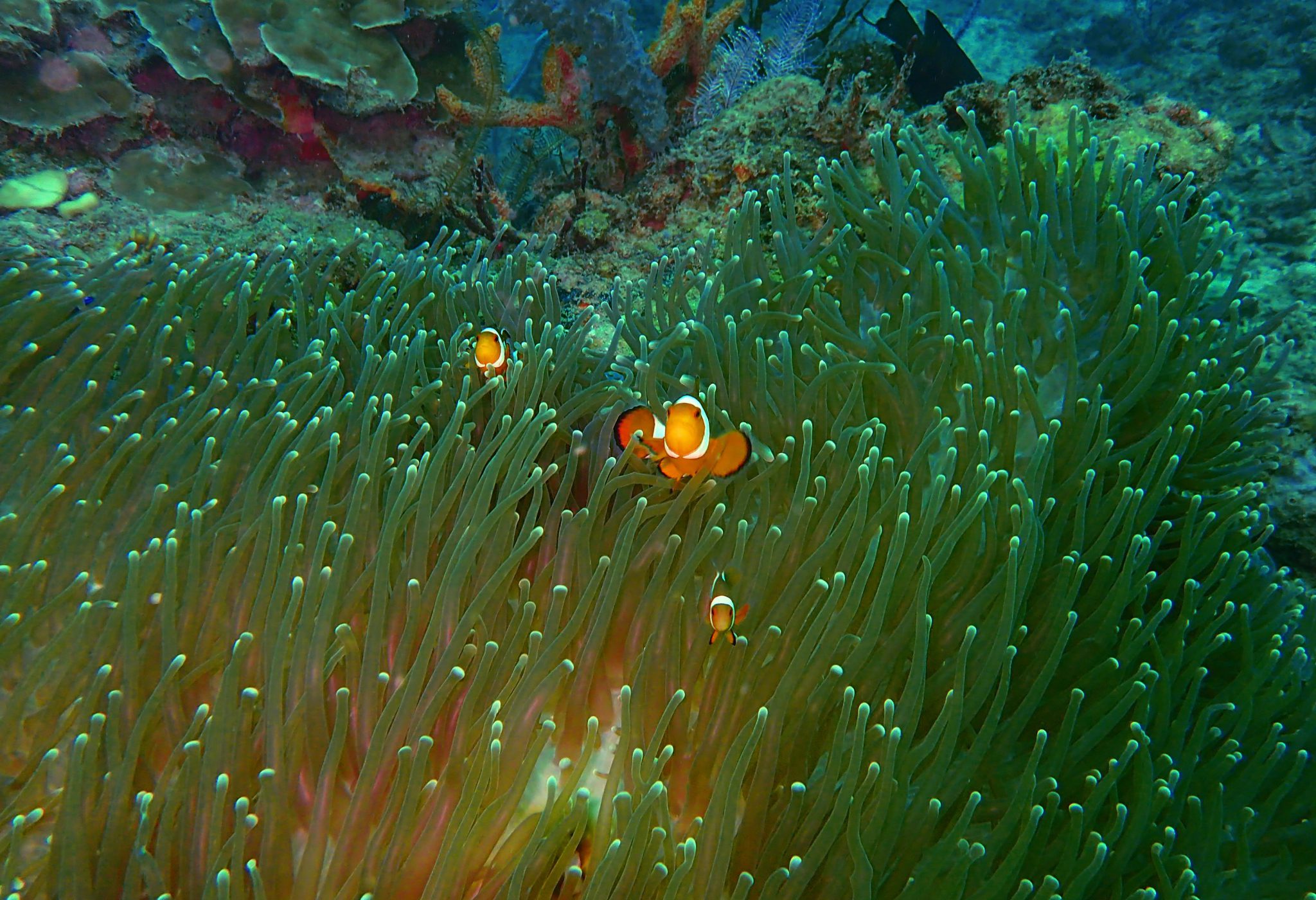
As one of Malaysia’s front runners for excellent visibility, Mantanani Island boasts visibility up to 40 meters (130 feet) and, on average, 20 to 30 meters (66 to 100 feet)! Here, you’ll dive amongst seriously colorful coral gardens and tropical fish. This must-dive spot for reef-life lovers is home to snappers, nudis, surgeonfish, lionfish, turtles and the occasional reef shark. Bear in mind that the boat ride here can be subject to water condition change, so you may end up with a current.
Lankayan Island
Lankayan Island sits in the Sulu Sea, where visibility can fluctuate significantly. Luckily, the underwater environment features dramatic wrecks and large reefs visible regardless of the conditions. If whale sharks are on your bucket list, head to Lankayan between March and May for the best chances of sightings! Or, schedule your trip for turtle nesting and hatchling release from June to September. Ensure that your dive shop plans dives meticulously due to the varied visibility in the area, which can be as low as 5 to 15 (16 to 50 feet).
The WWII Wrecks of Kuching
Two of Malaysia’s most famous wrecks, the Katori Maru and the Hiyoshi Maru, lie off the coast of Kuching. These Japanese World War II wrecks both sit at around 20 meters/65 feet, and while the Hiyoshi Maru remains intact, the Katori Maru is considerably more broken down. Both wrecks have become productive reef systems and attract a diverse mix of marine life.
Kenyalang Rig Wreck (Miri)
Sunk in 2004, Kenyalang is an oil rig wreck in Miri. It’s amous for being the first oil rig platform to be deliberately sunk. Kenyalang’s super long 20 meter/65 foot structure can be seen lying on its side in 12-14 meters/39-45 feet of water. Teeming with all sorts of marine life and coral, divers can expect to spot anything from schooling snapper to scorpionfish, batfish and even sea whip coral!
Are You Ready To Dive in?
Start planning your next diving adventure to Malaysia and locate a PADI dive shop today. Happy diving!