
Are you unsure if the PADI Rescue Diver course is right for you? When I was an Advanced Open Water Diver, I was sure Rescue Diver wasn’t for me. I’m only 1.6-meters/5-feet-3-inches tall, and I didn’t see myself rescuing another person. A small dog — maybe — but not another diver.
But my snap decision was based solely on the name of the course. Thankfully, someone explained what I would learn in the Rescue Diver course, and I decided to sign up.
I’m so glad I did, because the experience was completely transformative. At the start of the course, I was a reluctant diver who often felt uncomfortable underwater. By the end, I was a confident scuba diver.
Building confidence is just one of the many reasons to enroll in the PADI Rescue Diver course. Read on to learn about the types of divers who benefit most from Rescue training.
Click to display the embedded YouTube video
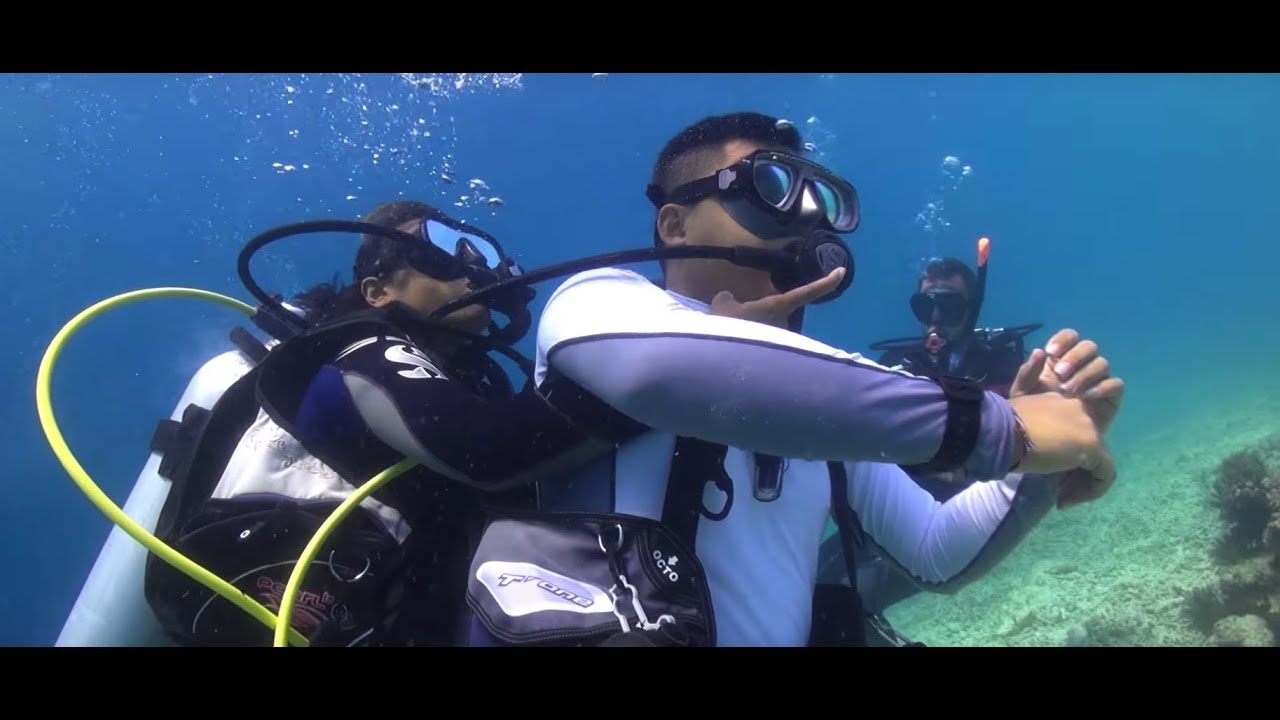
1. Anyone Who Wants To Become an Elite Diver
If your goal is to become a PADI Professional or reach the highest recreational diving level (Master Scuba Diver), you’ll need Rescue Diver training. Rescue Diver is the bridge between Advanced Open Water Diver and:
- The PADI Divemaster course
- The PADI Master Scuba Diver™ rating
- and also Public Safety Diver training
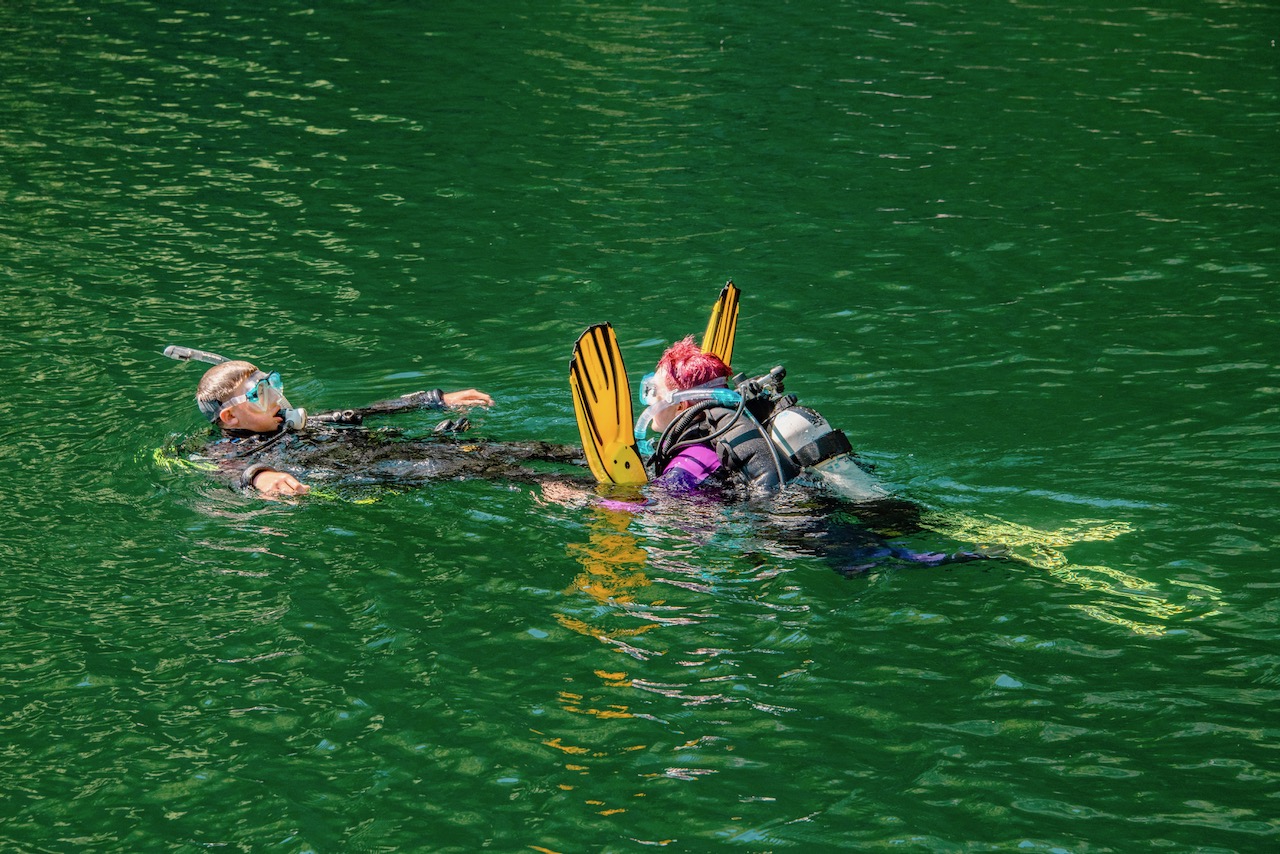
2. Safety-Conscious Divers
Even if you don’t plan to move up the PADI ranks, the Rescue Diver course will teach you valuable safety skills that could benefit you or someone you care about. You’ll learn:
- How to deal with equipment problems
- Common emergencies and how to prevent them
- How to assist a diver in need
- Emergency scene management and equipment
- Self-rescue techniques
Also, if you want to know exactly what steps to take in an emergency, topside or underwater, you’ll get a lot out of the Rescue Diver course. First aid and CPR training are a prerequisite for the course. If you’re not certified in those areas, no worries. Your PADI Instructor can help you earn those certifications. You’ll learn how to handle topside emergencies such as:
- Injury and illness assessment
- How to identify a stroke
- Bleeding management
- Bandaging wounds
- Splinting injuries
- How to help someone who is choking
- How to handle a possible spinal injury
Perhaps most importantly, you’ll learn how to make decisions under pressure when every moment counts.
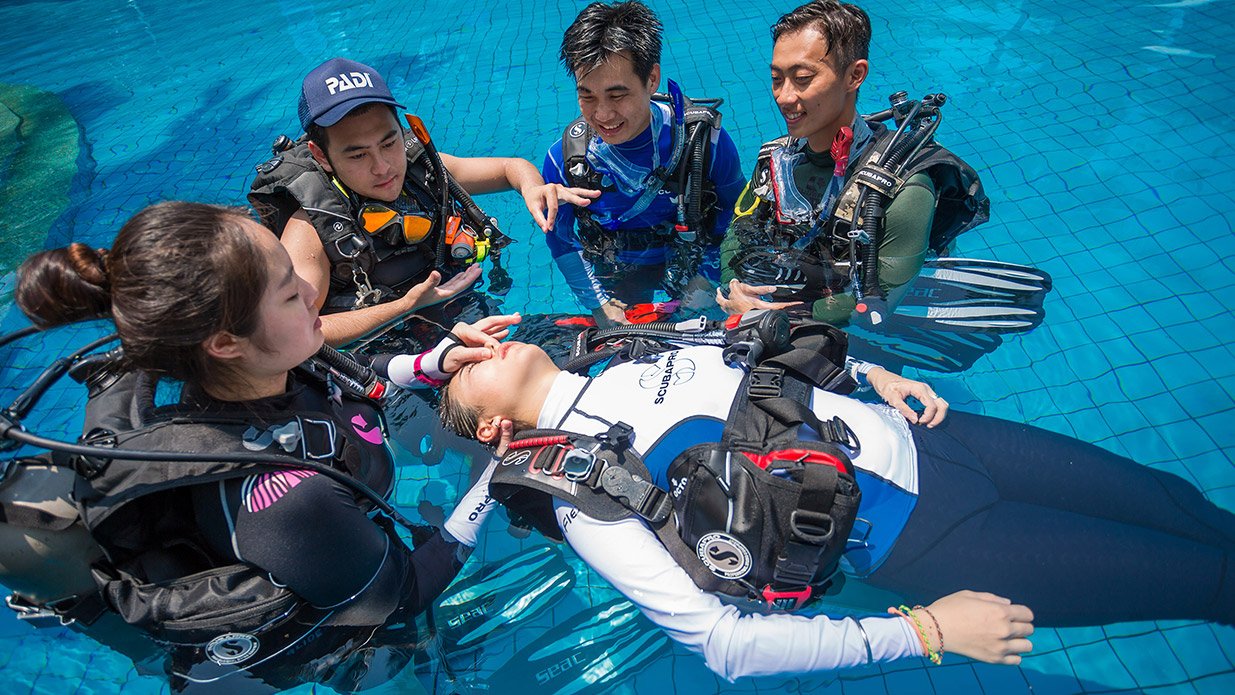
3. People Who Want to Overcome Scuba Diving Anxiety
The Rescue Diver course helped me overcome my scuba diving anxiety by showing me how to prevent worst-case scenarios and what to do in an emergency. I also liked that the course included a lot of confined water (pool) practice. I had plenty of time to learn the 10 rescue diving skills before we went to open water.
Also, the course was a lot more fun than I expected. Rescue Diver is my favorite PADI course, and many other Rescue Divers say the same thing. The role-playing is what makes it fun. Some divers really get into the role of “panicked diver”, declaring there is most definitely an alligator in this pool.
Every Diver Should Be a Rescue Diver
The fact is every diver should become a Rescue Diver, not just the types of divers listed above. The PADI Rescue Diver course is a fun way to become:
- A safer diver
- A more confident diver
- A better dive buddy