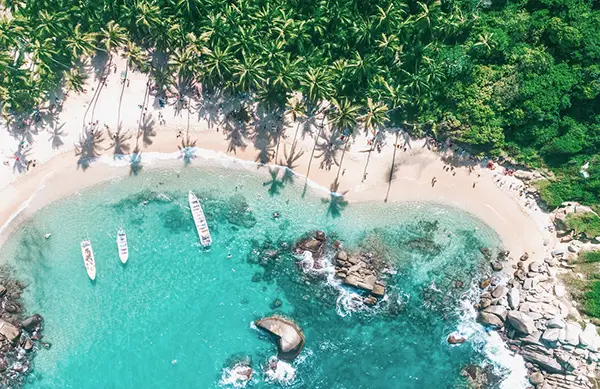
The ocean covers more than 70% of our planet and plays a vital role in the air we breathe, the food we eat and the climate that sustains life. Yet the health of our blue planet depends on everyday actions. This is true for not just what we do underwater, but for how we live above the surface.
The good news? You don’t have to live near the coast or dive every week to make a difference. Many of the most powerful ocean-positive choices start at home.
Be a part of that change with these 16 easy and simple ideas that will help save the ocean.
1. Become a Citizen Scientist (Even From Your Couch)
The future of ocean protection relies on everyday ocean explorers, like divers, snorkelers and ocean enthusiasts who contribute valuable observations about the underwater world. Citizen science programs led by the PADI community are transforming how marine ecosystems are monitored. Through initiatives from the PADI AWARE Foundation, such as Dive Against Debris, the new Global Shark & Ray Census and the AWARE Biodiversity Survey, ocean lovers help collect data that scientists and conservation leaders use to track ecosystem health and guide protection efforts.
Even if you’re not currently diving, you can still support citizen science by sharing data, contributing observations or supporting organizations that turn community participation into meaningful conservation impact.
You can help by:
- Uploading marine wildlife sightings in the Conservation Action Portal
- Supporting the AWARE Foundation with a donation
- Learning more about the threats to the oceans and the solutions by taking a conservation course
2. Use Your Leisure Time To Inform Yourself
If Netflix is one of your favorite pastimes, you can add underwater documentaries to your watchlist to educate yourself from home. Here are some suggestions.
- Chasing Coral: A documentary that explains the coral bleaching phenomenon due to global warming.
- Mission Blue: This environmental film created by the well-known oceanographer Sylvia Earle’s non-profit organization talks about the importance of having a healthy ocean and caring for our reefs.
- A Plastic Ocean: A journalistic and scientific investigation into the causes and consequences of marine debris and an exhibition of possible solutions.
You can also expand your knowledge by reading books about ocean science, following marine researchers online or learning more about conservation initiatives that protect the seas.
3. Follow Instagram Accounts That Inspire You To Take Action
Why not follow Instagram accounts that inspire us to learn more about the sea?
Here are three recommendations.
- @Mitty: Recognized photographer and environmentalist Cristina Mittermeier shares stories and data about the ocean to raise awareness and inform all those who are interested in it.
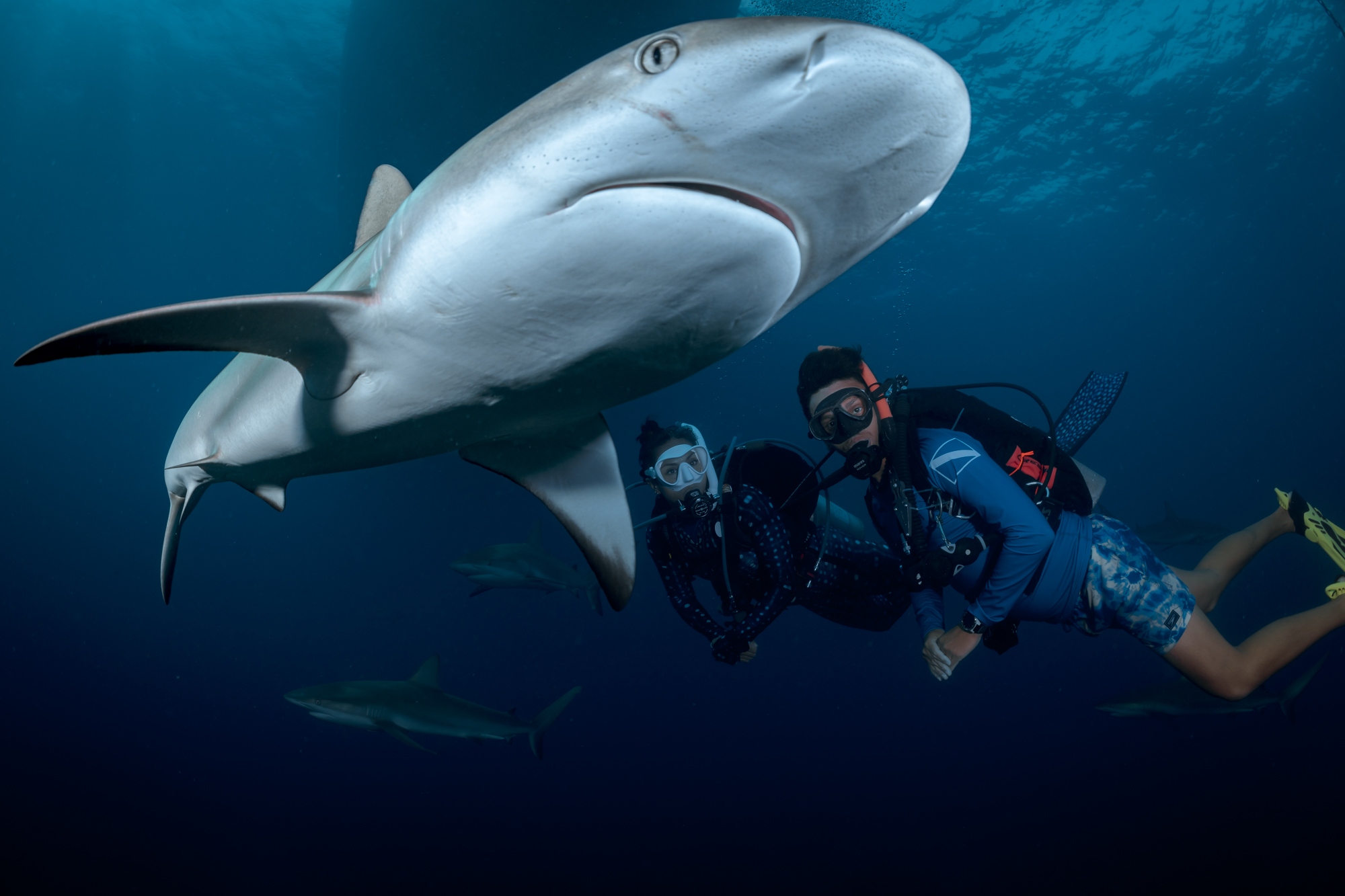
- @BrinkleyDavies: This young freediver and environmentalist is very active on social media. She shares her most amazing encounters with marine life and increases awareness for wildlife protection.
- @Plasticfreemermaid: Nature-lover Kate Nelson has lived a single-use plastic-free lifestyle for an entire decade. She uses her Instagram account as a platform to share her journey and advice on how to live a “zero waste” life.
Following marine scientists, conservationists and ocean storytellers can deepen your connection with the underwater world and help spread awareness on protecting it.
4. Use Eco-Friendly Detergent When You Wash Your Clothes
When you wash your clothes, make sure that the detergent you use does not contaminate the ocean. You can learn how to make your own with natural products like baking soda. This video does a great job explaining how!
Another way you can help protect the ocean when it comes to laundry day is by reducing the number of microfibers that get flushed through your washing machine with a microfiber catching tool.
5. Reduce Single-Use Plastics
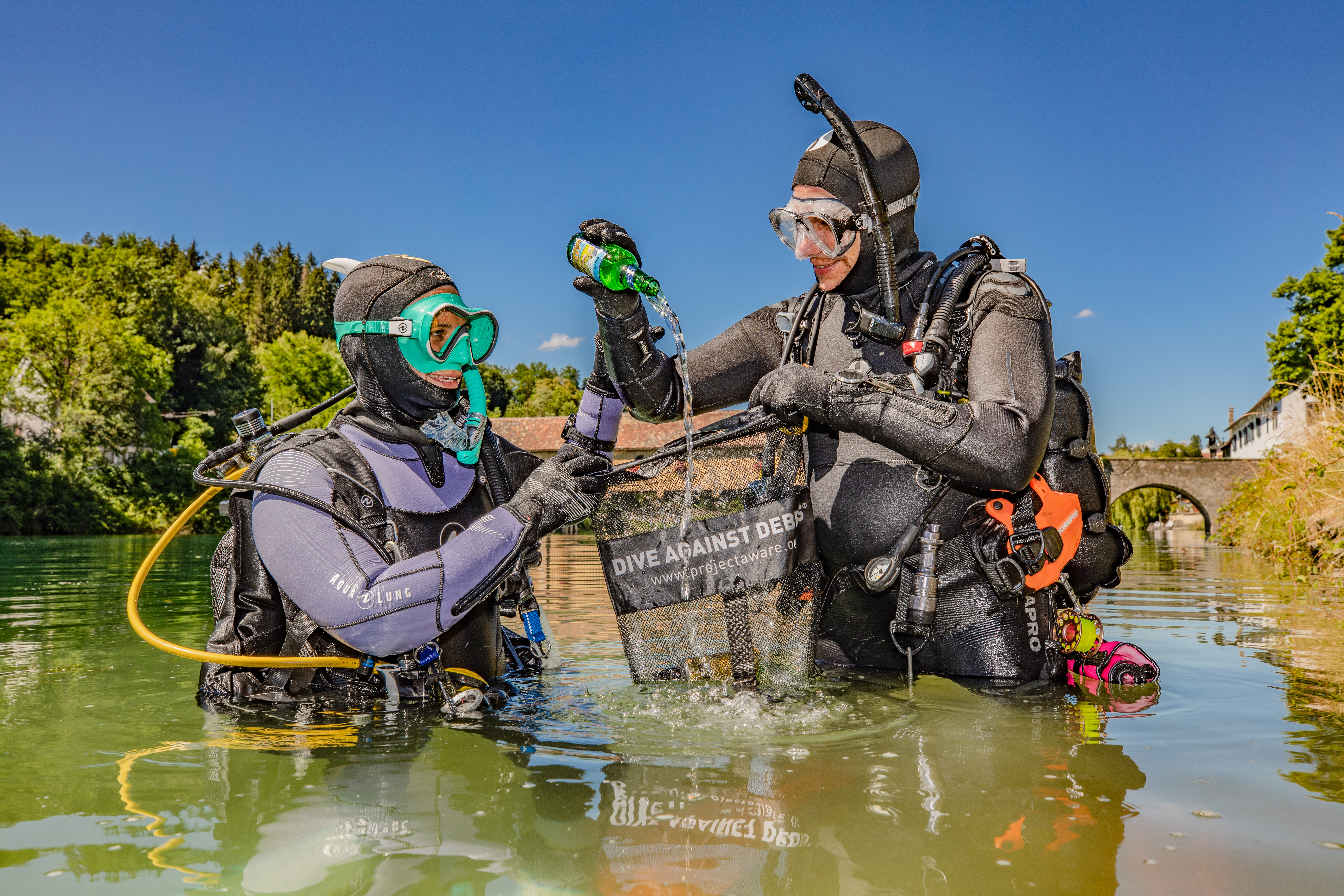
Around 80% of marine debris originates from land, meaning our everyday choices directly affect ocean health. Divers often witness this impact firsthand underwater. Programs like Dive Against Debris®, a flagship initiative of the PADI AWARE Foundation, have documented millions of pieces of marine debris through diver-led citizen science surveys, helping scientists and policymakers better understand where ocean pollution comes from and how to stop it at the source.
The good news? One of the most powerful ways to reduce ocean pollution is also one of the simplest: use less single-use plastic in your daily life.
Start with simple swaps:
- Carry a reusable water bottle
- Choose refillable household products
- Skip plastic packaging when possible
And, when you go to the supermarket, remember to always carry enough reusable bags, so you don’t get forced into using single-use plastic bags.

6. Reuse What You Have
If you have any single-use plastic containers, such as bottles or food packaging, giving them another use could be the best way to make sure they don’t end up at sea.
Remember: the most sustainable item is the one you already own.
Refill shops, reusable containers and buying in bulk can dramatically reduce waste that might otherwise end up in waterways and eventually the ocean.
7. Keep Your Carbon Footprint in Mind
Reduce the effects of climate change on the ocean by being aware of the energy you use at home.
Start by switching light bulbs in your home with energy-saving bulbs, decreasing the amount of hot water you use, swapping your air conditioning for a fan, remembering to close your fridge whenever you’re not using it and turning off and disconnecting appliances you don’t need.
Climate change is one of the greatest threats to ocean ecosystems. Rising ocean temperatures, coral bleaching, increasing sea levels and shifting marine habitats are already affecting the underwater world.
The ocean absorbs a significant portion of the heat and carbon dioxide produced by human activity, making climate action directly connected to ocean health. Everyday choices from how we travel to how we power our homes can help reduce that impact.
8. Support Organizations That Protect the Ocean
Many institutes and organizations like PADI AWARE, Mission Blue and Lonely Whale are working hard to protect the sea and its marine life. Your time at home could be a great opportunity to contact them and offer some online volunteering work or even consider giving financial support if you can.
9. Recycling Is the Right Thing To Do
Familiarize yourself with the recycling rules in the area where you live and taking the time to separate the garbage. It is never too late to start!
10. Make Sustainable Food Decisions
What we eat affects ocean ecosystems more than many people realize.
If you eat seafood, try to consume only seasonal products that are healthy and come from a sustainable production process.
Overfishing, destructive fishing practices and unsustainable supply chains are among the major challenges facing marine life today. At the same time, the ocean plays a crucial role in regulating climate and supporting biodiversity, making responsible consumption an important part of protecting marine ecosystems. By being mindful about what we eat and where it comes from can help protect marine environments
Try these habits:
- Reduce food waste by planning meals and freezing leftovers
- Buy local or organic food when possible
- Visit a farmers’ market once a month
These decisions reduce pressure on marine ecosystems and lower the carbon footprint tied to global food supply chains.
11. Communicate Your Love for the Ocean!
People protect what they understand and love. Your time online can be a great opportunity for you to share your passion and love for the sea by communicating why protecting it is so important.
Select your best diving photos and publish them to tell an ocean story, or give information that creates awareness about the underwater world. You never know who will read it or who you will inspire!
Connecting with your local dive community, participating in conservation initiatives and sharing what you learn can inspire others to protect the ocean as well.
12. Support Marine Protected Areas (MPAs)
MPAs are one of the most effective conservation tools available, helping fish populations recover, protecting critical habitats, increasing biodiversity and improving ocean resilience to climate change. Yet despite the ocean covering more than 70% of our planet, less than 10% of it is currently protected.
Through initiatives like Adopt the Blue™, PADI and the PADI AWARE Foundation are working with divers, communities and policymakers to support the global goal of increasing MPAs.
Even from home, you can:
- Sign petitions supporting MPAs
- Support organizations working to expand ocean protection
- Share educational content about marine conservation
Supporting MPAs, whether through education or community action, depends on collective advocacy and awareness and helps ensure that the underwater world we love continues to thrive.
13. Choose Sustainable Fashion (Especially Swimwear)
Fashion may not seem connected to ocean health at first glance but the clothing industry plays a significant role in marine pollution.
Many synthetic fabrics release microplastics during washing, which can pass through wastewater systems and end up in rivers and oceans. At the same time, fast fashion contributes to waste and overconsumption, increasing environmental pressure across the entire production cycle.
Consider:
- Sustainable swimwear brands
- Organic or natural fabrics
- Buying fewer, higher-quality items
- Upcycling clothing or attending sewing workshops

14. Try the “3-Minute Clean” — Anywhere
You don’t need to live near the beach to make a difference. Much of the waste that ends up in the ocean begins its journey on land. Picking up litter in your local park, along a riverbank or during your daily walk helps prevent debris from entering waterways that eventually lead to the sea.
Try a 3-minute cleanup challenge:
- Pick up litter on your daily walk
- Clean up your local park or riverbank
- Organize a mini cleanup with friends
Short, simple actions can have a surprisingly powerful impact when multiplied across thousands of people. And for divers, it’s a reminder that protecting the ocean starts long before we enter the water.
15. Keep Learning
Education plays a powerful role in building a connection to the ocean.
Here are some ways to deepen your ocean knowledge:
- Visit ocean or marine art exhibitions
- Read books about ocean science
- Follow marine scientists and conservationists online
- Take PADI conservation courses
16. If You’re a Diver, Connect With Your Local Dive Community
Around the world, the global PADI community is united by a shared passion for exploring and protecting the ocean.
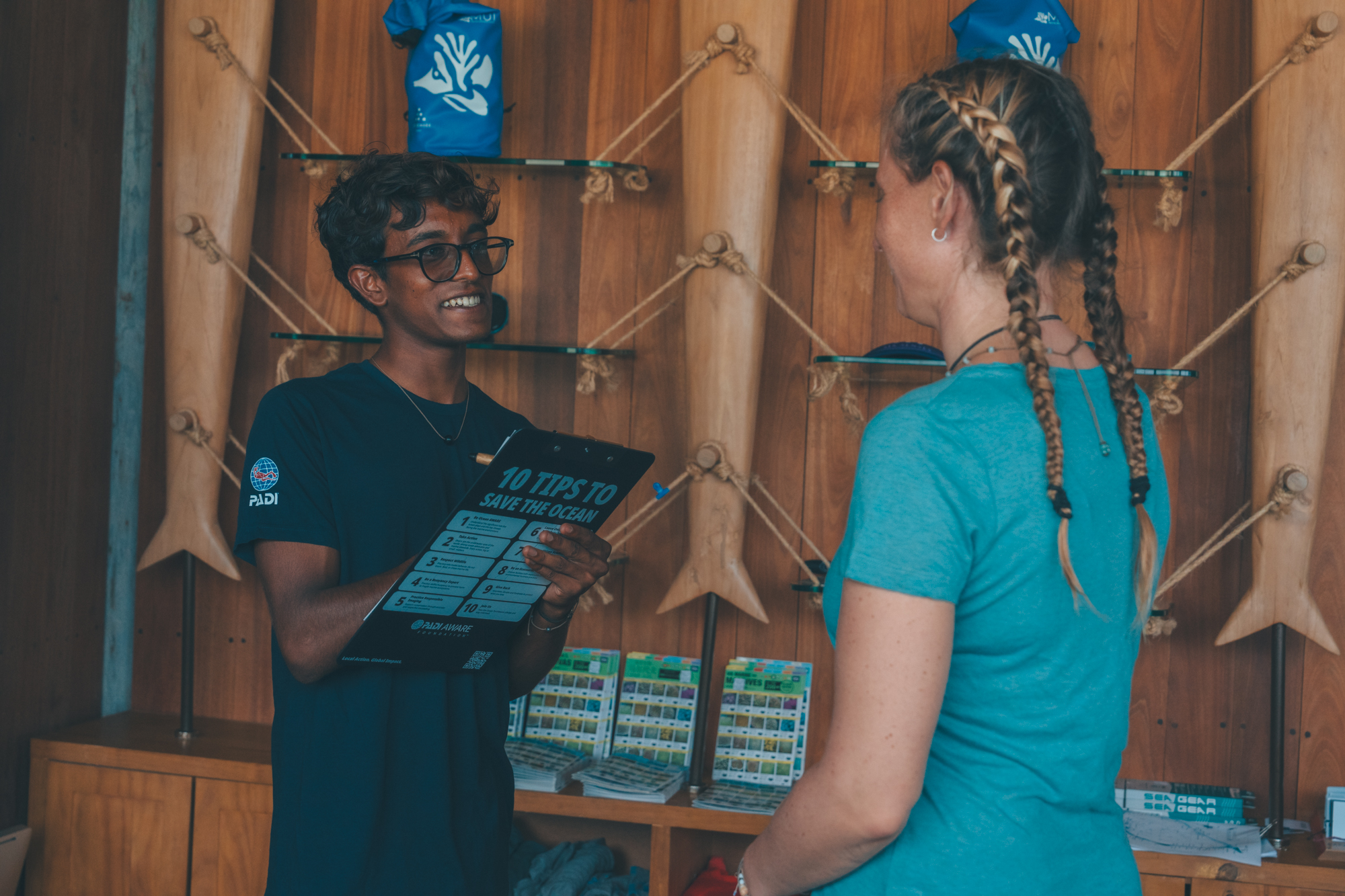
Dive centers, instructors and divers regularly organize conservation activities, from underwater cleanups and reef monitoring to community education programs. These events create opportunities to turn passion for diving into meaningful action.
Even if you’re not diving regularly, dive communities are hubs for ocean conservation.
Consider:
- Joining conservation activities organized by dive shops
- Participating in marine debris cleanups
- Refreshing your buoyancy skills to protect reefs
- Become a PADI Torchbearer
Through education, advocacy and action, divers become powerful voices for ocean protection.
Every Small Action Adds Up
Ocean conservation doesn’t require one giant solution, it happens through millions of small, consistent actions. From reducing plastic to choosing sustainable travel, every step helps protect the ecosystems we love. The PADI community is a global movement of Ocean Torchbearers working together to safeguard the blue planet.
Written by Martina Alvarez