
When I first visited Thailand at the age of 18, I was relatively unaware of the scuba diving industry in the country. I mostly spent my time walking through the busy streets on Phi Phi Island looking for cheap t-shirts and sunglasses. But now, looking back on my adventures, it is clear that diving is absolutely everywhere in Thailand.
Today, Thailand is one of the world’s most popular places to learn to scuba dive, but it’s also one of Southeast Asia’s best destinations for experienced divers looking to go deeper. It is one of those rare countries that has the best of both worlds – colorful shallow reefs and beginner-friendly training, as well as dramatic granite pinnacles, historic wrecks, submerged villages and technical dive sites that reward additional training.
For those who can’t sleep unless they go deep, diving throughout Thailand will be an enjoyable experience. Whether you’re taking your Deep Diver Specialty course or planning advanced TecRec™ dives, Thailand offers opportunities across both the Gulf of Thailand and the Andaman Sea.
Here’s where to dive deeper, and why continuing your dive education can unlock an entirely new side of Thailand’s underwater world.
Where To Go Deep Diving in Thailand
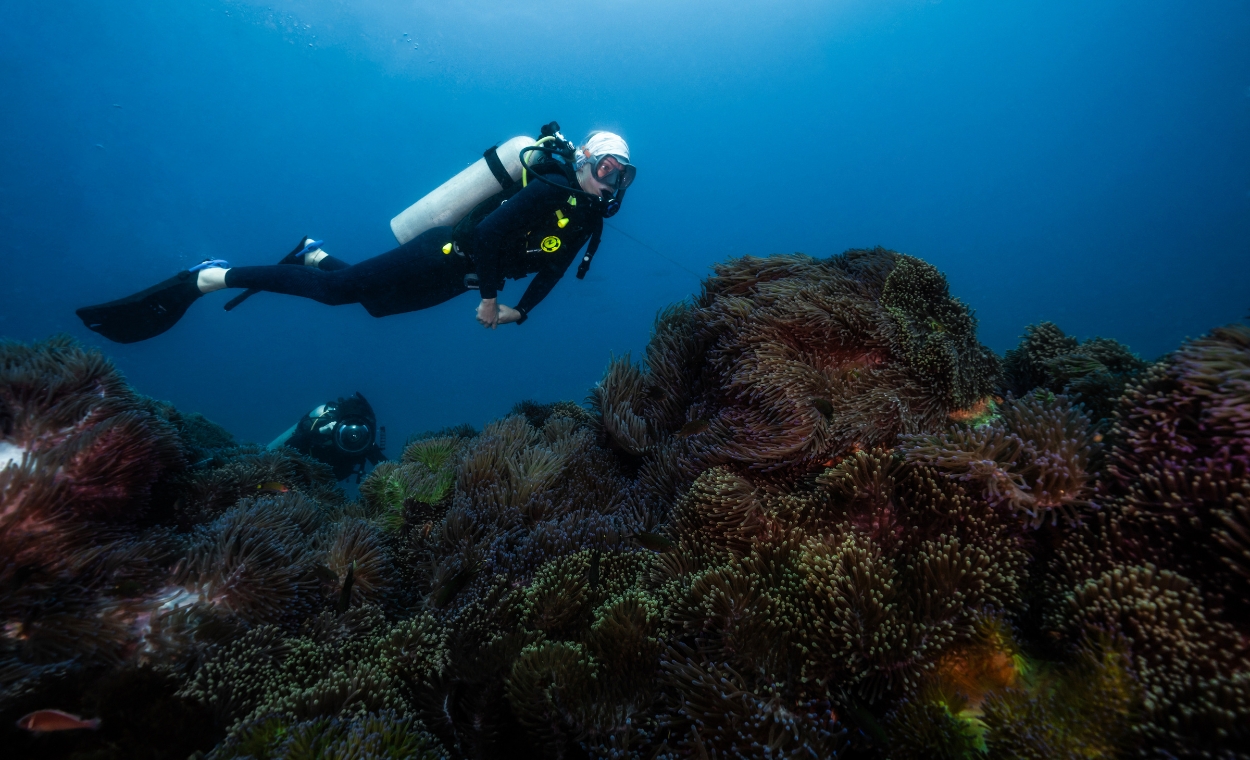
Deep diving in Thailand is remarkably diverse. Within a single trip, you can descend along granite pinnacles alive with schooling fish, swim through historic shipwrecks or, if you’re a qualified technical diver, venture into submerged villages and extensive cave systems.
Many of these sites are easily accessible by day boat, while others require specialized training and expedition-style planning. Whether you’re earning your PADI Deep Diver Specialty certification or progressing into TecRec diving, Thailand offers dive sites to match every stage of your journey.
Here are some of Thailand’s best deep dive sites.
Koh Tao: Thailand’s Deep Diving Capital
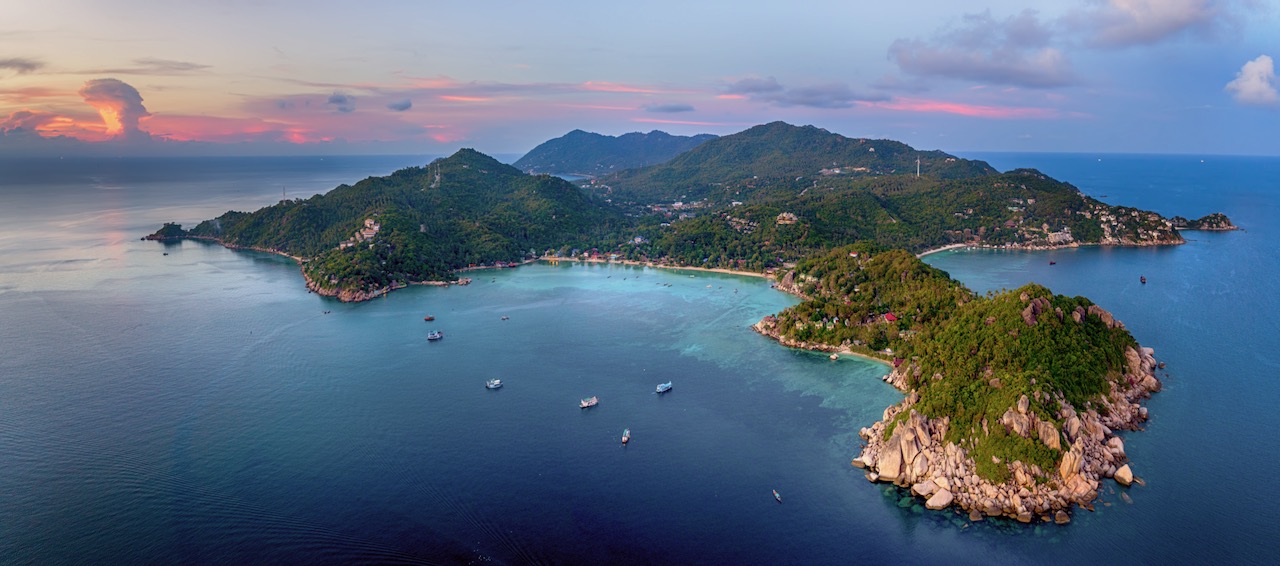
One of Thailand’s diving hotspots is Koh Tao, on the southeastern side of the country. This small island has earned an international reputation as one of the world’s best places to learn to dive, but experienced divers quickly discover there’s much more beyond the island’s shallow reefs.
Of all of Koh Tao’s locations, three sites are especially popular amongst deep divers:
- Chumphon Pinnacle: This is perhaps Koh Tao’s signature deep dive. Large granite pinnacles rise from the seabed below recreational limits to around 14 meters (46 feet). Massive schools of fusiliers, snapper and batfish surround the site, while giant groupers, barracuda and occasional whale sharks make regular appearances. For many divers, this is where they complete the deep dives required for their PADI Deep Diver Specialty or Advanced Open Water Diver certifications.
- Southwest Pinnacle: Southwest Pinnacle consists of several submerged granite formations covered in colorful anemones, whip corals and sponges. The deeper sections attract larger pelagic species, while the shallower pinnacles provide excellent opportunities for photographers looking to capture both macro life and schooling fish.
- Sail Rock: Located roughly midway between Koh Tao and Koh Phangan, Sail Rock is considered one of the best dive sites in the Gulf of Thailand. Its famous vertical chimney begins around 18 meters (60 feet) and descends to approximately 28 meters (92 feet), while the surrounding reef extends deeper still. Schools of chevron barracuda, giant trevallies, batfish and occasionally whale sharks make this one of Thailand’s most iconic dives.
Diving Thailand’s Historic Shipwrecks
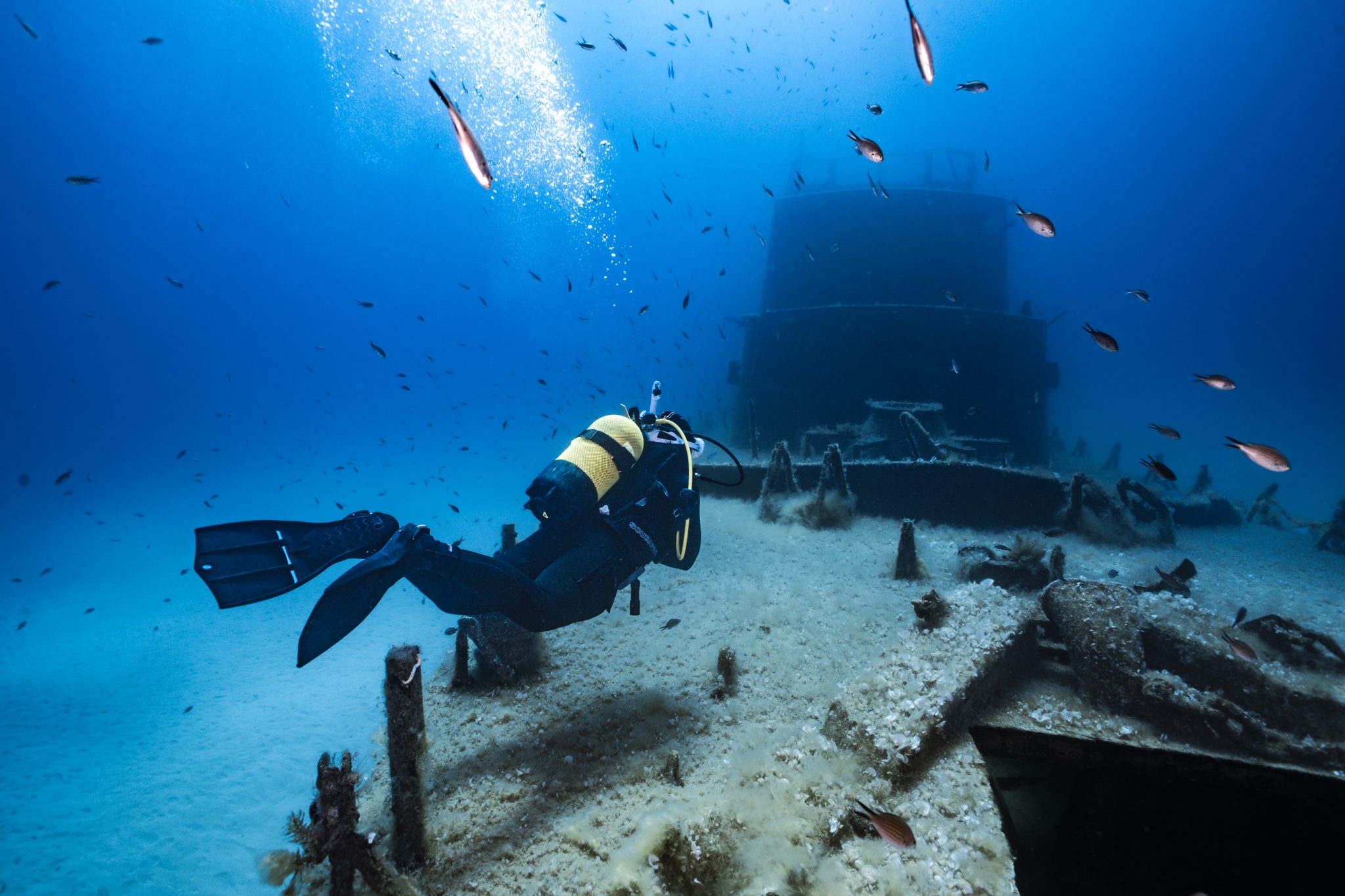
Thailand’s shipwrecks add another dimension to deep diving. Some were intentionally sunk to create artificial reefs, while others sank after storms or wartime events and now serve as fascinating underwater time capsules. Over the years, these wrecks have become thriving marine habitats, draped in soft corals and sponges and home to schools of snapper, batfish, lionfish and other reef species. While some are accessible to Advanced Open Water Divers, others lie beyond recreational depth limits and are reserved for qualified technical divers.
- HTMS Pangan: This Thai Navy Vessel was carrying ammunition to be dumped at sea when it went down after apparently having a load shift in the main cargo holds. Resting between roughly 48 and 60 meters (157 and 197 feet), technical and deep divers will find plenty of marine life along with some live ammunition which still litters the main hold. Because of its depth, dives require advanced planning, specialized equipment and TecRec training.
- Hishi-Daiya Maru (Unicorn Wreck): Lying at approximately 50 meters (164 feet), this refrigerated cargo ship suddenly sank while carrying sardines, hence giving it the name which translates to “dog food wreck.” This wreck has been underwater since 1989 and has turned into an artificial reef filled with marine life.
- Seacrest: One of Thailand’s deepest accessible wrecks, the Seacrest lies upside down at approximately 74 meters (243 feet) and was reported lost during Typhoon Gay in 1989. Due to its depth, decompression requirements and location, it is only accessible by a technical diving liveaboard.
- Tottori Maru: Resting at more than 65 meters (213 feet), the Tottori Maru is one of Thailand’s most challenging technical wreck dives. Sunk by an American submarine in 1945 during World War II, this Japanese cargo ship was reportedly transporting Allied prisoners of war, making it both a significant historical site and a demanding yet rewarding expedition for experienced Tec divers.
Thailand’s Other Unique Technical Diving Sites
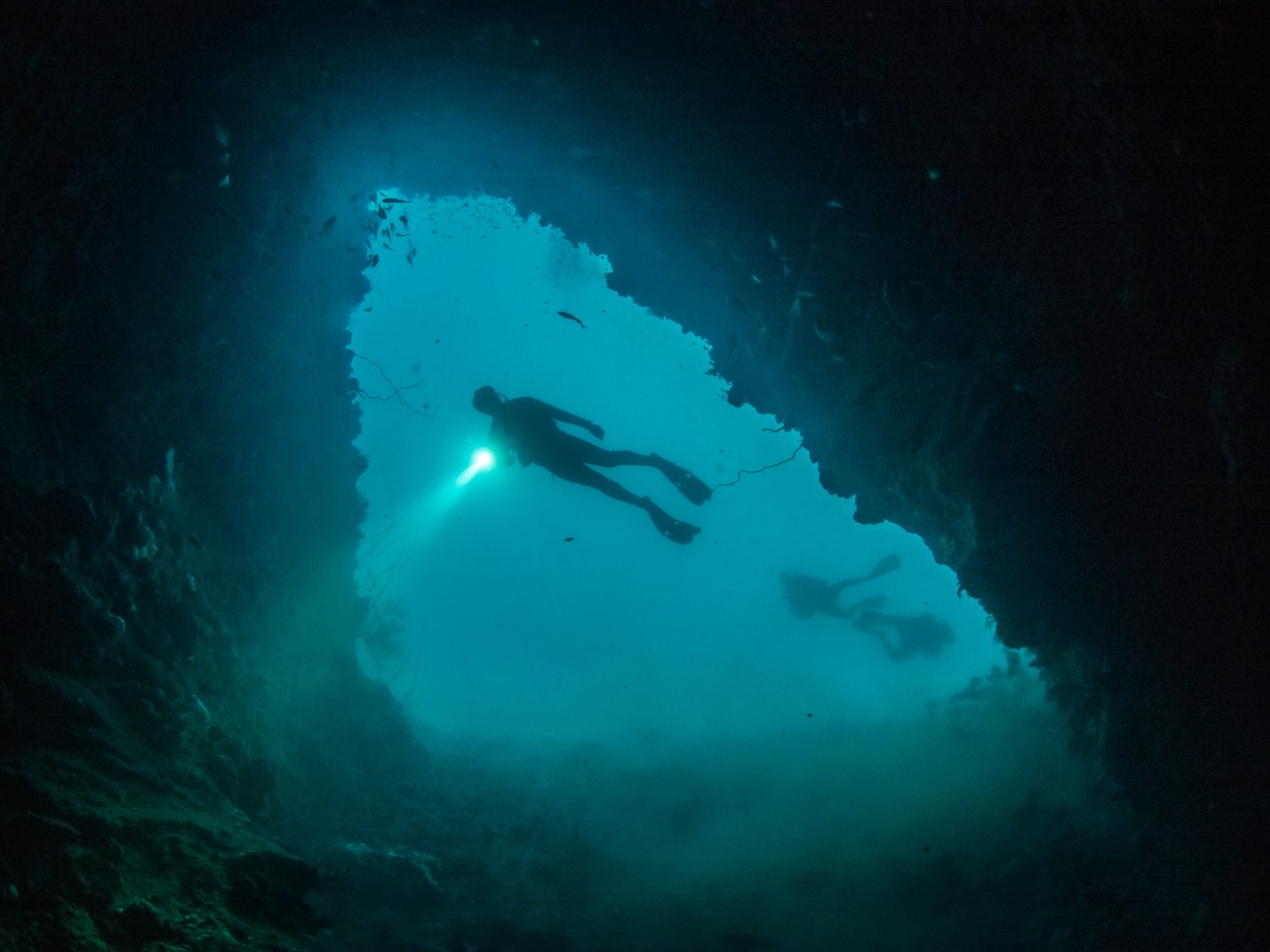
Beyond its reefs and shipwrecks, some of Thailand’s most extraordinary deep dives lie inland and beneath the surface of freshwater lakes and cave systems. These sites offer a completely different kind of adventure, where natural geology, submerged history and technical diving come together. Unlike open water dives, these environments demand specialized equipment, careful planning and advanced training, making them suitable only for qualified technical and cave divers.
- Sra Kaew: Located near Ao Nang, Krabi, this is the deepest known freshwater cave system in Asia. This cave has some of the world’s most aggressive routes. With passages extending far beyond recreational limits, it is strictly reserved for highly trained cave divers with appropriate technical certifications. Even for experienced Tec divers, this site demands careful planning and specialized equipment.
Why Continue Your Dive Training in Thailand?
Thailand isn’t simply a place to dive deeper; it’s one of the easiest places in the world to continue your dive education. While many dive destinations offer only one type of diving, Thailand offers almost everything:
- Coral reefs
- Granite pinnacles
- Historic shipwrecks
- Caverns and caves
- Drift dives
- Night dives
- Technical diving
- Exceptional marine biodiversity, including sharks and rays
It’s also home to numerous PADI Dive Centers and Resorts offering courses ranging from Open Water Diver all the way through TecRec and professional-level training.
Whether your goal is exploring your first wreck, improving your buoyancy or eventually progressing into technical diving, Thailand provides the conditions, infrastructure and variety to support every stage of your diving journey.
Ready To Dive Deeper?
If you are currently a non-diver, you will need to begin your journey with the Open Water Diver certification. If you’ve already earned your Advanced Open Water Diver certification, the PADI Deep Diver or Nitrox Specialties are the next step toward exploring many of Thailand’s most exciting dive sites.
Interested in technical diving? After building experience and completing the appropriate recreational training, the PADI Tec 40 course is one of the best ways to get into technical diving. The course will teach you how to handle decompression and other depth factors thorough dive planning and execution.
Find a PADI Dive Center in Thailand to continue your training, or start planning your next dive adventure through PADI Travel.