Citizen science in Antarctica plays a critical role in understanding our oceans and planet. In “the world’s most important natural laboratory,” participation becomes a gateway to lifelong advocacy for this beautiful and unique ecosystem. To better my own understanding of and connection to our blue planet — and for the adventure of a lifetime — I joined a citizen science expedition to the Southern Continent in February 2024. It was unlike anything I’d ever experienced.
Like Waking Up in Narnia
My expedition took place on the MV Ortelius, an ice-hardened, special-purpose vessel rebuilt into a passenger ship.
As we crossed the infamous Drake Passage, I held my breath, waiting for massive waves that never came. To my relief, we had abnormally calm conditions the entire way, the “Drake Lake” rather than the “Shake.” It was so calm, in fact, that we dropped divers into the passage and took plankton tows, a great way to kick off our citizen science mandate.

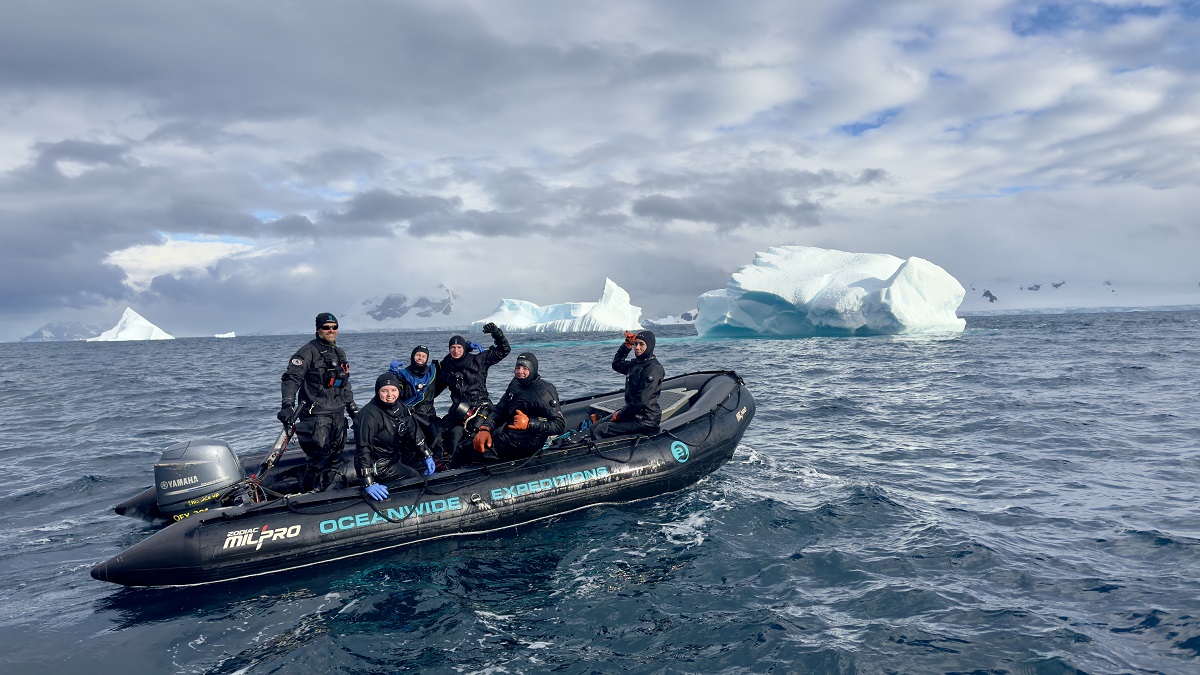
When we awoke on the last leg of our crossing, we dressed for our continental landing at Orne Harbour. As the Zodiac crossed the crystal, still waters, headed toward a snowy mound on the Antarctic Peninsula, I suddenly felt like I’d been transported to another world, something like Narnia from The Lion, the Witch and the Wardrobe.
All the Thoughts and All the Feelings
Visually, everything on the surface was bright, white and massive.
Psychologically, I knew this was one of the most remote and hostile places on the planet — a place humans aren’t meant to survive in. How wild, I thought.
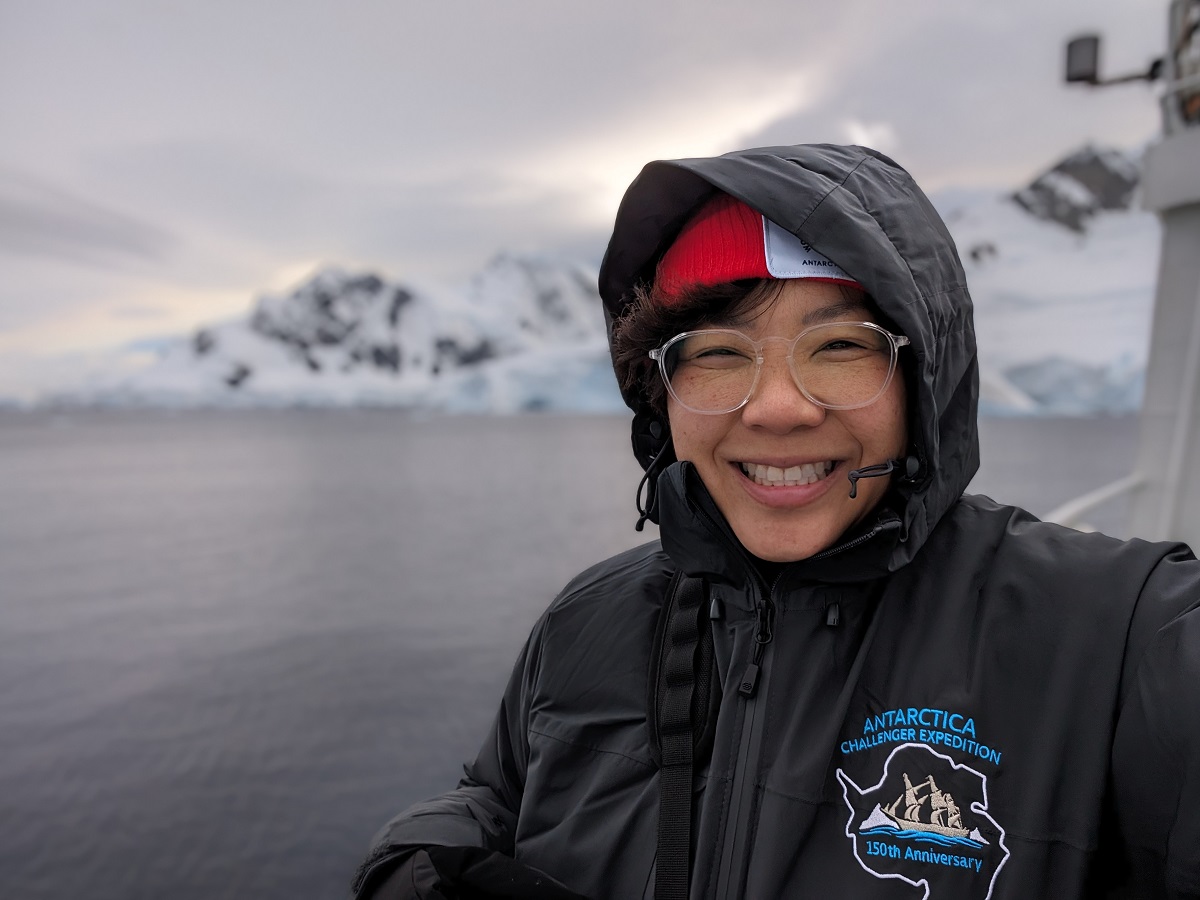
Intellectually, I remembered that Antarctica is the lynchpin for our global climate and oceanic systems — a place crucial to all of our well-being and survival. “How do I even begin to tell its story?” I wondered.
Emotionally, I recalled that I was at the bottom of the planet, about to step foot onto the Antarctic Peninsula, to see penguins. “What is this amazing life?” I reflected.
Feeling Alive in an Inhospitable Place
Antarctica is the only continent without a permanent human settlement. As National Geographic explains, Antarctica’s extreme climate, rugged terrain and remoteness make it uninhabitable for most people. Nevertheless, it is a place that leaves so many — myself included — feeling truly alive.
Faith Ortins, co-founder of Blue Green Expeditions and the head of our expedition, sinks into the timelessness of Antarctica every time she visits. “It’s a place that’s still how it should be,” she said. “I feel transported in time, and that gives me a feeling of peace and satisfaction.”
She added, “There’s a majesty, a primal feeling and a quietness to it that I don’t think I’ve ever felt anywhere else. It is a place where I can get lost within myself and feel as free as I’ve ever felt.”
Becky Kagan Schott, an underwater photographer who also helped lead the expedition, described Antarctica’s impact on herself, “It’s indescribable to leave the rest of the world behind and be in one of the most pristine places on Earth. I feel alive when I’m there. I love the cold air, the salty sea spray in my face, the sounds of the Zodiac going across icy speed bumps and being surrounded by stunning glaciers and wildlife.”
Why Antarctica Matters
Aside from its appeal as the last real frontier, Antarctica is key to understanding how our planet functions and maintaining our way of life. The continent regulates Earth’s climate and ocean systems, so what happens in Antarctica affects the rest of the planet. The four-kilometer-thick (two-and-a-half-mile-thick) ice sheet also holds a unique and irreplaceable record of the planet’s climate over the past million years.
Ortins explained, “If we lose large chunks of ice, it would be the end of the climate as we know it and the end of ocean currents as we know it. And, we don’t know where that tipping point is, but it’s probably sooner than we think. We don’t have to lose all of Antarctica for that to happen.”
The Historical and Modern Role of Citizen Science in Antarctica
Aboard the MV Ortelius, Ortins shared the historical context and the scientific mission of our expedition — both of which center around citizen science.
Honoring the HMS Challenger Expedition
Our epic expedition honored the 150th anniversary of HMS Challenger crossing the southern polar circle as part of its monumental scientific endeavor. Considered by many to be the first true oceanographic expedition, the Challenger mission identified organisms new to science, gathered data at 362 oceanographic stations worldwide and engaged the public in scientific field research to a degree previously unknown.
Challenger used mostly citizen science in Antarctica to achieve its mission objectives, Ortins said, so, “in the spirit of Challenger, we thought, why not get a whole bunch of people involved to honor this incredible anniversary and to continue its legacy of using citizen science to discover more about the oceans? Why not expose more people to Antarctica and get them passionate about preserving this place?”
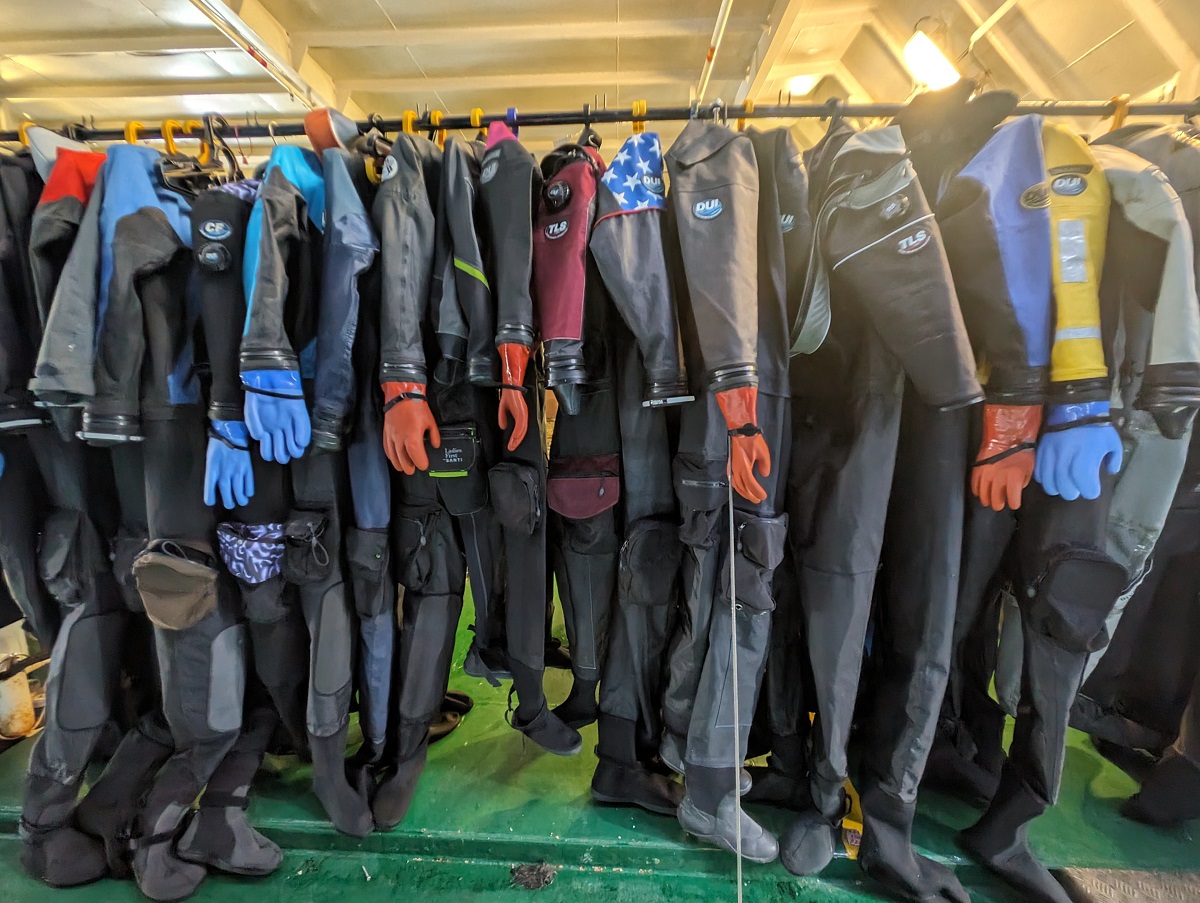
Schott added, “This was a very different expedition than what we’ve organized to Antarctica in the past because it included citizen science, education, including live streams to classrooms and hopefully inspiring others in the future to care about Antarctica.”
Turning Eco-Tourists Into Ambassadors for Change
Travel to Antarctica comes with an environmental cost. The International Association of Antarctic Tour Operators (IAATO) reported 124,262 visitors to the remote continent during the 2023-24 season. This number has steadily increased over the 30+ years IAATO has been in place, leading to negative environmental consequences such as a massive carbon footprint and noise pollution.
But what if we could empower some of these tourists to become citizen scientists who dedicate part of their vacation towards furthering scientific understanding about Antarctica and taking up the fight even after they have returned home? Where and how do we start?
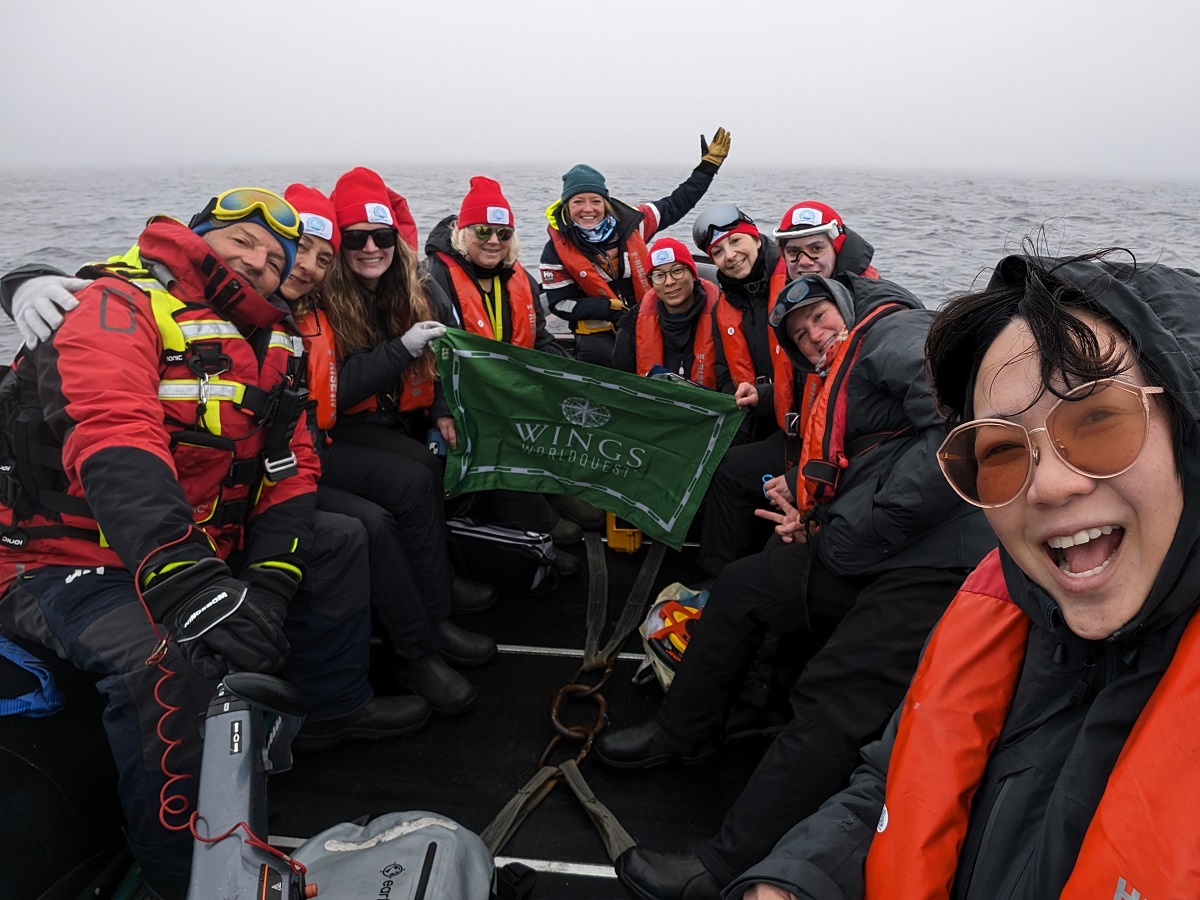
“I’m a believer that there are three ways to get people excited about the ocean: educate them about it, encourage them to explore outside their comfort zones and engage them – really engage them,” Ortins said. “Citizen science is important for this.”
Studying Antarctica’s Entire Water Column through Citizen Science in Antarctica
Ortins, Schott and the other leaders of the expedition truly wanted to create opportunities for divers and snorkelers to contribute to science while onboard. Many scientists don’t dive and must limit their sampling to locations near science stations. But with a ship, the opportunities multiply quickly, facilitating travel to new places and sampling in data-poor regions. Ortin’s goal, therefore, was to collect data from places people don’t often get to study.
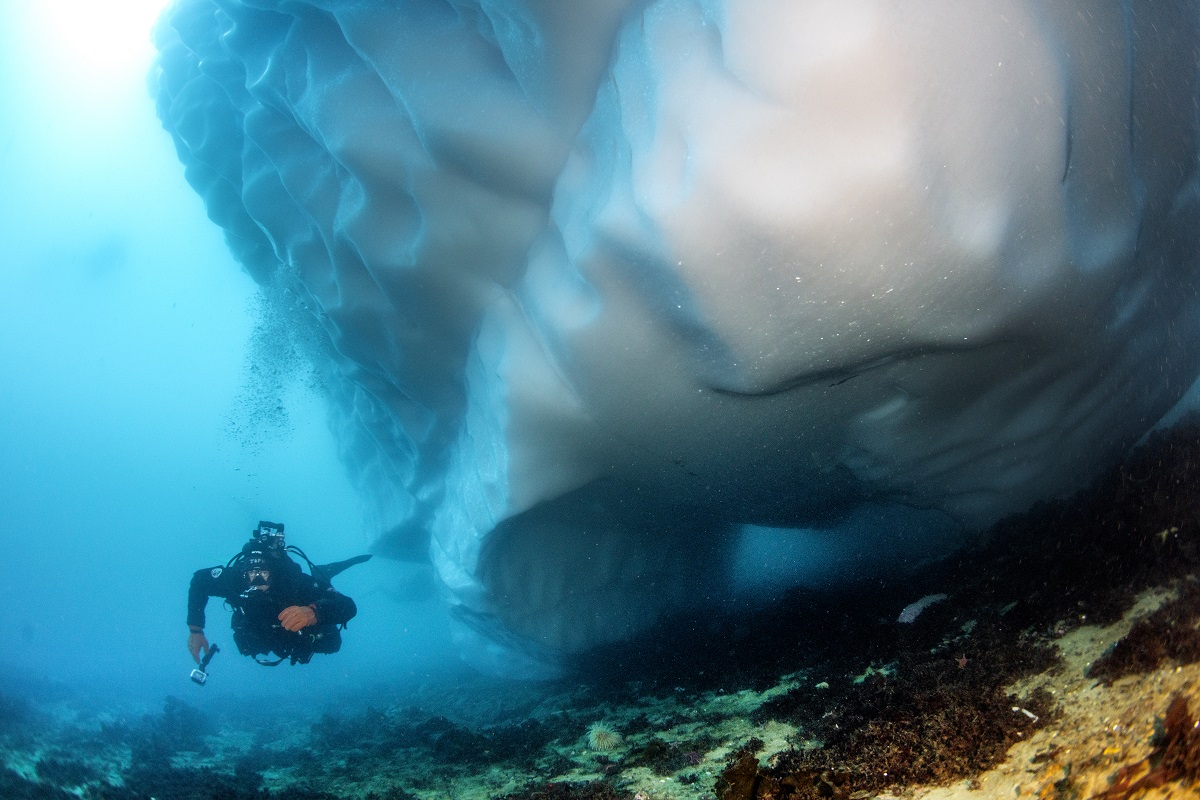
To that end, our expedition approached the water column scientifically in three dimensions, with (1) scuba divers at the bottom surveying biodiversity and disease spread, (2) plankton tows, snorkelers and divers documenting what exists throughout the water column and (3) Zodiacs and ship-based operations capturing what’s at the surface.

Rosie Poirier, the expedition artist, compared Antarctica’s above- and underwater worlds. She said, “While the surface world is dominated by blue and white, beneath the ice lies a vibrant and colorful ecosystem. Bright anemones and pristine green algae paint an underwater landscape teeming with life. This thriving marine environment supports the megafauna of Antarctica, making the oceans crucial to the continent’s biodiversity.”
Using Art To Communicate the Importance of Antarctica
As Schott noted, our expedition also included artistic and communication elements that are not always part of scientific endeavors. While onboard, we live-streamed with hundreds of students worldwide, showing them how to do everything from build an underwater ROV to answering questions like, “Where do you go to the bathroom in Antarctica if there are no buildings?” Our answer, that we wait until we’re back on the ship, helped students conceptualize how wild and pristine this environment is.
Poirier also captured the defining moments and elements of the expedition through her paintings. The discoveries and moments highlighted will become a visual expedition log and calendar. This “creative communication” of science will help others experience and learn from what we did together — amplifying the impact of our collective work.
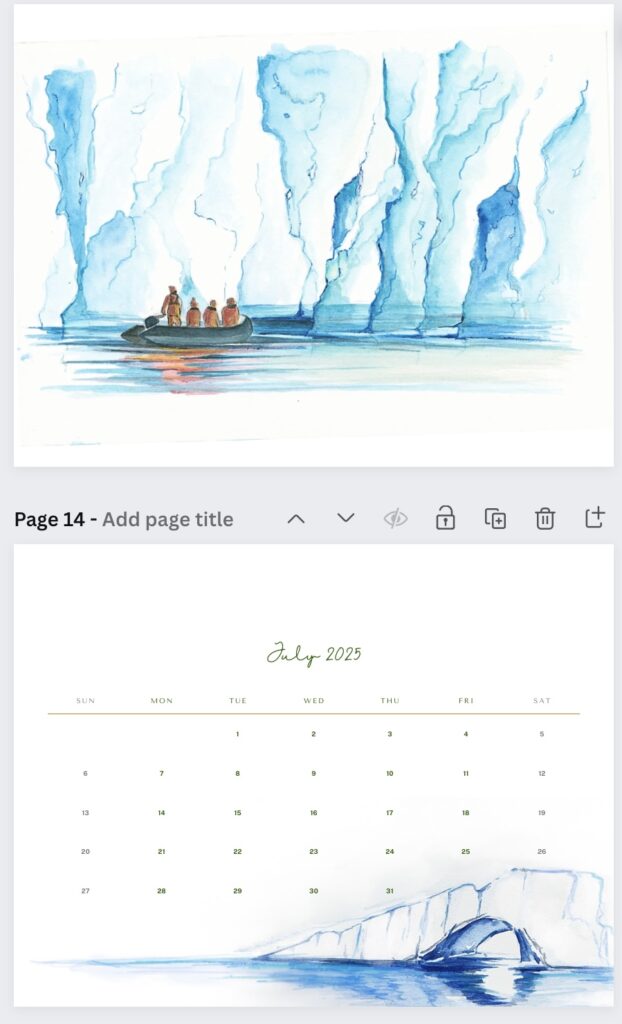
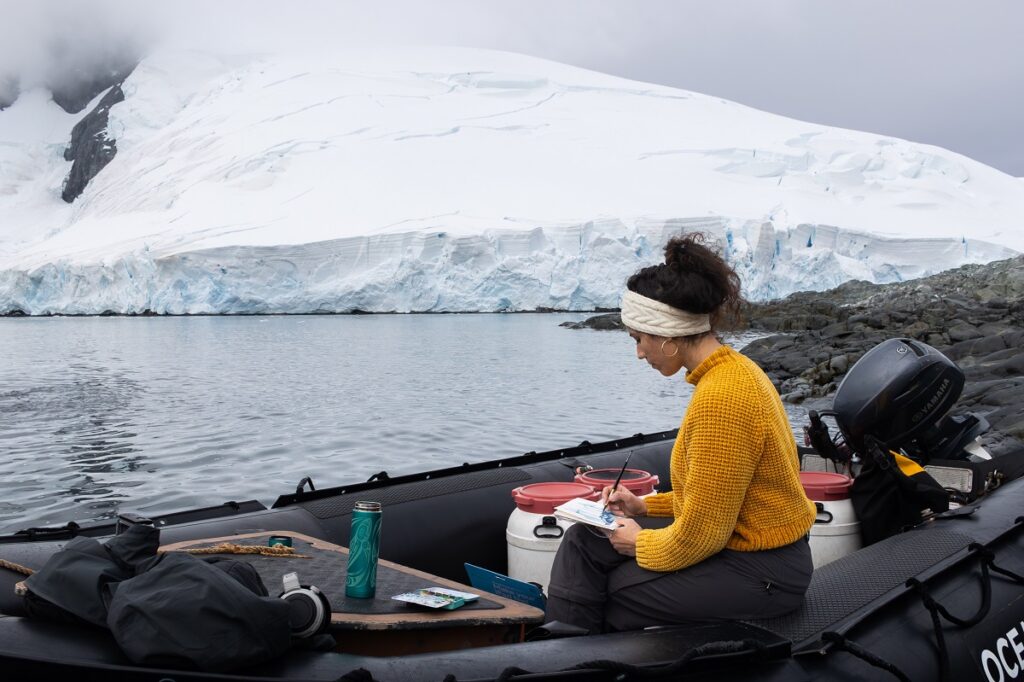
Notably, the first HMS Challenger Expedition was well documented because there was an expedition artist onboard. She meticulously painted the experiences and discoveries in painstaking detail throughout the journey. Her role was to share the story broadly, allowing others to connect to the expedition, Poriere said. Her art, and her role, will play a similar role for our expedition.
She added, “Looking back on these times, it’s clear to see that science and art have always belonged together. This union is not a novel concept, but a natural way of the world. Discoveries need advocates and communicators, and artists see the world through the creative lens of connection, linking together the past and future.”
Poirier concluded, “When science is communicated, it takes flight and the impacts of its learnings are felt for generations beyond.”
Outcomes From Our Expedition
Four months after our return from Antarctica, Ortins sent a follow-up with the results from our citizen science voyage.
As snorkelers, our main citizen science project was running plankton tows throughout the Antarctic Peninsula for FjordPhyto. This collaborative project leverages Antarctic tour operators, polar guides and citizen-scientists to collect ocean measurements and phytoplankton samples. These help scientists monitor how melting glaciers influence phytoplankton populations.
Divers also assisted Dr. Amy Moran in collecting video transects for biodiversity studies and to survey for seastar wasting disease. Moran’s students are reviewing all the footage and will upload to iNaturalist.

Part of Ortins’ planning for our expeditions additionally included donations from the trip profit to organizations doing important work. To that end, we collectively raised and donated $62,000 to support more than six nonprofits from around the world. Most of these are focused on activating the next generation of divers and changemakers.
Finally, the communications team will release the educational documentary to schools during the next academic year. The live streams completed onboard are available for immediate use. These include underwater ROVs, polar diving, plankton at both poles and a citizen science plankton project.
Answering Antarctica’s Call to Action
For Ortins, Schott and Poirier, the message is clear. “Antarctica needs active stewards to share its story as a wake-up call,” Poirier said. “If we want future generations to experience this beautiful frozen land we must communicate its importance now.”
For me, that begins with a true connection to nature. When I tell people about my trip, I become giddy talking about the penguins. I had no idea I’d fall in love with these “derpy darlings,” but I have. Then, I share about how poorly they’re faring in a changing climate – one that we’re largely responsible for altering. This refocuses my own advocacy efforts and those of others around Antarctica and to join the fight.

For Ortins, ours was her 13th trip to the continent; she still had what might be her favorite Antarctica experience ever. Towards the end of our expedition, the FjordPhyto team set up microscopes in the bar area. One of the guides, a self-professed plankton lover, found a tardigrade in that day’s plankton tows. The entire room erupted “like they’d seen a blue whale feeding next to the ship,” Ortins recalled. “100 people were so excited about this little zooplankton that they were buying drinks and high-fiving. I just thought, if we can make people care this much about the least of our things, if we can make them care this much about what seems like just a bug, then we have a chance.”
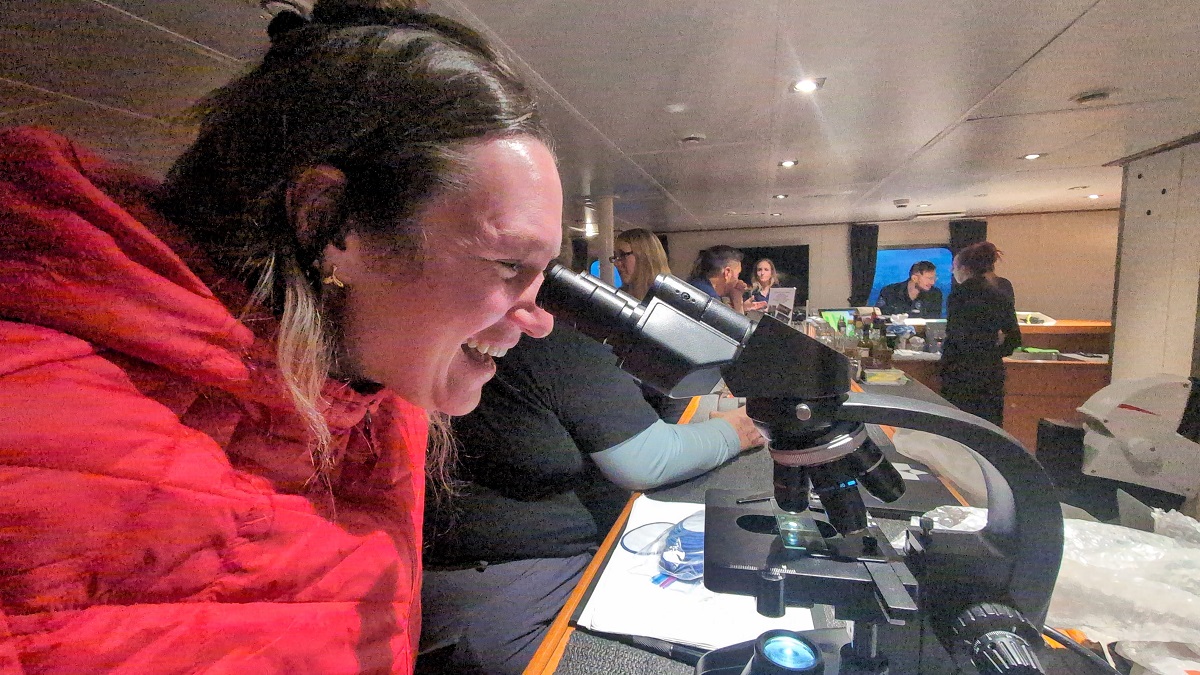
That was the moment she knew that she’d accomplished her mission: to help people connect to Antarctica through citizen science and diving. So, she concluded, “Anyone who comes here gets changed. Now it’s up to you what you do with it.”
Ready To Take Action for the Ocean?
Whether you dive or not, there are countless ways to support ocean conservation and take part in citizen science. The first step in turning your passion into purpose is becoming a PADI Torchbearer by clicking the button below. Then, connect with your local PADI Dive Center to discover initiatives, volunteer opportunities and upcoming events.