

According to different sources, including as bycatch, somewhere between 26 million and 100 million sharks are caught annually. Even the low end of that range is a lot, and takes sharks from the seas far faster than they can reproduce. This is because, as reported by the Shark Trust, most species take a long time to reach sexual maturity, are pregnant for extended periods, birth relatively few young and don’t reproduce annually. Not surprisingly, many shark populations are falling, with the most recent scientific studies indicating that over a third of all shark species are facing an increased threat of extinction. Yet, sharks are essential for healthy oceans because (among other reasons) they are apex predators that maintain ecosystem balance by preying on plant-eating fish that would overpopulate and over consume sea grasses and kelp – both of which absorb and store carbon dioxide. So, maintaining an ample shark population appears to be part of reducing global climate change.
One hundred sixty-seven sharks and 220 species of rays are thought to be endangered. “Thought” is a key word here, because lack of data is one of the biggest problems scientists face. To prevent shark extinctions within our lifetime, they need better information not just about how many sharks there are, but also where they are, and just as importantly, where they are not.
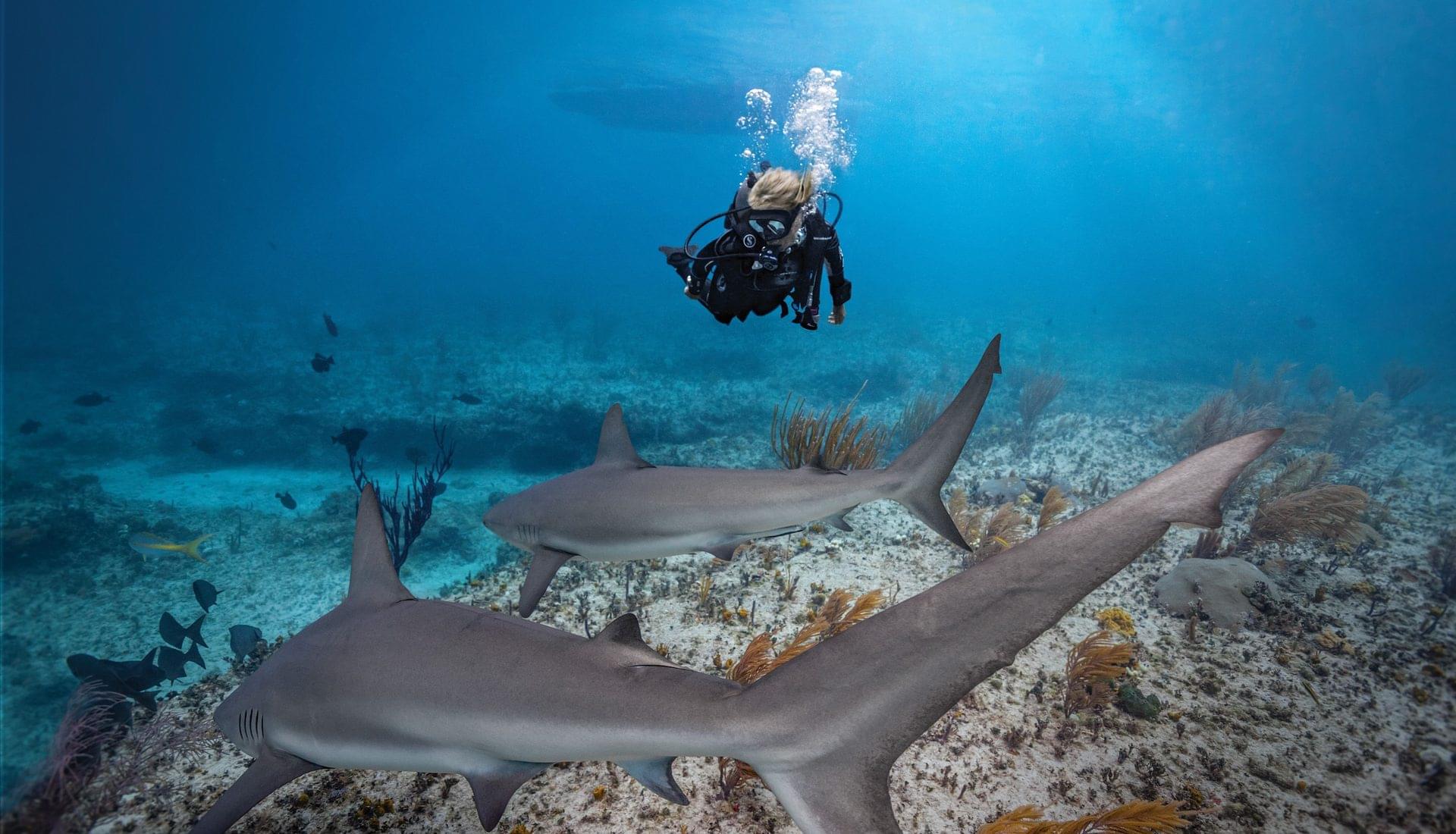
As Ocean Torchbearers, this is where you and I come in. PADI AWARE, which has been central in advancing international protection of threatened shark species, is addressing this problem with the Global Shark & Ray Census. Details will be released soon, but the census will have divers (and even non-divers) use the PADI AWARE Conservation Action Portal app (iOS or Android) to document, record and submit observed population data. That is, what species sharks and rays we see, where we see them, when we see them and how many. The result will be the world’s largest shark/ray population data set, which will be made available globally to shark researchers and resource managers.
Will it work? Absolutely! As I’ve blogged in the past, for more than 100 years citizen science has enabled research that would otherwise be impossible due to scale and/or funding. Not only has it been found to be accurate, but PADI AWARE has already done this with Dive Again Debris®, which is the world’s most sophisticated, largest and widespread data base regarding plastics and other ocean debris. Already in use by international scientists and researchers, the Dive Against Debris® program and resulting data demonstrate that divers like you and I can help protect sharks and rays by noting, recording and reporting what we see while diving.
Stay connected with your PADI Resort or Dive Center and jump in when the Global Shark & Ray Census rolls outs. It’s counting that counts!
Seek adventure. Save the ocean.
Dr. Drew Richardson
PADI President & CEO