It can feel daunting, even dangerous, to love something that’s disappearing before your eyes.
As a big fan of coral reefs and the life they support, these thoughts creep in every so often, especially when I’m diving on a healthy reef, wondering if it’s the last time I’ll experience that magic. NOAA estimates we’ve already lost 30-50% of the world’s coral reefs; the United Nations Environment Programme warns that number could climb to 70-90% by 2050 if drastic action isn’t taken. That’s a difficult future to imagine.
From Anxiety to Action
The speed of this loss tempts us to reduce coral restoration to a numbers game: How many corals were planted? How many survived? How many more reefs still need help?
Those numbers matter. They guide science, funding and management decisions. But, they can also crowd out the very thing that inspires people to protect reefs in the first place: wonder.
Coral restoration work helps combine action with awe, transforming anxiety into purpose. And, for one weekend each June, Key Largo-based nonprofit Coral Restoration Foundation (CRF) invites anyone to join in the fight for our reefs.
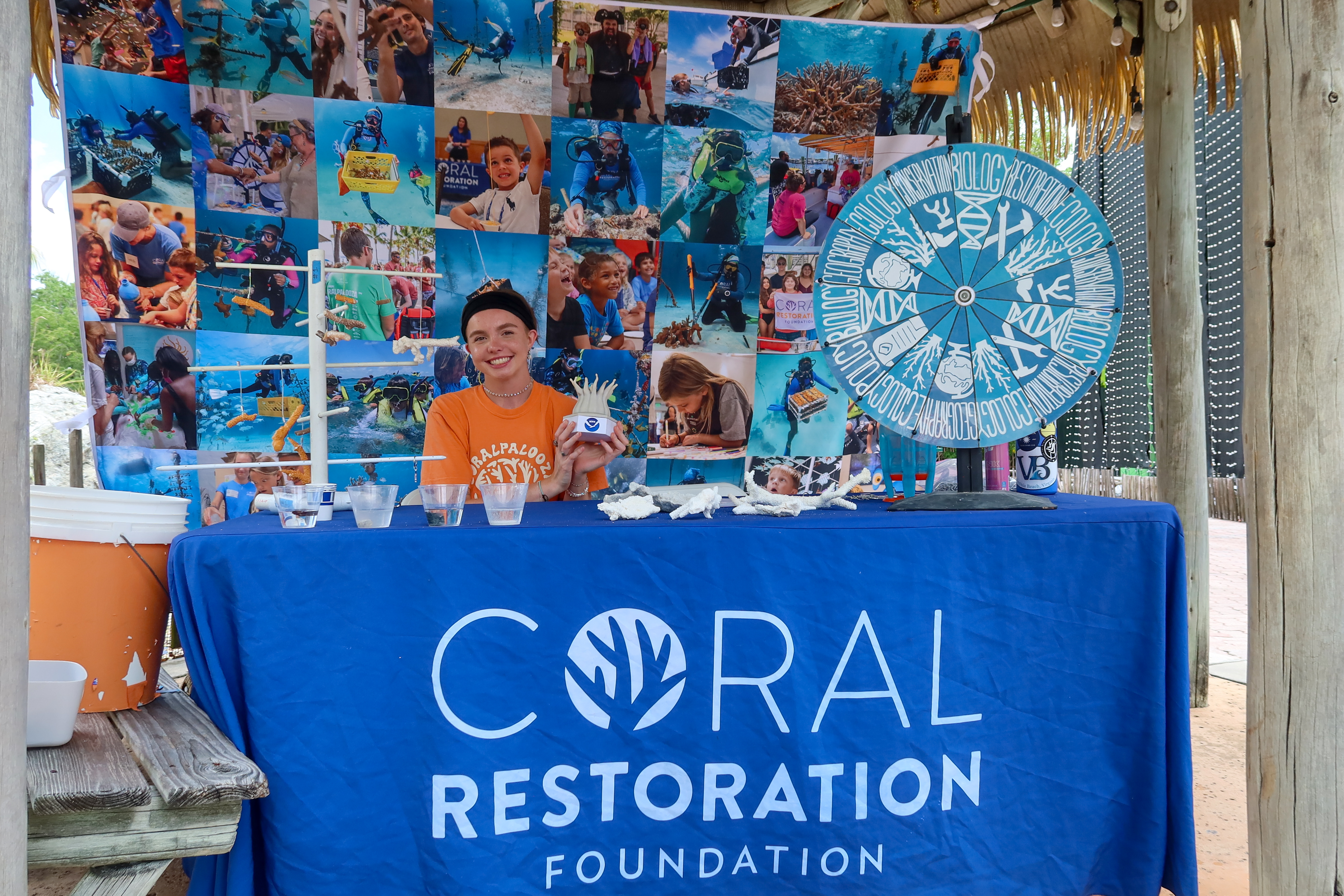
“Coralpalooza aims to raise awareness around the plight of the world’s coral reefs and provides tangible ways that people can make a positive impact,” said CRF’s Learning Ecosystems Administrator Roxane Boonstra.
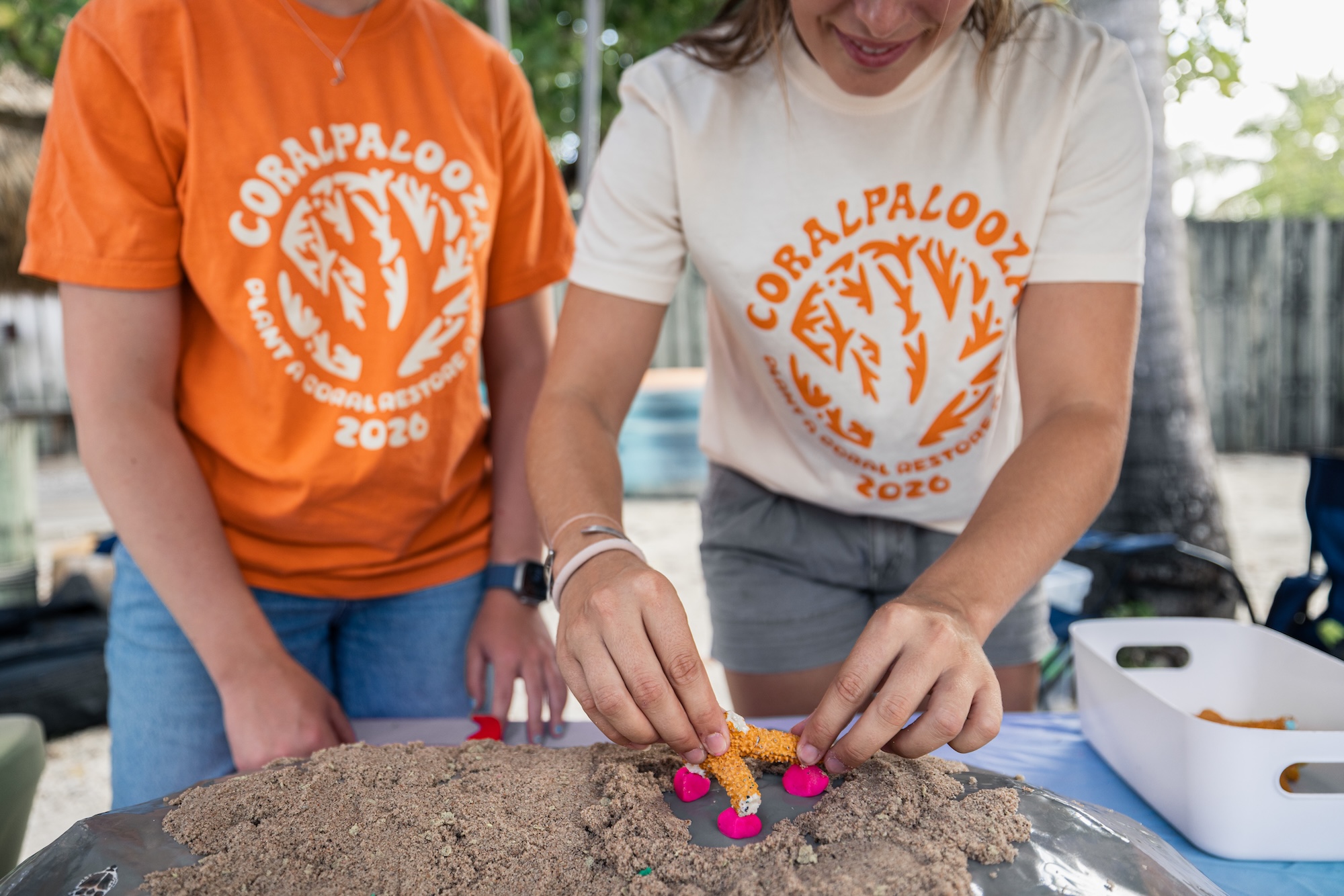
The annual event, now in its 11th year, gives thousands of people the chance to experience a “day in the life” of a coral restoration practitioner. Divers clean coral nurseries, scientists share what they’re learning, families discover reefs for the first time and communities around the world celebrate the remarkable little colonial animals that quietly sustain more than a quarter of ocean life.
Boonstra continuied, “The events are critical to letting everyone know that coral reefs are a resource that belongs to all of us, and that we can all have an active role in helping them thrive.”
Returning to Where It All Began
For me, it’s been several years since I’ve done this work. I moved to the Florida Keys in 2018 to intern with CRF after walking away from a successful legal career that looked great on paper but left me feeling disconnected from the planet I wanted so badly to help.
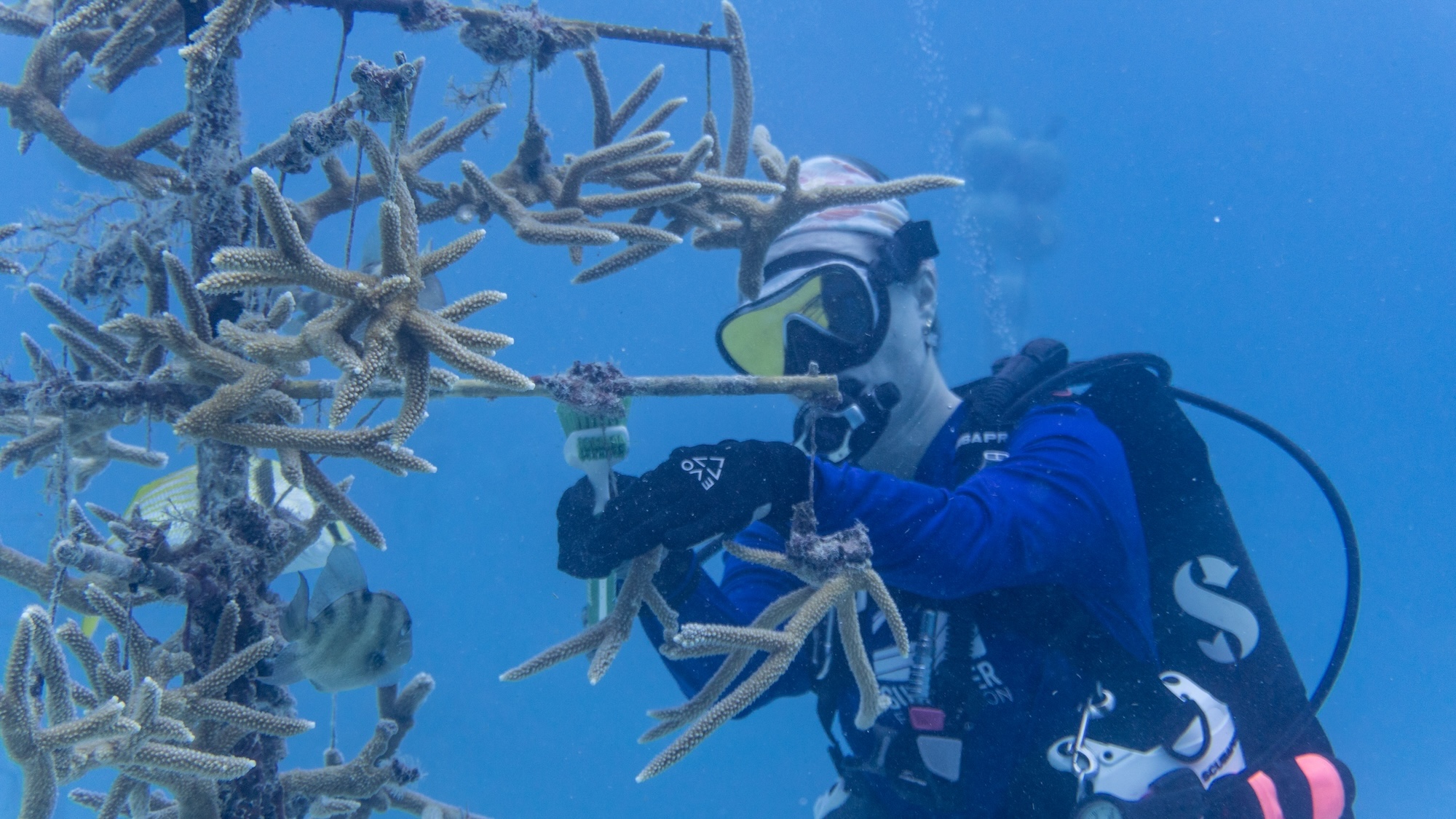
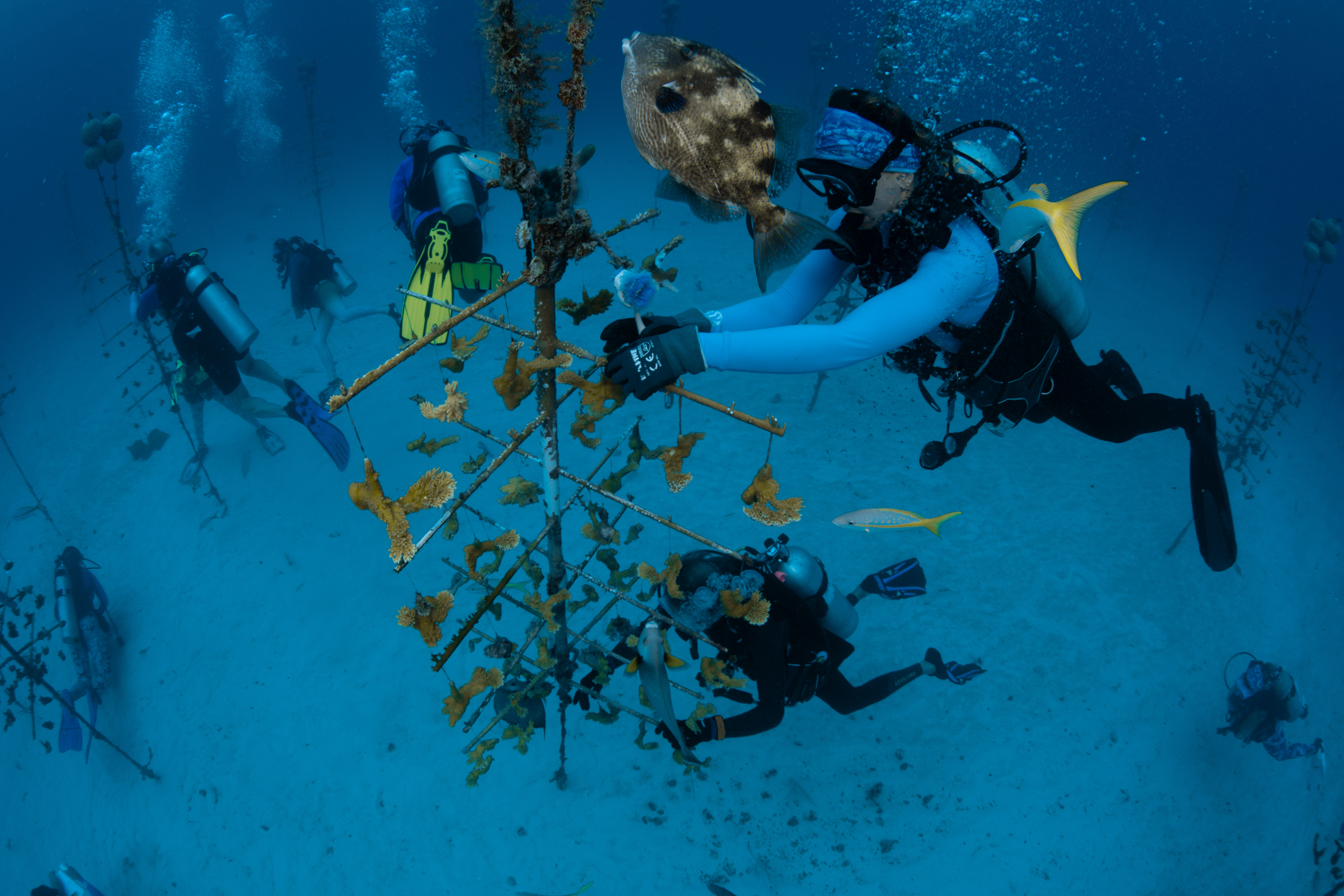
CRF’s Tavernier coral tree nursery – the largest in the world – changed how I experienced conservation. My first dive there, I remember descending onto rows upon rows of endangered staghorn corals growing on underwater “trees” and thinking what an out-of-world experience that was. I was swimming through, taking in the awesome scale of it all, just like I have in a grove of giant redwoods. It was humbling in the way that only nature can be.
In that moment, conservation for me was no longer something confined to policy papers and scientific journals. It came alive with creativity, optimism and people refusing to accept that coral decline was the only story left to tell. Most importantly, it felt like something that I could be a part of and contribute to.
That agency inspired me so much, I extended my internship and moved more permanently to the Keys to continue diving in and protecting these waters. I was activated and excited. And now, I wondered how it would feel to return here.
We soon pulled up to the CRF Tavernier nursery, and I stopped reminiscing to gear up. Safety checks and a quick backroll later, I descended on those same familiar coral trees that had captured my imagination eight years ago. Wow, I’m back.
Boonstra led us toward the gene bank before pointing each buddy team toward rows of coral trees waiting to be cleaned. My hands remembered the rhythm almost immediately, and I settled into the meditative motions of scraping algae, clearing space, delighting as fish dart in to munch on the debris and moving to the next branch.
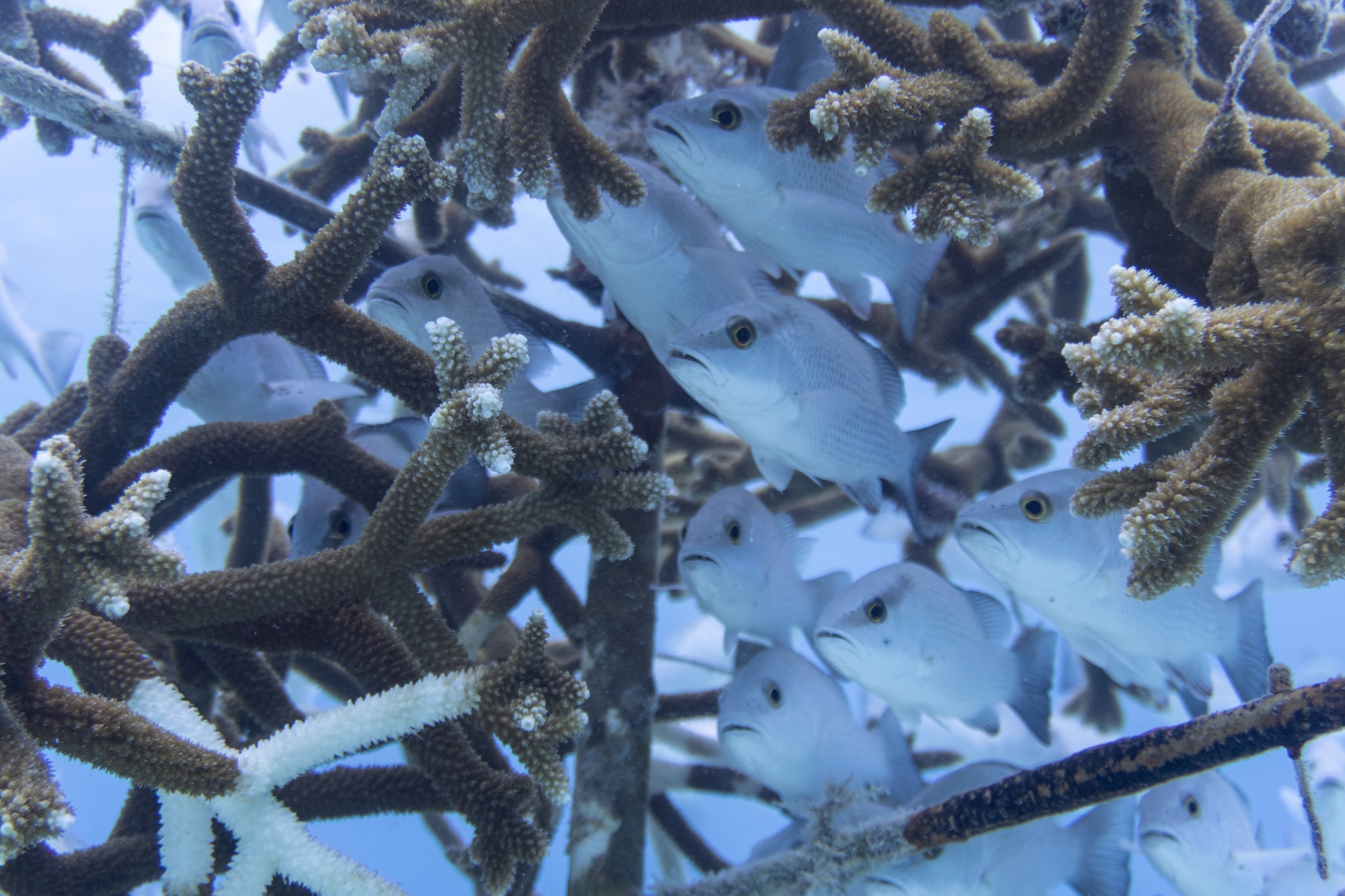
I smiled seeing the happy staghorn corals with their polyps out, feeding and growing. Laser-focused on giving each coral a little more room to grow, I eventually looked up and recognized a familiar face guiding another group of divers nearby.
Kate Toth, Conservation Coordinator for Conch Republic Divers, was participating in her first Coralpalooza. I debriefed with her later, and she told me, “Everyone on the boat was so stoked to be participating in the dives and getting to see the coral nursery.”
Despite most of that boat’s participants being from Florida Fish and Wildlife Conservation Commission’s dive team, Toth’s volunteers got genuinely excited about corals – something that demonstrated the true impact of Coralpalooza to her.
A Global Celebration for Coral Reefs
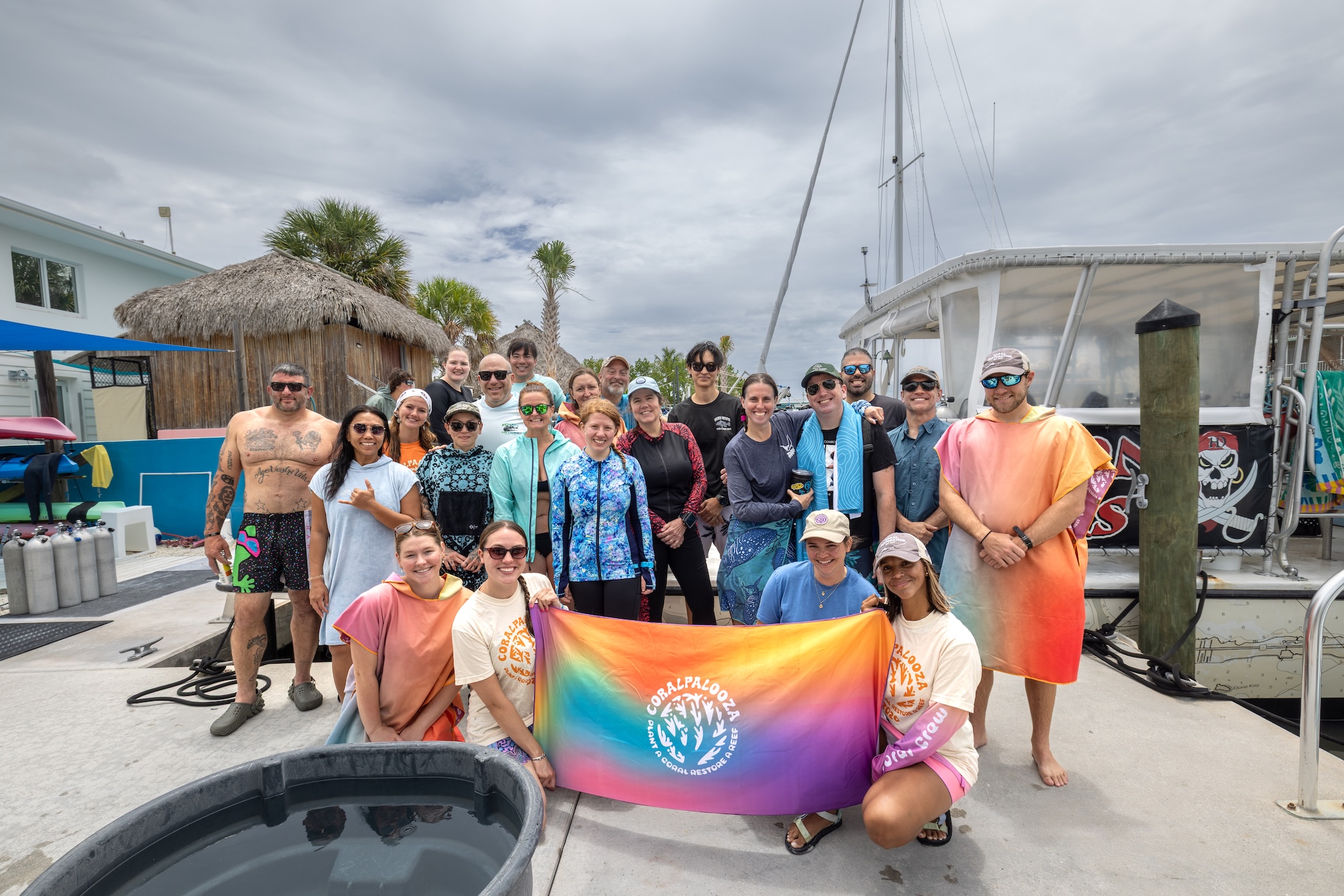
The excitement that day wasn’t unique to our boats. It unfolded across the Florida Keys and far beyond, in dozens of global Coralpalooza events. This year, 190 volunteer divers and snorkelers from Key Largo to Key West worked over 500 hours underwater cleaning 100 coral trees across three nurseries. On land, nearly 1500 more people participated in educational and outreach activities, including kickoff events at Zoo Miami, Key Largo’s Caribbean Club, Key West’s Southernmost Point and the Key West Aquarium.
Around the world, 20 organizations hosted their own celebrations, each finding a different way to connect people with the reefs in their own backyards. From Indonesia to Australia, Saudi Arabia to the Seychelles, groups hosted clean ups, installed coral shade structures, ran week-long education sessions and outplanted coral and sponge outplantings. “Given the diversity of the work of these different groups, how they celebrated was unique to them – so long as it celebrated our coral reefs and brought awareness to restoration work,” Boonstra said.
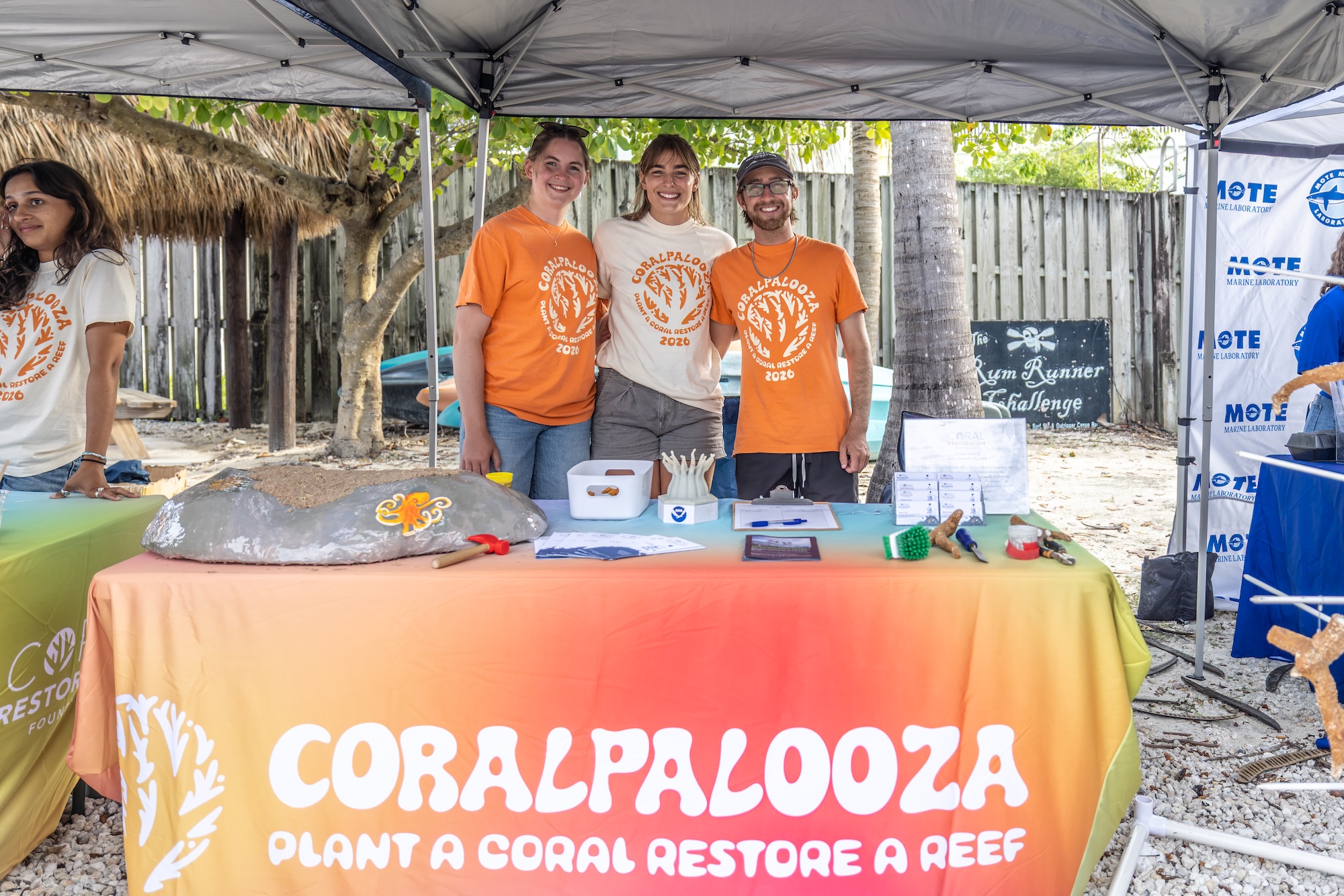
This global groundswell of awe and action continues to grow; and to be a part of something so unique and universal feeling empowered me and the other Coralpalooza divers to become part of the story.
I surfaced from this year’s Coralpalooza reminded of the same lesson that changed my life eight years ago: conservation isn’t built by extraordinary people. It’s built by ordinary people who decide to care, and then who do something about it.
Ready To Help Protect Our Ocean?
Every action, no matter how small, can help shape the future of our blue planet.
Take the Ocean Pledge to become a PADI Torchbearer, then discover conservation opportunities near you. It’s a simple way to turn your passion for the ocean into meaningful action.