
If you’re not obsessed with nudibranchs, are you even a diver?
New divers, please don’t take offense. It’s only a matter of time until you too become obsessed with these tiny, colorful sea slugs. Speaking of which…
Nudibranchs vs. Sea Slugs
All nudibranchs are sea slugs, but not all sea slugs are nudibranchs.
- If you see a slug-like creature with frilly bits and antennae, it’s probably a nudibranch. The antennae are actually sensory organs called rhinophores, and the wavy bits are exposed gills (nudibranch means “naked lungs”).
- If the creature doesn’t have both rhinophores and exposed gills, it’s a different type of sea slug.
Click to display the embedded YouTube video
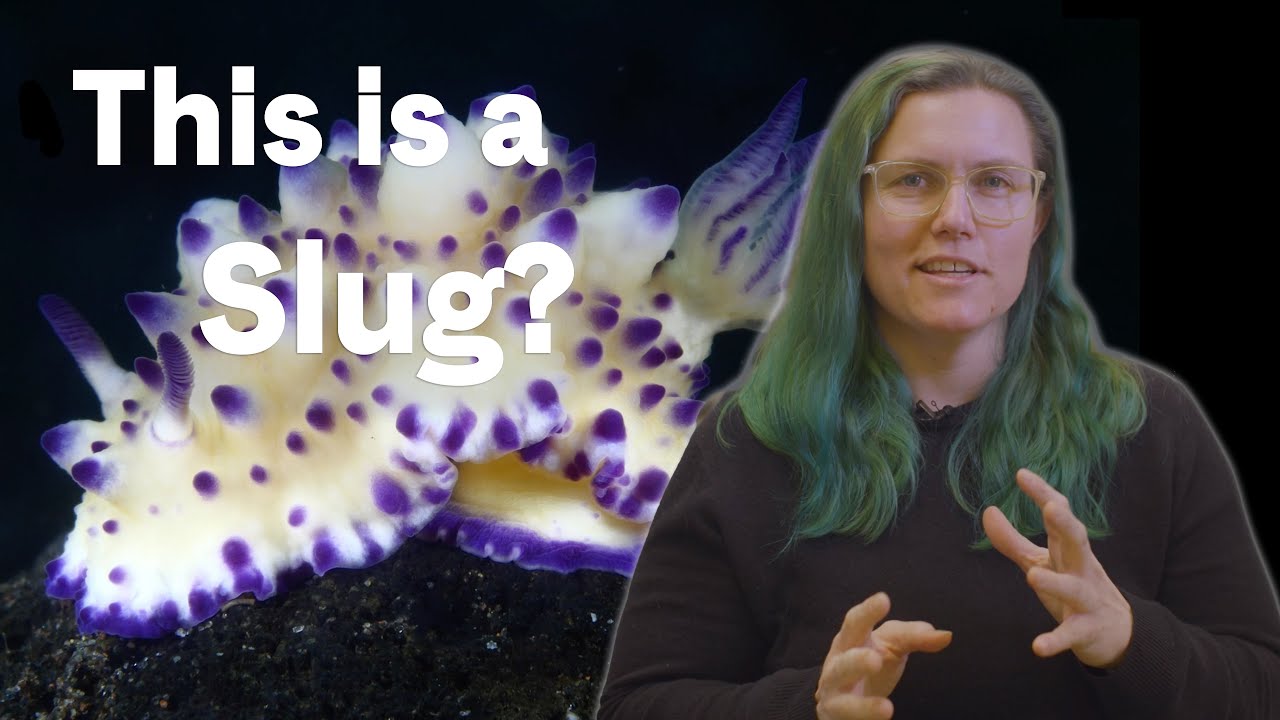
This list will include both nudibranchs and sea slugs, because they are equally enjoyable. Also, I’m not that guy on the dive boat who interrupts your story to give a science lecture.
10 Amazingly Awesome Nudibranchs and Where To Find Them
Making a top ten list of nudibranchs was very challenging. How could I possibly choose just ten? In the end, I decided on a mix of common and rare nudis. Because all sea slugs are special, especially when you (finally) find one.
Rare, Weird and Wonderful
You won’t see these creatures on every dive, but when you do find one, it’s a super special occassion.
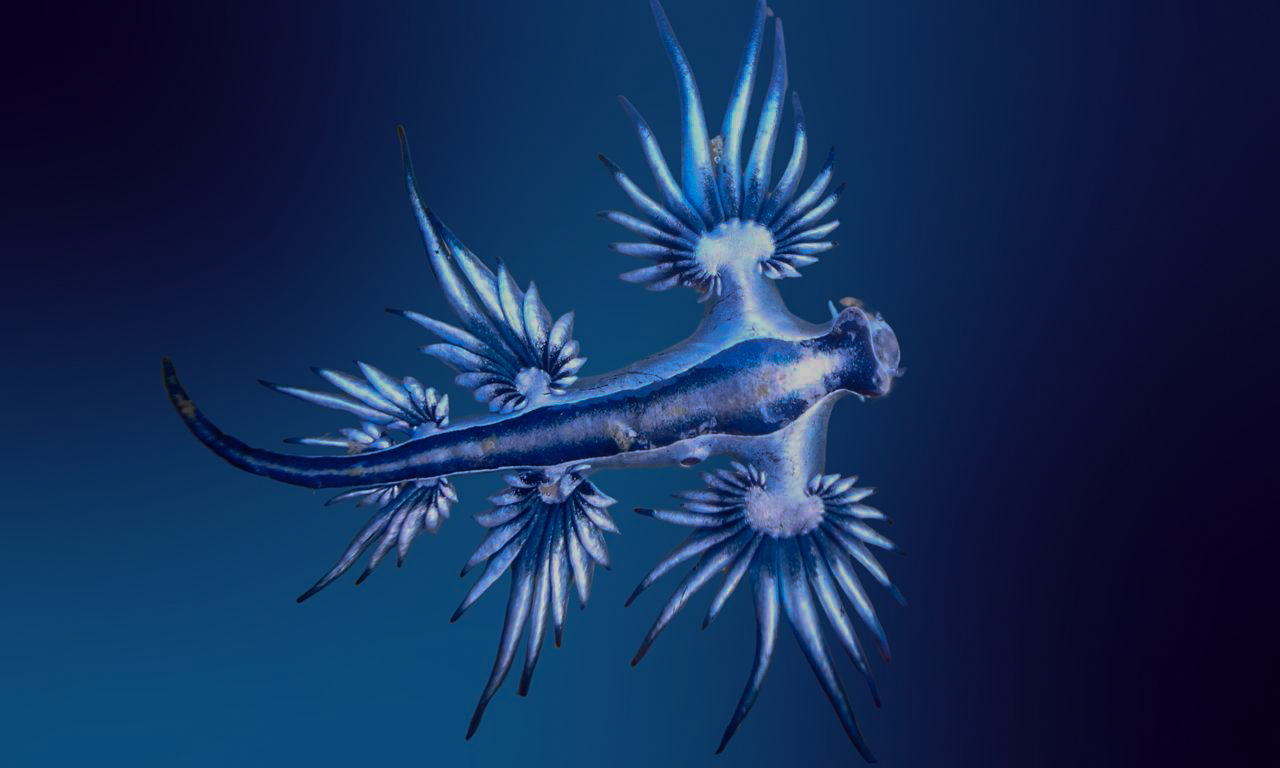
1. Blue Sea Dragon (Glaucus atlanticus)
Other names for this nudi include: man o’ war, the blue angel and blue glaucus.
This little critter has a special place in my heart, because it was my gateway nudi. I saw a photo and was instantly captivated. Unfortunately, even though it lives in temperate and tropical waters in most of the world, I still haven’t seen one.
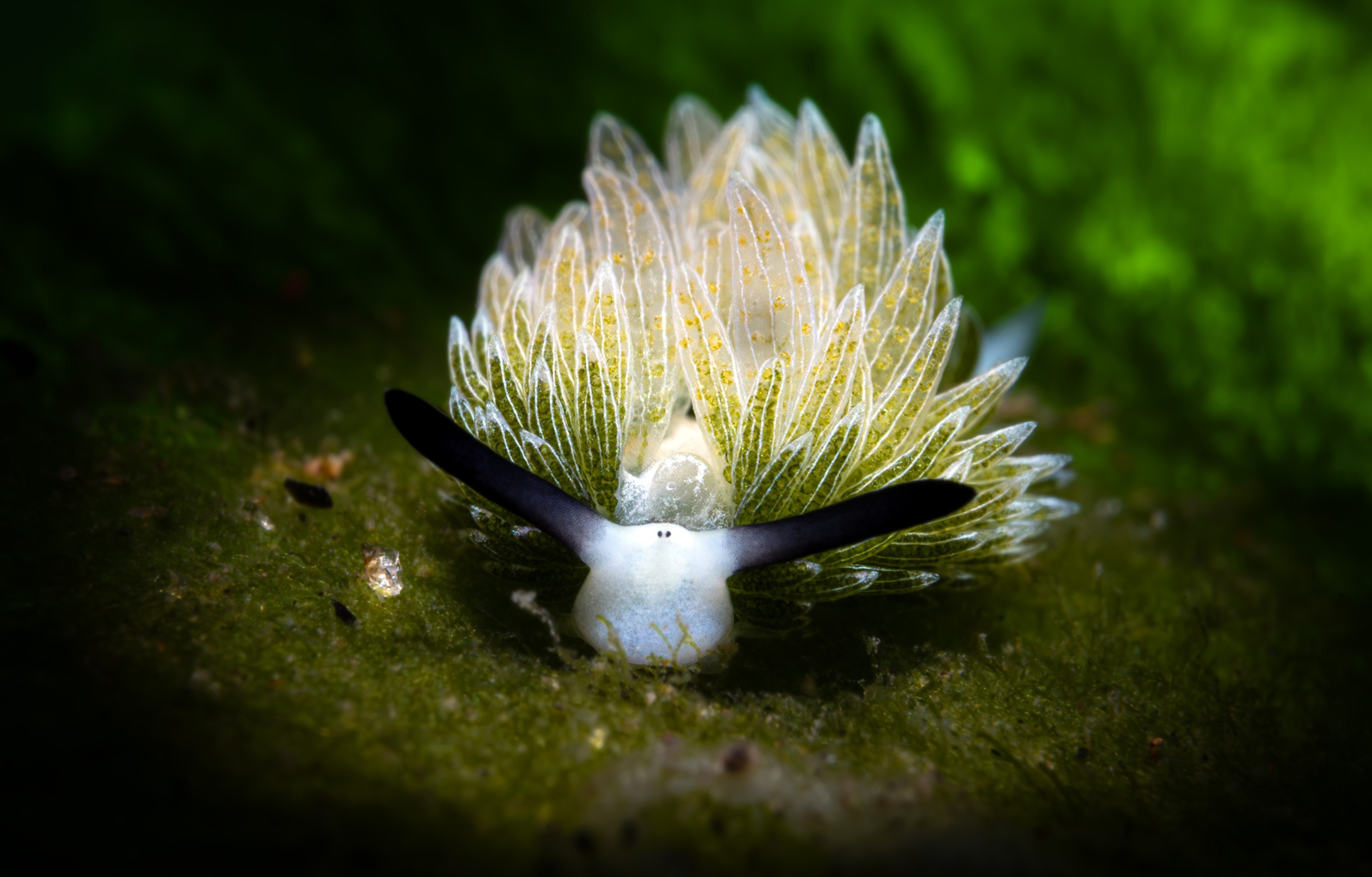
2. Shaun the Sheep (Costasiella kuroshimae)
This sacoglossan sea slug is why this top 10 list couldn’t be nudis only. Shaun the Sheep is too cute to leave off the list. It lives in the Pacific from Japan through the Coral Triangle.
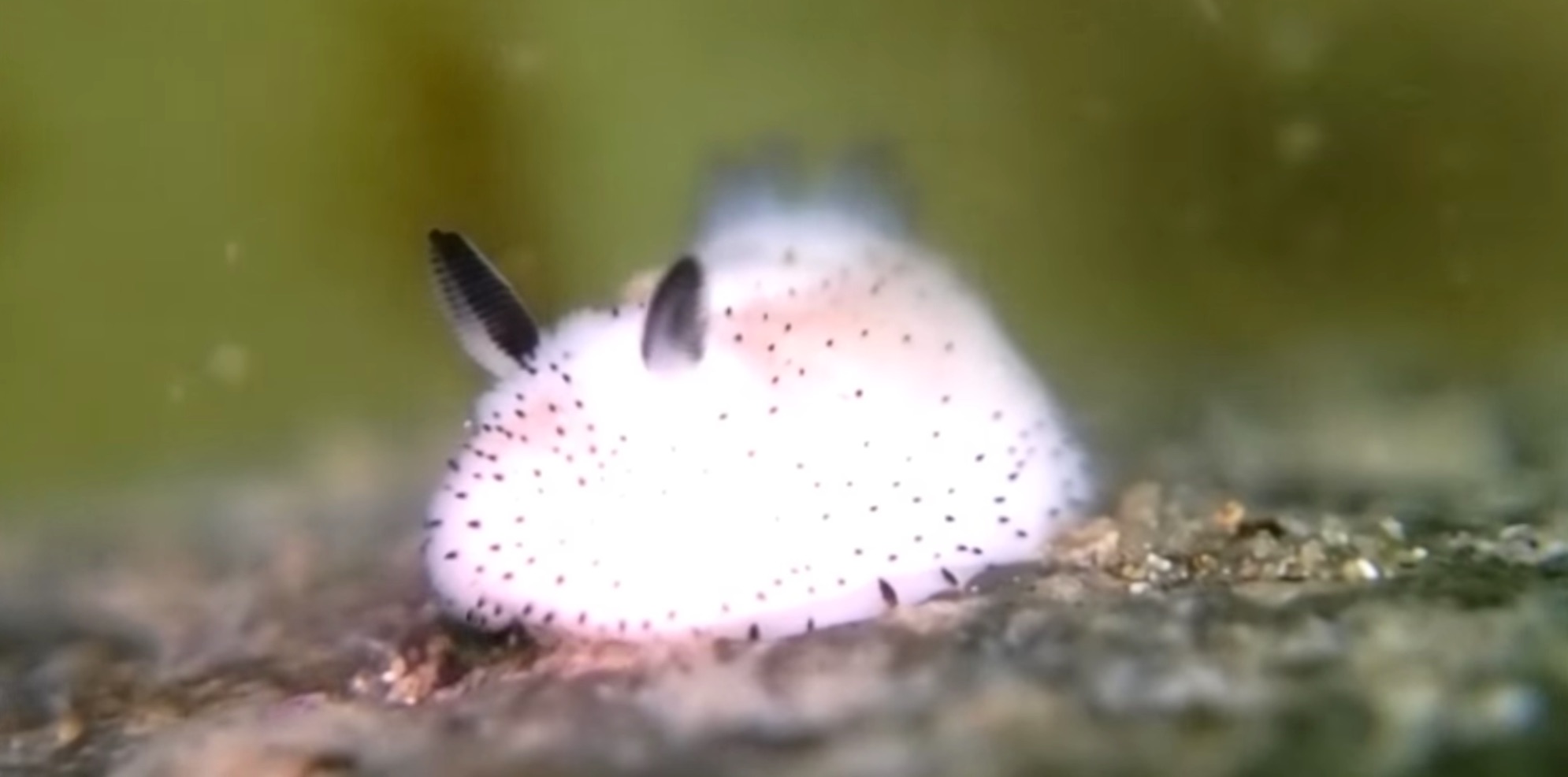
3. Sea Bunny Slug (Jorunna parva)
Here’s another sea slug that had to be in the top 10. The sea bunny slug lives in the Indo-Pacific, but it is most commonly found going viral on the Internet.
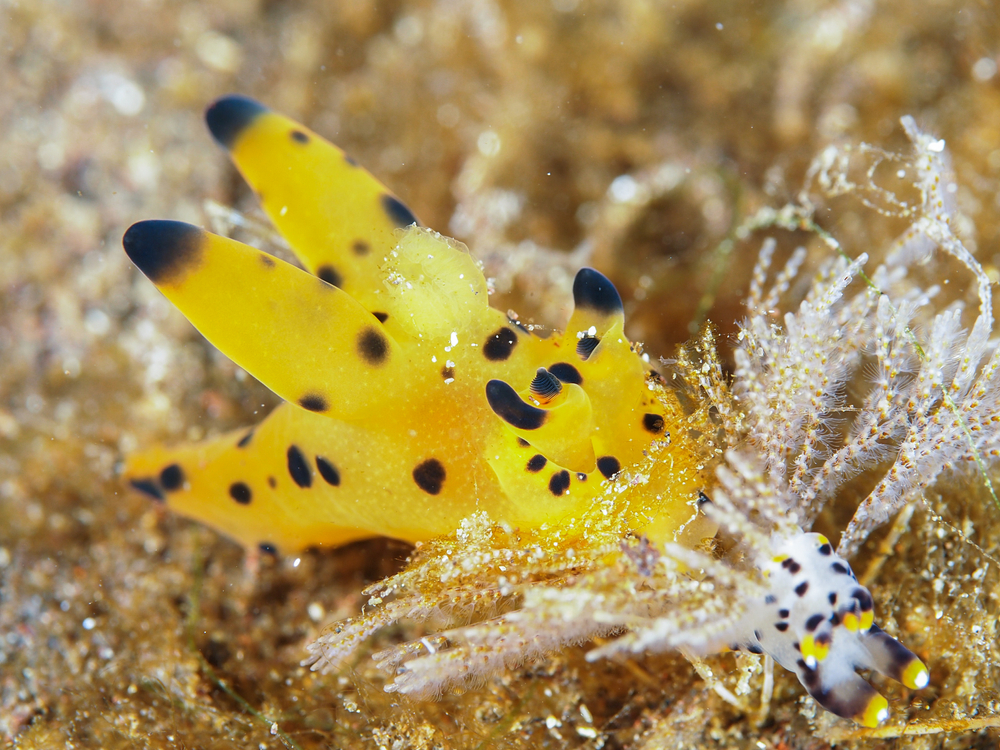
4. Pikachu Nudibranch (Thecacera pacifica)
I would love to tell you this nudibranch comes from Japan. But it lives further south in the Pacific, in and around the Coral Triangle. Pikachu has also been spotted in the Indian Ocean.
Click to display the embedded YouTube video
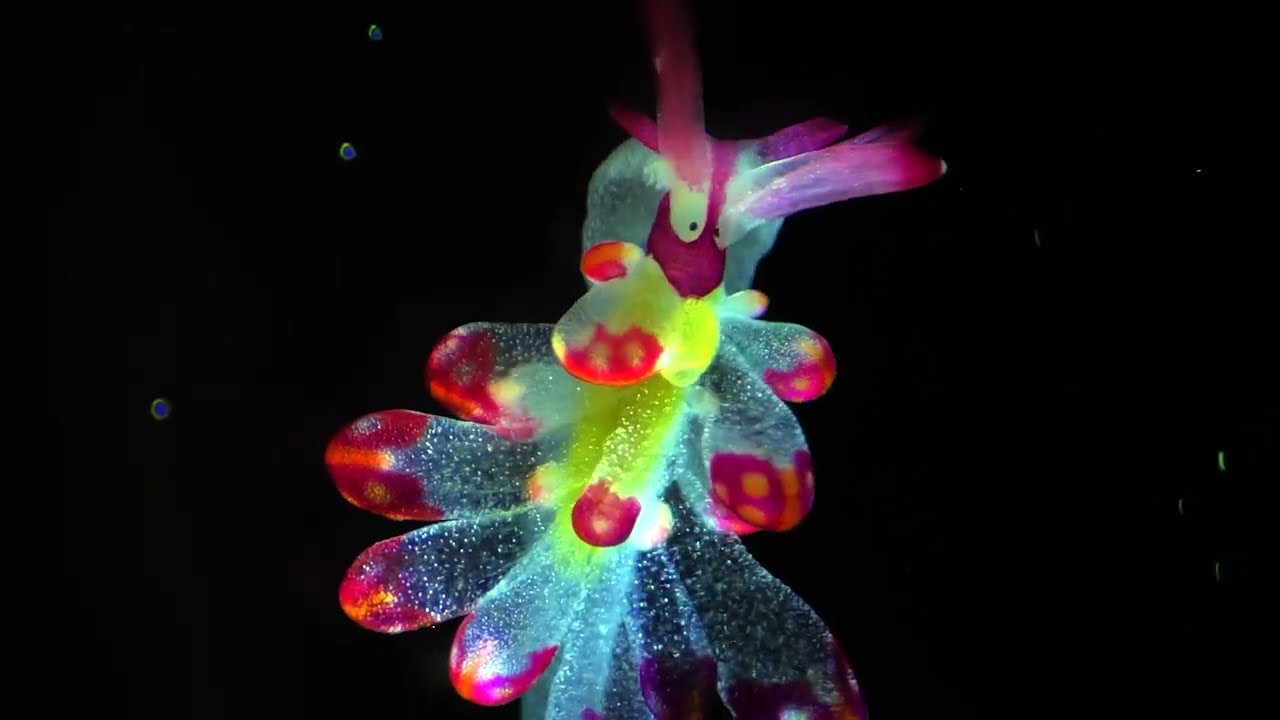
5. Cyerce Kikutarobabai
This elegant critter has been nicknamed “the butterfly nudibranch,” but it’s actually a sea slug.
Click to display the embedded YouTube video
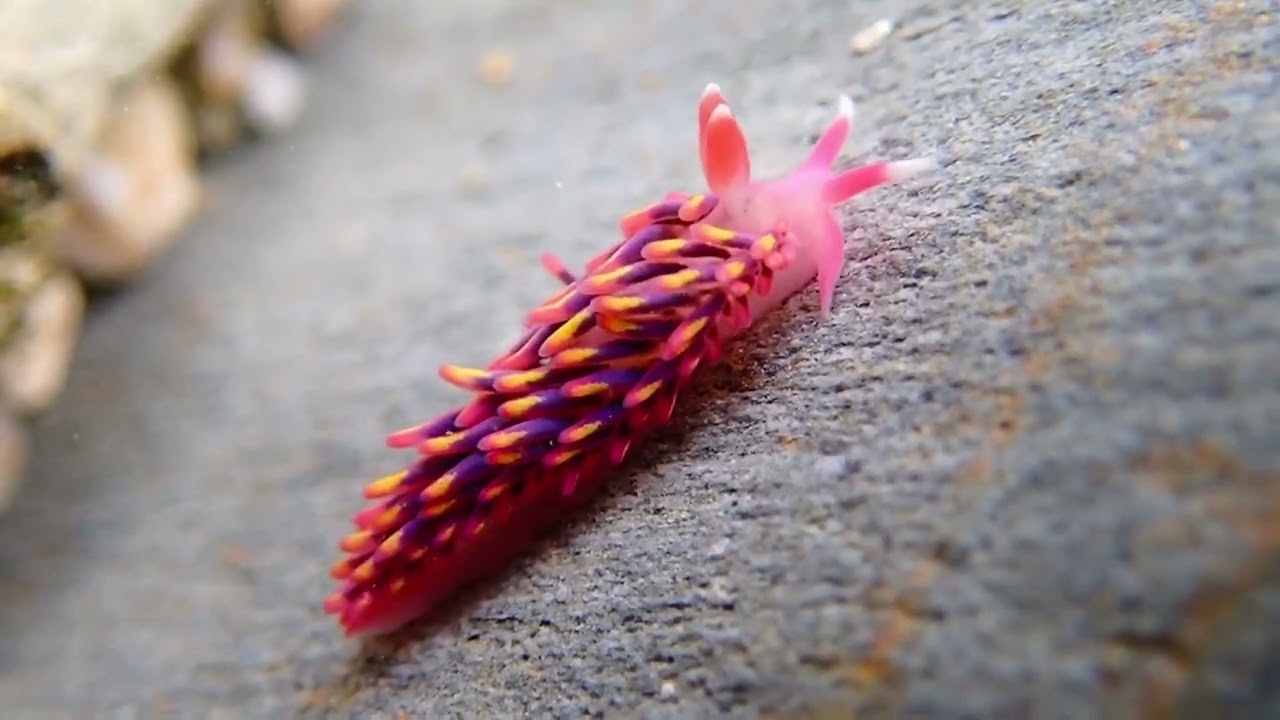
6. Rainbow Sea Slug (Babakina anadoni)
I swear this isn’t AI. Only Mother Nature could create something this extraordinary.
The rainbow sea slug predominantly lives in the warmer parts of the Atlantic, around the Bahamas, Brazil, Spain, the Canary Islands and Portugal.
More Common Nudibranchs
Nudibranchs live in all the world’s oceans: in tidal pools, deep water, sandy beaches and rocky areas. Here are some more common (but still fascinating) nudibranchs from different parts of the world.
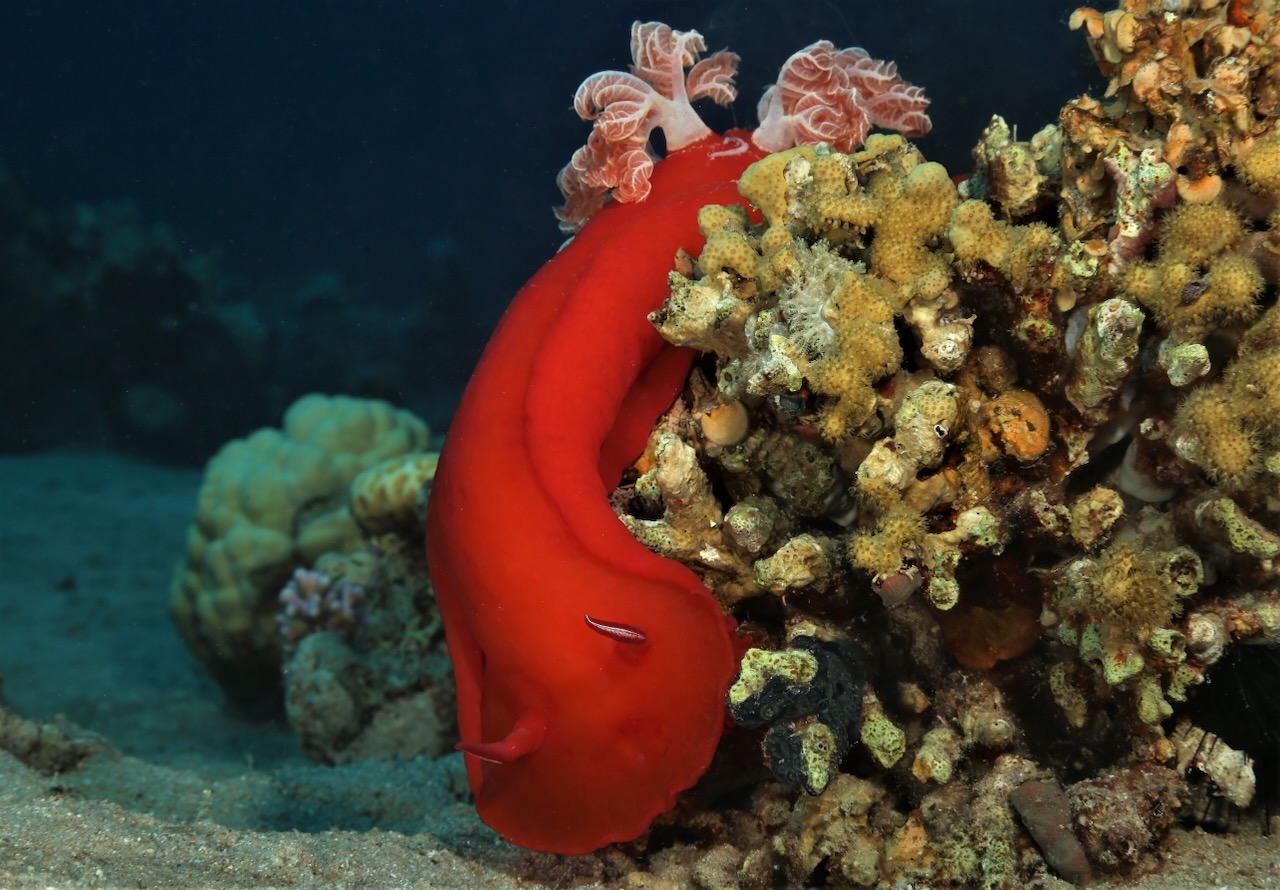
7. Spanish Dancer (Hexabranchus sanguineus)
The Spanish Dancer is famous for its mid-water undulations. It’s also quite large, up to 40 centimeters/15 inches long. Divers have seen its legendary performances in the Red Sea and Indo-Pacific.
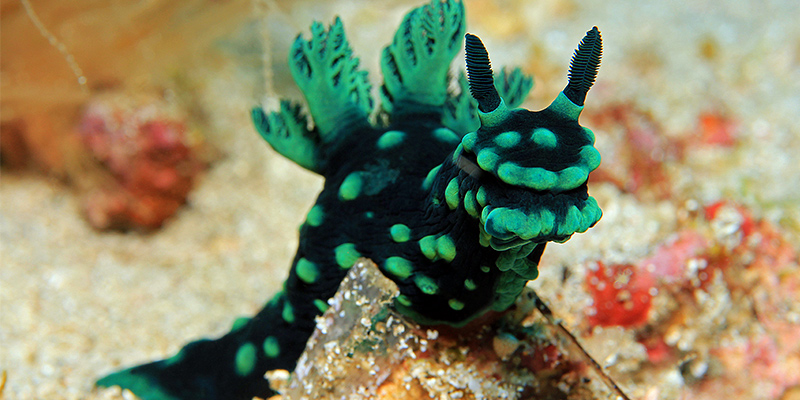
8. Nembrotha
Nembrotha is a family of nudibranchs with some gorgeous variations. The Nembrotha lineolata is one of my favorites. If you’ve been diving anywhere in the Pacific from Australia to Japan, you may have seen one. They also live in the Indian Ocean, from the Seychelles to Tanzania down to the Comoros Islands.
9. Fabulous Flabellinidae
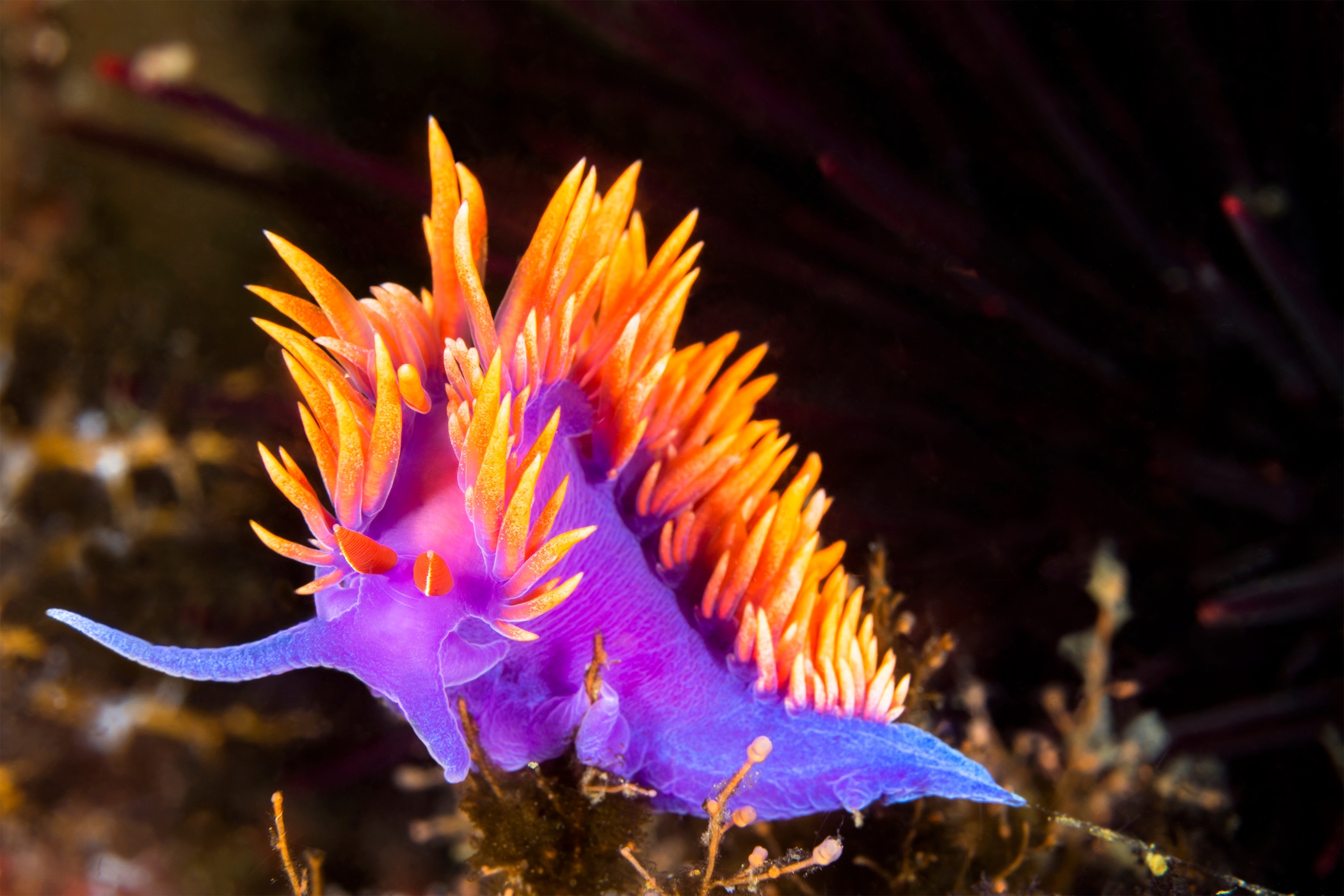
Flabellinidae is another family of nudibranch found in many parts of the world. Edmundsella pedata (also known as Flabellina pedata), lives as far north as Norway, throughout the UK and in the waters surrounding Europe.
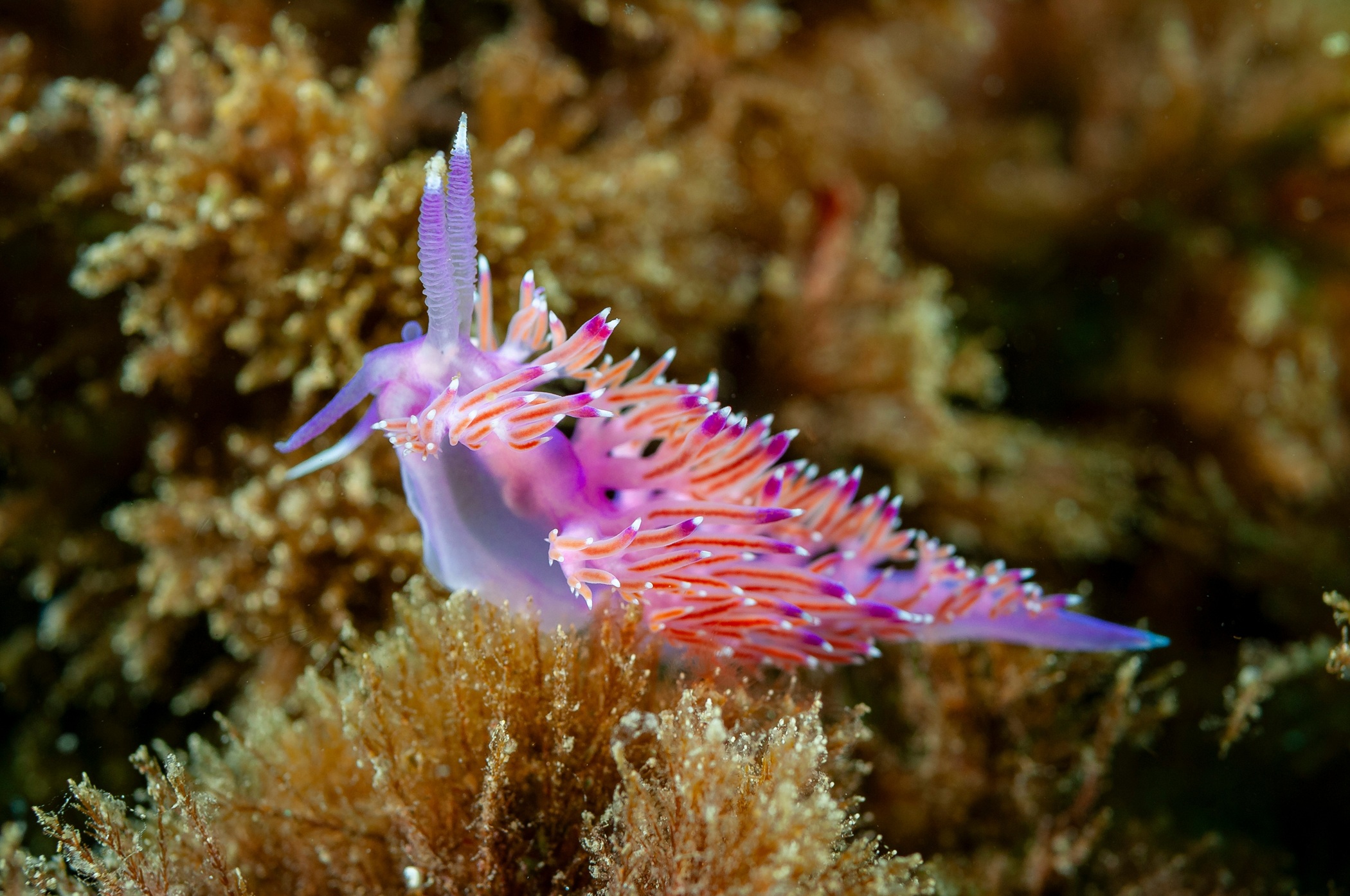
The lovely Flabellina ischitana lives in the southern Mediterranean, near Spain. Divers in South Africa may have seen the purple lady nudibranch (Flabellina funeka) and in the Pacific Americas, divers may encounter the Spanish shawl nudibranch (Flabellinopsis iodinea).
10. Chromodoris
Chromodorididae live in tropical and subtropical waters around the world. If you’ve seen a colorful nudibranch on a sponge, it’s probably some type of Chromodorididae. There are 390 different species, including the chromodoris.
The chromodoris comes in many color variations, but it has two distinguishing characteristics:
- A branchial plume
- A thick mantel
There are more than 100 chromodoris nudis in a variety of colors. But the pyjama nudibranch (Chromodoris quadricolor) pictured below has one of the most common color combos.
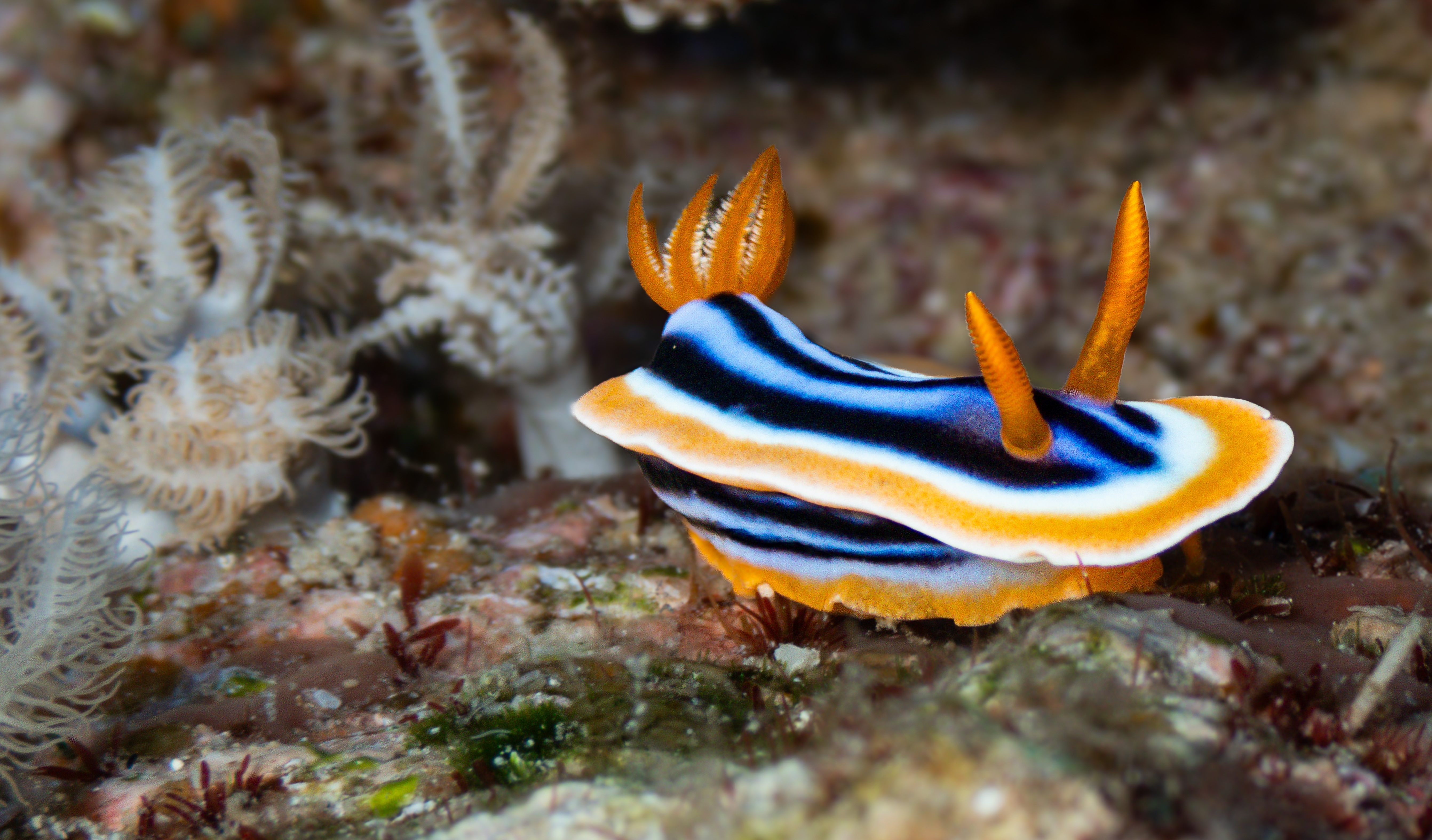
The pyjama nudi is common in the Red Sea, but the magnificent sea slug (Chromodoris magnifica) of the Indo-Pacific and Chromodoris hamiltoni of southern Africa look quite similar.
Are you obsessed yet? If not, check out Bowiebranchia, a website that compares nudibranchs to outfits worn by music icon David Bowie.
Nudibranchs Are Tiny Treasures
There are hundreds of beautiful and weird and beautifully weird nudibranchs not included in the list above.
Scientists have identified more than 3,000 species of nudibranchs, but they estimate that two to three times that many actually exist. Researchers probably discovered a new nudibranch species in the time it took you to read this article.
That’s a joke, of course, but scientists find new nudibranchs constantly. They have discovered two in the past six months alone. In early 2026, scientists added Thecacera sesama (the sesame seed sea slug) to the official nudibranch roster. During the World Cup, a scientist named his newly-discovered nudi, Aldisa vozinha, for Cape Verde goalkeeper Vozinha.
To see these tiny underwater treasures in person, or maybe discover a new one, visit your local PAD Dive Shop or book a trip to dive with them on PADI Travel®.