Scuba diving is one of those experiences that changes shape entirely once you’re a few years into it.
The nerves before your first dive during the Open Water Diver course, the slightly awkward buoyancy of your early dives, the gear fumbles – all of it tends to fade into the background as you gain experience, replaced by a much longer list of things you wish someone had told you sooner. Ask any experienced diver what that list looks like, and you’ll rarely get a short answer.
We gathered advice for new divers, from people with a handful of logged dives right through to those well past the 5,000 mark, and some clear themes kept surfacing, told from completely different angles by completely different divers.
Below, we’ve grouped that advice for new divers into the lessons that came up most, so you can go into your first underwater experience feeling more confident and more prepared.
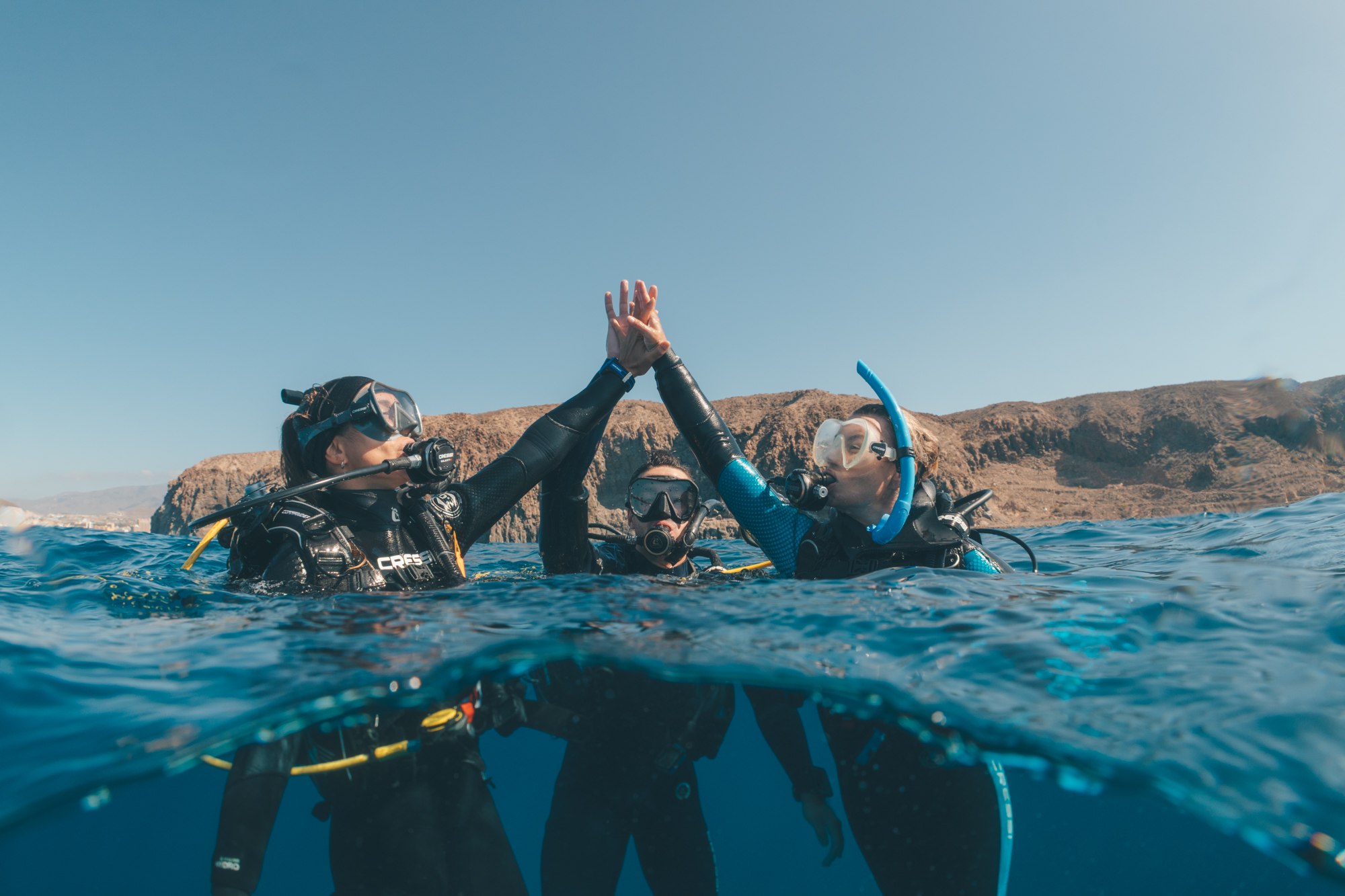
Slow Down and Relax
If there’s one instinct new divers need to unlearn early, it’s the urge to rush. Rushing shows up often in scuba diving, from fast, shallow breathing pattern that burns through air faster than it needs to to a descent that’s too quick to equalize comfortably.
Divers who’ve been doing this for decades were near-unanimous that the opposite approach pays off. Don’t rush! Slower breathing improves buoyancy almost immediately. A slower descent gives you time to check in with your body and your gear.
There’s also a mental side to this. Divers repeatedly pointed out that the calmest people underwater are rarely the ones who dive the most, but the ones who’ve learned to control their breathing and their thoughts before they even hit the water. As one commenter on Instagram, @clanceyadam, put it: “Relax, there’s no rush.”
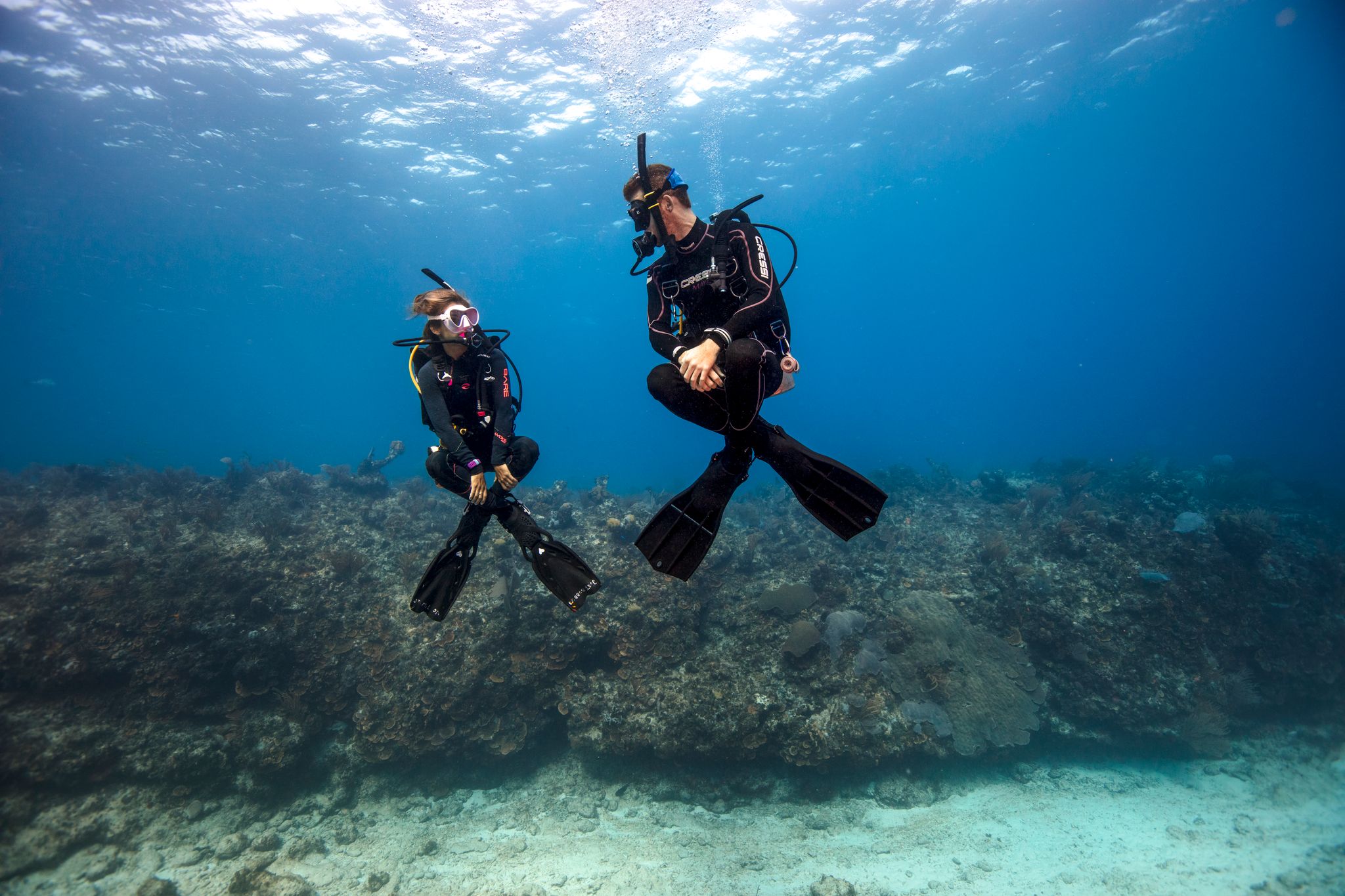
Buoyancy Before Bling
New kit is exciting, and an underwater camera is often top of the wish list. But this was one of the most repeated pieces of advice for new divers in the entire thread – get comfortable with buoyancy and trim first, and let the camera wait.
Divers described watching beginners so focused on framing a shot that they’d drift into the reef, kick up silt or lose track of their depth entirely. None of that is entirely the camera’s fault, but it’s a lot easier to avoid when body position and air management are second nature.
The advice wasn’t to avoid cameras forever, just to sequence things sensibly. Master buoyancy control on a handful of relaxed, camera-free dives, and bring the GoPro along once it’s a genuine addition rather than a distraction. @lgwvphoto on Instagram summed it up neatly: “Leave the GoPro at home for a bit longer.”

You’re a Guest Down There
When we asked experienced divers what they would like to tell new divers, respect for the underwater environment came through in almost every form: don’t touch coral, don’t chase marine life, don’t stand on the seabed to steady yourself and don’t take shells or anything else as a souvenir.
A few divers were particularly direct about this, framing every dive site as somewhere you’re visiting rather than somewhere you belong.
This mindset shift – treating the ocean as a privilege rather than a backdrop – was summed up by Instagram’s @paul_klepke‘s comment: “Don’t touch. You’re the guest.”
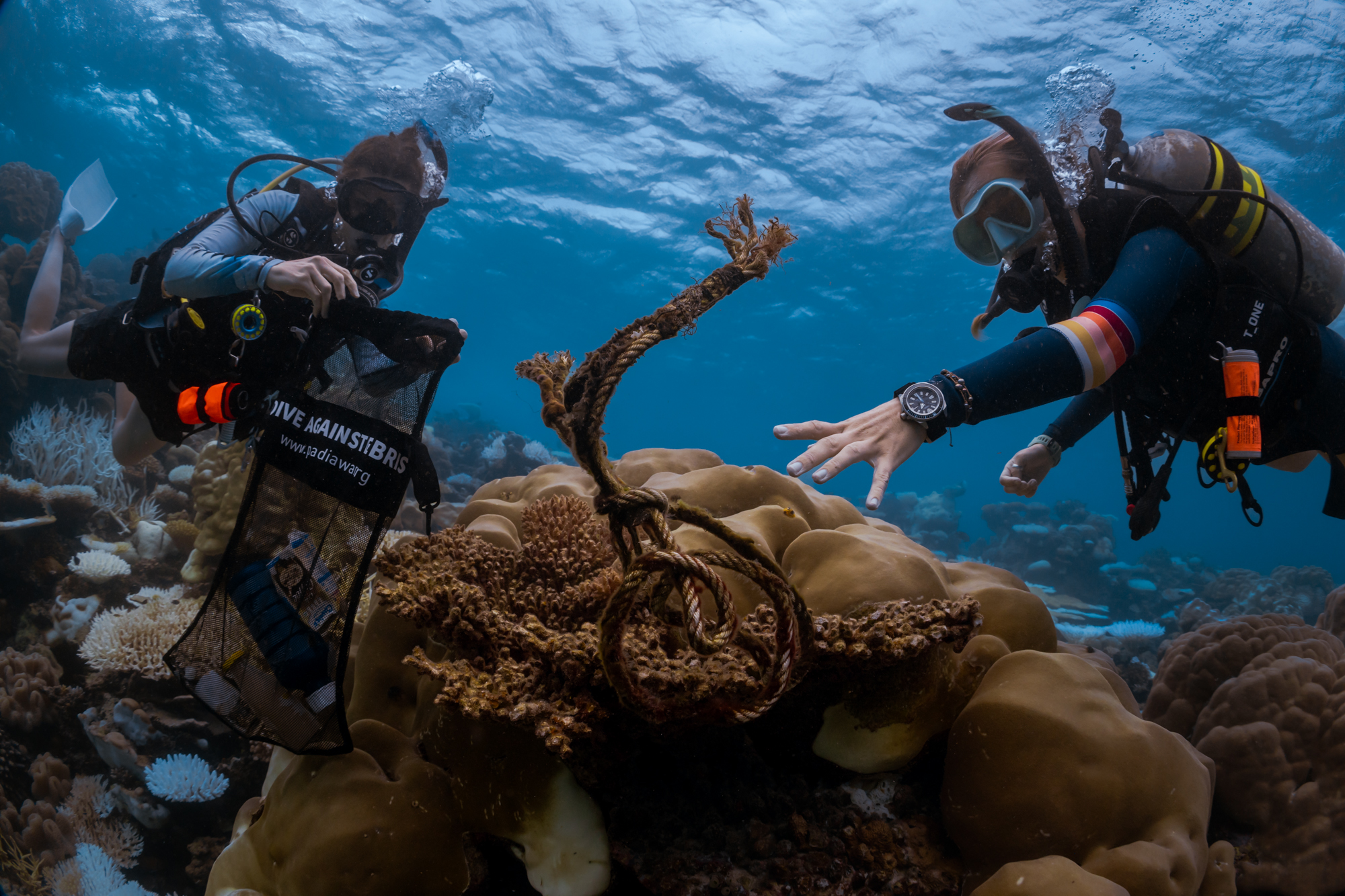
Dive Count Isn’t a Competition
A fair number of commenters pushed back hard on depth or dive-count one-upmanship. Someone with 500 logged dives doesn’t automatically know more, or dive better, than someone with 20 logged dives, and depth is never a competition.
Confidence underwater comes from practice, self-awareness and a willingness to keep learning, not from a running total in a logbook. More than a few experienced divers went out of their way to say they still learn something on nearly every dive, regardless of how many they’ve done.
This theme also carried a kinder message for beginners specifically: don’t feel intimidated by more experienced buddies, and don’t let anyone make you feel small for diving at your own pace or ending a dive early if something doesn’t feel right.
@gabrielex83 on Instagram put it plainly: “It’s not a challenge about who goes deeper.”
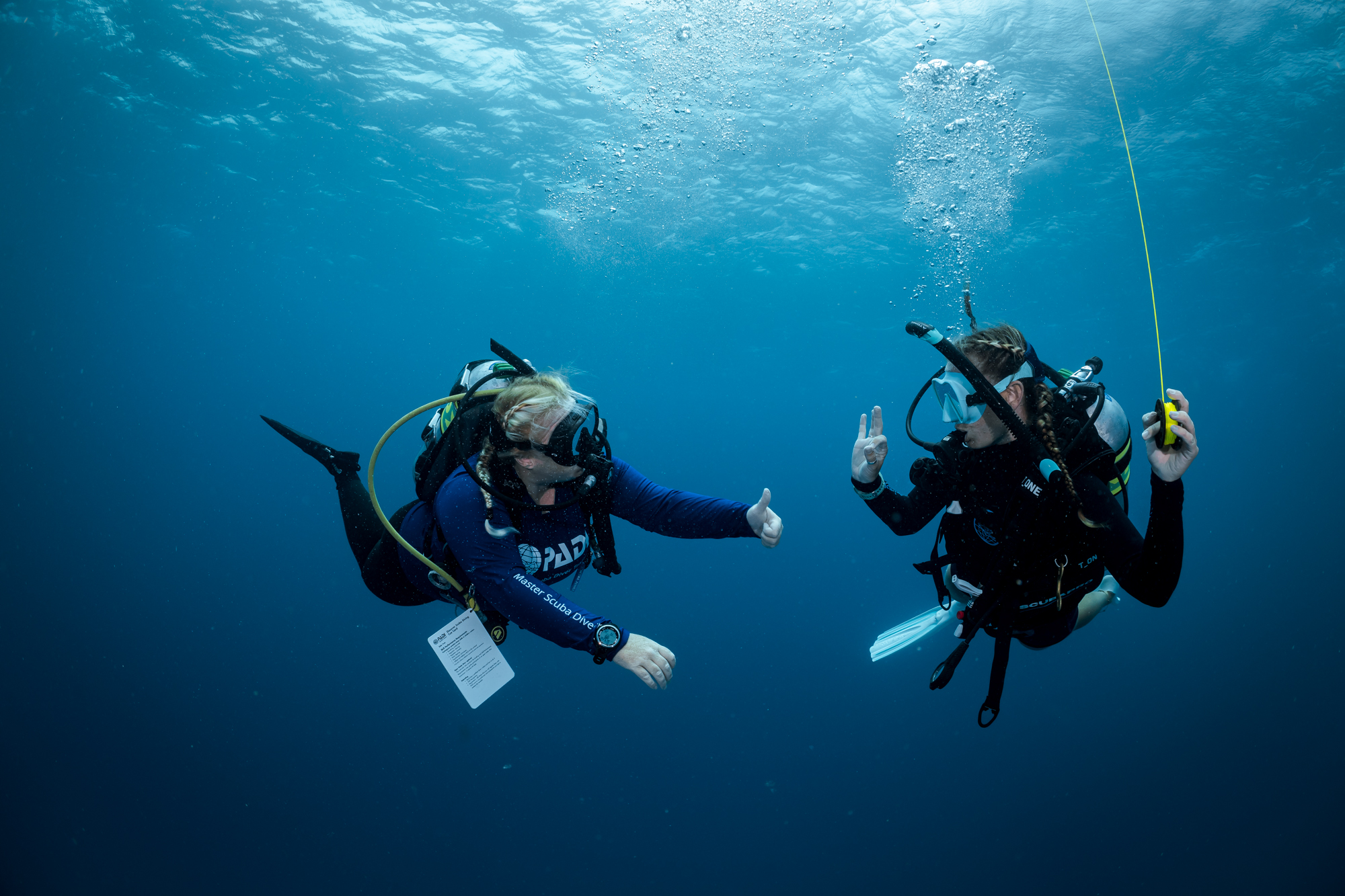
Trust Your Gut, Look After Your Buddy
Safety advice clustered around a few consistent, practical points. Always dive with a buddy. Do a proper buddy check before every dive, not just when you remember to or feel like it.
Be honest about your air consumption, even if you go through your tank faster than everyone else in the group. As @tanja98u put it on Instagram: “Be honest about your air consumption, don’t feel ashamed if you go through your air quicker than others, it’s important to not take risks with it.”
And if a dive site, dive operator or even a specific buddy doesn’t feel right, it’s always acceptable to say no, however far you’ve travelled or however awkward it might feel in the moment.
Several divers also flagged the importance of refresher courses after any extended break from diving, pointing out that skills fade faster than people expect and that being upfront with a dive shop about how long it’s been is far safer than guessing.
Keep Learning, Keep Diving
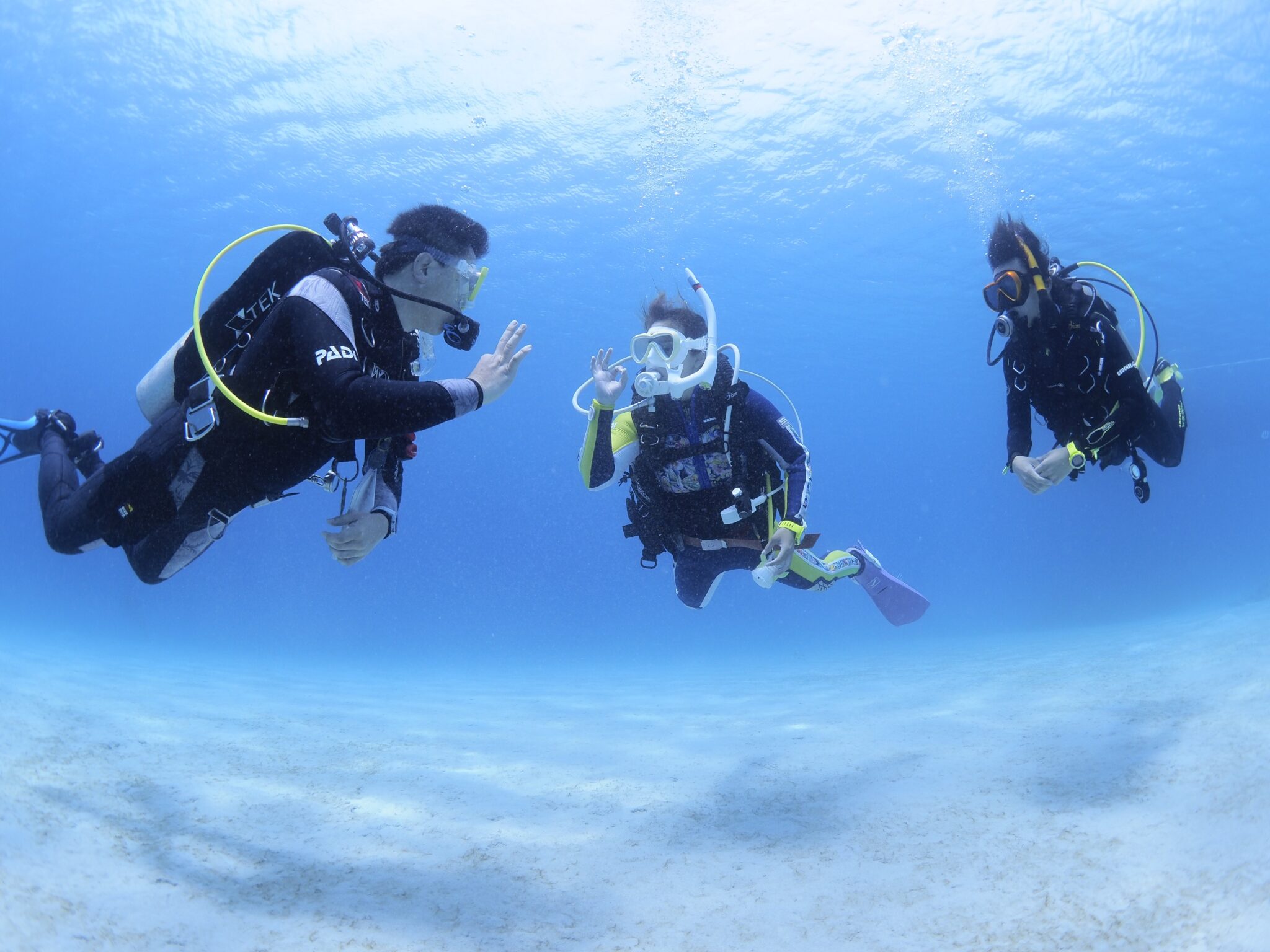
Most of the experienced divers that commented on our call for advice shared the belief that diving rewards curiosity over certainty.
Divers with thousands of dives logged were still describing themselves as students of the sport, still working on their trim, still signing up for Specialty courses, and still learning from divers more experienced than themselves.
The overall message wasn’t really about avoiding mistakes at all costs. It was about staying open to improvement at every stage, from your very first open water dive to your five-hundredth dive and beyond.
Ready To Get Started?
Whether you’re working through these lessons for the first time or picking up where you left off after a break, the best next step is the same: get in the water with people who can guide you through it properly. If you’re learning to dive for the first time, sign up for the Open Water Diver course. Otherwise, find your local PADI Dive Shop and get started on a refresher course, a Specialty course or just get in the water and go diving.