In the 1960s, records show that whaling hit its peak, with estimates indicating more than 80,000 killed annually. Plummeting whale populations triggered a global ground swell of protest by alarmed people and institutions – including whalers themselves who realized that the kill rate was unsustainable. “Save the whales!” became our battle cry in the 1970s, continuing to the present; it is one of the world’s longest ongoing public conservation campaigns. Consistent with PADI’s Blueprint for Ocean Action, protecting threatened marine species, PADI and PADI Divers are and have been activists for whale preservation.
But after 50+ years of global action, are the whales being saved? The answer to this reaches beyond the whales. It’s a measure of whether we make a difference – whether all of us as Ocean Torchbearers acting with the rest of the world can realistically expect to bring about positive ocean change.
The short answer is, yes, we’re saving the whales – at least some of them. But, the long answer is more complex.
As you might imagine, determining whale populations isn’t easy. Not only do estimates vary due to methodologies, but there are separate regional populations for most types of whale. However, overall population trends seem to agree.
Here are a few examples of estimated global populations:
- Blue whales – 10,000 to 25,000, recovering from an estimated low of 2000. Some populations seem to be stable.
- Humpback whales – 21,000 for the Central North Pacific species, recovering from a low of about 1400. However, other regional humpback whale groups have not recovered as much and remain at risk.
- Sperm whales – 850,000 in 2022, up from 740,000 in 1993; it is estimated that there were 2 million prior to commercial whaling.
- Right whales – More than 50 of the North Pacific species and 14,000 of the South Pacific species as of 2009, though there’s question about recovery speed.
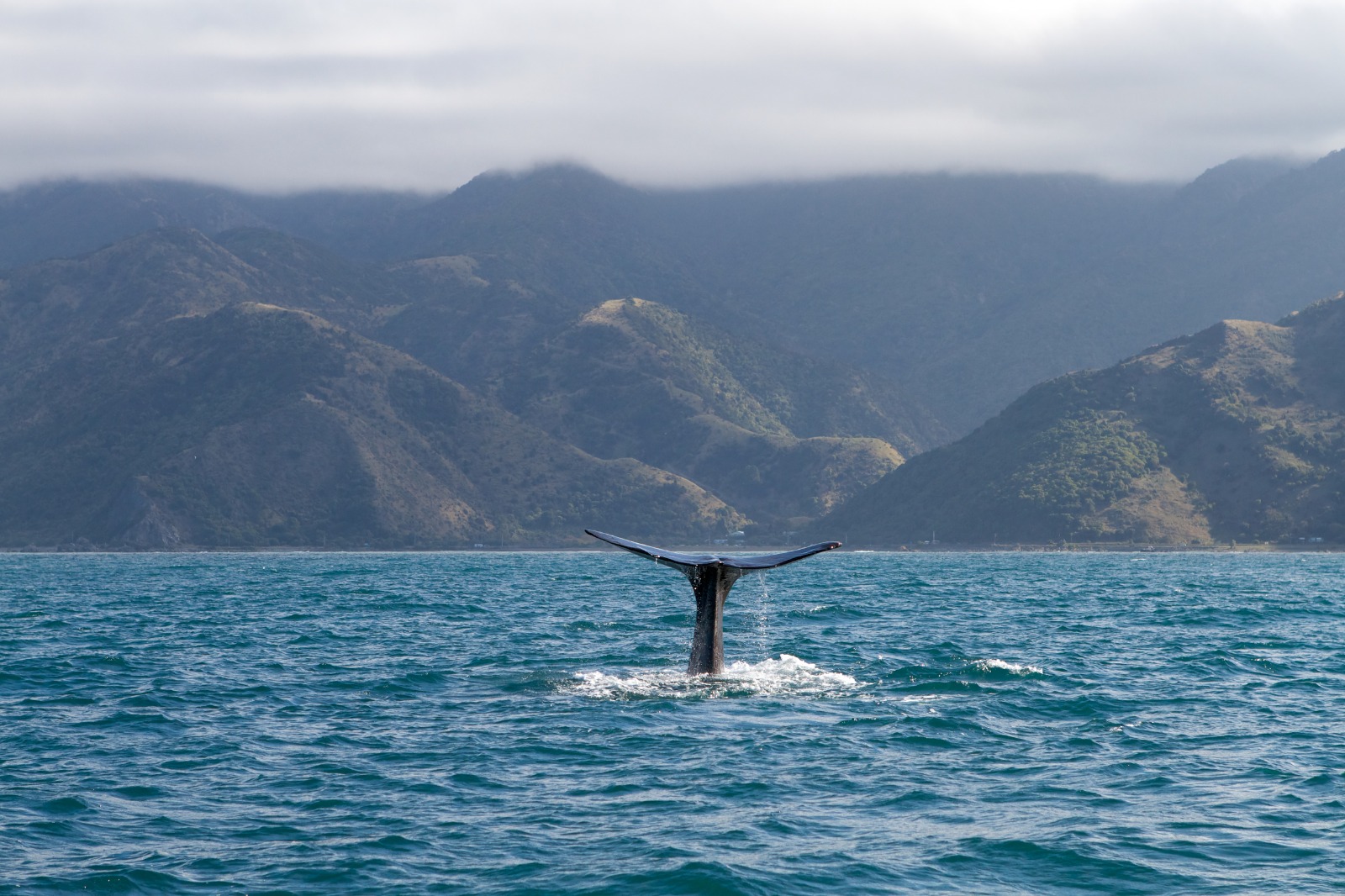
This list could go on, but with most species the trends are similar – some populations are recovering or are considered almost fully recovered, whereas other populations are still at risk. And, whales still face threats. Whaling still continues for commercial, scientific and cultural-tradition purposes by some countries. Other threats include vessel strikes, entanglement in nets, being trapped as bycatch, pollution, and plastics (can get swallowed). Climate change can alter the food web whales depend on. So, things have been moving in the right direction overall, but not everywhere and with new threats, we can’t let up or let our guard down.
But, this means that while the job’s not done – and may never be – we are saving the whales. More importantly, it means that as ocean advocates, we can and do make a positive difference in the ocean’s future. It shows us that redirecting the seas’ future requires continued commitment, sustained effort and adjusting our actions as the situation changes. It teaches what we do is absolutely worth our time, energy and resolve. Thank you for being part of it.
Seek adventure. Save the ocean.
Dr. Drew Richardson
PADI President & CEO
PS – See your PADI Resort or Dive Center about upcoming PADI AWARE events and initiatives. Also, go here to add your voice to the Voice for the Ocean with PADI AWARE.