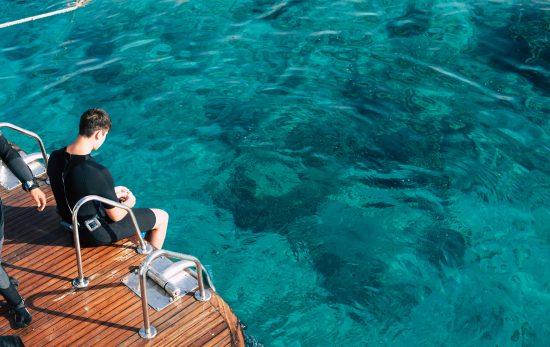
A few years ago, while part of a permitted research project in the Florida Keys, two citizen science divers were installing buoys in about 12 meters/40 feet of water. As one worked, hands in the water over the gunwale, a sudden, sharp pop announced the departure of his dive watch.
“Oh man! My father gave me that watch,” he said.
“Guess we’ll be diving sooner than planned,” said the other diver.
To make a long story short, the pair returned with their dive kit a few hours later, splashed and recovered it after only about 15 minutes. That a buoy marked the spot helped, but they didn’t find it just by swimming around and stumbling upon it. They were trained for it.
As a diver, it’s almost inevitable that you will find yourself in a similar situation. You or a fellow diver will drop or knock something overboard or kick it off a dock. Or, it comes loose while diving and turns up missing when you exit. A carelessly handled wallet, car keys, wedding ring or glasses may splash. Boaters, anglers, divers and others near water likely see hundreds of incidents like this every day globally. When it happens, if you apply what you learn in the PADI Search and Recovery Diver course – choosing and using appropriate search patterns and, for somewhat larger items, using lifting devices, you can relocate and bring up what was lost.
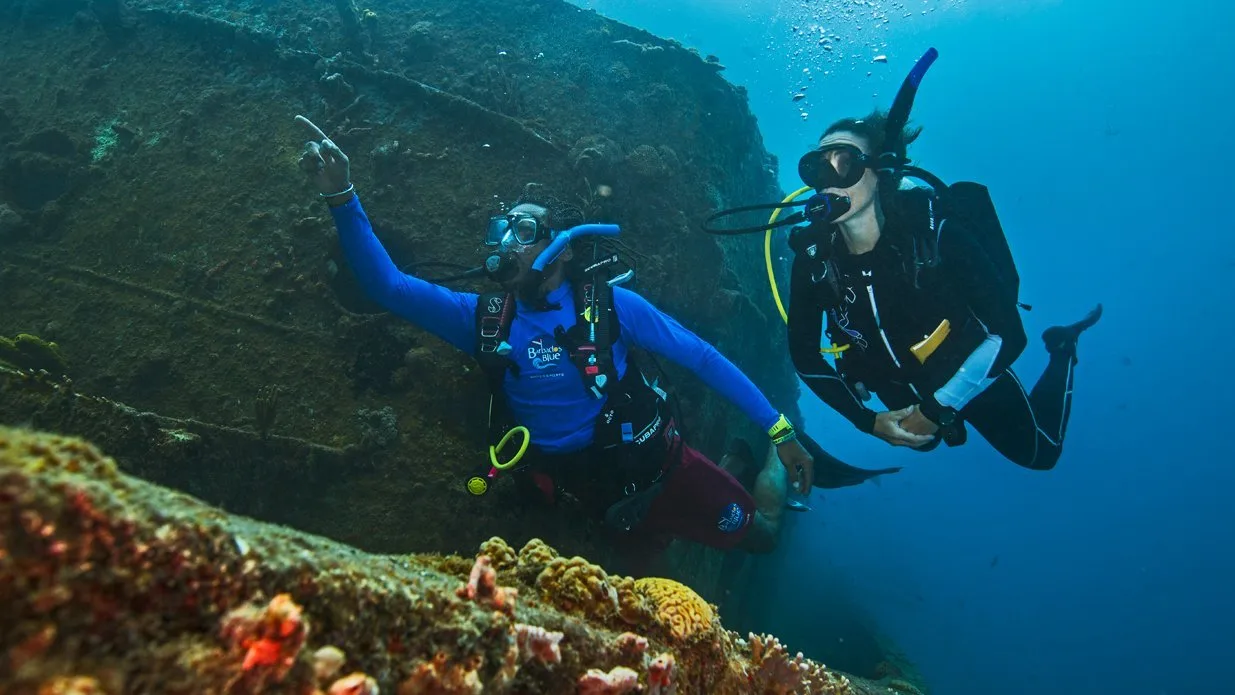
If you’ve never tried it, successfully relocating something underwater requires luck (which is usually absent) or training in search pattern use. Without a pattern, even in clear water, finding something fairly large can be surprisingly difficult – and nearly impossible with small objects in low viz. So, you absolutely want to know search patterns.
And, beyond finding something lost, search patterns have other uses. For one, they’re important in emergencies, which is why you learn ones appropriate to finding a missing diver in the PADI Rescue Diver course. Search and recovery skills also help us as Ocean Torchbearers. While you don’t have to use search patterns when participating in a PADI AWARE Dive Against Debris® (because we can collect debris and debris data on any dive), if the goal is to clean up a site, patterns reduce debris that gets overlooked. You can also use your lifting skills for larger debris items (within limits you learn in the courses).
Search patterns integrate with your underwater navigation skills as well. For example, when navigating to a small destination (like a small rock reef), if you don’t find it at first, you’re likely close and a brief search pattern gets you there.
For those with a professional need or interest, you can build on recreational search and recovery skills in the PADI Public Safety Diver courses. The PADI Public Safety Diver courses involve more specialized skills related to accident or crime-related searches and/or hazardous environments – types of diving not appropriate for recreational search and recovery divers.
If you’ve yet to take the PADI Search and Recovery Diver course, ask your local PADI Dive Center or Resort when their next one is scheduled. It’s almost inevitable that what you learn will come in handy.
Seek adventure. Save the ocean.
Dr. Drew Richardson
PADI President & CEO