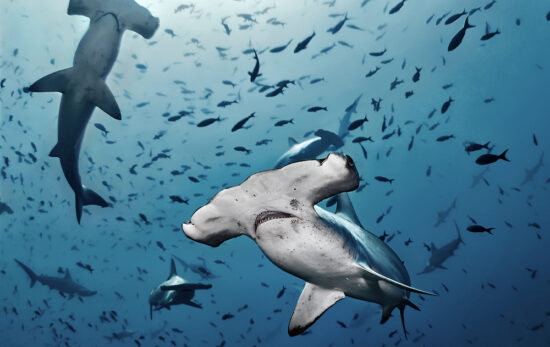
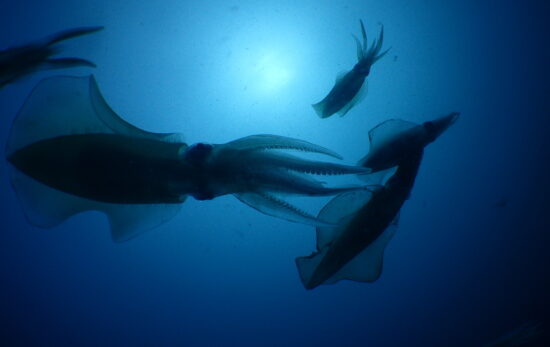
Surrounded by ocean, Japan is home to countless unique dive sites — including some that are just a quick trip from Tokyo. In this guide, we introduce the dive areas of Miura and Shonan, easily accessible from the city and packed with underwater highlights.
Just an hour from central Tokyo, the Miura and Shonan coasts offer easy day-trip diving with both beach and boat options. The area is popular among divers of all levels — from beginners completing certification courses to seasoned photographers and experienced enthusiasts who return again and again. With dive sites scattered from the Miura Peninsula to the Manazuru Peninsula, this region is a year-round favorite for those looking to make the most of their time in the water.
Hayama
Located just an hour’s drive from central Tokyo, Hayama is one of the Kanto region’s most elegant seaside resorts, home to the Imperial family’s summer retreat. Shibasaki Beach has long been a favorite diving spot, especially popular for beach dives. With a maximum depth of around 15 meters (50 feet), the area is ideal for relaxed underwater exploration.
Once known for its lush seaweed forests and abundance of invertebrates, the underwater landscape has changed in recent years due to environmental shifts. However, Hayama still offers exceptional opportunities for macro photographers. Divers can spot blennies, gobies, nudibranchs and other small marine life nestled among the rocky terrain. Thanks to its location in the inner part of Sagami Bay, influenced by the Kuroshio Current, the site sees a wide variety of seasonal visitors — from nudibranchs in winter and spring to juvenile tropical fish and schooling species in summer and fall.
After your dive, enjoy a stroll through Hayama’s charming cafes and restaurants, visit local attractions like Shiosai Park and Morito Shrine, or take a short trip to Kamakura or Enoshima for more sightseeing.

Popular Dive Site: Gontaro-iwa
This beach dive site has an average depth of 7 to 8 meters (23 to 26 feet) and features diverse underwater terrain with channels, tunnels and overhangs — making it enjoyable for divers of all levels. In winter, the area becomes a hotspot for nudibranch lovers, with over 20 species often spotted in a single dive. It’s also ideal for macro photography, offering close-up encounters with a wide range of small marine life, including various types of blennies.
From summer through autumn, schools of fish gather around the rocky reefs, and pelagic species can sometimes be spotted farther offshore. Despite being a beach entry site, Gontaro-iwa boasts complex underwater topography and dense fish life that rival boat diving locations, making it a favorite among experienced divers and photographers alike.


Image courtesy of Diving Shop Nana
How To Get There
- By Car: About 1 hour and 30 minutes from central Tokyo via the Yokohama-Yokosuka Road and Zushi IC.
- By Train: Take the JR Yokosuka Line to Zushi Station or the Keikyu Line to Zushi-Hayama Station, then transfer to a local bus.
Zushi–Kotsubo
Located at the gateway to the western side of the Miura Peninsula, between Kamakura and Hayama, Zushi–Kotsubo is one of the closest dive areas to central Tokyo. It takes only about 30 minutes from Yokohama by train, and the area has thrived as a Shonan resort destination since the 1970s. Zushi Marina and other marine leisure facilities are well established, making the area especially popular for boat diving.
Among its most well-known sites are “Ootaka-ne,” a dynamic point where a large reef rises sharply from a 30-meter-deep (100-foot-deep) sandy bottom, and “Tsubu-ne,” known for its colorful soft corals and schools of fish that can be seen year-round. The waters are also home to a wide variety of nudibranchs — so much so that many species were documented in the Sagami Bay Opisthobranch Atlas compiled by Emperor Showa.
Popular Dive Site: Ootaka-ne
Located about 4.5 kilometers (2.8 miles) offshore, Ootaka-ne is a dynamic boat diving site characterized by a towering rocky pinnacle that rises 20 meters (66 feet) from a sandy seabed at 30 meters (98 feet). It is the largest underwater structure in Zushi and offers a wide range of marine life. The northern drop-off is especially striking, with soft corals blanketing the walls in vibrant colors. Divers can encounter everything from large fish, such as grouper and red sea bream, to schools of smaller fish and even rare macro creatures. Whether you prefer wide-angle or macro photography, the stunning underwater scenery and biodiversity make this an outstanding dive site.
How To Get There
- By car: About 1 hour and 30 minutes from Tokyo via the Yokohama-Yokosuka Road, exit at Zushi IC.
- By train: From JR Zushi Station or Keikyu Zushi-Hayama Station, take a local bus to the dive site area.

Jogashima Island
Jogashima is a small island located at the southernmost tip of the Miura Peninsula, easily accessible via a bridge from the mainland. Just about 90 minutes by car from Tokyo — and reachable by train as well — it’s a popular destination for both tourists and divers. With Tokyo Bay to the east, Sagami Bay to the west and a warm Kuroshio current branch flowing in from the south, the surrounding waters host a wide variety of marine life. The area is particularly famous for its abundance of nudibranchs, with over 30 species often spotted in a single dive. Schools of pelagic fish, like yellowtail and horse mackerel, are also commonly seen, making this an ideal spot for fish watchers.
Jogashima’s rugged coastline plunges directly into the sea, creating dramatic underwater landscapes. Divers can explore a 100-meter-long (328-foot-long) crevasse with vertical drops of over ten meters, as well as rocky layers resembling a mille-feuille, formed by repeated geological uplift. Known as a base for offshore tuna fishing, the island is also a great spot for souvenirs and sightseeing.


Popular Dive Site: Iwabone
Located on the western side of Jogashima Island facing Sagami Bay, Iwagane is a dynamic dive site influenced by the warm Kuroshio Current — bringing with it rare marine species not typically seen in Tokyo Bay. Its dramatic underwater topography, with rugged rock formations rising from depths of 30 meters (98 feet) to near the surface, makes it a favorite among divers who love bold geological features.
One highlight is the “Mille-Feuille Fault,” a 10-meter (33-foot) tall ridge that begins around 26–27 meters (85–89 feet) deep. Its layered rock formations resemble stacked pastry sheets and are home to a diverse range of marine life. This site is ideal for spotting large pelagic species, like eagle rays, big flounders over 1 meter (3 feet) long and schooling fish. You might also find banded dogfish and Japanese bullhead sharks resting in crevices such as the “shark hole,” while nearby “mejina nests” teem with fish swirling in synchronized schools.

How To Get There
- By Car: About 1 hour and 30 minutes from Tokyo via the Yokohama-Yokosuka Road, exiting at Kinugasa IC, then continuing on the Miura Jukan Road.
- By Train: Take the Keikyu Line to Misakiguchi Station, then transfer to a local bus or use a dive shop’s shuttle service.
Moroiso Coast
Located on the Miura Peninsula in Kanagawa Prefecture, Moroiso Coast is an easily accessible spot from central Tokyo, popular for fishing, tide pooling and ocean activities. Just a short distance from the famous tuna port of Misaki, the area offers exciting dives.
What makes Moroiso appealing to divers is its well-equipped facilities — including showers, changing rooms, lodging options and even a 3.5-meter-deep (11.5-feet-deep) dive training pool. Thanks to its sheltered bay location, conditions remain calm throughout most of the year, making it ideal for divers of all levels, from beginners to seasoned pros. In addition to scuba diving, visitors can enjoy snorkeling, stand-up paddleboarding (SUP), sea kayaking and exploring the tidal flats.

Popular Dive Site: Beach Point
Just a three-minute walk from the dive facility, this calm beach site has a maximum depth of around six meters (20 feet), making it ideal for beginner courses and refresher dives. Divers can observe schools of opaleye and damselfish, along with nudibranchs. Depending on the season, divers may also encounter Japanese bullhead sharks and banded dogfish. It’s the perfect spot for those who want to enjoy a relaxed, easygoing dive.
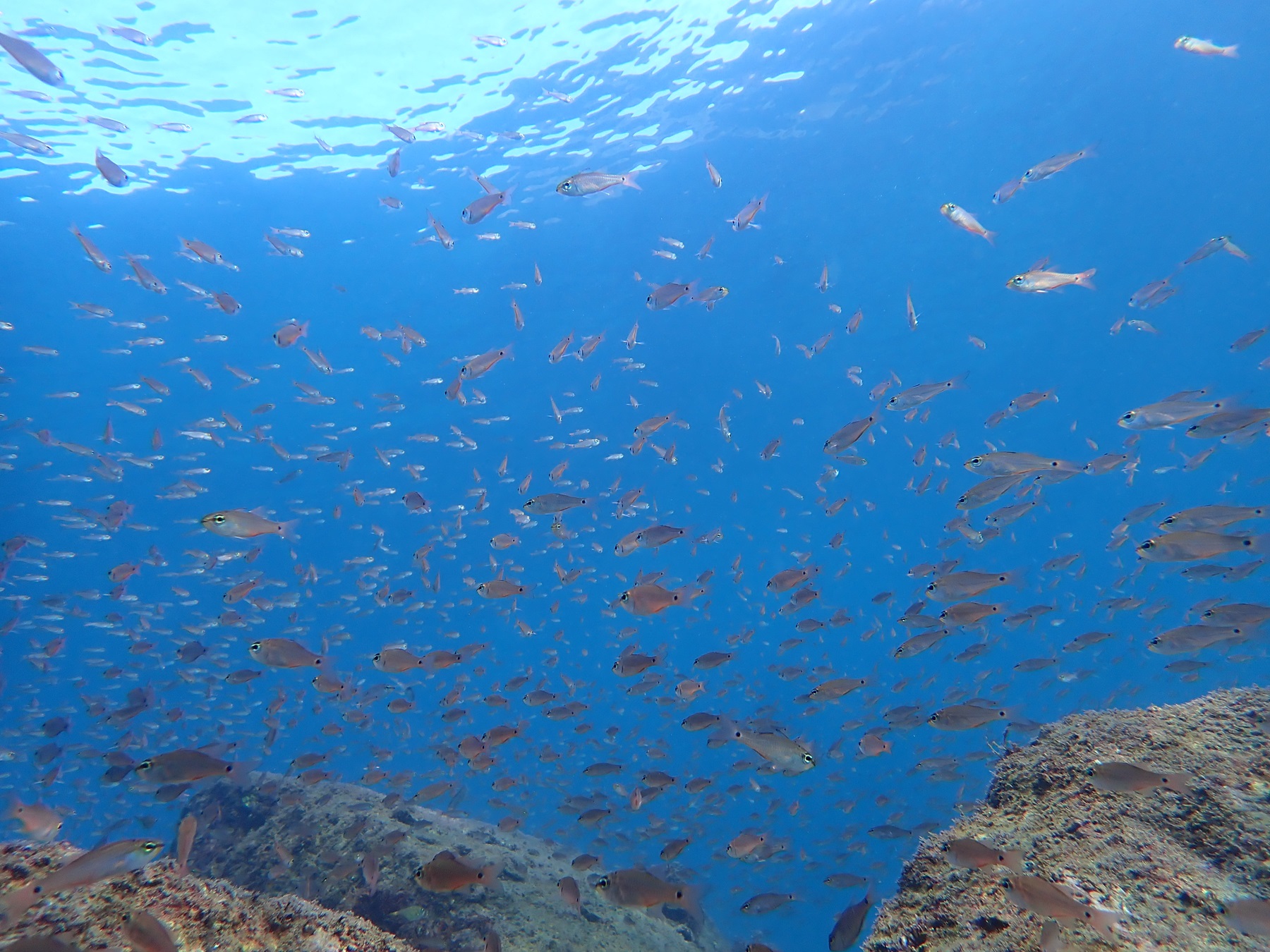


Image courtesy of MIURA UMINO GAKKO
How To Get There
- By Car: Approximately 1 hour and 30 minutes from Tokyo via the Miura Jukan Road and Koembo IC.
- By Train: Take the Keikyu Line to Misakiguchi Station, then continue by bus or taxi.
Iwa
Located at the base of the Manazuru Peninsula, Iwa is a well-accessible dive area about 90 minutes by car from central Tokyo. It’s a popular spot for scuba diving courses and beginner dives, making it ideal for those just getting started. The site offers two beginner-friendly beach entry points as well as four boat dive sites, including the dynamic “Triangle.” In the summer, large schools of fish draw divers in, while in the winter, a variety of nudibranchs become the main attraction.
The boat sites are known for dramatic underwater topography and dense marine life, making them great for pairing with beach dives in a single day. Facilities include changing rooms, showers, an outdoor bath and gear rinse stations. Another reason for its popularity is the abundance of nearby eateries. Each spring, the “Iwa Divers’ Thanksgiving Day” event brings together a large community of divers for a festive celebration.

.jpg)
.jpg)
Popular Dive Site: Bakené
Just a five-minute boat ride from the harbor, Bakené is a striking underwater pinnacle that rises from the seafloor at a depth of around 22 meters (72 feet). The site is beautifully adorned with soft corals and teeming with vibrant schools of anthias and damselfish, making it one of the most popular spots in the area alongside the “Triangle.”
Divers can enjoy a dramatic drop-off landscape, with frequent sightings of pelagic species and tropical fish, offering excellent opportunities for fish watching and underwater photography. Because of occasional strong currents, good buoyancy control is essential for a safe and enjoyable dive.
.jpg)

Image courtesy of Diving Shop Umiya
How To Get There
- By car: Approximately 1 hour and 30 minutes from Tokyo via the Tomei Expressway (exit at Atsugi IC) and Odawara-Atsugi Road.
- By train: From JR Tokaido Line Manazuru Station, it’s either a short walk or a pick-up service is available.
Miyagawa Bay
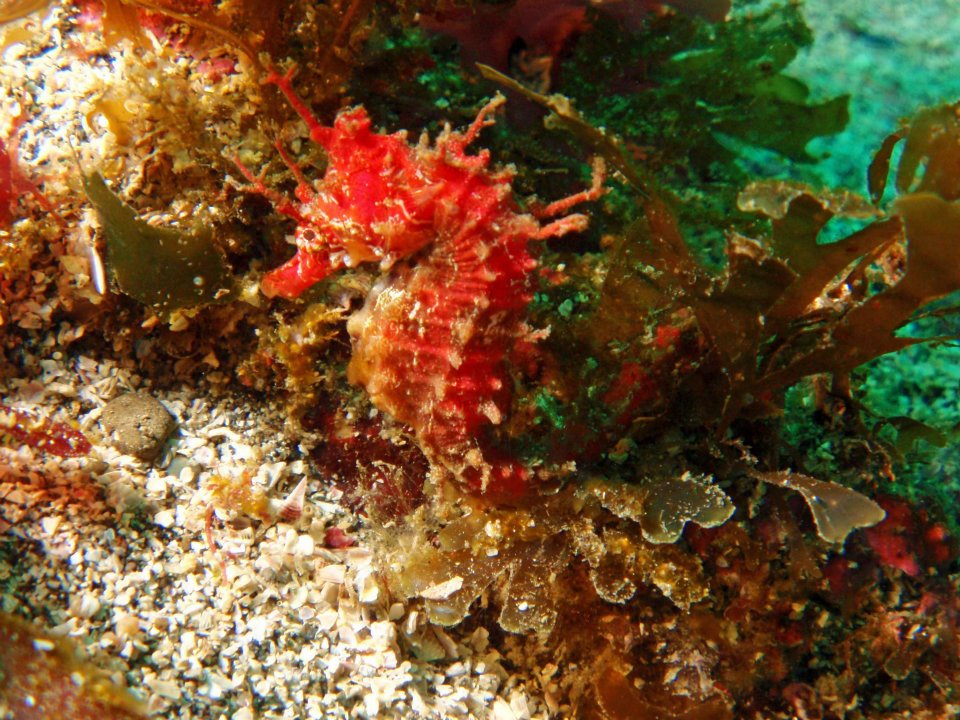
Located at the southern tip of the Miura Peninsula, Miyagawa Bay is a convenient weekend diving destination just 90 minutes by car or train from central Tokyo. Close to Jogashima Island and Misaki Port, the area is also known as a hidden gem for fishing. Positioned at the confluence of Sagami Bay and Tokyo Bay, and influenced by a branch of the Kuroshio Current, this site is rich in marine biodiversity. Its dramatic underwater terrain is home to frogfish, seahorses, combtooth blennies and gobies throughout the year. Seasonal highlights include baby lumpsuckers in spring, bigfin reef squid in early summer, dense schools of cardinalfish in summer, tropical strays in autumn and sea slugs in winter. The site offers one beginner-friendly beach entry and four boat diving spots — all with relatively shallow depths (max 18m/59 ft), making them ideal for novice divers.
Popular Dive Site: Tobine
Just a five-minute boat ride from the port, Tobine is a popular site with a maximum depth of 18m (59 ft), making it beginner-friendly. Divers can explore a maze of rocky ridges and soft coral-covered structures, with great visibility on clear days, offering stunning wide-angle views. The site is home to various blennies, an impressive variety of nudibranchs and, during summer, dense schools of cardinalfish as well as seasonal guests, like juvenile yellow boxfish and ornate ghost pipefish.
How To Get There
- By car: About 1 hour and 30 minutes from Tokyo via the Yokohama-Yokosuka Road (Kinugasa IC).
- By train: From Keikyu Misakiguchi Station, take a taxi or use a pick-up service.

Hayakawa
Situated in southwestern Kanagawa Prefecture, Hayakawa is a highly accessible dive site — just about an hour by car or a quick 40-minute ride via the Shinkansen from Tokyo. Located deep within Sagami Bay, the area is generally protected from strong currents, making it ideal for beginners. Its calm, sandy seabed is perfect for training dives and offers excellent macro encounters, including nudibranchs, seahorses, frogfish and Dhiho’s seahorse. In summer, schools of greater amberjack may also appear. One of Hayakawa’s most unique attractions is its nightly dive sessions, where you can spot unusual creatures, such as scale worms that resemble something out of a sci-fi movie.
Popular Dive Site: Hayakawa Beach
Just past the bay-like entry lies a gently sloping sandy bottom — an ideal setting for beginners. Around nine meters (30 feet) deep, a large reef attracts marine life, like flounders, tonguefish and spanner crab. From winter through spring, lucky divers may encounter the Japanese lumpsucker. Offshore sightings include eagle rays, round rays and seasonal schooling fish. Night dives are available daily, offering close-up views of nocturnal species, such as Japanese bullhead sharks and bioluminescent critters.
How To Get There
- By car: Around 1 hour and 30 minutes from Tokyo via the Odawara-Atsugi Road (Odawara-Nishi IC).
- By train: About a 10-minute walk from Hayakawa Station on the JR Tokaido Line.


Ishibashi
Just about an hour by car from central Tokyo — and also easily reached by train — Ishibashi is a convenient diving destination where you can complete three to four dives in a single day. During autumn, the area becomes lively with seasonal pelagic and tropical species, while winter through spring brings sightings of adorable lumpsuckers and a wide variety of nudibranchs. Frogfish can be spotted year-round, and in summer, look out for spawning bigfin reef squid. A unique feature here is the submerged stonework believed to have been quarried during the early Edo period for use in the construction of Edo Castle — a treat for divers interested in underwater archaeology.
Popular Dive Site: Ishibashi Beach
A slope covered in boulders extends around 100 meters (330 feet) offshore before giving way to a vast sandy plain. The entry point is well maintained with guide ropes, making it easy and safe for beginners. Self-guided buddy dives are also permitted here under certain conditions. The site is rich in marine life, including Dhiho’s seahorses, frogfish, pincone fish, shrimp and various nudibranchs. In winter, keep an eye out for juvenile lumpsuckers, while late summer may bring schools of longfin bannerfish. Divers can also explore stone blocks on the seabed that date back to the Edo era, offering a rare glimpse into underwater history.
How To Get There
- By car: About 1 hour and 30 minutes from Tokyo via the Seisho Bypass (Ishibashi IC).
- By train: Approximately 20 minutes on foot from Hayakawa Station on the JR Tokaido Line.


Enoura
Known for its consistently calm seas throughout the year, Enoura is a popular site for training dives and ideal for divers of all levels. The beach site, located just in front of the dive facilities, offers easy access to a variety of underwater terrain — from boulder slopes and rocky outcrops to sandy flats. Rich in marine life, the area hosts seahorses, frogfish, clownfish and more. Fun attractions, like a submerged Doraemon statue, add a playful twist to your dives. During limited periods, night dives and boat dives are also available, offering even more variety for returning visitors.
Popular Dive Site: Beach
With a concrete slope for easy access and guide ropes leading from the entry point, this beach site is beginner-friendly yet satisfying for seasoned divers. Following the ropes takes you through diverse underwater habitats, including rubble fields, sandy areas, rocky reefs and artificial structures like caissons. You can spot resident clownfish, threespot dascyllus and various species of frogfish, as well as seasonal visitors, such as bigfin reef squid. This site is a great option for relaxed fish watching and underwater photography.
How To Get There
- By car: About 1 hour and 30 minutes from Tokyo via the Seisho Bypass (Ishibashi IC).
- By train: Take a taxi from JR Tokaido Line’s Nebukawa Station.


Fukuura
Located on the border between Kanagawa and Shizuoka prefectures, Fukuura benefits from calm conditions throughout the year thanks to its sheltered position behind the Manazuru Peninsula. With the dive site right in front of the local dive service, access is smooth and convenient. Underwater, you’ll find a colony of sea anemones designated as a natural monument by the prefecture, along with charming residents, like clownfish and threespot dascyllus. From winter to spring, divers can spot the Japanese lumpfish, while bigfin reef squid come to lay eggs in early summer. With its gently sloping terrain, the site is ideal for beginners and dive training. Night diving is available year-round, making this a hidden favorite among repeat visitors.
Popular Dive Site: Beach
Fukuura’s calm waters and gently sloped beach entry — complete with a ramp — make it perfect for dive courses and try dives. Guide ropes are installed underwater, making it suitable for natural navigation practice and buddy diving. The landscape transitions from rubble to sand and rocky zones, with a designated natural monument sea anemone colony visible on the left side after entry. Night dives are offered throughout the year, providing a full spectrum of marine life encounters for all levels of divers.
How To Get There
- By car: About 1 hour and 30 minutes from Tokyo via the Seisho Bypass (Ishibashi IC).
- By train: Taxi ride from JR Tokaido Line’s Manazuru Station.
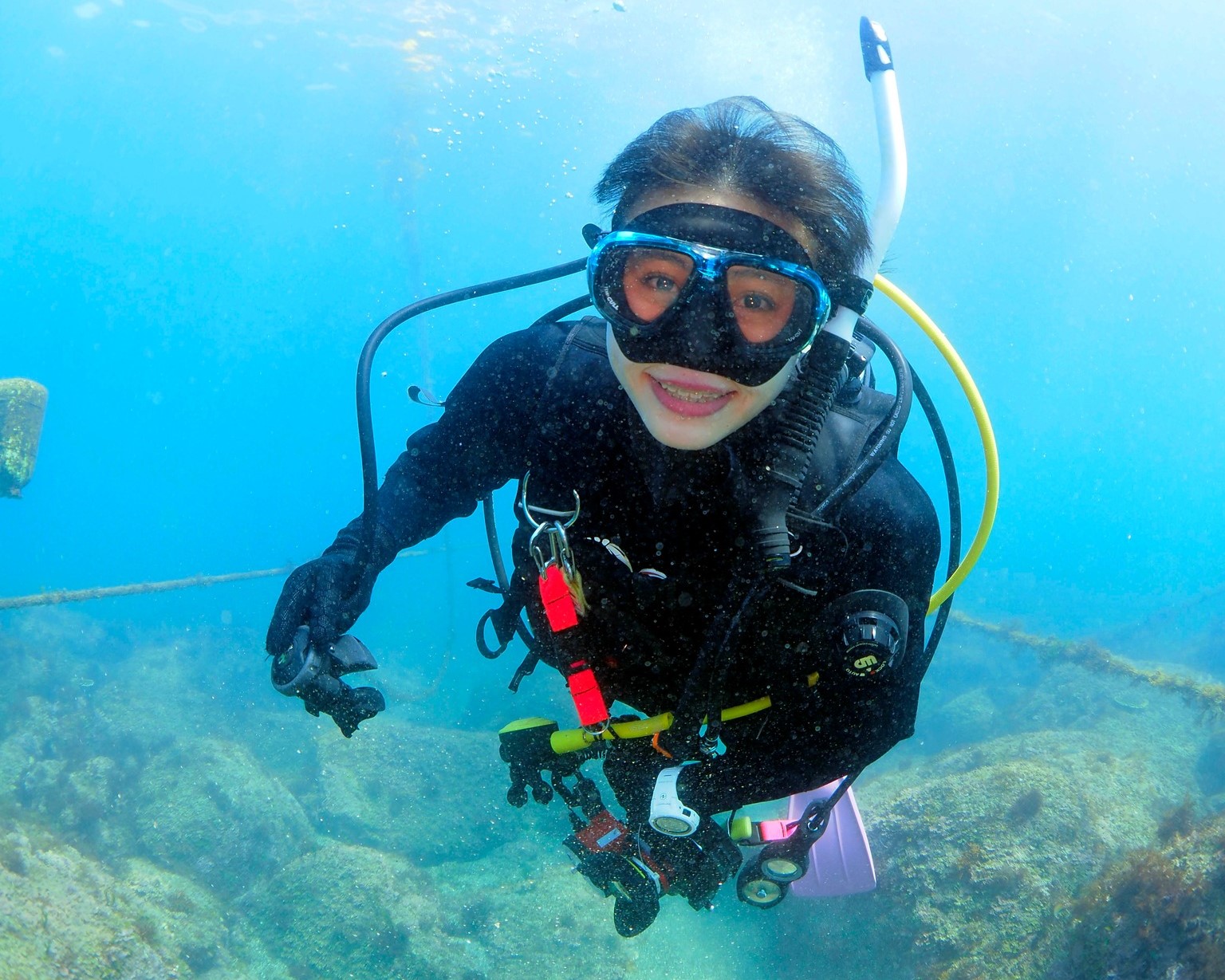
With so many diverse dive sites just a short trip from Tokyo, the Miura and Shonan coasts offer something for every diver — from beginners taking their first plunge to seasoned explorers chasing rare marine encounters. Whether you’re drawn to colorful reefs, dramatic pinnacles or macro treasures, this region delivers unforgettable underwater experiences alongside the charm of Japan’s coastal towns.
If you’re inspired to dive into these waters, reach out to a local dive shop in Japan to plan your adventure and discover the hidden gems waiting just below the surface.