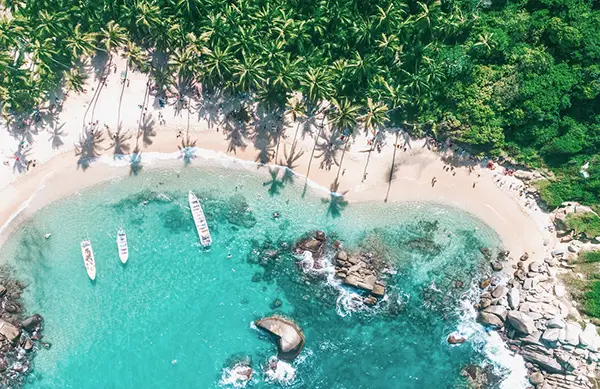
The Izu Peninsula is one of Japan’s most iconic diving destinations, attracting not only divers from Tokyo and central Japan but also from Kansai and beyond. With dive sites scattered along its rugged coastline, Izu offers incredible variety, from schools of pelagic fish and thrilling big encounters to colorful macro life, dramatic underwater landscapes and lush soft coral gardens.
The southern area of the peninsula, influenced by the warm Kuroshio Current, is especially known for its dynamic diving. Strong currents bring in nutrient-rich waters, supporting an abundance of marine life. One of the biggest highlights is the chance to see schools of hammerhead sharks, a bucket-list experience that draws divers from around the world.
Whether you’re chasing large ocean wanderers, searching for delicate nudibranchs, or simply enjoying the thrill of diving in clear, fast-moving waters, South Izu delivers excitement at every depth.
Mikomoto Island
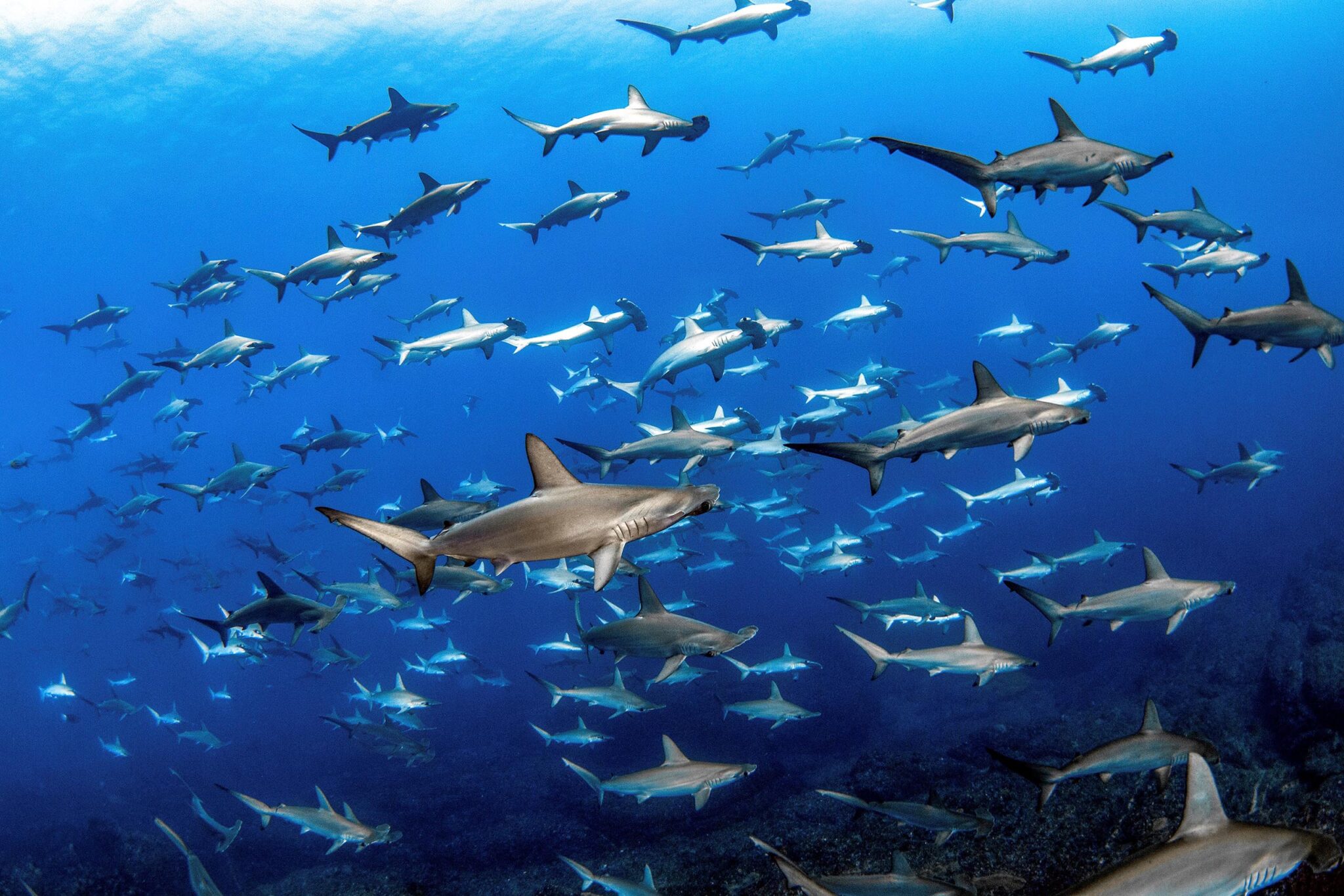
Located about 9 km (5.6 miles) offshore from Yumigahama in southern Izu, Mikomoto Island is one of the most dynamic dive sites in the entire peninsula. Fed by the warm Kuroshio Current, these waters are incredibly rich in marine life. From June to October, the highlight is the chance to encounter schools of hammerhead sharks, sometimes numbering over a hundred, forming the spectacular “Hammer River” as they glide past in unison.
All dives here are boat dives, conducted in drift style due to the strong currents. This makes Mikomoto a challenging site, best suited for experienced divers, but the rewards are unmatched: massive schools of pelagic fish such as amberjack and yellowtail, eagle rays, turtles and even rare encounters with sunfish, dolphins, whale sharks or whales. It’s no exaggeration to call this one of Japan’s bucket-list dive destinations.
Popular Dive Site: Kame-ne
Located on the southeast side of Mikomoto, Kame-ne is renowned for its strong currents and incredible big-fish action. Huge schools of yellowstriped butterfish, yellowtail and amberjack cruise through, while hammerheads often appear in dramatic numbers. The rocky terrain also harbors grouper, reef fish and dense schools of damselfish, yellowstriped knifefis and grunt, making every dive a thrilling experience.
Getting There
By car: About two hours 40 minutes from Tokyo via the Tomei Expressway → Atsugi IC → Odawara-Atsugi Road → Route 135 southbound to Shimoda. From Izukyu-Shimoda Station, it’s 15 to 20 minutes to local dive services.
By train: About two-and-a-half hours from Tokyo on the Limited Express Odoriko to Izukyu-Shimoda Station. From there, divers can use shop shuttles or taxis to reach the port.
Nakagi
At the southernmost tip of the Izu Peninsula, Nakagi offers a diving experience that feels more like a tropical island getaway. Influenced by the Kuroshio Current, the waters here boast excellent visibility and an abundance of marine life. Encounters with large pelagic species, such as sea turtles and even hammerhead sharks, are possible.
Nakagi is also famous for Hirizo Beach, one of Japan’s most renowned snorkeling spots, often called “the last hidden paradise of Izu.” During its summer season in August, the beach is so popular that visitor numbers are restricted. For divers, the dramatic underwater terrain of Tojima is a highlight, with sites suitable for beginners through advanced levels.
Popular Dive Site: Hayama
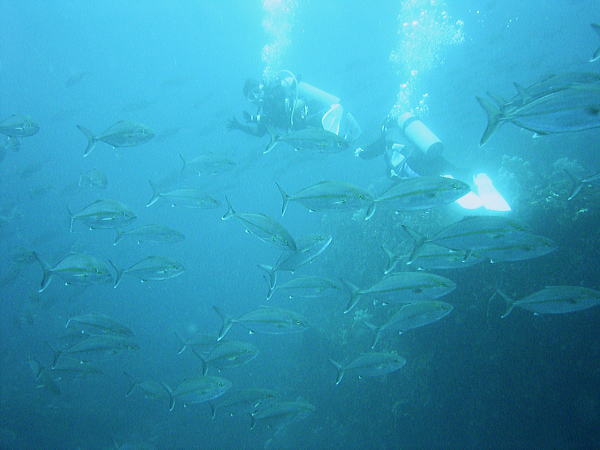
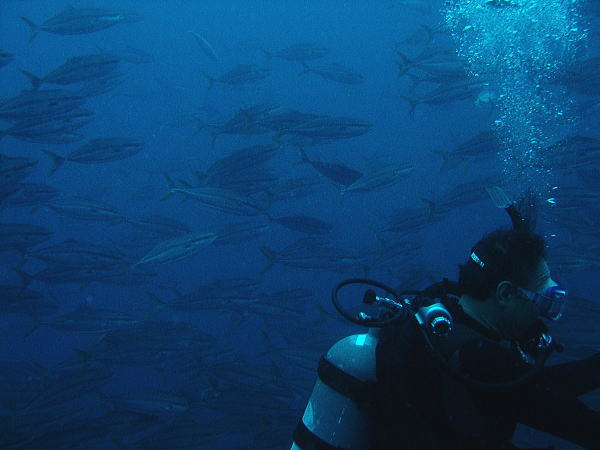
This shallow, calm boat diving site is perfect for divers of all levels. Its signature feature is a thriving colony of branching staghorn coral (Acropora muricata), creating a tropical seascape teeming with butterflyfish, damselfish and other reef dwellers. In autumn, schools of black skipjack, bannerfish and juvenile yellow boxfish make appearances, while amberjack and other pelagics sometimes sweep through. With little current and relaxing conditions, Hayama is an ideal spot for those who want to enjoy a leisurely dive.

Images courtesy of Nakagi Marine Center
Getting There
By car: About two hours 50 minutes from Tokyo via Tomei Expressway → Atsugi IC → Odawara-Atsugi Road → Route 135 southbound to Nakagi, Minami-Izu.
By train: About two-and-a-half hours from Tokyo on the Limited Express Odoriko to Izukyu-Shimoda Station. From there, take a bus to Nakagi (approx. 50 minutes).
Mera
Located at the southern tip of the Izu Peninsula facing Suruga Bay, Mera is known for having some of the richest fish life in Izu. Influenced by a branch of the Kuroshio Current, the area is blessed with abundant plankton, attracting both resident species and migratory fish. From summer to autumn, divers can enjoy encounters with schools of medium-sized pelagic fish displaying thrilling hunting scenes and colorful tropical species arriving from the south. The underwater landscape is also dramatic, featuring arches, caves and unique rock formations. In addition, fixed-net diving experiences are sometimes offered, making this an area where both beginners and advanced divers can find satisfaction.

Popular Dive Site: Hirashima
Hirashima offers dynamic drift diving, recommended for intermediate to advanced divers. At depths of 20 to 35m (65 to 115 ft.), you’ll find massive rock pinnacles and walls covered in soft corals, as well as caves and sandy channels. Fish life is extremely dense, with sea bream, sharks, schools of yellowtail and countless anthias and grunts. Encounters with angel sharks and thornback rays are also possible. This all-round site caters to both macro and wide-angle enthusiasts, with summer to autumn being the best season.

Just before Hirashima, the site called Guishi features sandy and rocky areas with a maximum depth of about 12m (40 ft.), making it perfect for Discover Scuba Diving or Open Water Diver training. This is an excellent choice for beginners as well.
Getting There
By car: About three hours from Tokyo. Take the Tomei Expressway to Numazu IC → Izu-Jukan Expressway → Izu Chuo Road → Shuzenji Road → cross Amagi Pass → continue south via Route 135 to Mera Fishing Port in Minami Izu.
By train: About two-and-a-half hours on the Limited Express Odoriko from Tokyo to Izukyu-Shimoda Station. From there, take a bus or taxi about 40 minutes to Mera.

From the hammerhead-rich waters of Mikomoto to the fish-filled drifts of Mera, the Izu Peninsula offers some of Japan’s most unforgettable diving. Whether you’re an experienced adventurer chasing pelagics or a new diver eager to explore the underwater world close to Tokyo, there’s a dive site here waiting for you.
Ready to dive in? Connect with a local dive shop to book your adventure and experience the thrill of these world-class sites for yourself.