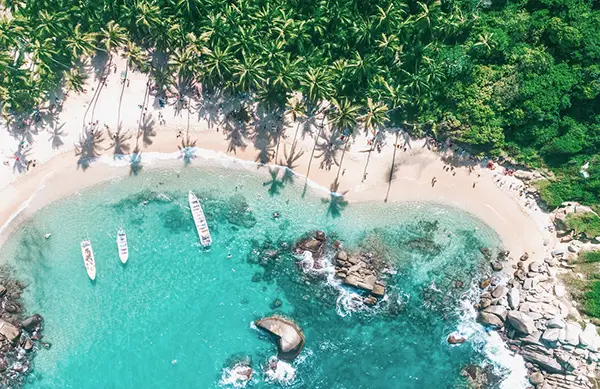
Turkey offers many great diving and holiday opportunities, with its breathtaking nature, clear waters and variety of diving environments – not to mention the famous Turkish hospitality! The country is one of the top summer holiday destinations in the world for good reason: our coastline is more than 8,000 km (5,000 miles) long, with more than 397 Blue Flag beaches. We are surrounded by four seas, all of which are suitable for diving: the Mediterranean to the south, the Aegean to the west, the Sea of Marmara between the European and Asian land masses, and the Black Sea to the north.
The most popular diving destinations in Turkey are mainly in the Mediterranean and Aegean regions because of their warm climate year-round and stable water conditions.
Here are the best places to scuba dive in Turkey.
Alanya
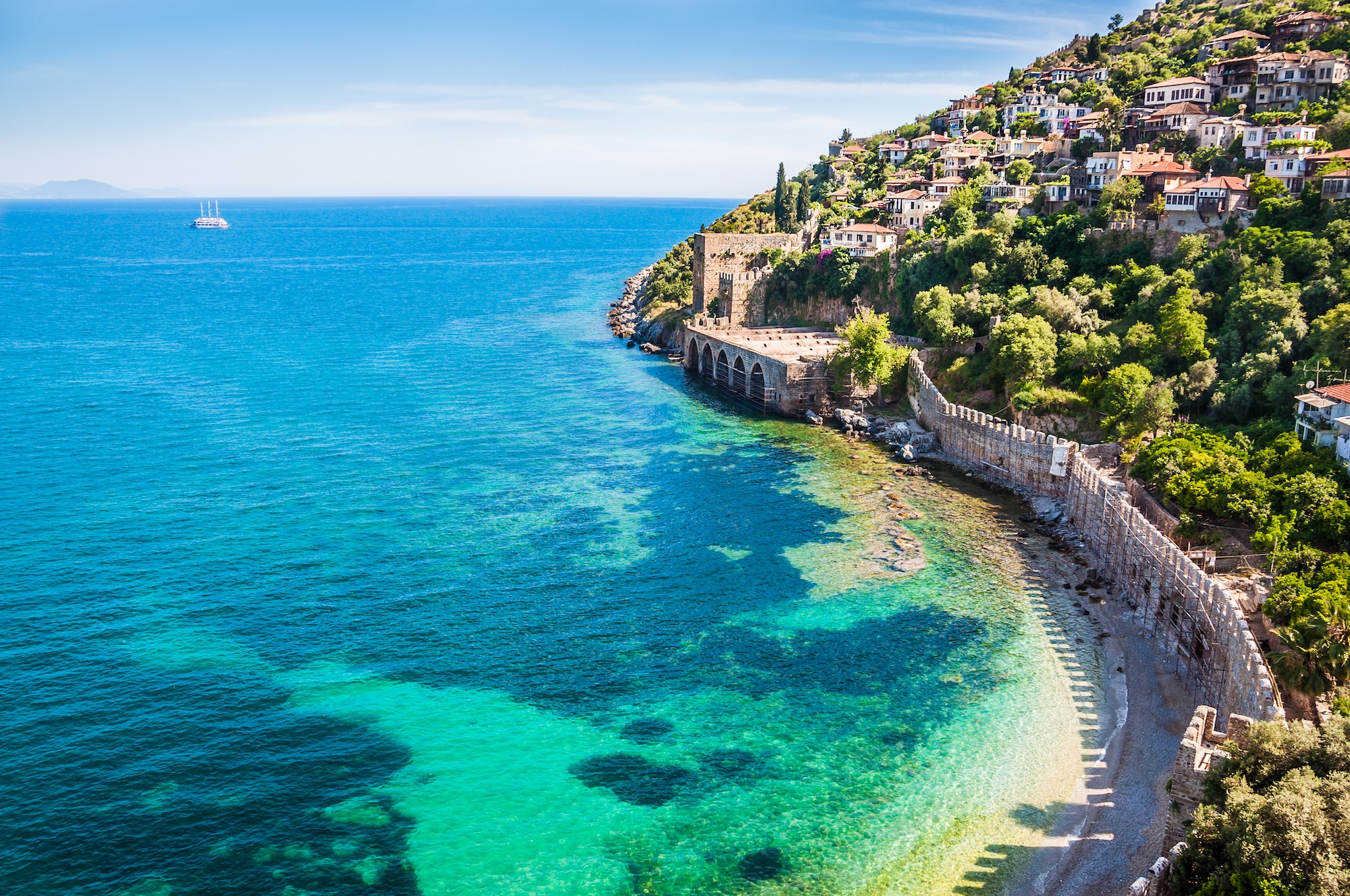
Alanya is a lovely town in the province of Antalya that hosts millions of tourists every year. Besides its luxurious hotels and famous nightclubs, there are exciting underwater caves and caverns for experienced and technical divers, as well as warm and relaxing dive sites for student divers and Discover Scuba® Diving participants. Some caves are inhabited by Mediterranean monk seals, one of the world’s most endangered marine animals. Dive centers and local authorities are cooperating to conserve their habitats and limit human exposure. However, some lucky divers may observe them outside their caves and even see these curious animals playing underwater.
Çanakkale
Çanakkale (also known as the Dardanelles) is the city where the Dardanelles and Gallipoli (Gelibolu) battles took place during WWI. It is located in the north of the Aegean Sea. The sites where the battles were fought are now a national historical park, with an extensive range of sunken ships, guns and other war-related artifacts, together with Turkish, Australian, New Zealand, English and French war graves and memorials. Most of the sunken ships are not suitable for diving due to naval traffic, currents in the strait and ammunition on the ships, but the wrecks that you can dive are more than enough to experience the century-old history of the war in the area. Make sure you visit the museums and memorials for a complete Çanakkale experience.
Bodrum
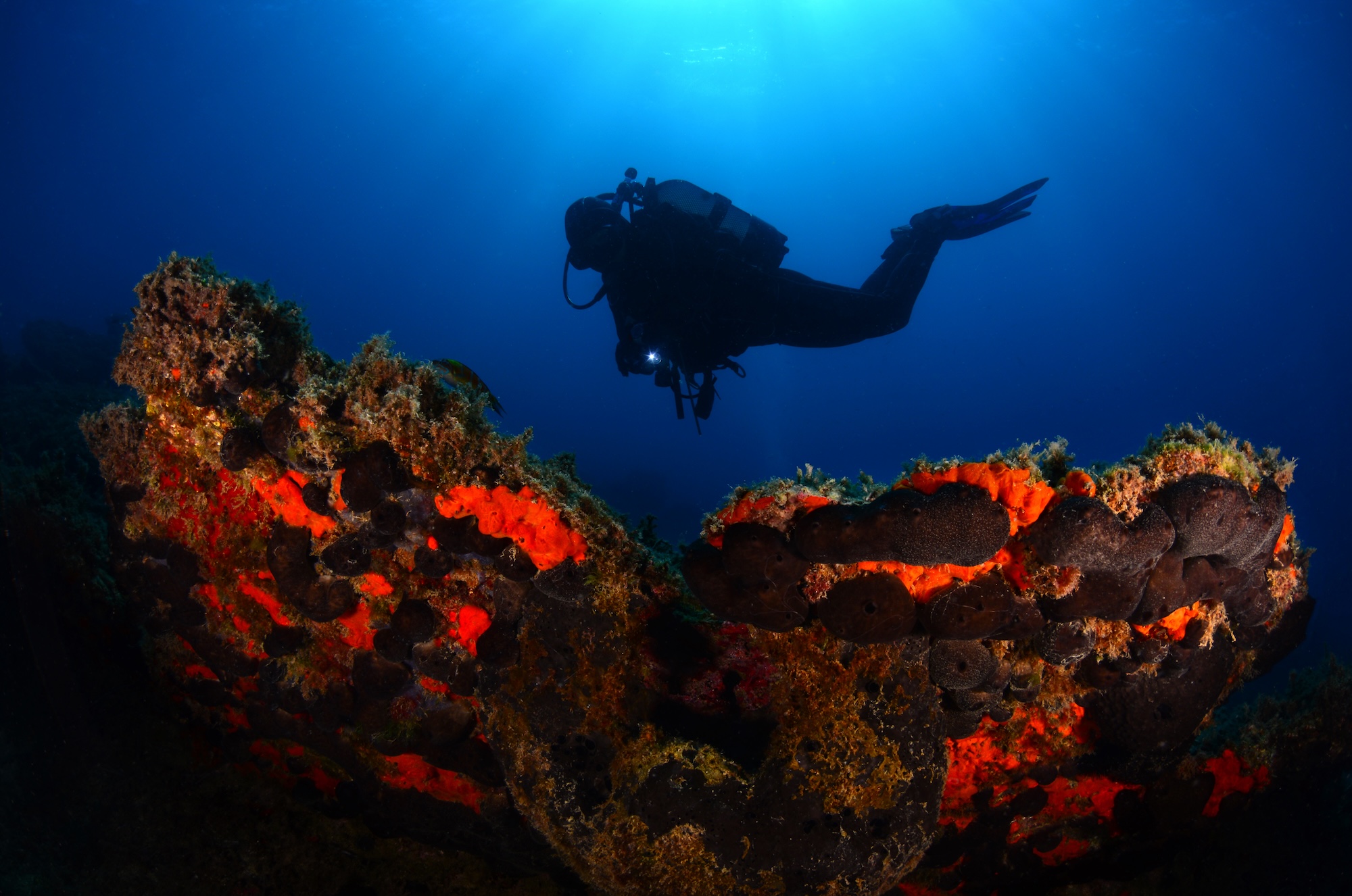
Bodrum is home to legendary sponge hunters and is the location of the world’s first organized scientific studies in the field of underwater archaeology. So, it is not a big surprise that it is one of the most popular diving destinations in Turkey. The season for dive operators starts around April and ends around November. With its colorful reefs, it’s great for underwater photography. There are also shipwrecks and a plane wreck that host groupers and other underwater creatures. The underwater archaeology museum in the ancient Bodrum Castle is a must-see for divers.
Fethiye
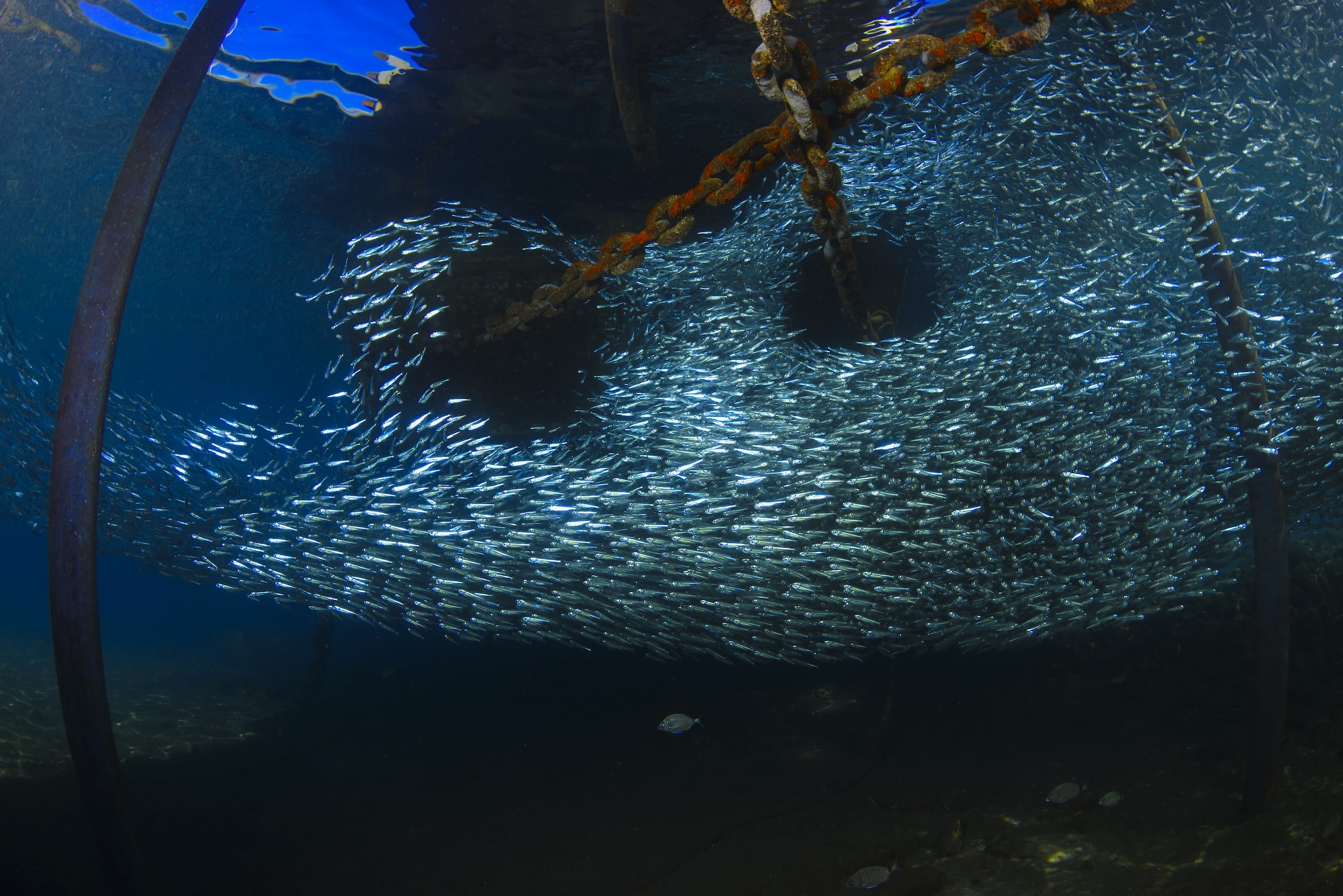
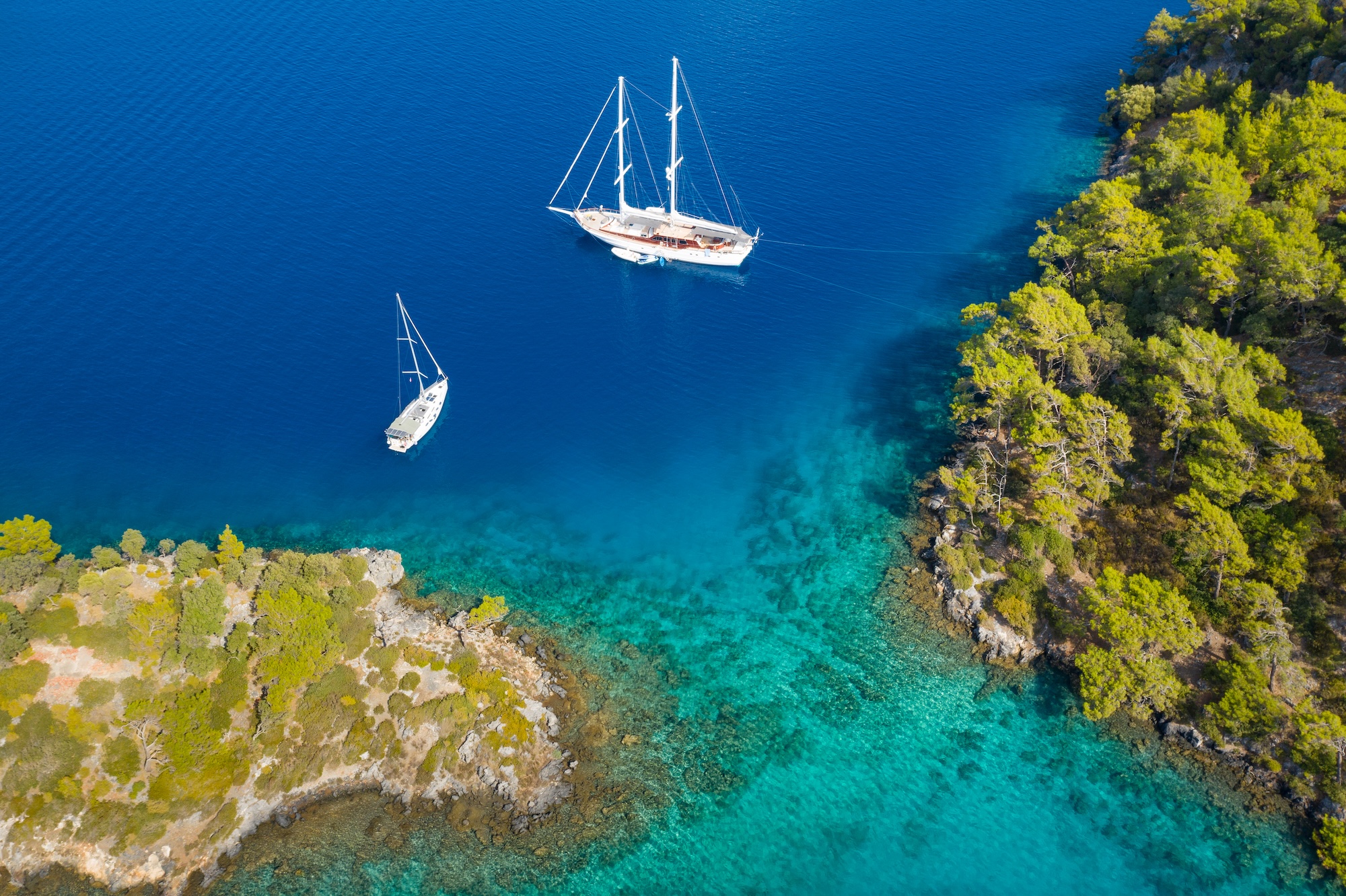
If you want to enjoy other activities as well as diving during your holiday, Fethiye (in the province of Muğla) is a great option. There are many colorful and exciting dive sites and caverns for divers of all levels, but Fethiye offers much more than just diving. You can try paragliding and Jeep safari trips to see the town from another perspective. You could also take your backpack and visit Kelebekler Vadisi or Kabak Bay for a bohemian experience. Or, you can rent a sailing boat (or bring your own boat!) and sail to Göcek or Ölüdeniz to swim in the turquoise-blue bays.
Kekova
Kekova is an ancient city with great diving opportunities. The famous 2,500-year-old Lycian sunken city is a great attraction for visitors (however, it’s important to note that diving and swimming are not allowed in the protected areas), but you can see the remains from a boat or sea kayak. The dive sites are full of history as well. You may come across ancient pottery (amphoras) underwater, which was used to store and transport wine, olive oil, olives and various grains. You can also see ancient boat anchors, some of which are as old as 4,000 years! The town itself is lovely, full of authentic cafés and pensions. Make sure you visit Kaleköy when you visit Kekova.
Kaş – Kalkan
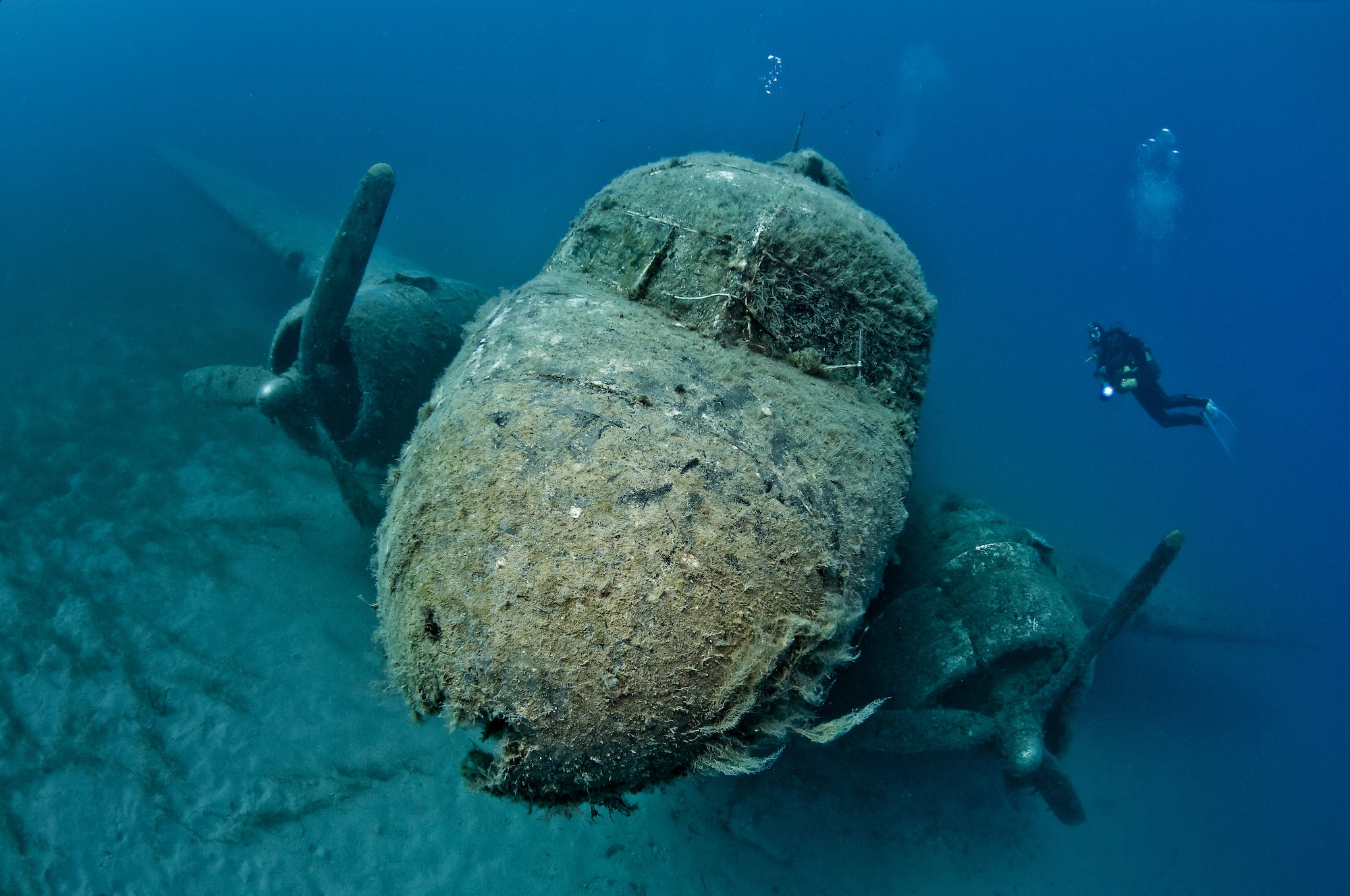
Kaş is a small town that has become the main hub for scuba diving in Turkey in recent years. The town is in the province of Antalya, and some of the dive centers operate 10 to 12 months a year. Kaş offers many dive sites protected from different wind directions. You can reach the farthest site in just 25 minutes. There are real and artificial wrecks (including a tank wreck and a real WWII plane wreck), canyons and caves in Kaş. This makes the town popular for diving for good reason. You can swim with loggerhead sea turtles (Caretta caretta) and friendly groupers and enjoy a magnificent sunset after a day full of diving. Kalkan is another diving destination, which is 45 minutes from Kaş. If you can, spare a day or two to visit Kalkan’s dive sites, including the giant SS Duchess of York (also known as Sakarya) wreck and Medallion Reef.
Marmaris
Marmaris is a holiday paradise with breathtaking nature, hidden bays and luxurious accommodation options. Located in the province of Muğla, Marmaris attracts sailors from around the world. Selimiye and Datça are two of the many attractions in the area. Here you’ll find underwater caverns and tunnels, as well as reefs with colorful marine life.
Climate and Life in Turkey
You can dive all year round in Turkey, but the high season is July to September. Water temperatures range from around 15-30°C (59-86°F) in the Mediterranean and Aegean seas. Other than its beautiful nature and colorful dive sites, Turkey offers much more, including friendly people, great hospitality, unlimited traditional Turkish tea (your glass will always be full!), delicious meals (you should definitely try a traditional Turkish breakfast) and comfortable accommodation options.
Ready To Dive Into Turkey?
From colorful reefs and fascinating wrecks to caves, caverns and encounters with marine life, Turkey has plenty to discover beneath the surface. Explore Turkey’s top dive destinations and start planning your next underwater adventure with PADI Travel.
Want to learn more? Read all about diving in Turkey in our Dive Guide.
This blog was originally written by Asutay Akbayir.