Everyone knows about the dangers of drinking and driving, but drinking alcohol before scuba diving is just as risky. Even if you don’t drink, the sobering facts in this article can help you persuade another diver to never drink and dive.
Drinking and Diving: A Recipe for Disaster Underwater
Countless studies have shown alcohol depresses the central nervous system, which leads to:
- Reduced reaction time
- Impaired judgment
- Poor coordination
To make matters worse, someone who’s been drinking may not recognize they’re impaired. Alcohol can make people feel confident — even when they aren’t at their best.
According to extensive research reported by Divers Alert Network (DAN):
- Alcohol was involved in roughly 50% of all accidents in people of drinking age.
- Alcohol is associated with 40% of drowning incidents overall.
- And alcohol contributed to 80% of drownings in adult males.
What About One Drink After Lunch or Dinner?
Many people underestimate the effects of alcohol. Even one drink between dives is a bad idea.
In a study of experienced divers reported by DAN, a blood alcohol concentration (BAC) of just 0.04% caused “significant performance declines.” Another study found mental incapacitation starts as low as 0.01% BAC — less than one drink’s worth of alcohol.
Underwater, even a small lapse in judgment can snowball into an emergency. For example, you could:
- Lose track of your depth — and put yourself at risk for DCS.
- Forget to check on your buddy — leaving one of you alone in an emergency.
- Run out of air — and risk a lung over-expansion injury in a rush to the surface.
- Get lost on a night dive — and surface far from the boat or shore.
Increased Risk From Nitrogen Narcosis
Research shows alcohol can amplify the effects of nitrogen narcosis, also known as the rapture of the deep. Symptoms include:
- Difficulty concentrating
- Drowsiness
- Euphoria
- Fear
- Impaired judgment
- Overconfidence
Dehydration and DCS
People on holiday are prone to dehydration due to air travel, excessive sweating, traveler’s diarrhea, alcohol consumption or simply not drinking enough water. Scuba divers are no exception.
If you’re a scuba diver, dehydration can increase your risk for DCS (decompression sickness, also known as the bends), because it reduces the amount of blood available for gas exchange, which can slow down the removal of nitrogen from your body. Dehydration also reduces endurance and athletic ability.
In addition, excessive drinking can lead to a hangover. The symptoms of a hangover, such as fatigue, headache and nausea, are also symptoms of DCS. A diver who has been drinking may assume the discomfort they’re feeling is due to a hangover and delay medical attention.
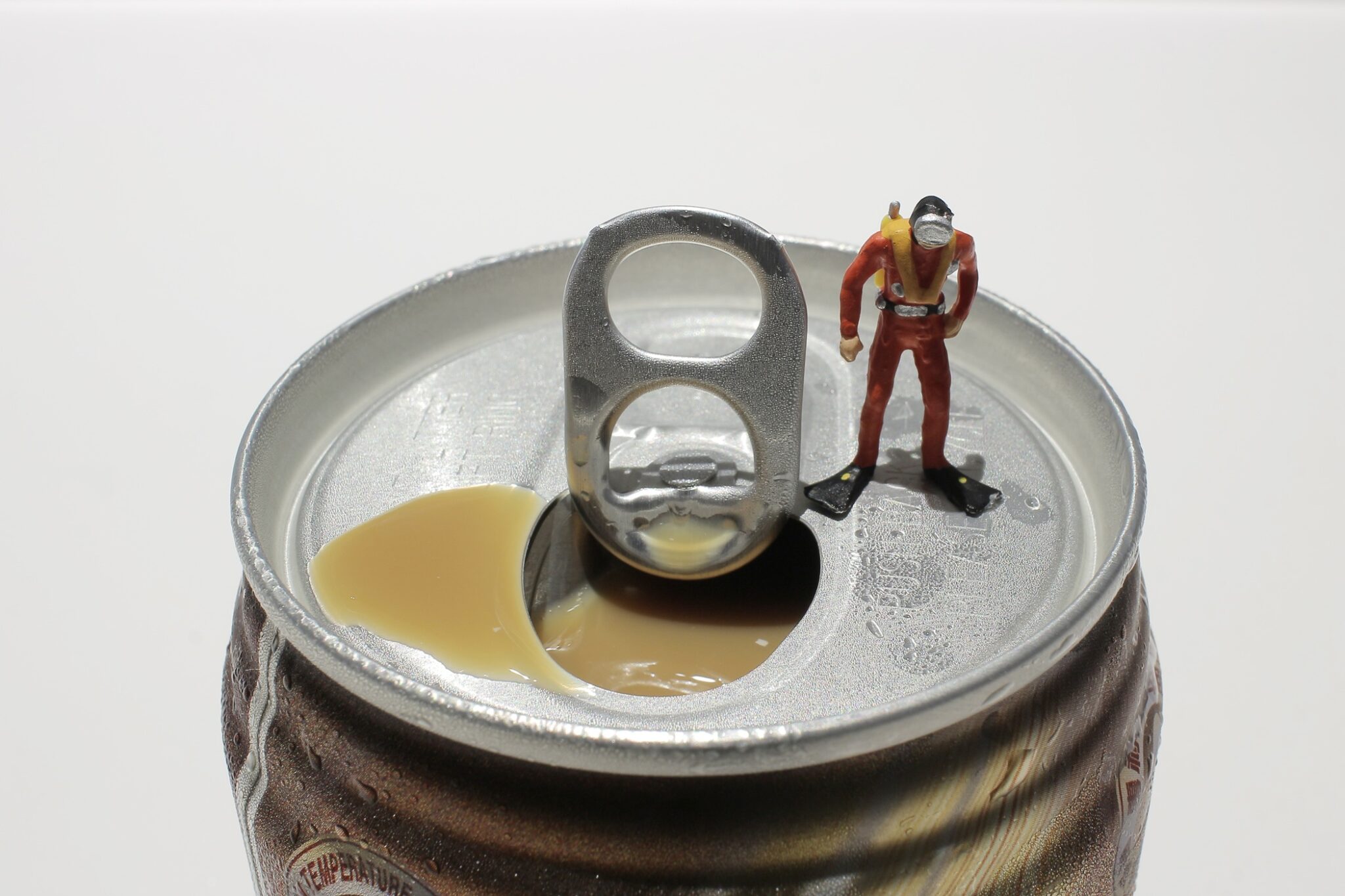
Scuba Diving and Alcohol: Never Worth the Risk
Drinking even a small amount of alcohol before a dive can lead to poor choices, intense nitrogen narcosis and increased risk of DCS. Any of these things on their own can create an emergency. With alcohol in the mix, they’re a triple threat.
We hope you never have to confront someone about drinking and diving, but if you do, this real-life story of why diving and drinking do not mix could be very persuasive. The story comes from DAN, a non-profit organization dedicated to the safety and well-being of divers around the world.