Master your buoyancy and scuba diving can feel like a completely different activity. Instead of constantly thinking about your position in the water, good buoyancy control allows it to become second nature. It can also help you stay underwater longer, conserve air and, most importantly, reduce the risk of accidentally damaging the fragile marine environment.
Still finding yourself going up and down more than you’d like, or resorting to the occasional doggy paddle to correct your position? From mastering your breathing to fine-tuning your trim, these handy tips will help you perfect your buoyancy and feel more comfortable in the water.
Here are 11 ways to perfect your in-water position.
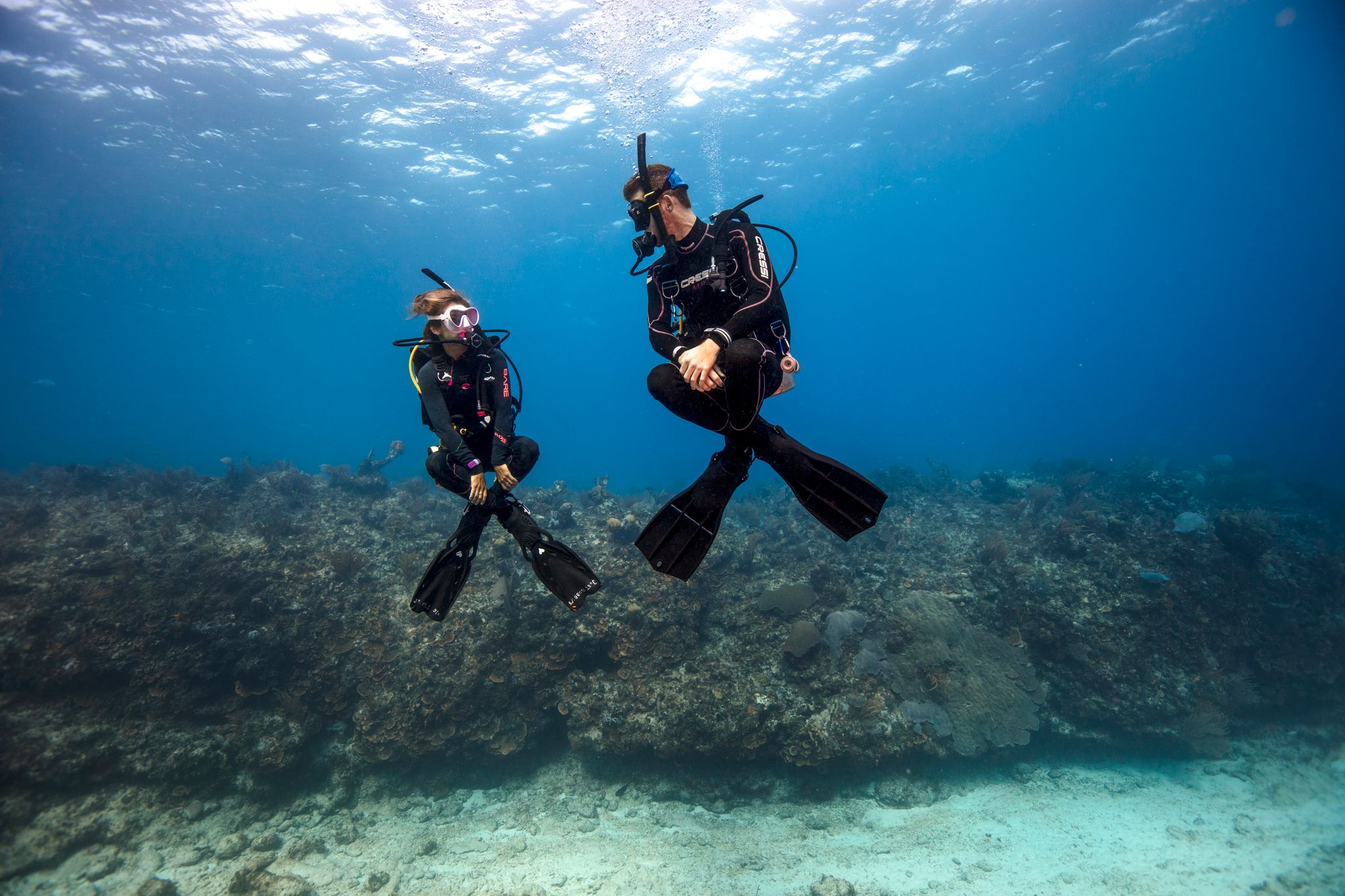
1. Small Adjustments Make a Big Difference
Add or release air from your buoyancy control device (BCD) in small increments and give each adjustment enough time to take effect. Being impatient will only make it harder to find your neutral buoyancy.
2. Use Your Breathing
Relaxed, deep breathing is vital to good buoyancy control because it has a direct impact on your position in the water. Breathe slowly and naturally, allowing your lungs to fill and empty fully. This helps you stay relaxed and makes it easier to maintain a steady depth.
Never hold your breath while scuba diving. Apart from being dangerous, it can cause unwanted changes in your buoyancy.
3. Stay Calm, Be Patient
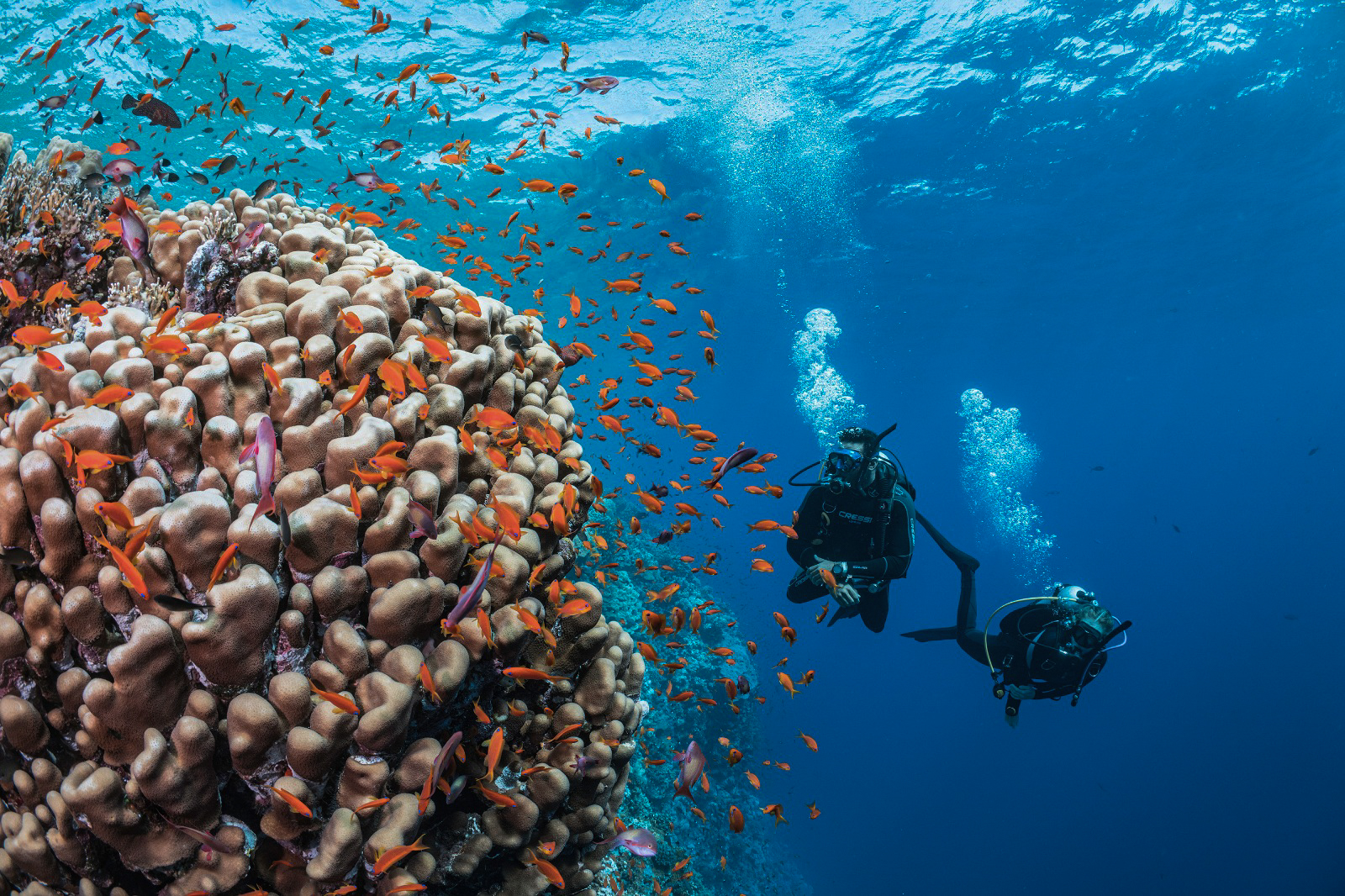
If your buoyancy feels off, it can be tempting to adjust several things at once. Instead, make one small adjustment at a time and give your equipment and body time to respond before making another.
Staying calm and patient will make it easier to identify what is affecting your buoyancy and correct it.
4. Avoid Overweighting
Many divers, especially beginners, dive overweighted. It’s understandable: you need enough weight to descend, but adding more than necessary can make buoyancy control harder and increase your air consumption. Aim to carry only the weight you need to achieve neutral buoyancy underwater.
For correct weighting, a diver should float at eye level with the water, with no air in their BCD and a normal breath in their lungs at the surface. As an extra check, when they breathe out, they should slowly descend.
5. Track Your Weight
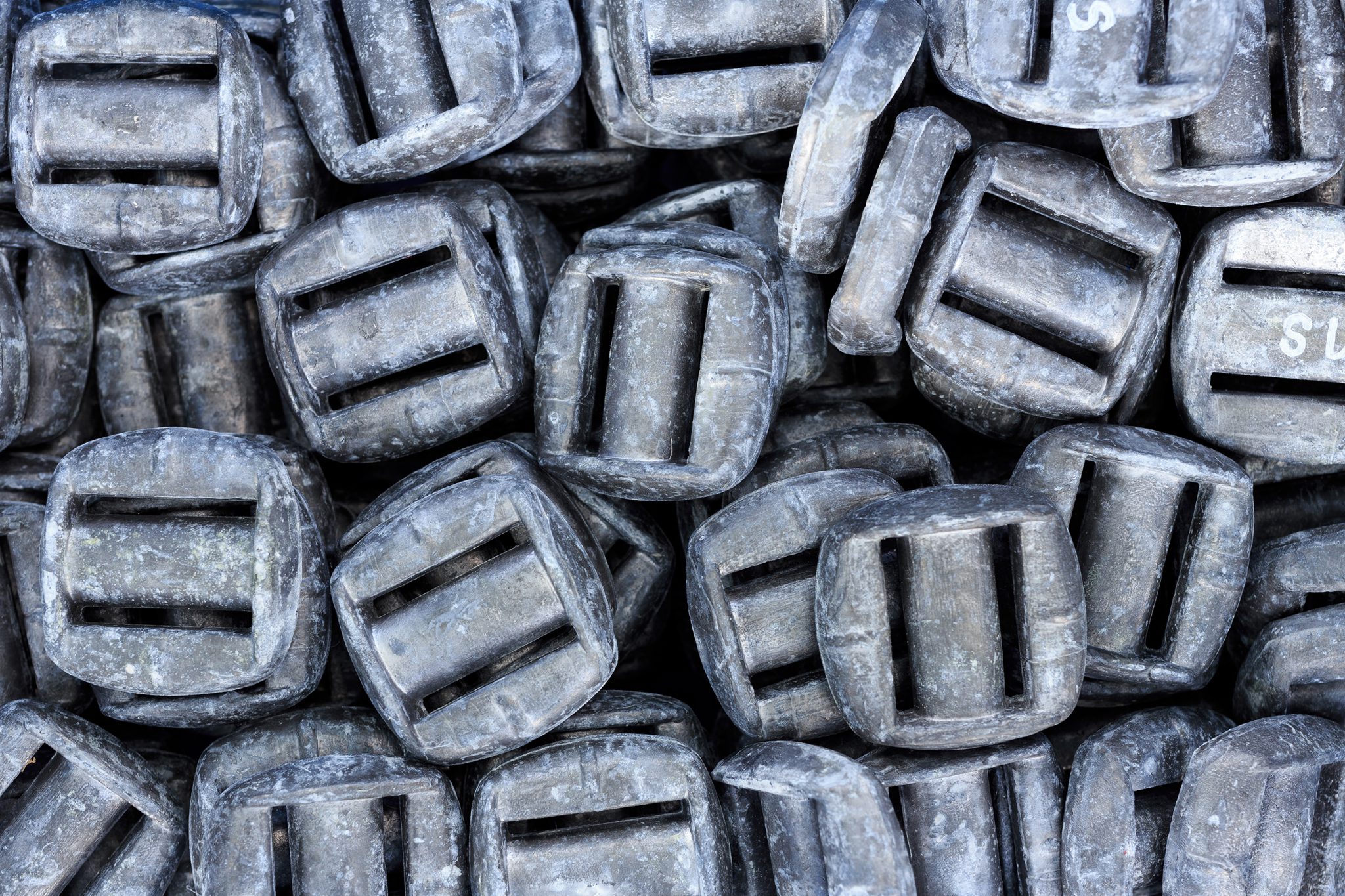
When you finish a dive, make a note in your logbook of how much weight you used, especially when it feels right. This gives you a useful starting point for future dives.
Remember that your ideal weighting can change depending on factors such as wetsuit thickness, tank type and water salinity. Keeping track of these details makes it easier to fine-tune your weighting when conditions change.
6. Stay Horizontal
A horizontal position, known as good trim, is a great default for most scuba diving. It helps direct your kicks forward rather than upward, reduces drag and can help you conserve air. You won’t stay perfectly horizontal throughout every dive, but practicing good trim makes it easier to move efficiently and maintain control in the water.
Small adjustments to your equipment, such as the placement of weights on your belt or in your BCD, can help you find a comfortable position.
7. Know Your Gear
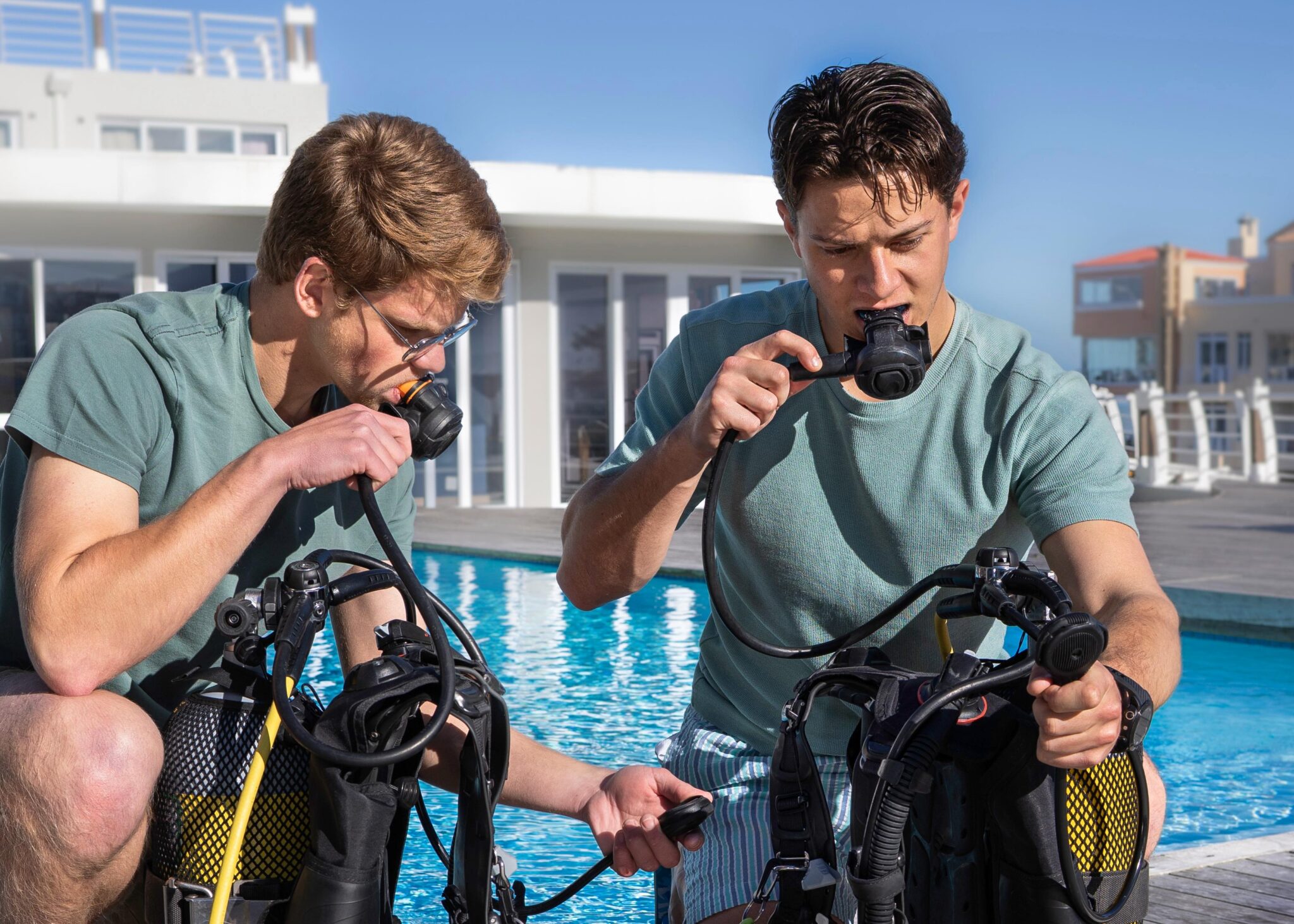
From where the valves are to how much propulsion a single fin kick produces, knowing your dive gear inside out gives you greater control over the small adjustments that help you fine-tune your buoyancy.
If you have your own gear, get to know how it behaves in the water. If you rent, using the same equipment where possible can help you become more comfortable and consistent from dive to dive.
8. Get a Handle on Hovering
The ability to hover is a key skill for successful buoyancy control and a great way to refine your technique. Find a safe, open area and try to remain stationary without kicking or using your hands to adjust your position.
Instead, use your breathing and small BCD adjustments to maintain a consistent depth. Once you think you’ve got it, try changing your position without losing control.
9. Anticipate Buoyancy Changes
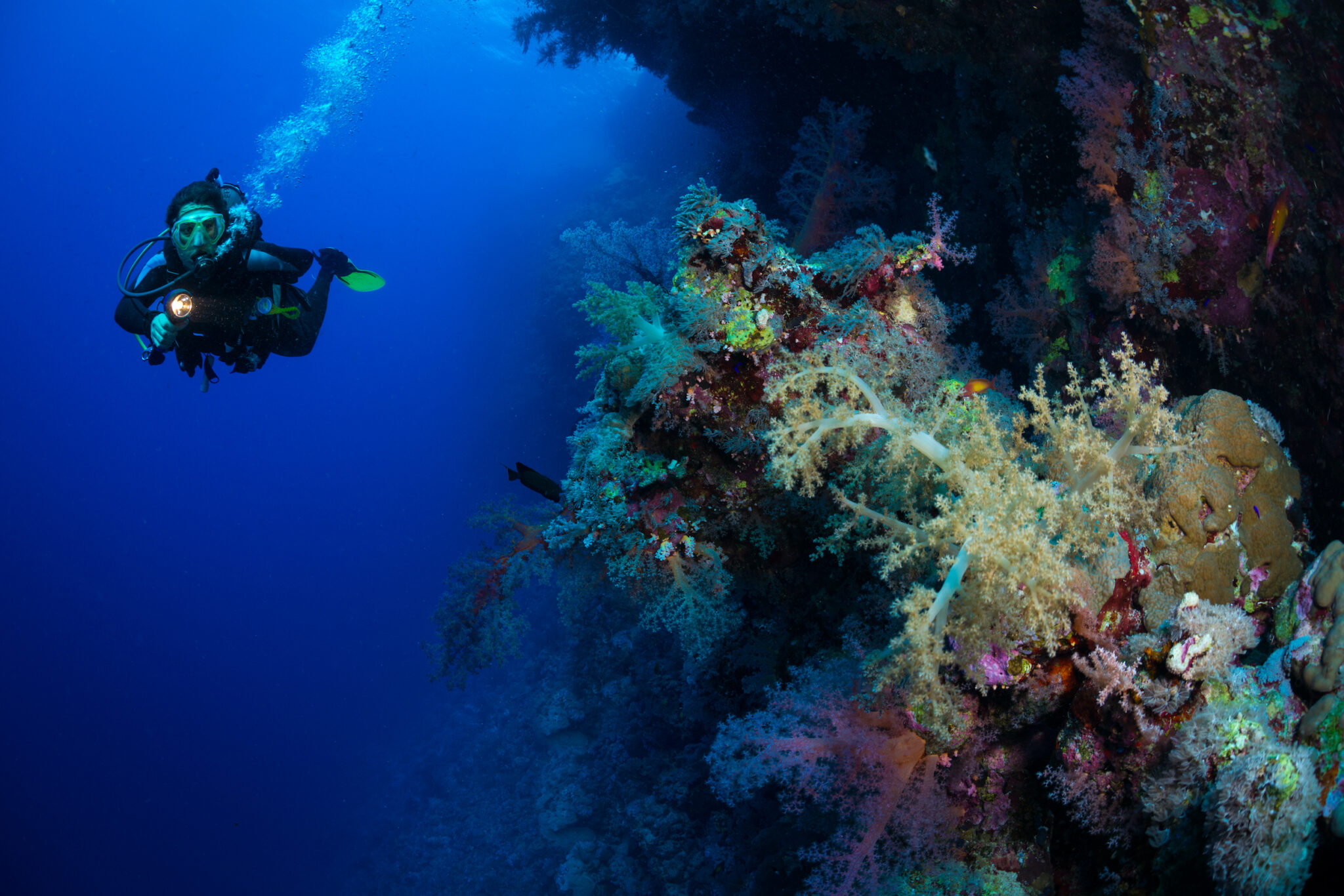
Your buoyancy changes throughout a dive.
Air in your BCD and exposure suit compresses as you descend and expands as you ascend, so be ready to make small adjustments as your depth changes.
As you breathe gas from your tank, the tank becomes lighter, gradually increasing your overall buoyancy. This is especially noticeable with aluminum tanks. Your wetsuit also becomes less compressed as you ascend, increasing its buoyancy, so anticipate these changes rather than waiting for them to affect your position.
10. Gentle Kicking
It can be tempting to use big kicks to correct your position. Instead, use your fins to move through the water, not to adjust your depth. Unnecessary kicking uses more energy and can increase your air consumption.
When you do need to move, use slow, controlled kicks and avoid large movements. This will help you stay balanced and maintain better control in the water.
11. Practice With a PADI Professional
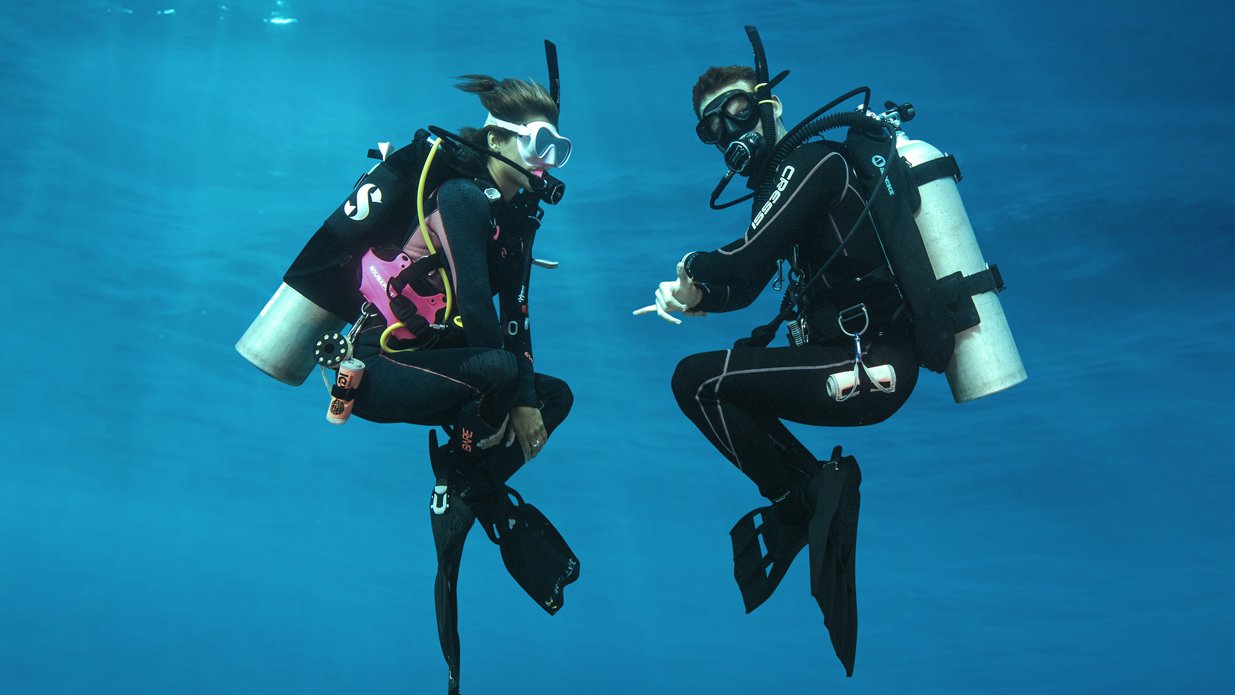
The PADI Peak Performance Buoyancy (PPB) Specialty is designed to help certified divers master their buoyancy. You’ll learn how to become more comfortable and controlled underwater, fine-tune your weighting and trim, and improve your air consumption, potentially giving you more time underwater.
Ready To Master Your Buoyancy?
By mastering your buoyancy, you’ll have greater control over your time underwater. You can focus more on the marine life around you, move more efficiently and avoid the occasional accidental fin to the face. It’s one of the most useful skills you can develop as a diver.
This blog was originally written by Jackie Hutchings and published on the Diviac Magazine.