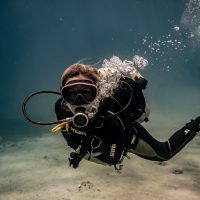
As we spend more time on our screens, we’re simultaneously spending less time outdoors. We all know it’s better to put down the phone and go for a walk – or a scuba dive – but do you know why? There’s an abundance of research to explain the positive impacts of nature on our brains and bodies.
But while numerous studies have demonstrated nature’s benefits for our mental and physical health, not all natural experiences are created equal.
In fact, the ocean offers something extra special for us as humans!
Proponents of the Blue Mind theory believe that proximity to water boosts the “happiness chemicals” in our brain, like dopamine and serotonin, and places humans in a semi-meditative state. And the impact is amplified when scuba diving: not just being near the water, but experiencing it fully.
When the world seems artifical, real nature experiences matter. But what’s actually happening beneath the surface and in our minds?
What Happens to Our Brains in Nature?
Many people report a feeling of relaxation and reduced anxiety when basking in the outdoors. But why?
Nature experiences have been associated with changes to brain activity in the amygdala and prefrontal cortex, regions of the brain responsible for threat detection, emotional regulation and impulse control. In busy urban environments, or even when scrolling on social media, these regions can become overworked and exhausted. But nature allows the brain to reset.
That’s why the American Psychological Association encourages real nature experiences for both stress reduction and attention restoration. Studies have even found placing hospitalized patients in a room with an outdoor view, as opposed to a brick wall, accelerates healing time and reduces pain perception. The patients reportedly improved faster, because they were less stressed and more optimistic about recovery.
This is the opposite of what happens when we scroll endlessly. Digital environments overwhelm us with rapid, fragmented stimuli, demanding constant attention without providing rest.
Nature offers something different – a less aggressive form of engagement that gently holds our attention without draining it. This gives us a sustained mood improvement, not just a quick hit of dopamine that drains just as fast.
Generally, nature helps us feel less overwhelmed while improving focus, which can then impact us physically. Spending more time engaged in outdoor activities and real experiences supports our physical and mental health.
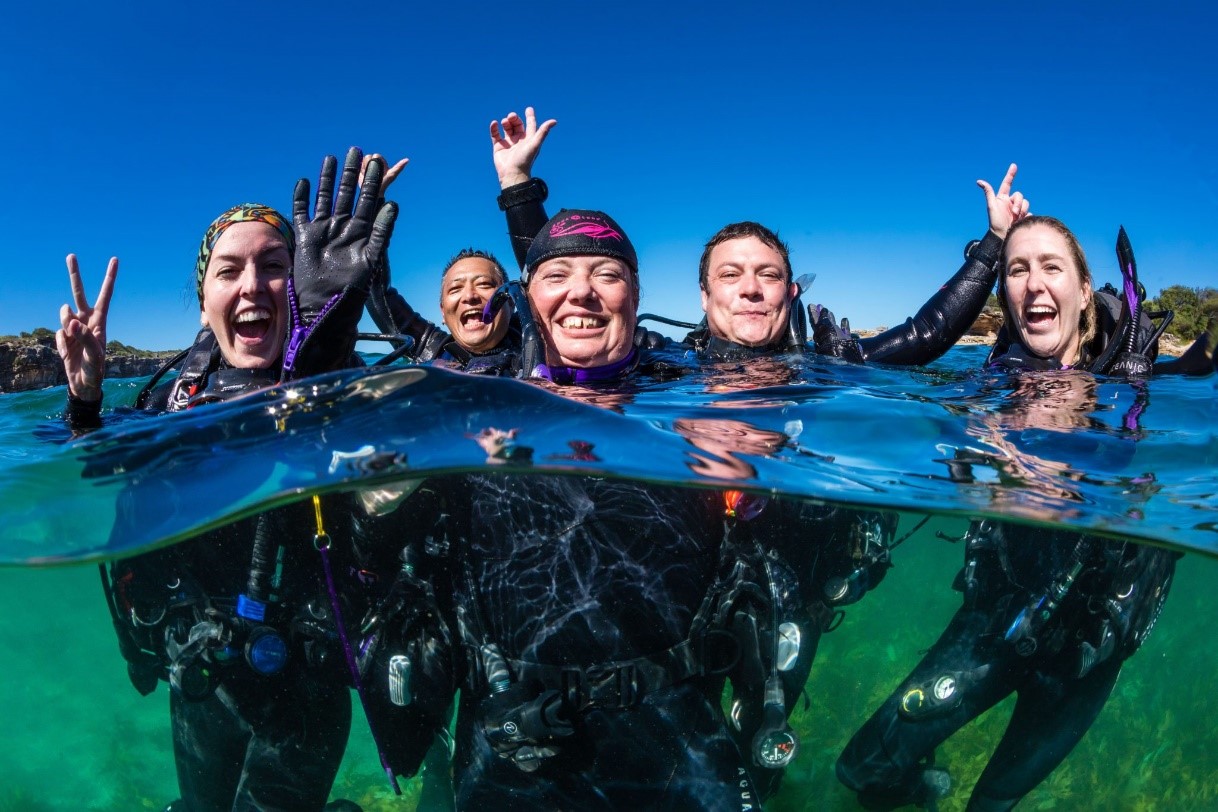
Why Do These Changes Happen?
There’s no single explanation for why exposure to nature activates different regions of the brain, but key theories help make sense of it. Most experts believe it’s a combination of a few things.
The Biophilia Hypothesis
This idea suggests humans are naturally drawn to nature because it’s wired into our biology. Over thousands of years, living in natural environments shaped our brains – and our genetics – to respond positively.
As a result, we tend to feel more comfortable and attuned in settings that better resemble those environments we evolved in, whether that’s by the sea or among trees. Studies back this up, showing that a brief nature experience, or even just images of nature, can improve your mood.
The Stress Reduction Hypothesis
The Stress Reduction Hypothesis suggests that natural environments trigger a physiological response – a reduced heart rate and lower blood pressure – that calms us down and lowers stress levels.
What’s great about scuba diving is that it further amplifies this effect. Beneath the surface, your body naturally slows down.
Attention Restoration Theory
This theory explains how nature restores focus. Unlike screens, which demand intense attention, nature holds our interest softly, giving our brains a chance to rest and reset. Afterward, we’re better able to concentrate and focus on one thing at a time.
What Is the Role of Water?
Humans have long had a special relationship with the sea; we’re naturally drawn to water sources. This innate desire is part of the Blue Mind Theory.
You can see this attraction everywhere: just think of the price of waterfront real estate. People overwhelmingly want to live near the coast.
And in a study in the Journal of Environmental Psychology, researchers investigated feelings of restoration and calm after visits to different natural environments and ecosystems. The authors found that coastal visits were the most restorative, even more than woodlands.
Of course, it’s still hard to quantify emotional restoration – but, anecdotally, people simply tend to feel better by the sea.
We’ve all heard of the importance of green spaces on our mental health – areas of grass, trees and other vegetation – but researchers are only beginning to recognize the impact of blue spaces on our wellbeing.
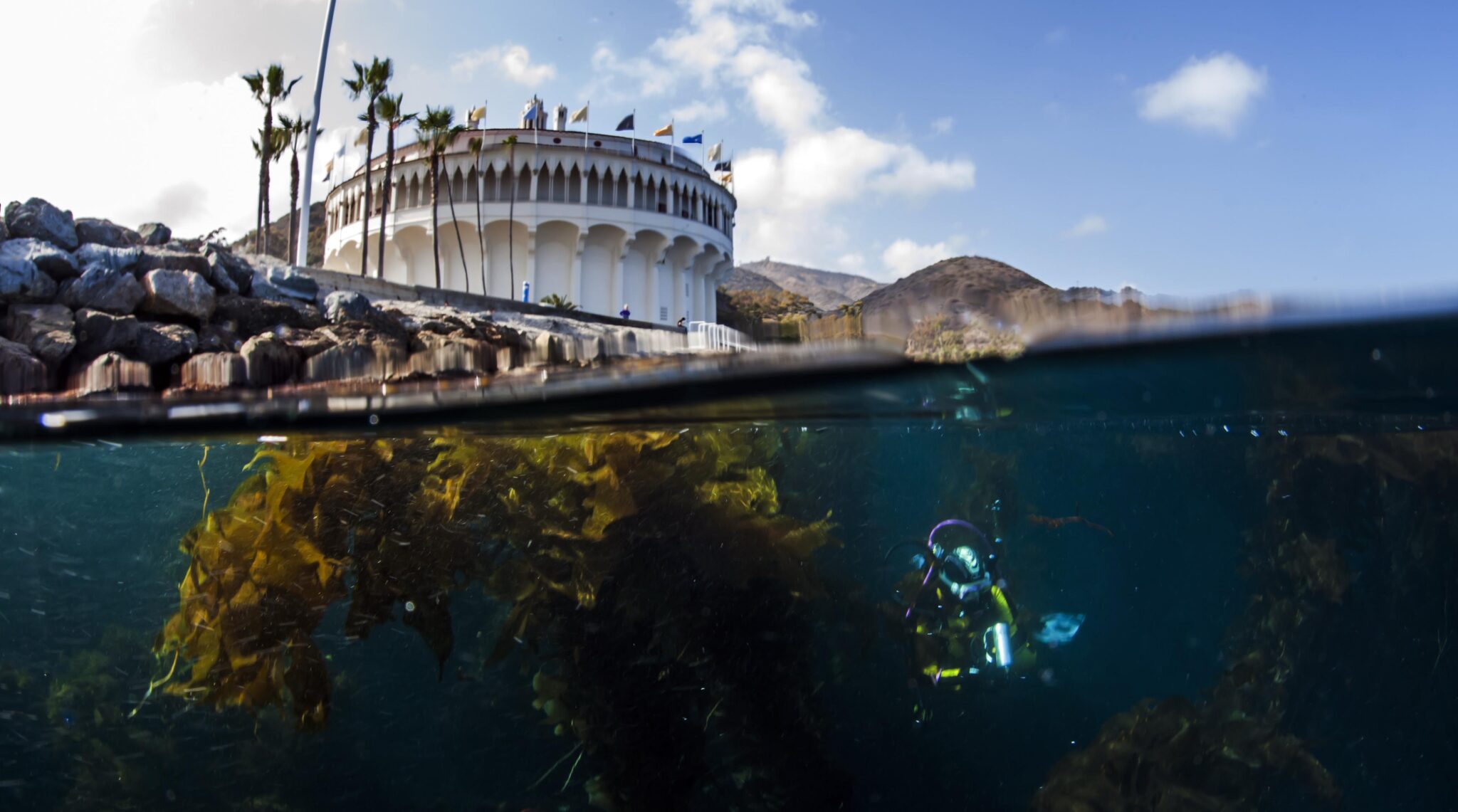
Get Ready To Dive in
If you’re scrolling mindlessly through social media and see underwater scenes that look almost unreal, it’s easy to assume they’re AI generated.
But often, they’re real scenes captured by real divers. And these natural experiences deliver genuine changes to our bodies and brains.
This isn’t AI; it’s scuba diving. And it feels really good!