One of the many benefits of scuba diving is the chance it affords us to view life underwater. However, many awe-inspiring marine ecosystems are threatened by bad fishing practices, pollution and climate change. The rugged, remote seascapes of Chile’s Pacific waters are no exception, and that’s why Nazca-Desventuradas – the largest fully protected marine park in South America – is so important to dive sites, tourism and ocean conservation in Chile.
Supporting Ocean Conservation in Chile
In 2015, at its Our Ocean conference, the Chilean government took a huge step for ocean conservation in Chile – and indeed the entire ocean – by protecting 114,872 square miles (297,518 square kilometers) of water surrounding the San Ambrosio and San Felix islands.
How Big Is the Nazca-Desventuradas Marine Park?
The resulting Nazca-Desventuradas Marine Park, roughly the size of Italy, counts for almost eight percent of all ocean areas with full no-take protections. So, while “Desventuradas” may translate into “Unfortunate,” you could argue it’s one of the luckier spots.
Unlike some Marine Protected Areas (MPAs) which only apply restrictions, this “no-take” zone is a special designation MPA. Here, all extractive activities (for example, fishing, drilling, mining and hunting) are banned altogether. The area triples the amount of offshore Chilean waters that are under these strongest protections, cementing Chile’s status as one of the world’s leaders in ocean conservation.
What’s Next for Marine Protected Areas in Chile?
Chile’s commitment to its marine habitats has continued to evolve in support of the United Nations framework to protect at least 30 percent of the world’s ocean by 2030.
In 2025, its government announced a management plan to guide the administration, research, monitoring and conservation of Nazca-Desventuradas. More recently, Chile has introduced plans to expand the protection offered to Nazca-Desventuradas and the Juan Fernández Archipelago. Doing so will make it the third-largest fully protected marine area in the world.
Click to display the embedded YouTube video
Why Is the Nazca-Desventuradas Marine Park Important?
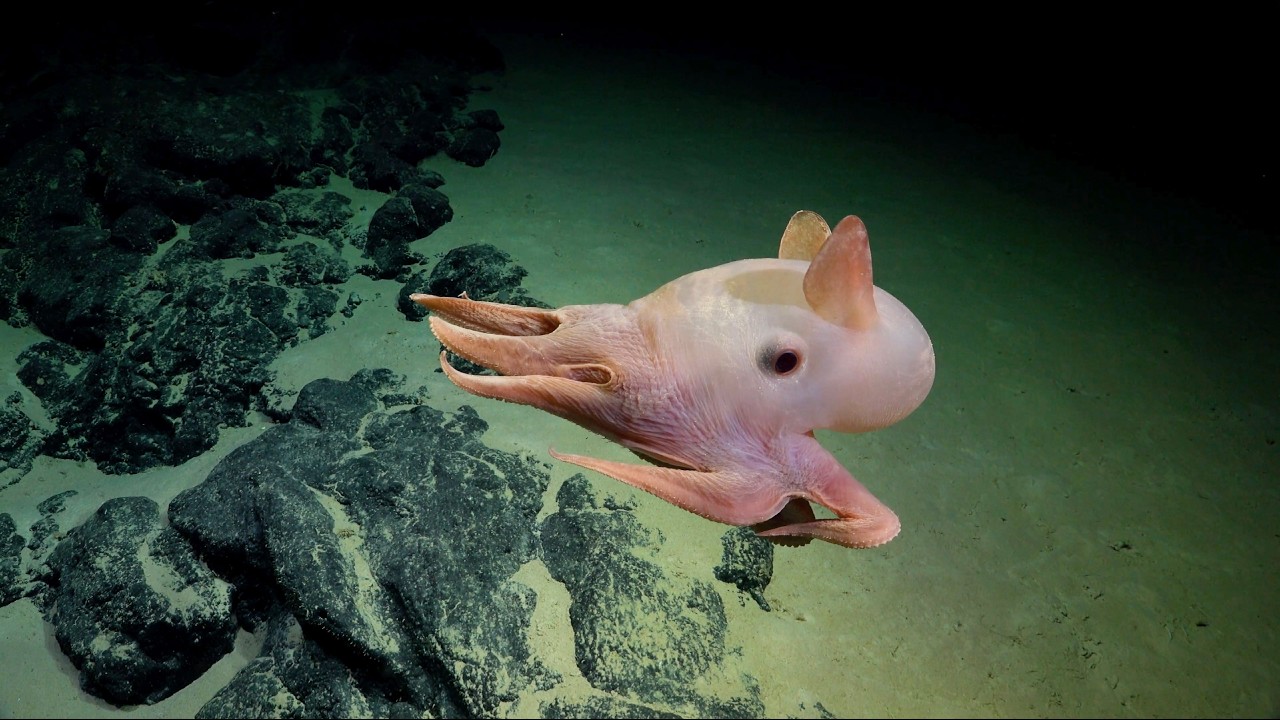
The Nazca-Desventuradas Marine Park is unique in that it harbors a mix of temperate and tropical species. Its incredible underwater mountains – part of the Nazca Ridge seamounts – are a focus for conservation programs in Chile because they provide vital habitats for rare benthic (bottom-dwelling) marine life as well as passing pelagics.
Here are just three examples of the myriad marine life in Chile:
- Decorator crabs. These crustaceans collect oceanic decor (often including other animals) and stick it to their shells to camouflage themselves from predators.
- Pyrosomes. Light-emitting animals, often cylindrical- or conical-shaped, that give off a blue-green light to help identify themselves to one another.
- Frogfish. Sponge-looking anglerfish that camouflage themselves to hunt down prey.
Moreover, an estimated 72 percent of the marine life in Nazca-Desventuradas is endemic to these waters; you won’t find them anywhere else in the world. When these marine creatures have such a limited range, protecting their habitat becomes even more important.
Scuba Diving and Marine Conservation in Chile
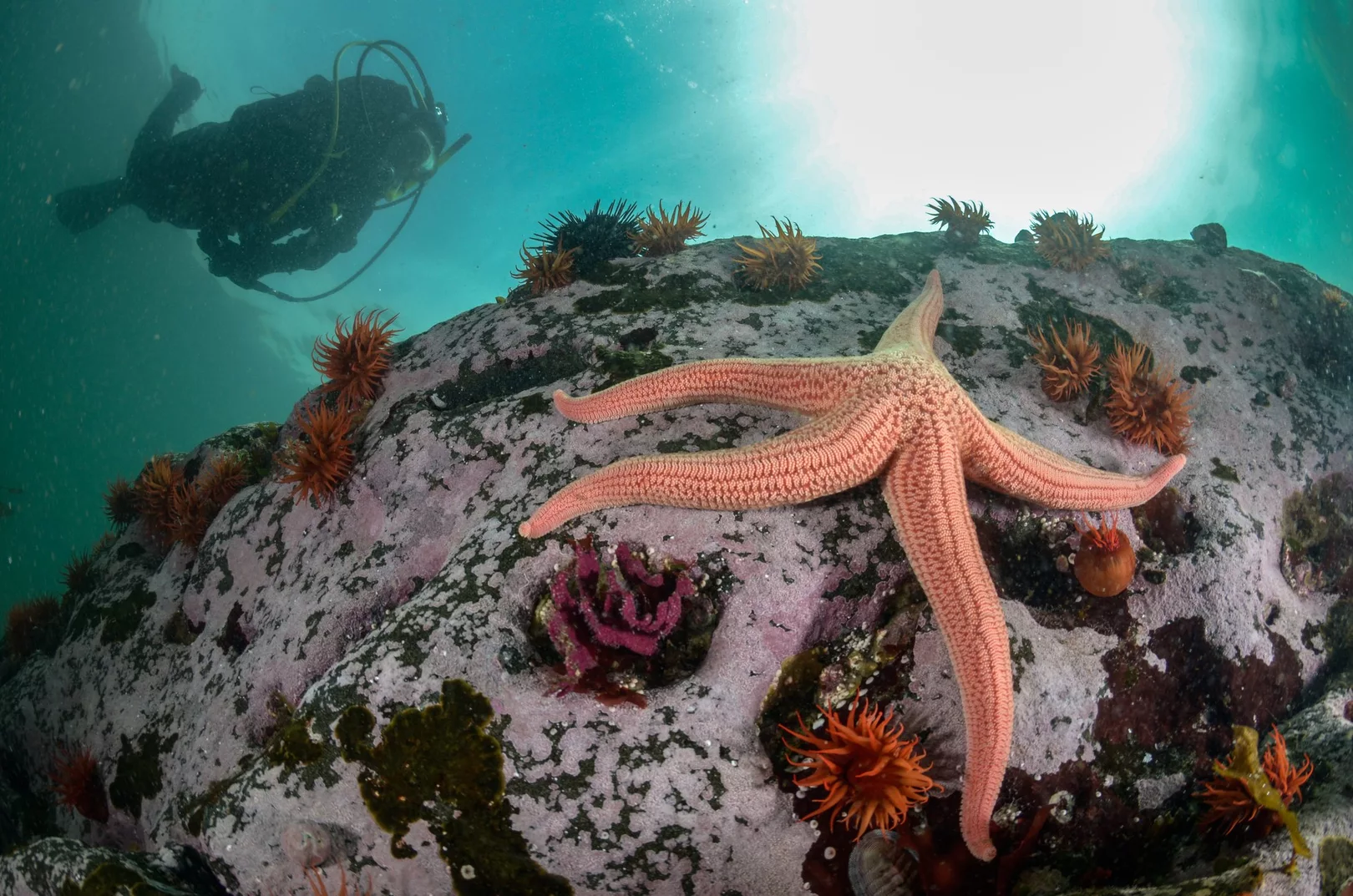
The Nazca-Desventuradas Marine Park reminds us that the most extraordinary underwater experiences depend on healthy, protected ecosystems. While recreational diving isn’t allowed inside the reserve, the rewards for ongoing ocean conservation in Chile can be enjoyed beyond the park’s invisible borders.
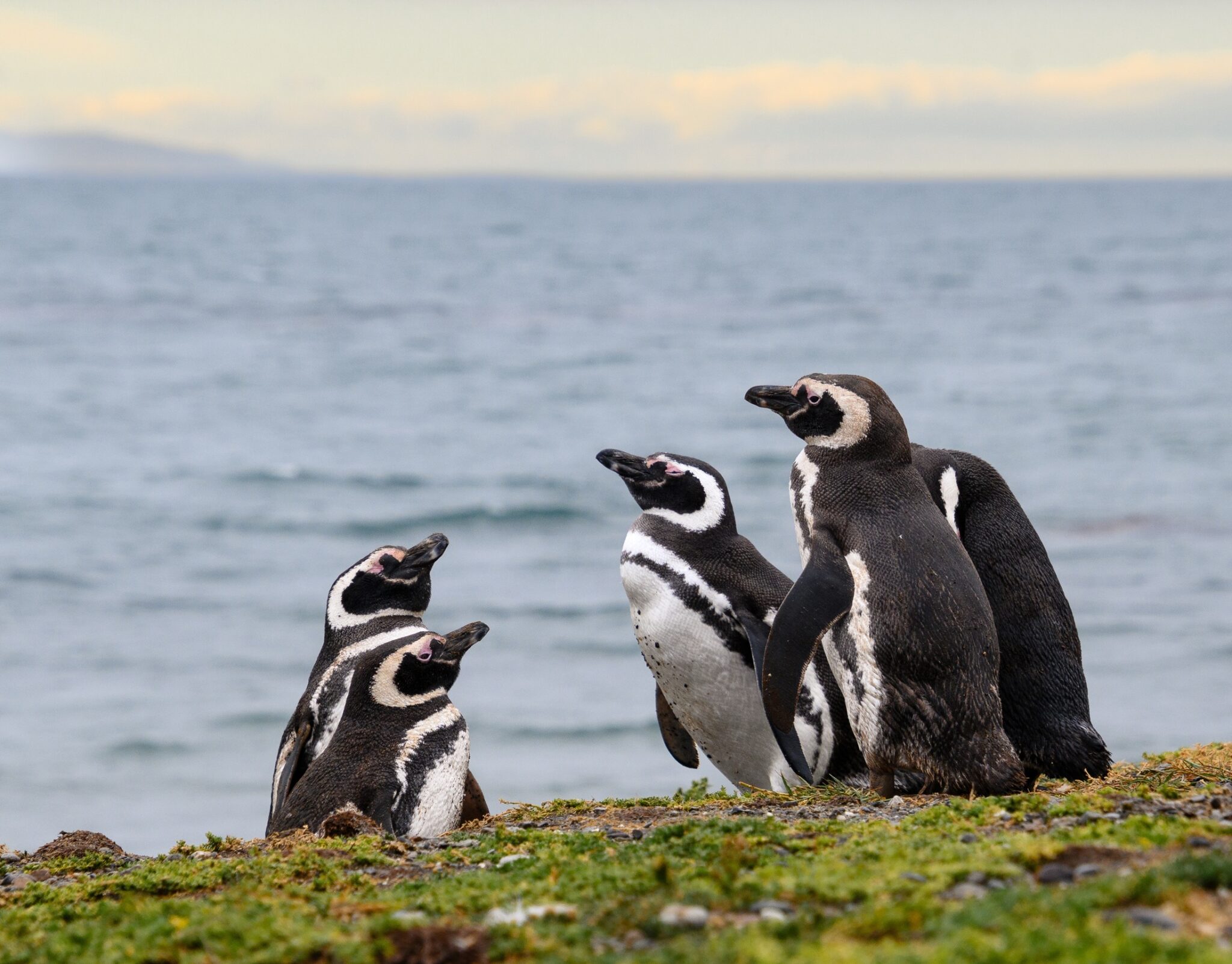
For instance, at Juan Fernández Archipelago (one of the closest neighbors, about 500 miles/800km south), you can dive with rare Juan Fernández fur seals, sea turtles and golden lobsters. There’s also a chance to see Magellanic penguins and dolphins. Elsewhere, the best scuba diving in Chile spans from the kelp forests of Los Molles to Easter Island’s dramatic volcanic formations.
Click to display the embedded YouTube video

How To Help Ocean Conservation in Chile and Beyond
As an avid scuba diver, you’ll know that ocean conservation is critical for the whole planet. Like Chile, our vision is to protect 30 percent of the ocean by 2030, and as part of a passionate global community of Torchbearers™, you play a vital role in making this a reality.
Every action, big or small, matters. You could:
- Encourage your local dive shop to Adopt the Blue™
- Take conservation courses like PADI AWARE® Specialist
- Join citizen science activities, like Dive Against Debris®
- Support PADI Eco Centers when you travel
By taking action at the places you love to dive, you’ll help inform research and influence environmental policies that help grow marine protected areas around the world – ones just like Nazca-Desventuradas.
Seek Adventure. Save the Ocean.