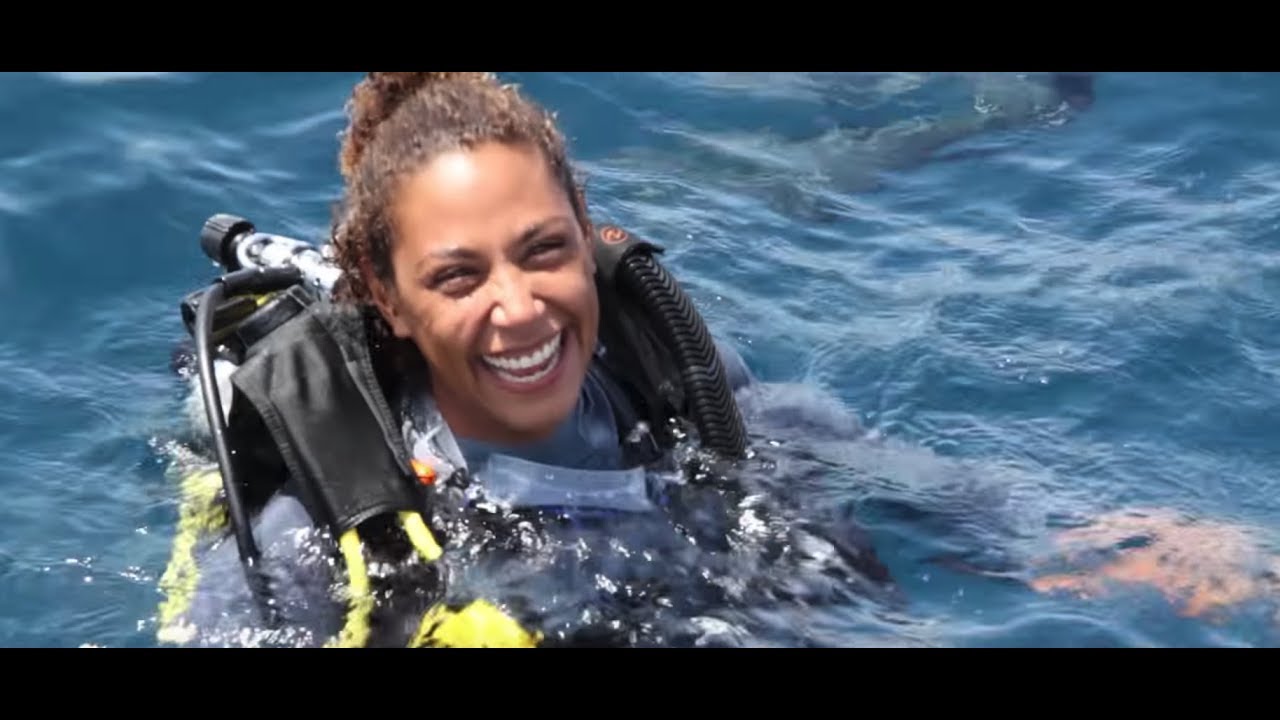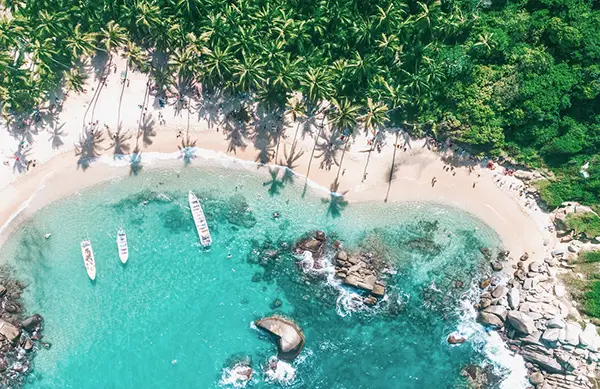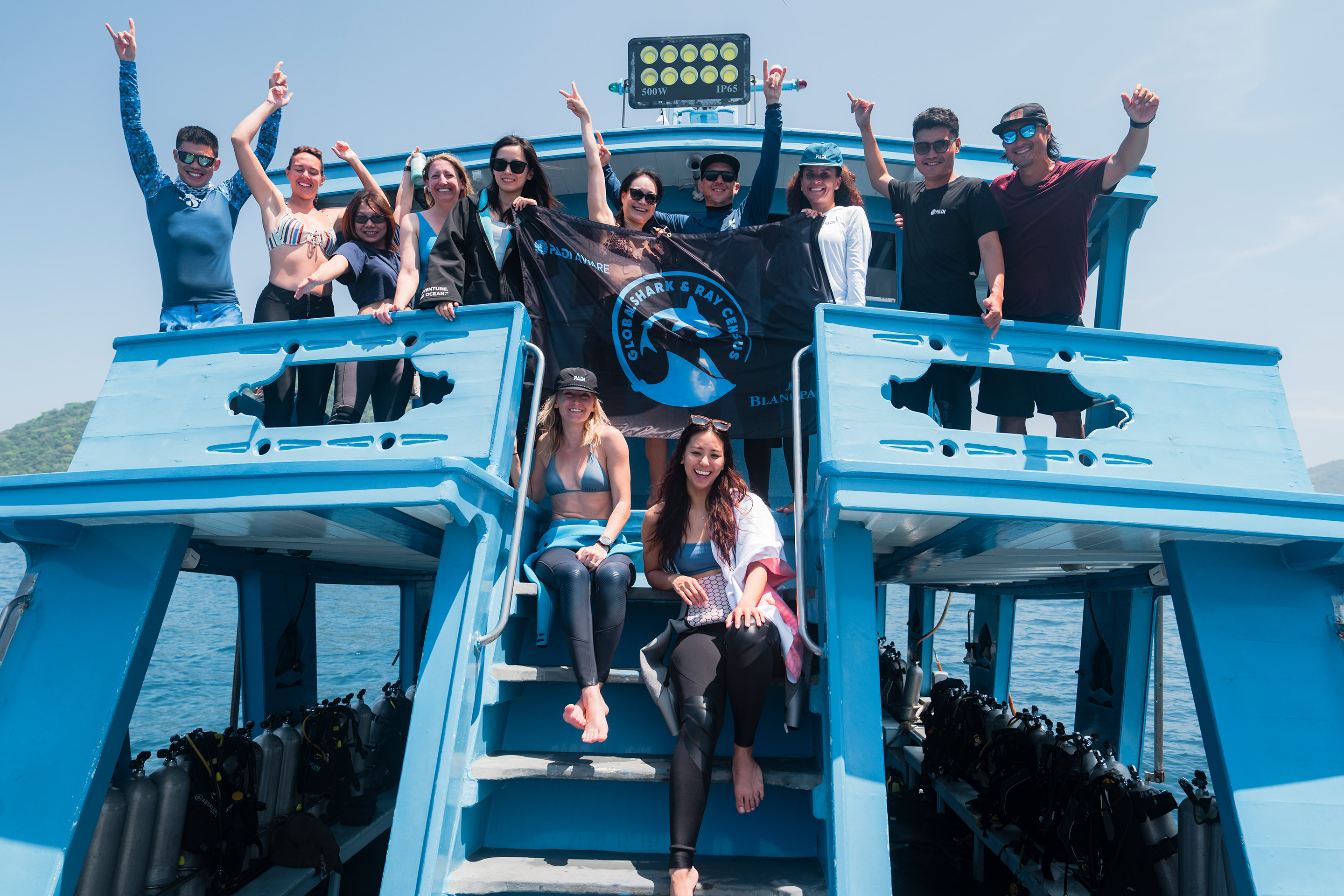

We estimate it takes less than 90 seconds after you slip beneath the surface for your phone stops existing. So does your inbox, your group chats, whatever’s trending, all of it. There’s no signal down there and nothing to check. Only the water, your own breathing, and a view that doesn’t care what day it is.
That’s the pull of scuba diving, and it’s a rarer feeling than it used to be. Most “unplugging” now means putting your phone in another room while it buzzes away regardless.
Diving is different – it removes the option entirely. You can’t half-focus underwater. For an hour, your attention belongs to one thing, and that alone is enough to reset a scrambled head.
Ready to feel it for yourself? Start your PADI Open Water Diver course online.
This feeling of escape is one of the reasons diving is such an addictive hobby. When you’re underwater, life goes on above the surface as usual, but you don’t have to worry about those day-to-day stressors.
No matter if you’re a hardworking professional, busy parent, current student, or a combination of these, scuba diving can be the temporary retreat you desire. It’s a wonderful release from the daily grind and helps even the busiest of people find balance – a therapeutic activity that helps each person gain a big-picture perspective.
What the science says about diving and mental wellbeing
This isn’t just a nice feeling divers describe – there’s a growing body of research behind it.
A 2020 study published in the International Journal of Environmental Research and Public Health assessed 176 divers against a control group of beach users in a Mediterranean marine reserve, and found both groups experienced measurable reductions in stress after time in “blue spaces” – with the effect strongest among those managing chronic health conditions.
A separate exploratory trial published in Frontiers in Psychology compared recreational divers against a multisport control group and found divers reported greater reductions in perceived stress and improved mood, an effect researchers linked to the slow, controlled breathing diving requires – not unlike the breathwork used in meditation practice.
Research from the University of Sheffield Medical School has also explored diving’s therapeutic potential for military veterans managing anxiety, depression and social difficulties, with participants reporting improvements across all three after structured diving programmes.
None of this means diving replaces professional support for anyone managing their mental health – but it does help explain why so many divers describe the underwater world as somewhere they go to think clearly.
Where to feel it: destinations built for disconnecting
If reconnecting with nature is the goal, some dive sites make that easier than others. Calm, clear water and a slower pace let you properly settle into that meditative headspace.
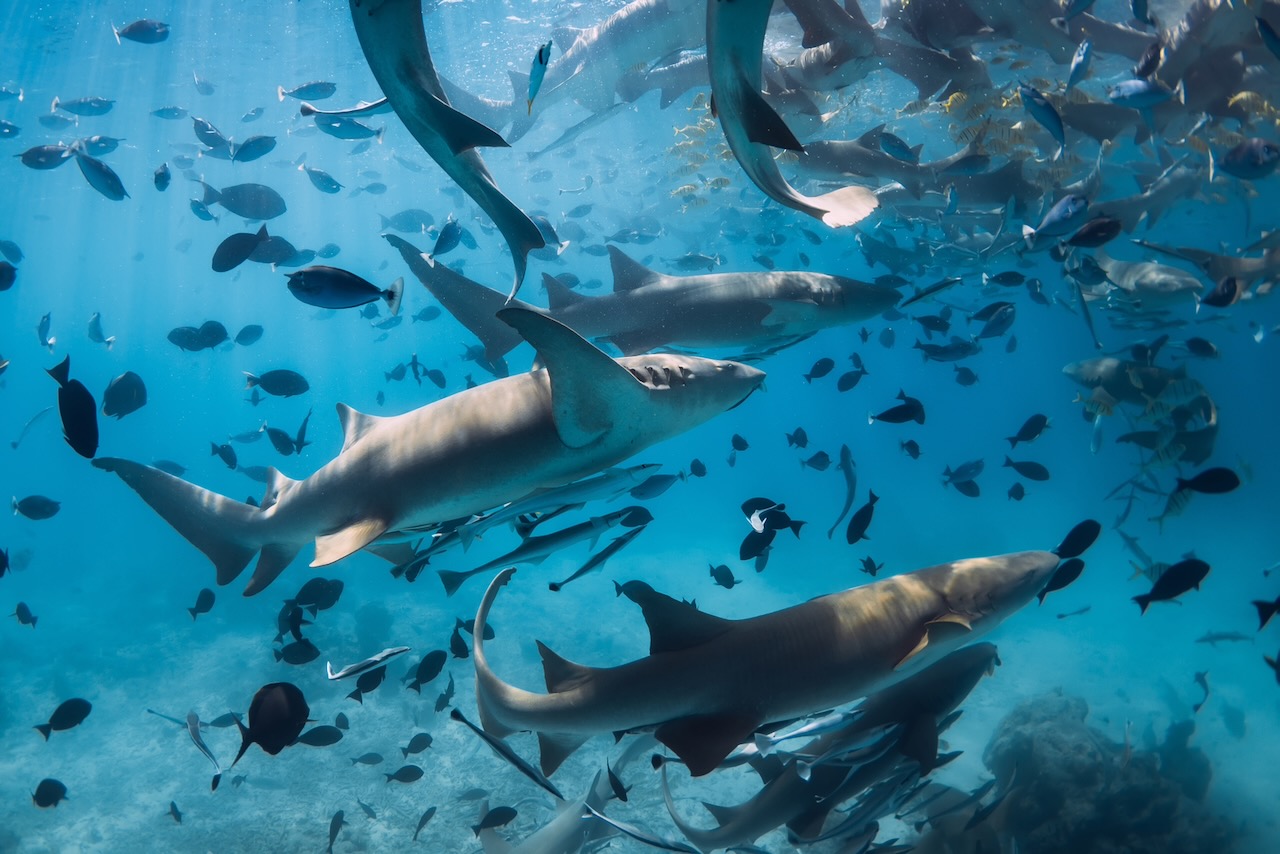
The Maldives
Diving here often happens at a drift pace, carried along by the Indian Monsoon Current rather than fighting against it, through some of the healthiest reef systems anywhere in the Indian Ocean. Baa Atoll, a UNESCO Biosphere Reserve, is a particular favourite for beginners and experienced divers alike.
Browse PADI dive resorts in the Maldives

Bonaire
Known among PADI’s own travel experts as something of a standout in the Caribbean, Bonaire offers warm, glassy waters and easy access to over 100 shore-accessible dive sites, including Salt Pier, ranked among the best shore dives in the world. It’s the kind of place where you can slip into the water whenever the mood strikes, no boat required.
Browse PADI dive resorts in Bonaire
Koh Tao, Thailand
Incredible marine life and some of the most affordable dive training in the world make Koh Tao a favourite for anyone easing into the sport for the first time. It’s less about ticking off bucket-list sites and more about slowing down.
Browse PADI dive resorts in Koh Tao
Whether you’ve never dived before or you did it once on a vacation a few years back, now is a good time to learn more by taking a PADI class such as the PADI Open Water Diver course and you can even start online. You’ll meet new friends, learn new things, and above all else, be able to find the peace you want within the water.
Getting started
You don’t need experience to feel the reset diving offers – that’s the whole point of the Open Water course. Over a few sessions, you’ll build the skills to dive anywhere in the world, at your own pace.
Not ready to commit to a full course yet? A PADI Discover Scuba Diving experience is a low-pressure way to get a first taste of it.
Find your nearest PADI dive shop or talk to a PADI Travel advisor about your first dive trip.
Check out the latest video about learning to dive.
Click to display the embedded YouTube video