

Scuba diving in Japan isn’t limited to the ocean. The country also offers incredible freshwater diving opportunities in lakes, rivers and even waterfall basins. These unique environments reveal a completely different underwater world, filled with fascinating species and landscapes that can’t be found in the sea.
For divers looking to expand their experience, freshwater sites provide both new challenges and new rewards. High‑altitude lakes, fast‑flowing rivers and crystal‑clear mountain waters require special skills and knowledge, offering a chance to grow as a diver while exploring extraordinary environments. Some destinations can be enjoyed year‑round, but summer through autumn is the most popular season and the ideal time to plan your freshwater diving adventure in Japan.
Lake Motosu, Yamanashi
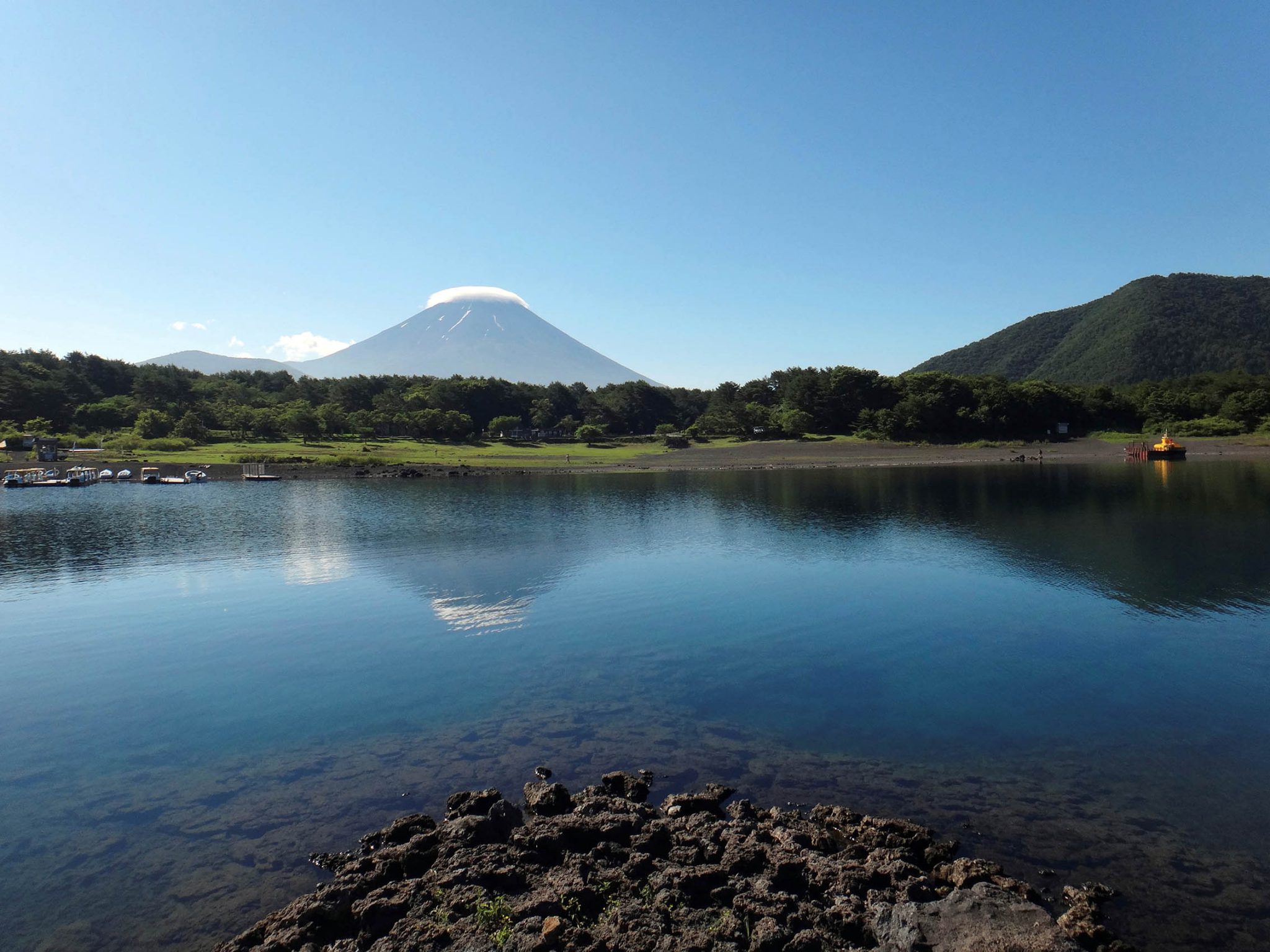
Located at the foot of Mount Fuji, a UNESCO World Heritage site, Lake Motosu sits at an altitude of 900m (2,950 ft.) and offers one of Japan’s rare opportunities for high‑altitude freshwater diving. Beneath the surface, divers can explore dramatic volcanic rock formations created by ancient lava flows, sunken trees weathered over centuries and unique spring‑fed underwater landscapes. The lake is home to freshwater species, such as sweetfish, black bass, eels and even the newly discovered species of marimo algae, Motosu marimo, first identified in 2022.
Because of its altitude, the water remains cold year‑round, making a dry suit recommended even in the middle of summer. As Lake Motosu is classified as a high‑altitude dive site, a PADI Altitude Diver Specialty certification is required. The lake is also famous as the model for the iconic “upside‑down Fuji” image depicted on Japan’s 1,000‑yen bill. Beyond diving, Lake Motosu is a popular outdoor destination for canoeing, fishing, barbecues and camping.
Popular Dive Spot: The Haunted Mansion
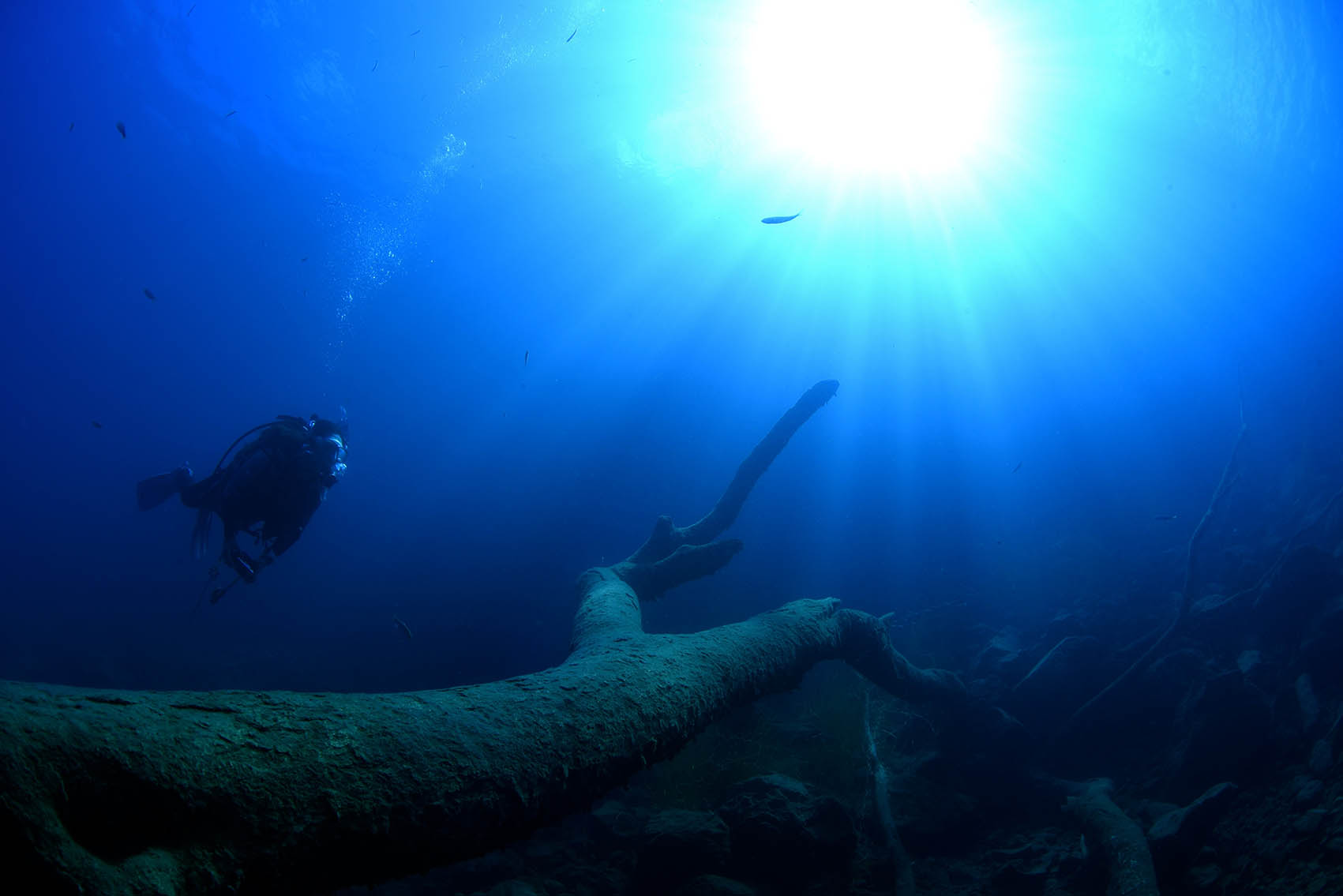
One of Lake Motosu’s most famous underwater attractions, this site features massive sunken trees draped with algae and fishing lines, creating an eerie, spider‑web effect reminiscent of Disney’s Haunted Mansion. Catfish and black bass inhabit the submerged forest, where divers can experience an otherworldly sense of calm. Seasonal night dives in late October, with underwater lights illuminating the scenery, add an even more magical and haunting atmosphere.
Getting There
- By car: About 30 minutes from Kawaguchiko IC on the Chuo Expressway from Tokyo.
- By train & bus: From Tokyo Station, take the JR Chuo Line Limited Express to Otsuki Station (approx. one hour). Transfer to the Fujikyuko Line to Kawaguchiko Station (approx. 50 minutes), then take a Fujikyu bus to Lake Motosu (approx. 60 minutes).
Lake Shikotsu, Hokkaido
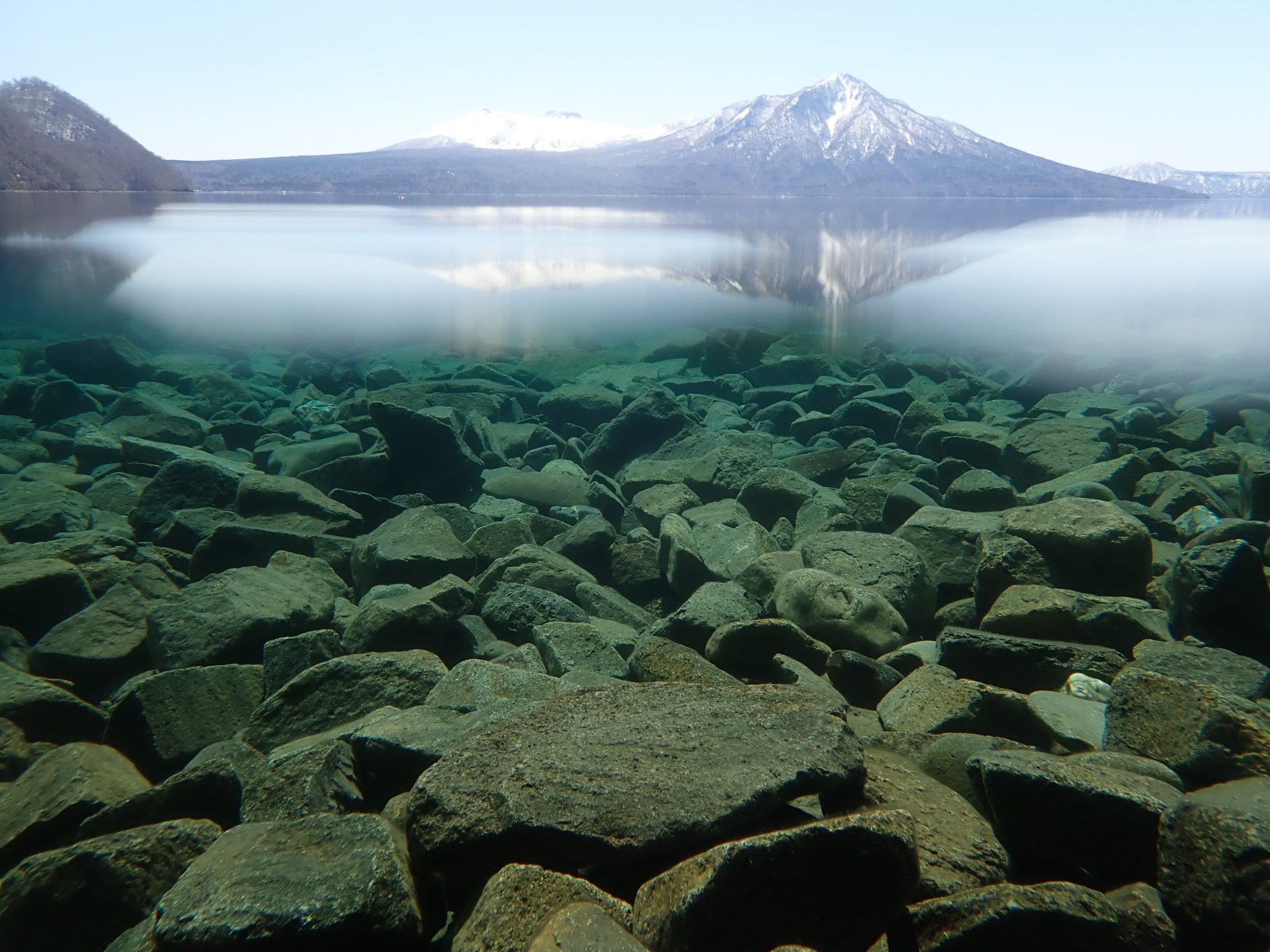
Located within Shikotsu-Toya National Park, Lake Shikotsu is one of Japan’s clearest lakes, rivaling the famous underwater visibility of Lake Mashu and even Russia’s Lake Baikal. Its stunning clarity and vibrant hue, known as “Shikotsuko Blue”, make it a unique freshwater dive destination. The lake has repeatedly been ranked Japan’s cleanest water by the Ministry of the Environment. Divers can encounter freshwater species, such as white-spotted char, kokanee salmon and Ezo dace, while diving here. Shrimp and gobies inhabit the aquatic plants and lake bottom, adding to the biodiversity.
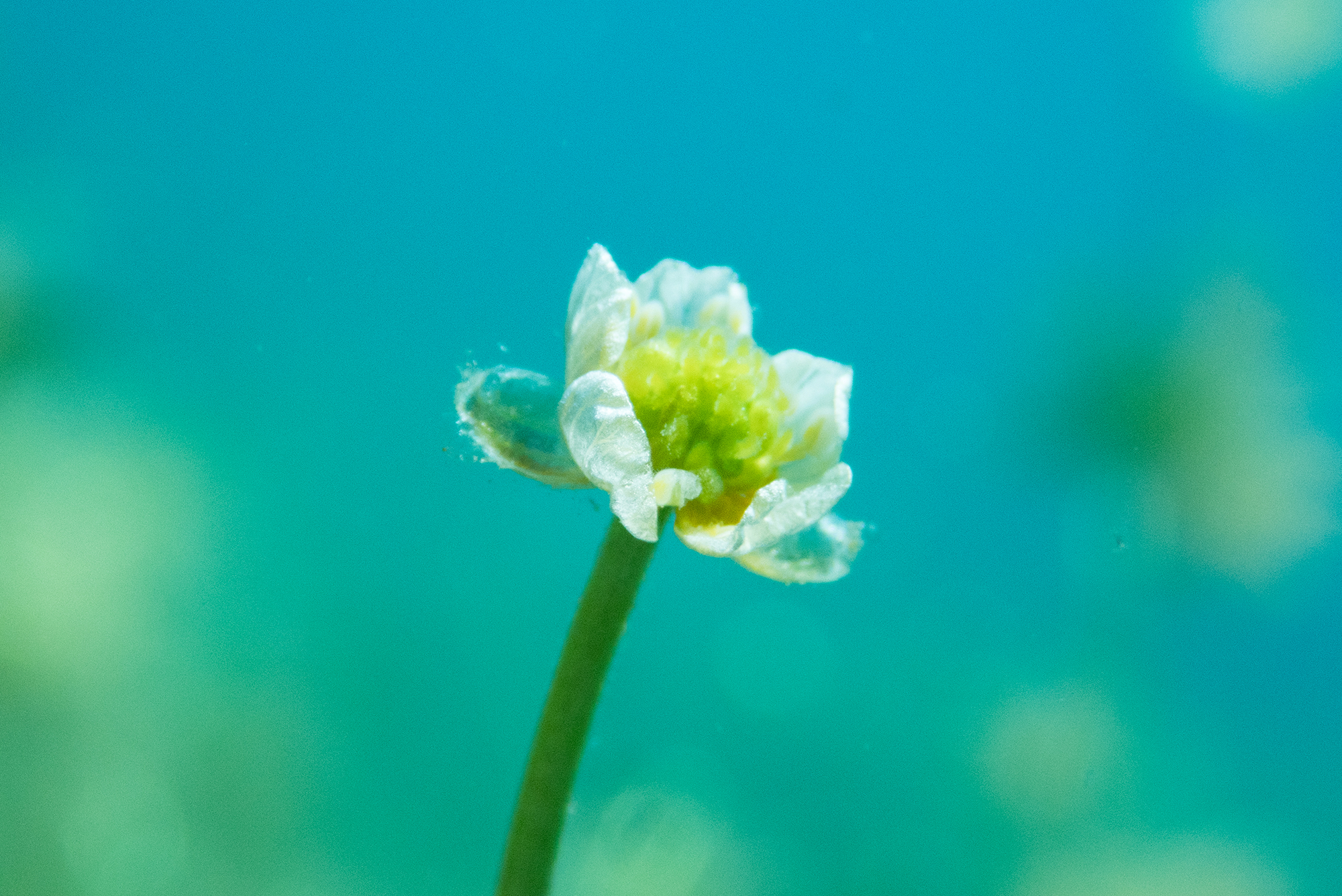
The underwater scenery is equally impressive — submerged ancient trees create dramatic landscapes characteristic of caldera lakes. In July, divers flock here to witness the bloom of Chitosebaikamo (Ranunculus yesoensis), a rare and endemic aquatic flower that grows only in this region. Because water temperature varies greatly with depth, a drysuit is highly recommended. Easy access from New Chitose Airport (approx. 50 minutes) or Sapporo (about one hour) makes Lake Shikotsu one of the most convenient freshwater diving spots in Japan.
Popular Dive Spot: Chitose River Headwaters
This world‑class site offers one of the few opportunities for river drift diving in Japan. With visibility sometimes exceeding 20m (65 ft.), divers can observe native fish, such as Ezo dace, sticklebacks, gobies and amur minnows, in crystal‑clear water. From late July to August, Chitosebaikamo (Ranunculus yesoensis) blooms underwater with delicate white flowers, while schools of freshwater fish swirl in spectacular “tornado” formations. In late October, divers and snorkelers can also witness the dramatic upstream migration of kokanee salmons during their spawning season — an unforgettable experience.
Getting There
- By car: About 40 to 50 minutes from New Chitose Airport via Route 16 (Shikotsu Park Line).
- By train & bus: From Sapporo Station, take the JR Rapid Airport Line to Chitose Station (approx. 30 minutes). From there, take a Hokkaido Chuo Bus to Lake Shikotsu (approx. 45 minutes).
Nagara River, Gifu
The Nagara River, located in Gifu Prefecture, is recognized as one of Japan’s three clearest rivers, alongside the Shimanto River and the Kakita River. Its crystal-clear waters make it an excellent destination for freshwater and river diving in Japan. In the central Mino region, divers can enjoy river dives with a maximum depth of around 12m (40 ft.).
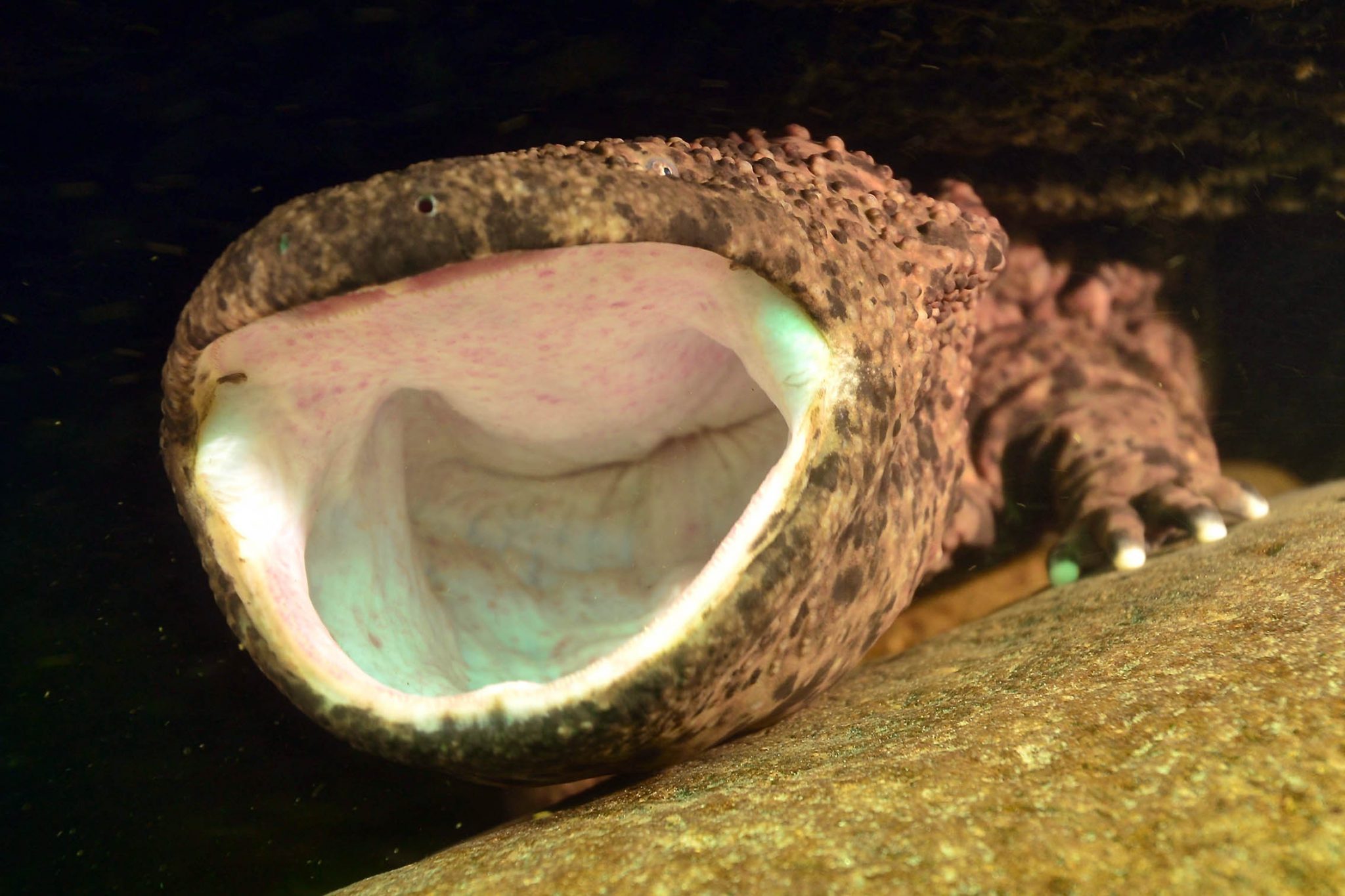
The river is home to a rich variety of aquatic life, including large schools of wild sweetfish, freshwater eels, catfish and carp. The biggest highlight, however, is the chance to encounter the Japanese giant salamander (Andrias japonicus), a protected species and natural monument. With a high probability of sightings, divers may come across individuals exceeding 1m (3 ft.) in length. Seasonal species, such as red-spotted masu trout and the rare fourspine sculpin, can also be spotted during certain times of year, adding to the unique appeal of the dive.
Beyond diving, the Nagara River is also famous for its cultural attractions. From May to October, visitors can witness the traditional Nagara River cormorant fishing (ukai). Nearby sightseeing highlights include the historic Mino Bridge, Gifu Castle and the beautifully preserved “Udatsu no Agaru” merchant townscape, where wealthy merchants once displayed their prosperity through ornate roof extensions (udatsu). This makes the area a well-rounded destination where divers can combine underwater adventure with Japanese cultural experiences.
Getting There
- By car: About 10 minutes from Mino IC on the Tokai-Hokuriku Expressway (approx. one hour from Nagoya).
- By train: From Nagoya Station, take the JR Limited Express to Gifu Station (approx. 20 minutes). From there, transfer to the Nagaragawa Railway to Mino City Station (approx. one hour). Shuttle services are available from Mino City Station to dive sites.
Koza River, Wakayama
Located on the eastern coast of Kushimoto in Wakayama Prefecture, Koza is a diving area blessed with the crystal-clear Koza River. This freshwater site offers a rare chance to dive in shallow waters around two meters deep, surrounded by seasonal beauty and pristine nature. Water temperatures range from 12 to 18°C (54 to 64°F) in spring to around 27°C (81°F) in summer. Divers can enjoy unique experiences, such as viewing cherry blossoms from underwater in spring, shimmering shafts of sunlight in summer and autumn foliage dives.
The river is home to rare and protected species, including the Japanese giant salamander (a Special Natural Monument) and the endangered fourspine sculpin, both of which can be observed year-round. After diving, visitors can also enjoy canoeing or paddleboarding, making it a perfect destination for those who want to immerse themselves in both underwater exploration and outdoor adventure.
Getting There
- By car: About 15 minutes from Koza IC via the Hanwa Expressway from the Kansai area.
- By train: Around four hours by limited express from Osaka to JR Koza Station, then about 20 minutes by taxi or shuttle service.

Image courtesy of DIVE KOOZA
Akiu Great Falls, Miyagi
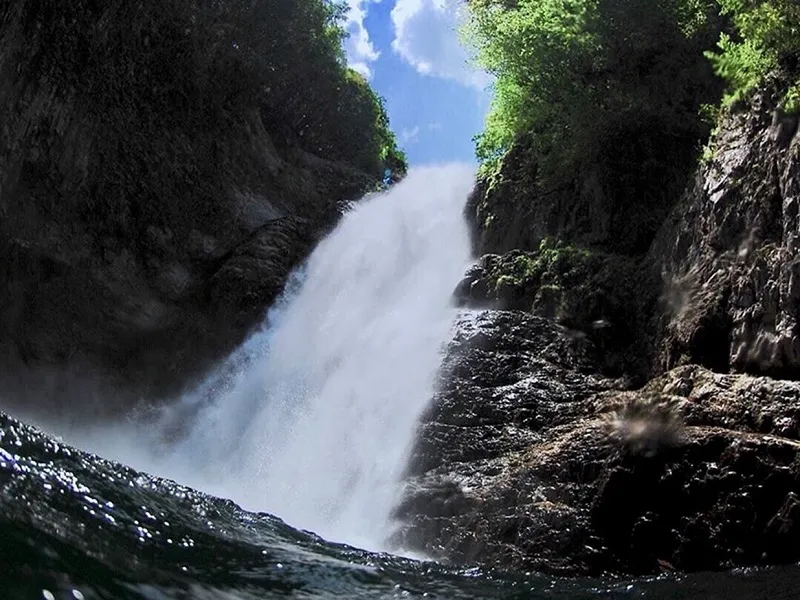
Akiu Great Falls, located in Sendai City, Miyagi Prefecture, is one of Japan’s most celebrated waterfalls. With a width of six meters (20 feet) and a height of 55 meters (180 feet), it is considered one of the Three Great Waterfalls of Japan and was also selected as one of the Top 100 Waterfalls of Japan in 1990. This scenic site is one of Tohoku’s most popular attractions.
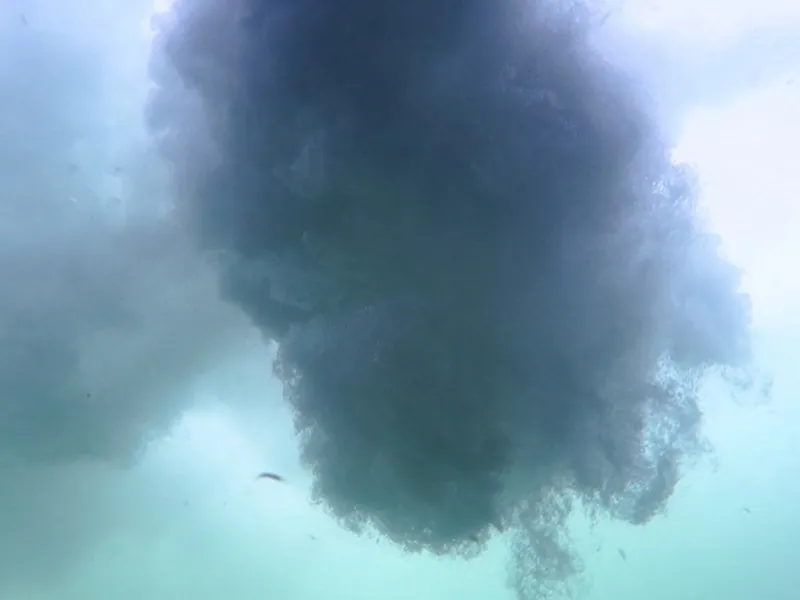
Descending to the plunge pool, divers can witness an incredible natural spectacle as massive volumes of water crash straight down, filling the air with mist and thunderous sound. Uniquely, Akiu is one of the very few places in the world where you can experience waterfall basin diving. The plunge pool reaches depths of around 10 meters (33 feet), where divers can explore submerged logs and fish habitats while feeling the roar and vibrations of the falls reverberate through their bodies. In autumn, diving beneath the colorful foliage offers an especially breathtaking experience.
Getting There
By car: About 40 minutes from Sendai via the Tohoku Expressway, exiting at Sendai-Minami IC.
By train: About 20 minutes from Sendai Station to Ayashi Station on the JR Senzan Line, then around 30 minutes by local bus.

Images courtesy of Diving Shop LEO
Swim With Pink Salmon in Shiretoko, Hokkaido
In Shiretoko, Hokkaido, you can enjoy a truly unique freshwater experience — swimming alongside pink salmon (karafuto masu) and Dolly Varden trout (oshorokoma) in local rivers. These species can only be observed along the Okhotsk coast of Hokkaido, making it a rare opportunity for divers and nature lovers alike.
This is a snorkeling-style experience rather than scuba diving, but due to the chilly water temperature (around 14°C / 57°F), participants wear dry suits, hoods and gloves for comfort. The rivers are shallow, ranging from 20 cm (eight inches) to 1.5 meters (five feet) in depth, allowing for close observation and underwater photography of salmon as they migrate upstream.
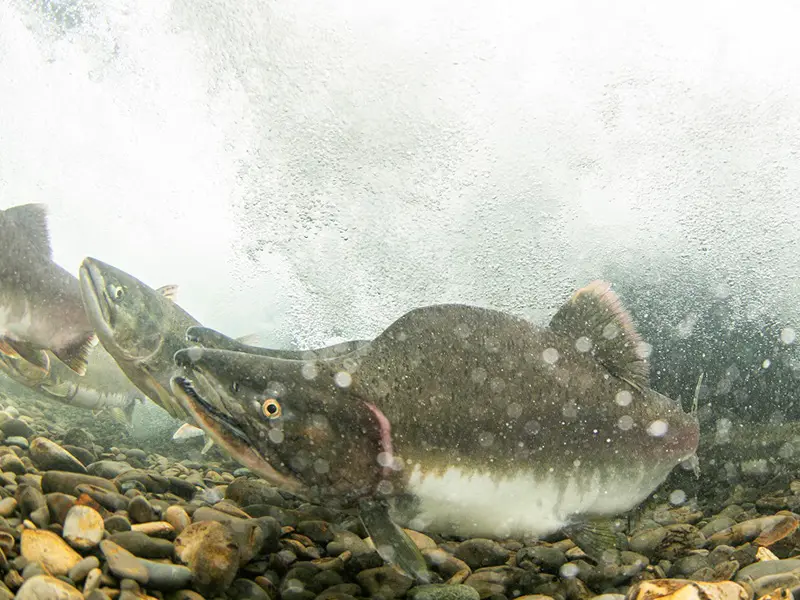
Image courtesy of Robinson Diving Service
Fresh water diving is a whole other world, and in Japan you’ll get a chance for experiences that are truly unique. Whether you’re diving at the foot of Mount Fuji, gearing up surrounded by cherry blossoms, drift diving in rivers or looking out for the legendary Japanese giant salamander, you’re in for something truly unforgettable.
Ready to discover all the wonderful treasures that lie in Japan’s freshwater lakes? Contact a local dive shop today and start planning your next Japanese underwater adventure.