After you’ve been bitten by the scuba diving bug, curiosity naturally kicks in. And, divers often wonder about what’s just a little further down. More specifically, what’s waiting beyond the 30-meter (100-foot) mark? If you go deeper, do you uncover rarer marine life, more dramatic seascapes and some of the best wreck dives? The answer is, yes!
Before we take a closer look at what natural treasures lie at depth, here’s a quick reminder of the maximum dive depths each PADI certification allows:
- Open Water Diver – 18 meters/60 feet
- Advanced Open Water Diver – 30 meters/100 feet
- Deep Diver – 40 meters/130 feet
As you can see, in the same way that progressing from Open Water Diver to Advanced Open Water Diver opens the door to new dive sites and experiences, taking the PADI Deep Diver Specialty certification course unlocks another level of adventure — one where fewer bubbles rise, colors fade and truly unique encounters take place.
Here are five incredible dive sites where going a little deeper can transform a great dive into an unforgettable one.

1. Bajo Alcyone, Cocos Island, Costa Rica
Bajo Alcyone in Costa Rica is regularly rated as one of the best dives in the world. This underwater mountain, which is located off Cocos Island and accessible only by liveaboard, gives divers the chance to encounter schools of scalloped hammerhead sharks. Divers also often spot other shark species during a dive here, including silky and Galapagos sharks, along with manta rays, mobula rays and eagle rays.
The site’s underwater peak sits at around 25 meters (82 feet). However, many shark species prefer to cruise at greater depths, meaning divers capable of descending deeper are less limited when they reach the top of the seamount. The changeable conditions and strong currents also make this a dive best suited to experienced divers.
2. USCG Bibb Wreck, Key Largo, Florida
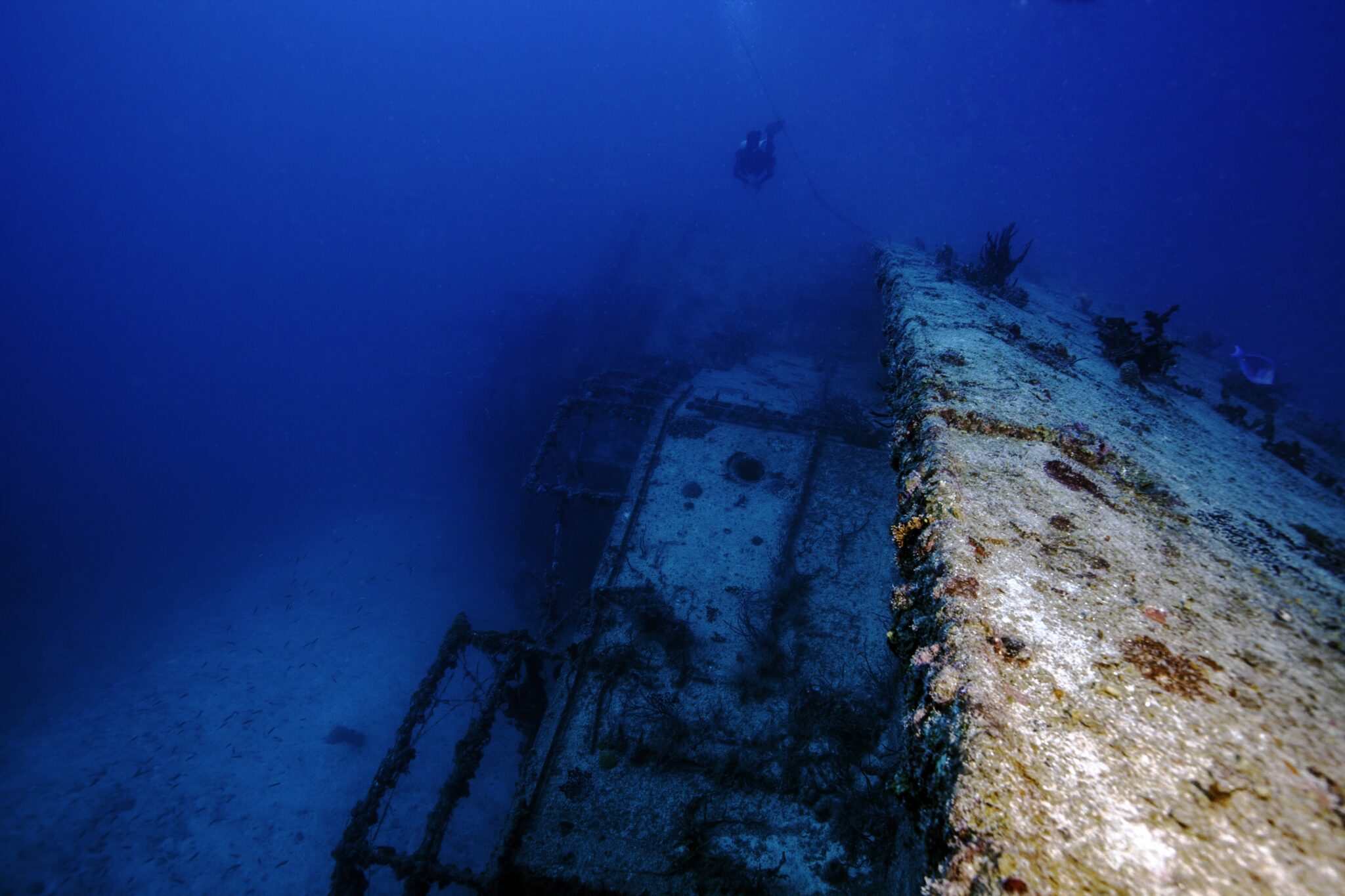
The USCG Bibb was a Secretary-class US Coast Guard ship with a rich and varied history. During its service, the vessel took part in several wars and later functioned as a weather ship, providing vital information to trans-Atlantic traffic. After decommissioning, authorities intentionally sank the Bibb to create an artificial reef.
Today, the wreck rests on its starboard side at a depth of around 40 meters (130 feet). Divers may encounter a variety of marine life here, including sea turtles, bull sharks, barracuda and grouper.
As a deep site with the potential for strong currents, the USCG Bibb wreck is best suited to experienced divers. For divers not yet ready to venture this deep, its sister ship, the USCG Duane, lies nearby in shallower water, offering a more accessible alternative while still delivering an unforgettable wreck experience.
3. Tiputa Pass, Rangiroa Atoll, French Polynesia
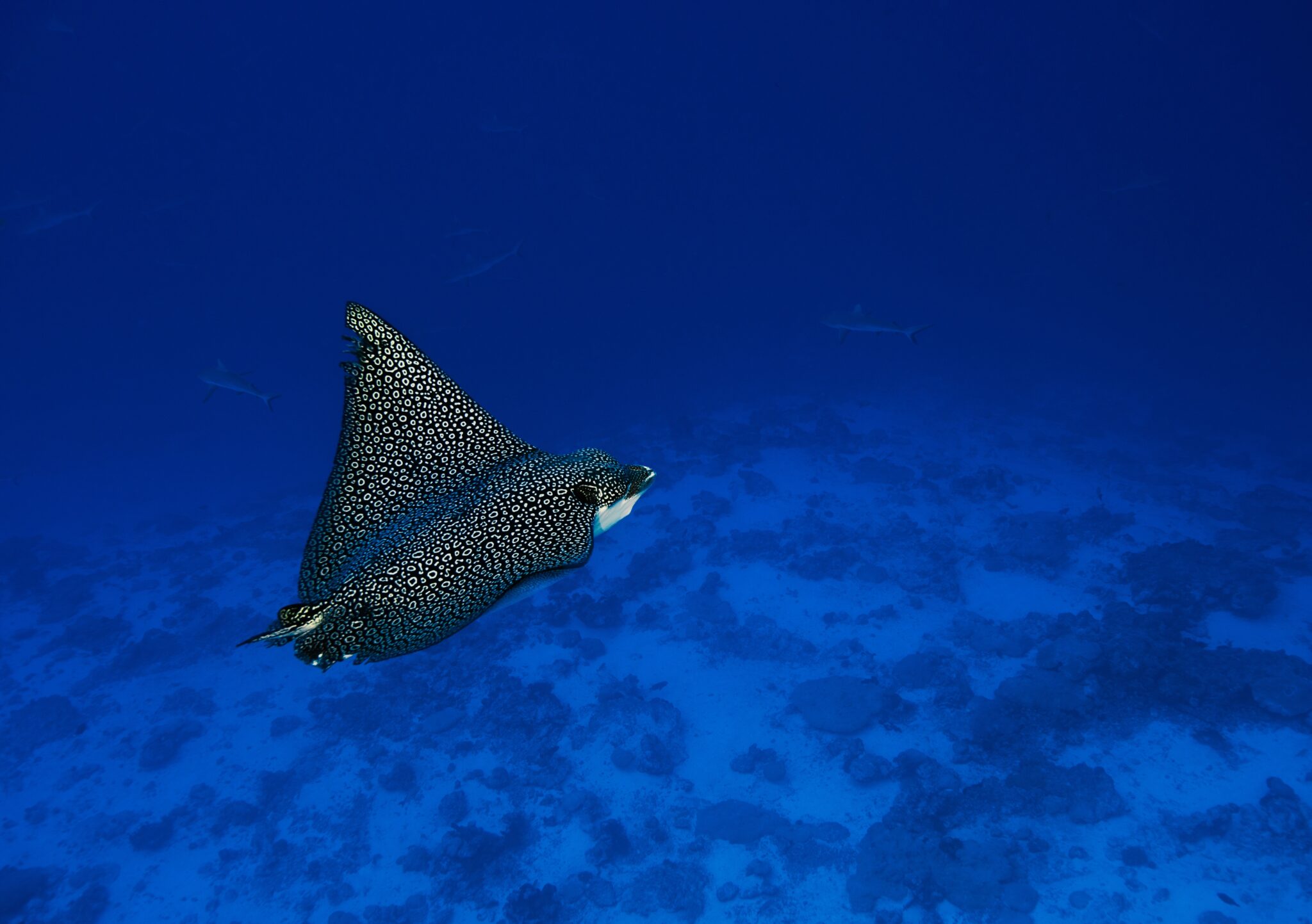
One of French Polynesia’s most iconic dives, Tiputa Pass rarely disappoints thanks to its rich and varied marine life. Even at shallower depths, divers can encounter turtles, wrasse, barracuda, eagle rays and exceptional macro life that make for a logbook-worthy dive.
For those able to dive deeper, Tiputa truly comes alive. Descending deeper places you in the prime zone for encounters with great hammerhead sharks (most common from November to March) and giant oceanic manta rays. Every descent here is a chance for something extraordinary.
4. Pinnacles, Ponta do Oro, Mozambique
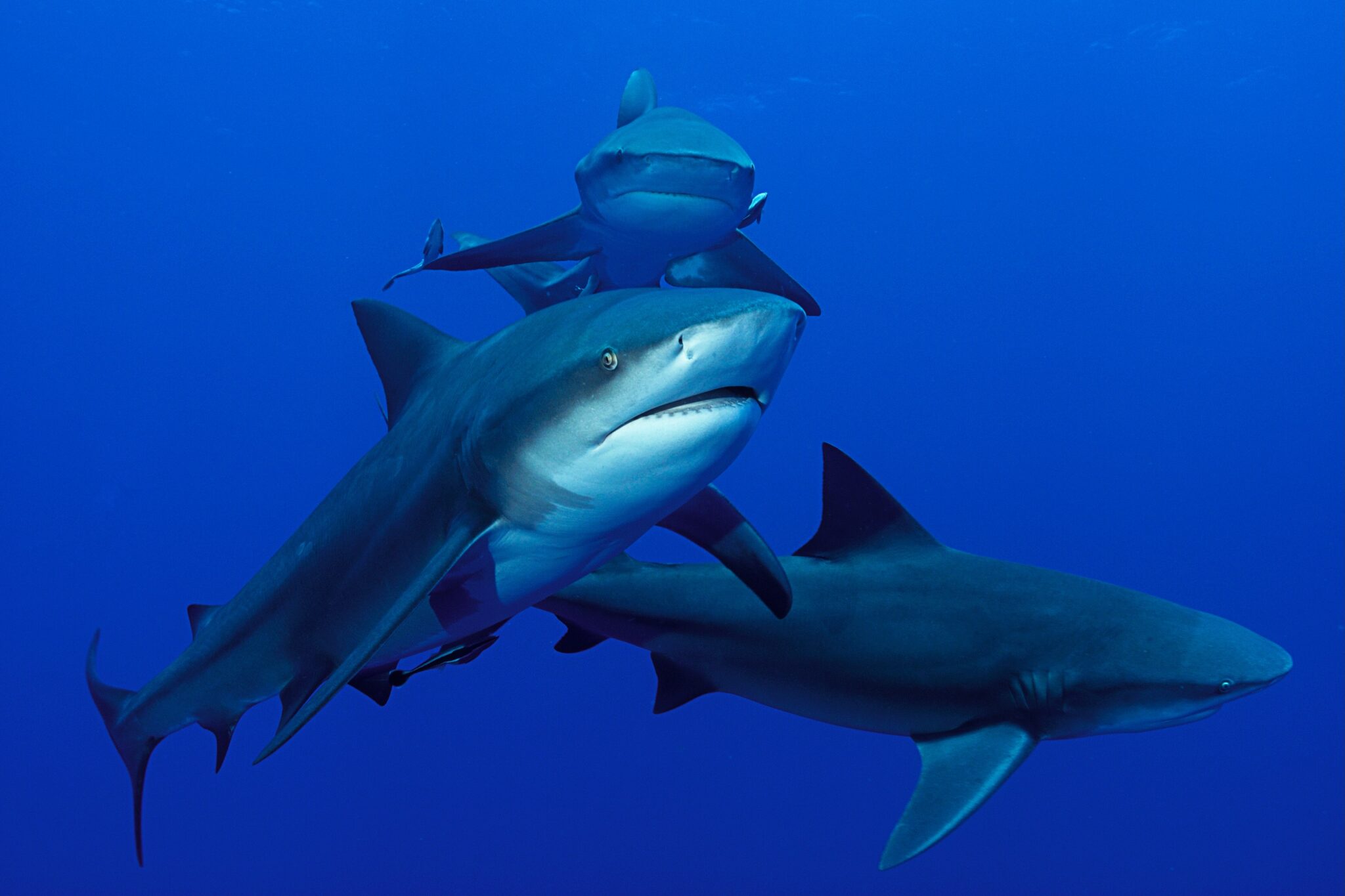
The Pinnacles dive site in Ponta do Ouro is a hidden gem for natural, cage-free shark diving. The dive plan is simple and involves dropping in over the top of the pinnacles and drifting in the blue for what passes by.
At more than 30 meters (100 feet), Deep Divers can reach the physical peak of this underwater formation, the sweet spot for close encounters with deep water–loving species. Possible sightings include bull sharks, tiger sharks, blacktip reef sharks, silvertip sharks, schooling scalloped hammerheads and several other shark species. This is truly a haven for shark enthusiasts.
Other marine life often seen here includes manta rays, bottlenose dolphins, eagle rays and, seasonally, humpback whales.
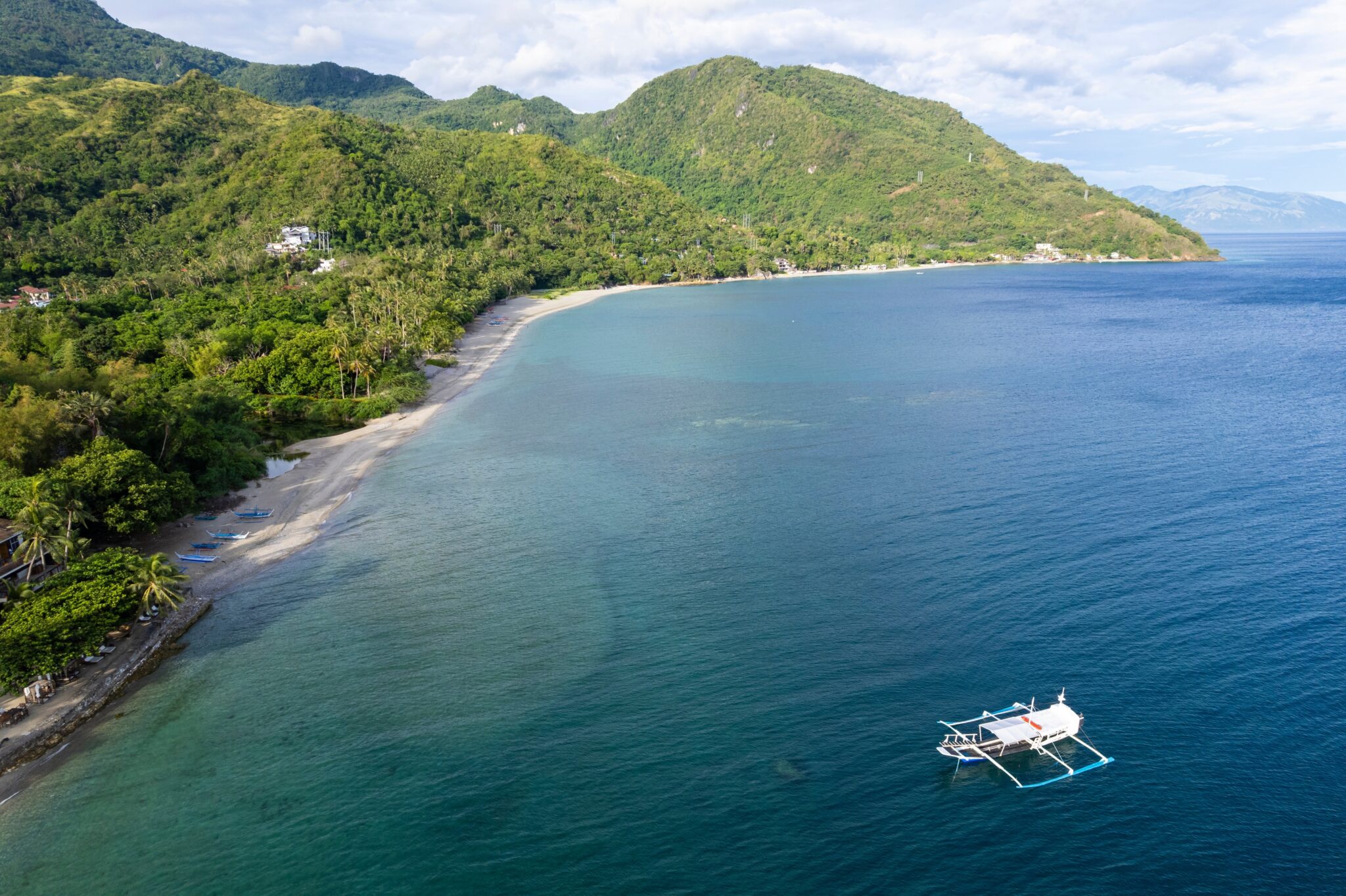
5. Hibo Reef, Puerto Galera, Philippines
Regarded as one of the best dive sites in Mindoro, Hibo Reef offers an unforgettable underwater experience. The dive begins with a descent to around 20 meters (66 feet), where vibrant gardens of hard and soft coral thrive. The rich marine life ranges from stingrays and mackerel to tuna and wahoo.
Descend beyond the 30-meter (100-foot) mark, and the chance of encountering larger marine life increases. This much-loved reef is known for its visits from whitetip and gray reef sharks, which often emerge from the blue as the underwater mountain drops dramatically to depths of around 500 meters (1,640 feet).
It’s Time To Dive Deeper Than Ever Before!
Are you feeling inspired to take your diving even deeper? It’s time to unlock new underwater experiences with the PADI Deep Diver Specialty course. At 40 meters (130 feet), you can explore everything from vibrant reefs to thrilling wrecks and encounter large marine life.
Find a PADI Deep Diver Specialty course near you using the PADI Courses Locator or click below to start right now with PADI eLearning™.