Being able to ascend and descend in scuba diving is one of the first things you learn in the PADI Open Water Diver course – and it’s part of every safe and enjoyable dive you’ll ever make.
Why? Because almost every scuba diving ascent and descent involves moving vertically between shallower and deeper water. Thanks to underwater physics, this affects pressure, air spaces and buoyancy.
For this reason, controlling your ascents and descents is a vital part of preventing pressure-related injuries such as ear barotrauma or decompression illness. It also saves divers from accidentally crashing into the fragile reefs and creatures that await below the surface.
So, to help you master this essential skill, we’re sharing a few good habits to practice whenever you ascend and descend in scuba diving.
Click to display the embedded YouTube video
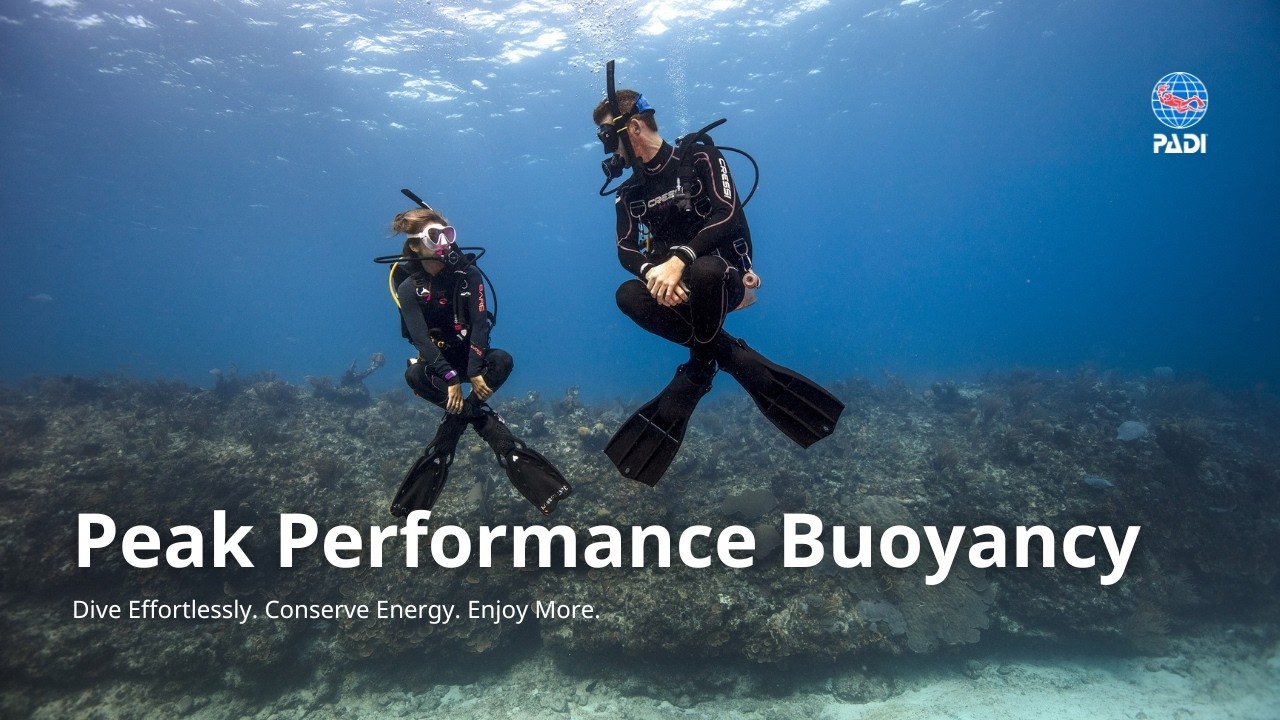
Practice Your Buoyancy
This is one of the most important things you can do to safely ascend and descend while scuba diving. Good buoyancy control helps you:
- Avoid damaging marine life, your gear or yourself
- Ascend slowly and steadily to reduce the risk of decompression illness
You learn basic techniques during the PADI Open Water Diver course, such as inflating or deflating your buoyancy control device (BCD) gradually or using your breath to make small buoyancy adjustments. If you’re ready to build on these skills, the PADI Peak Performance Buoyancy Specialty course is a great way to fine-tune your weighting, trim and buoyancy control.
Keep Breathing Normally
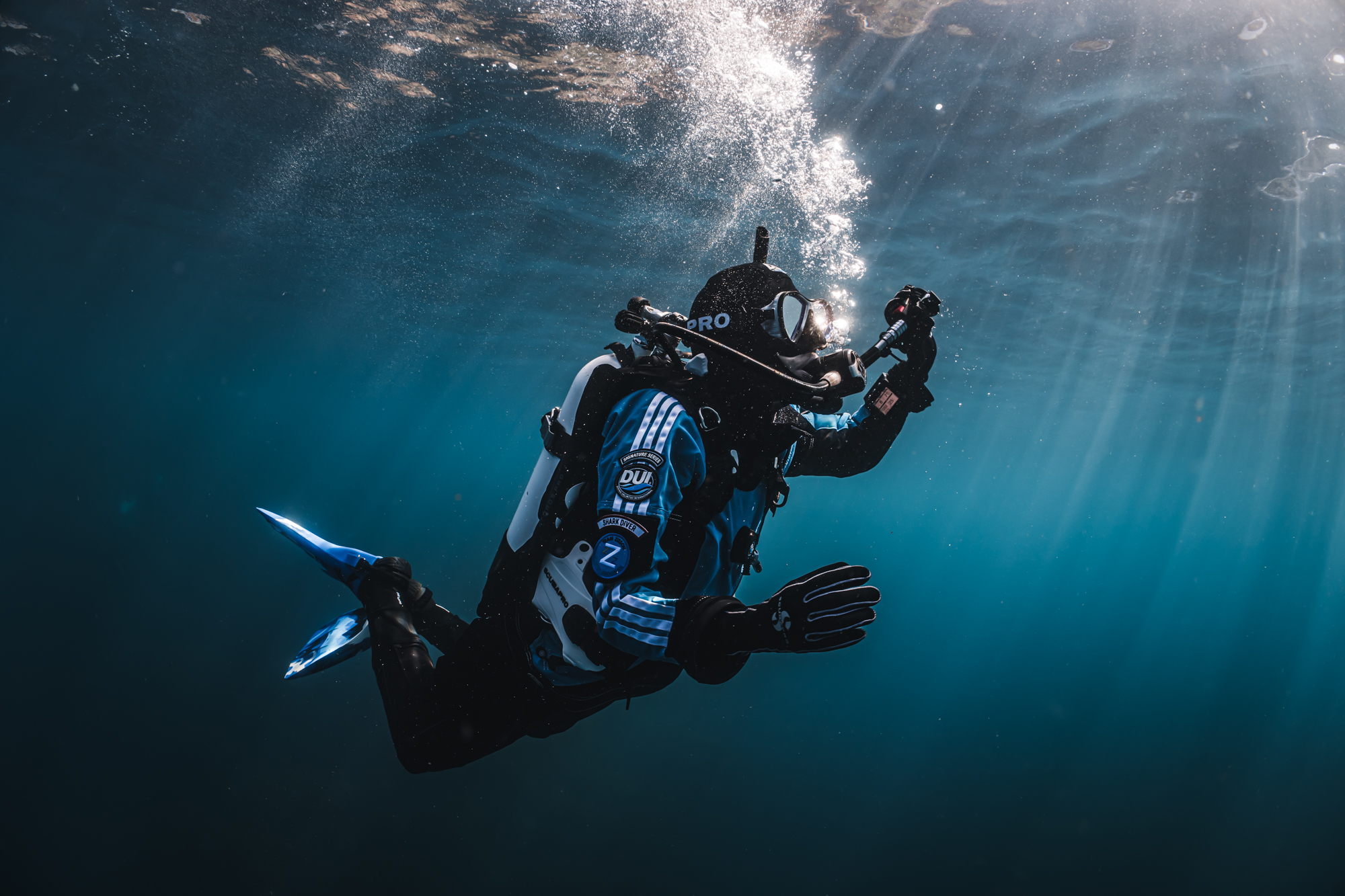
“Never hold your breath” is a golden rule throughout your dive – but even more so on your ascent. This is because the air inside your lungs expands as you get shallower (when pressure decreases). Continuing to breathe normally allows it to escape and helps prevent lung over-expansion injuries.
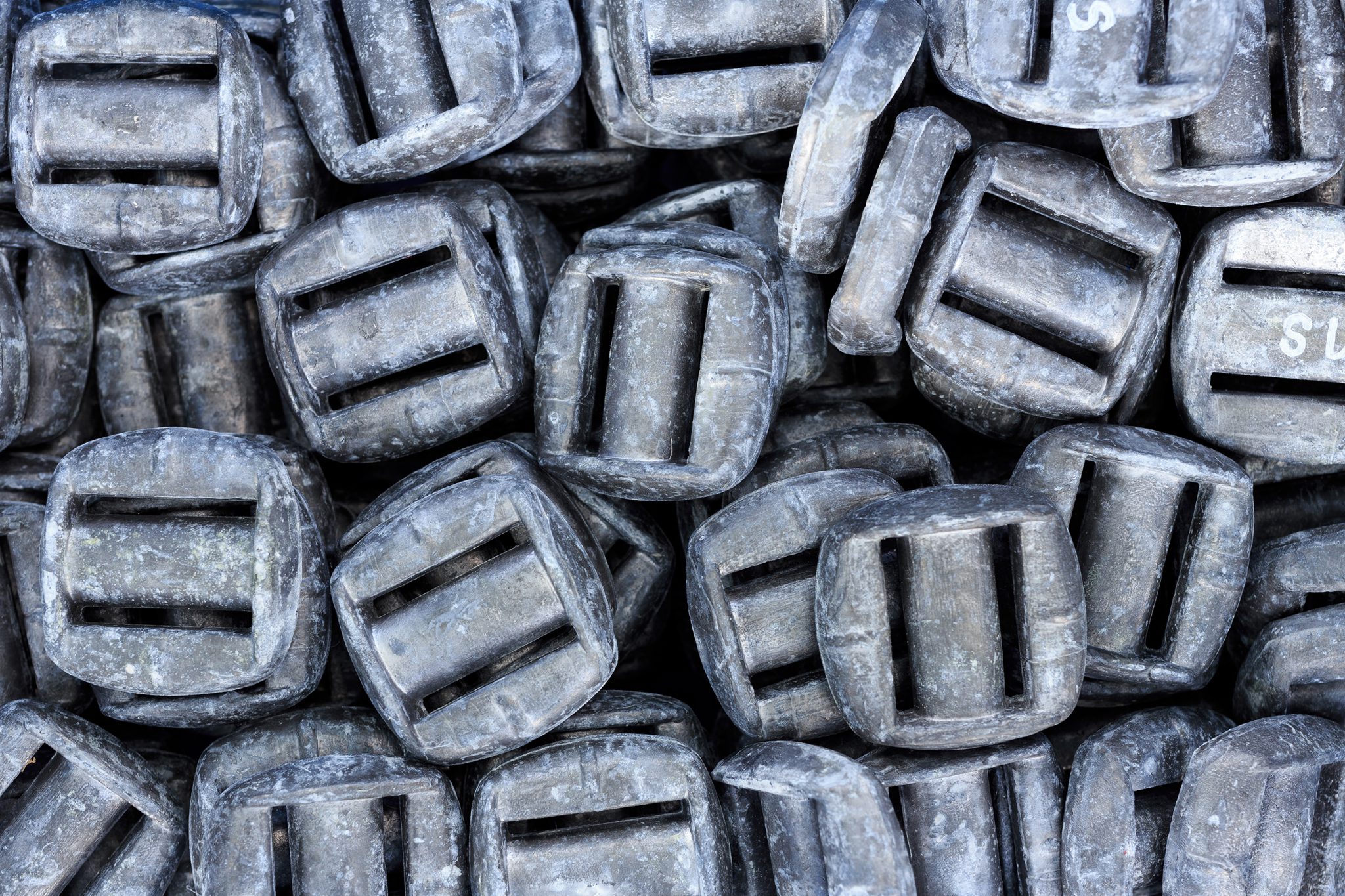
Check Your Weight
If you don’t have enough weight, you might struggle to descend or hold your position on the safety stop. On the other hand, being overweighted can make you sink too quickly – and that’s not good for you or the marine life.
What’s “just right” will vary depending on your body and the equipment you’re using. Your ideal weighting is also affected by whether you’re diving in the ocean or freshwater. Your logbook can give you a useful starting point, but do a proper weight check if anything has changed since your last dive.
Planning to dive in colder water? Swapping to a dry suit also changes your weight and buoyancy, so get suitable training before you jump in.
Relax and Take It Slow
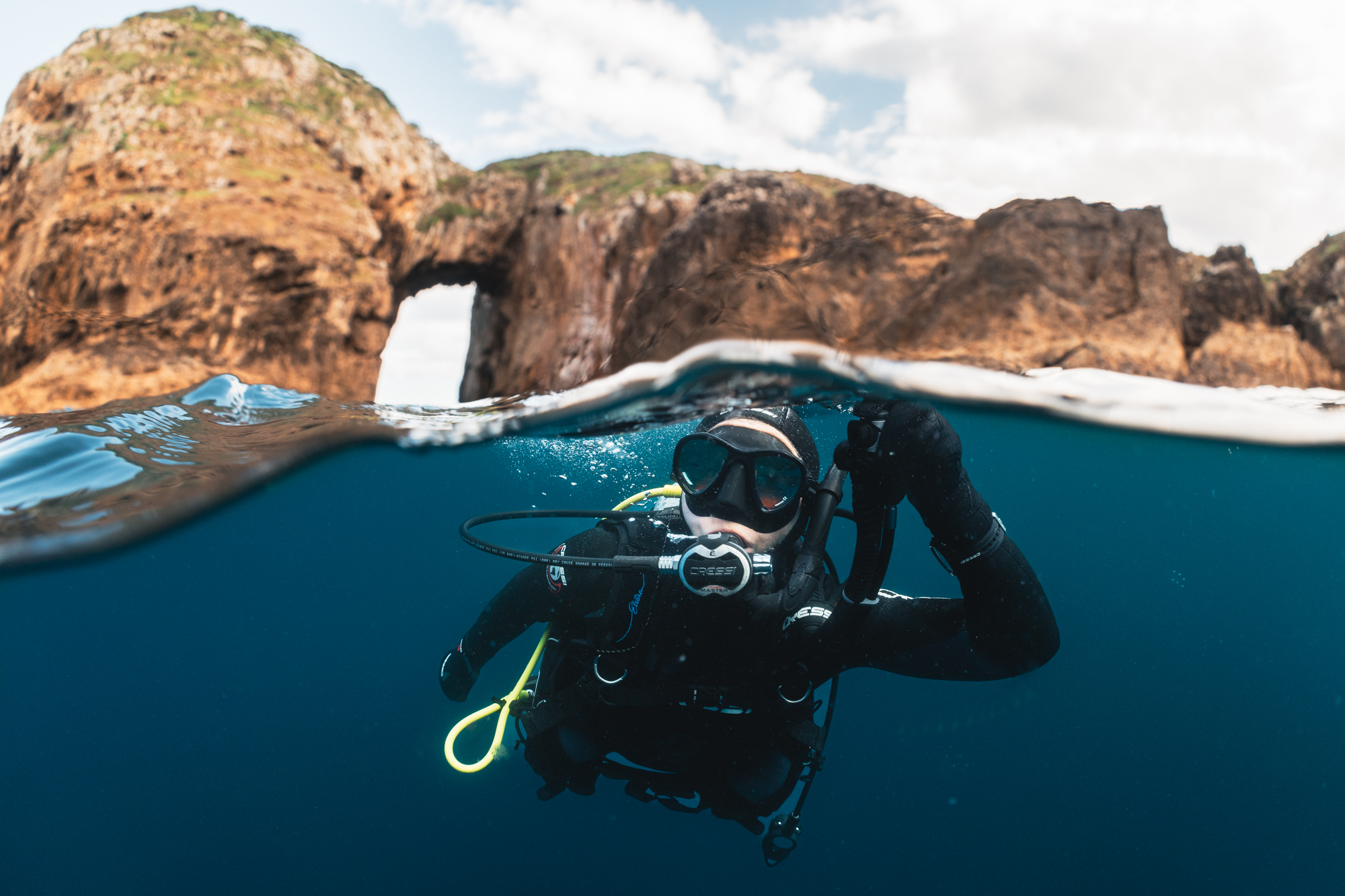
One of the common mistakes during a scuba descent is unnecessary movement. Instead, when you’re ready to start your dive, slowly deflate your BCD, stop kicking your fins and relax. Breathing out naturally helps you become less buoyant, making it easier to descend.
When ascending, be a SAFE Diver: Slowly Ascend From Every Dive at a rate of no faster than 18m/60ft per minute. Remember, the greatest pressure change is near the surface, so take things especially slow and steady during the last part of your dive.
Click to display the embedded YouTube video
Equalize Early and Often
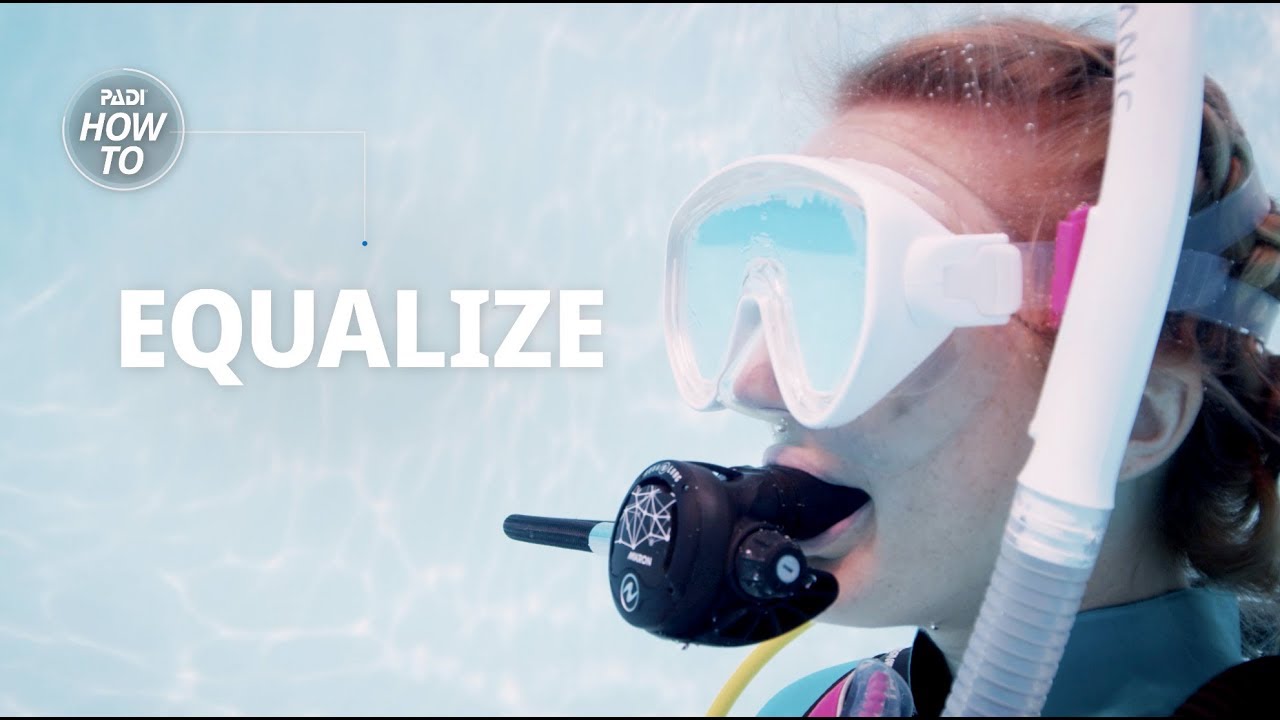
Equalizing while descending (or “clearing your ears”) helps prevent ear injury caused by increased pressure. It’s important to equalize early and often, as this makes the task easier than waiting until you feel discomfort.
Never force it: if you can’t equalize, try ascending slightly or try another technique.
Do Your Safety Stop
In recreational scuba diving, mandatory decompression stops aren’t typically needed; dive planning is based around no-decompression limits (NDLs).
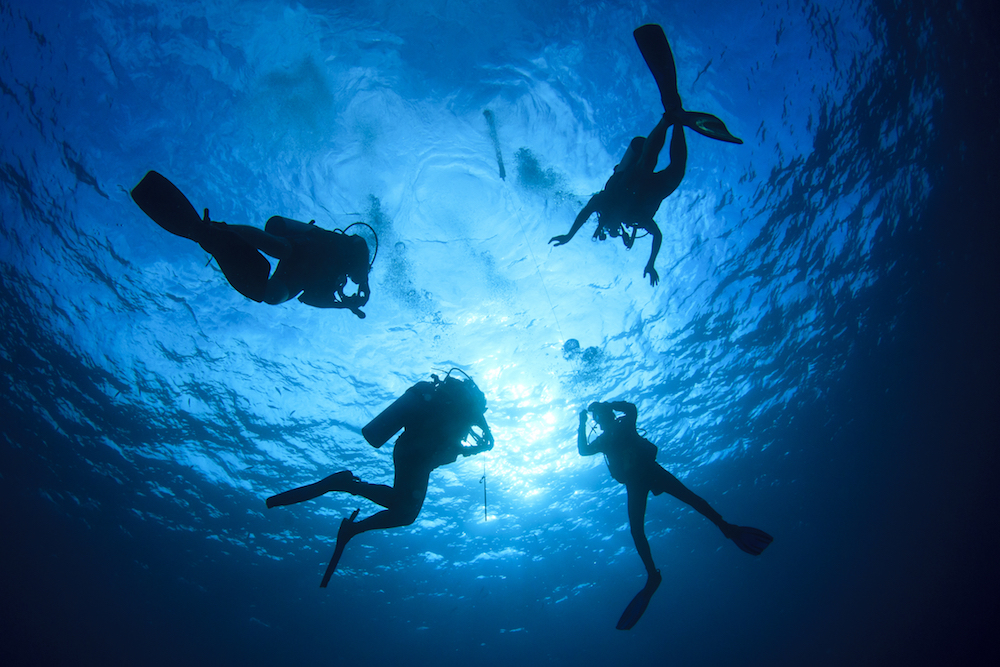
Still, it’s considered best practice to make a three-minute safety stop at around 5m/15ft as you approach the end of your dive. This allows your body extra time to off-gas and lets you assess your gear, buddy and surroundings before preparing for the final ascent.
Use a Line
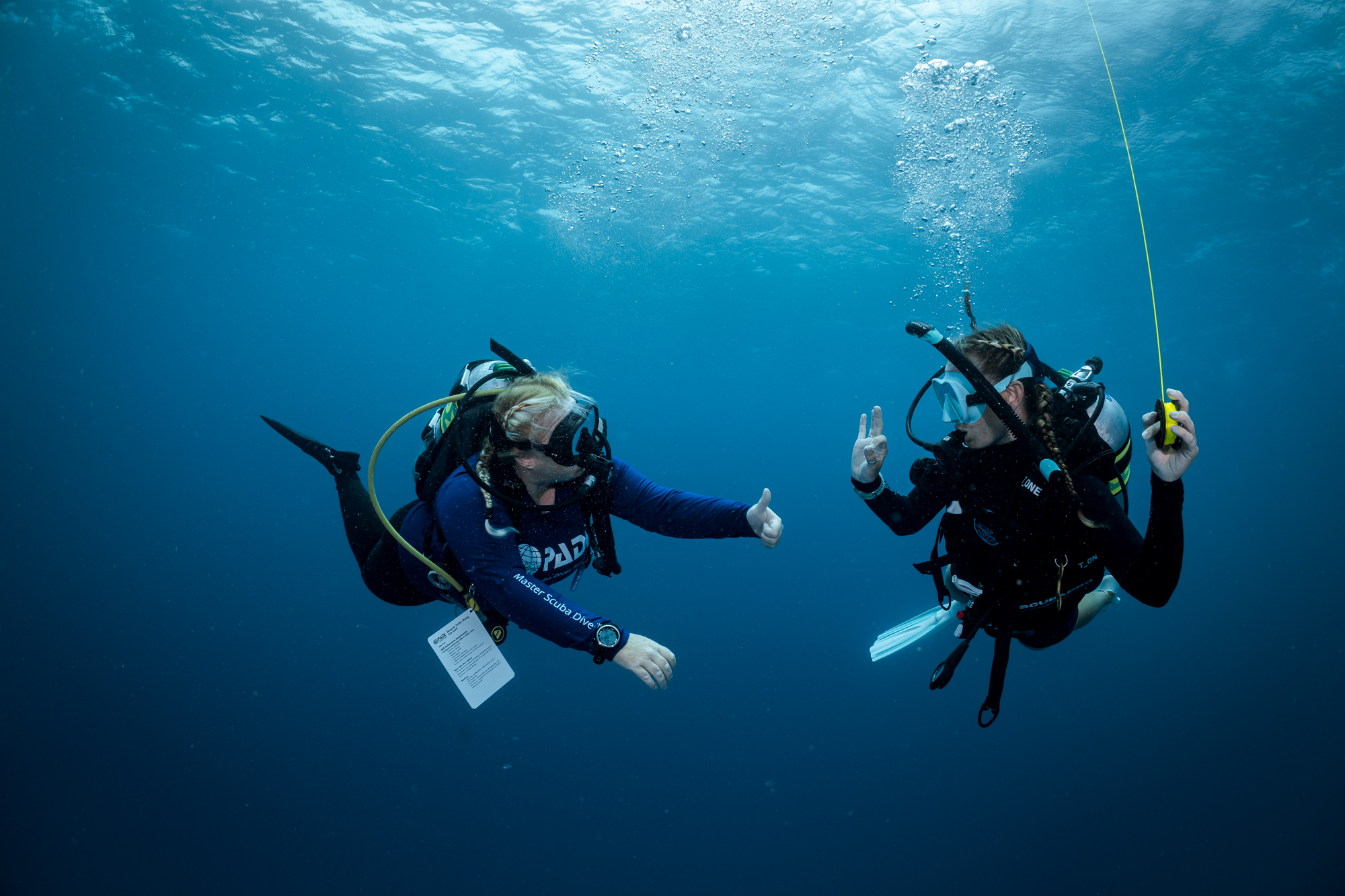
A scuba diving descent line (or shot line) marks the direct route to a fixed dive site such as a shipwreck. It can also be a handy reference point during your mid-water safety stop or when diving in poor visibility. If you’re still building confidence with your buoyancy skills, this can make your ascent and descent easier.
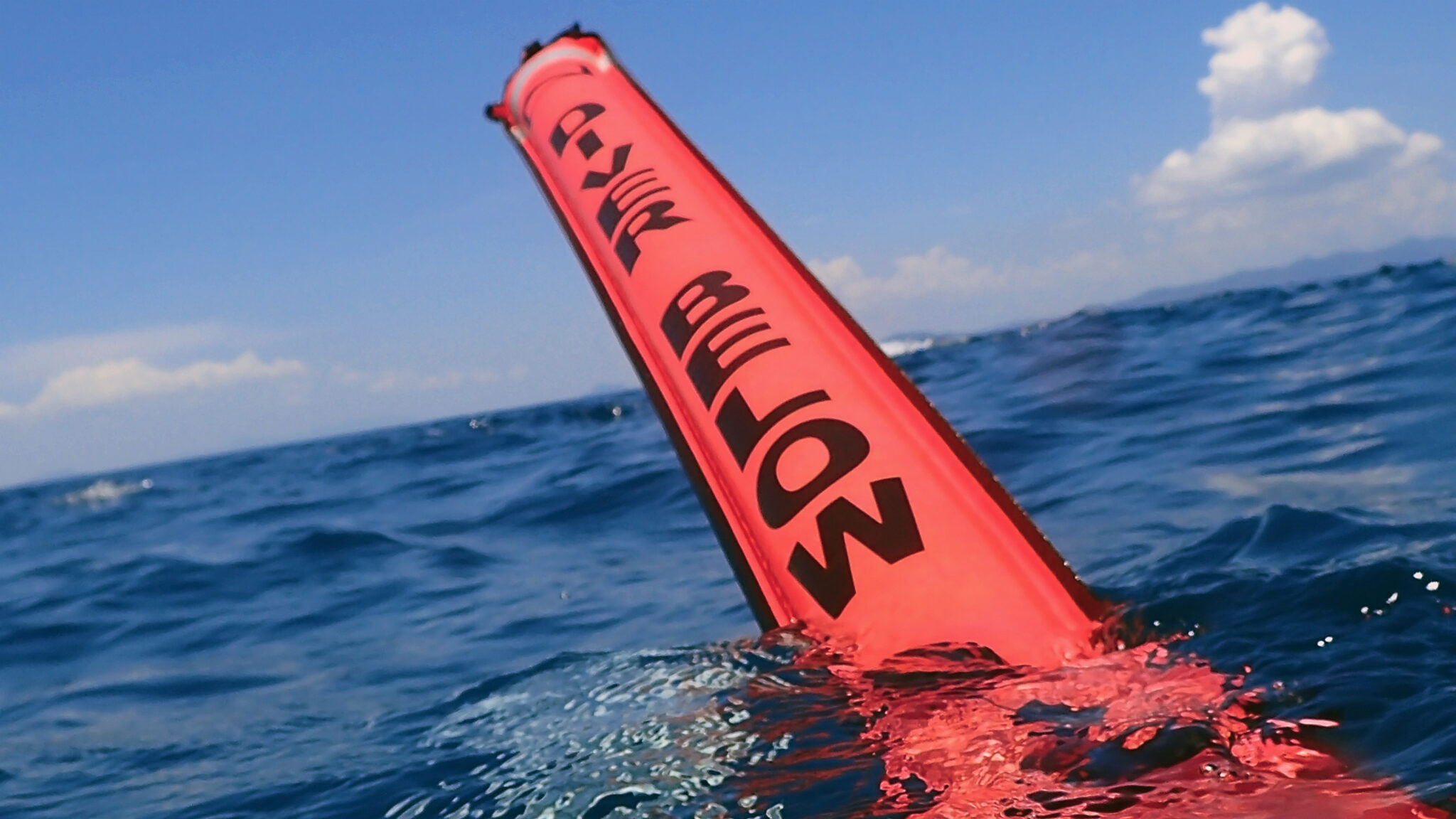
A (delayed) surface marker buoy (DSMB/SMB) can also offer a point of reference. More importantly, it lets other people on the surface – including boat traffic – know exactly where you are. This gives added visibility during drift dives or when ascending away from a fixed line. Do make sure you’re confident in how to use one, and ask your dive shop about any local diving procedures.
Stay Alert
We know it’s a big ask to turn your gaze away from dazzling reefs and dancing mantas. All the same, you’ll need to pay attention to a few other things while ascending and descending:
- Your dive computer, so you can monitor your depth, ascent rate and safety stop
- Your buddy – make sure they’re close by, and that everything’s okay
- What’s above and below you, so you can check your path is clear
Plan and Prepare
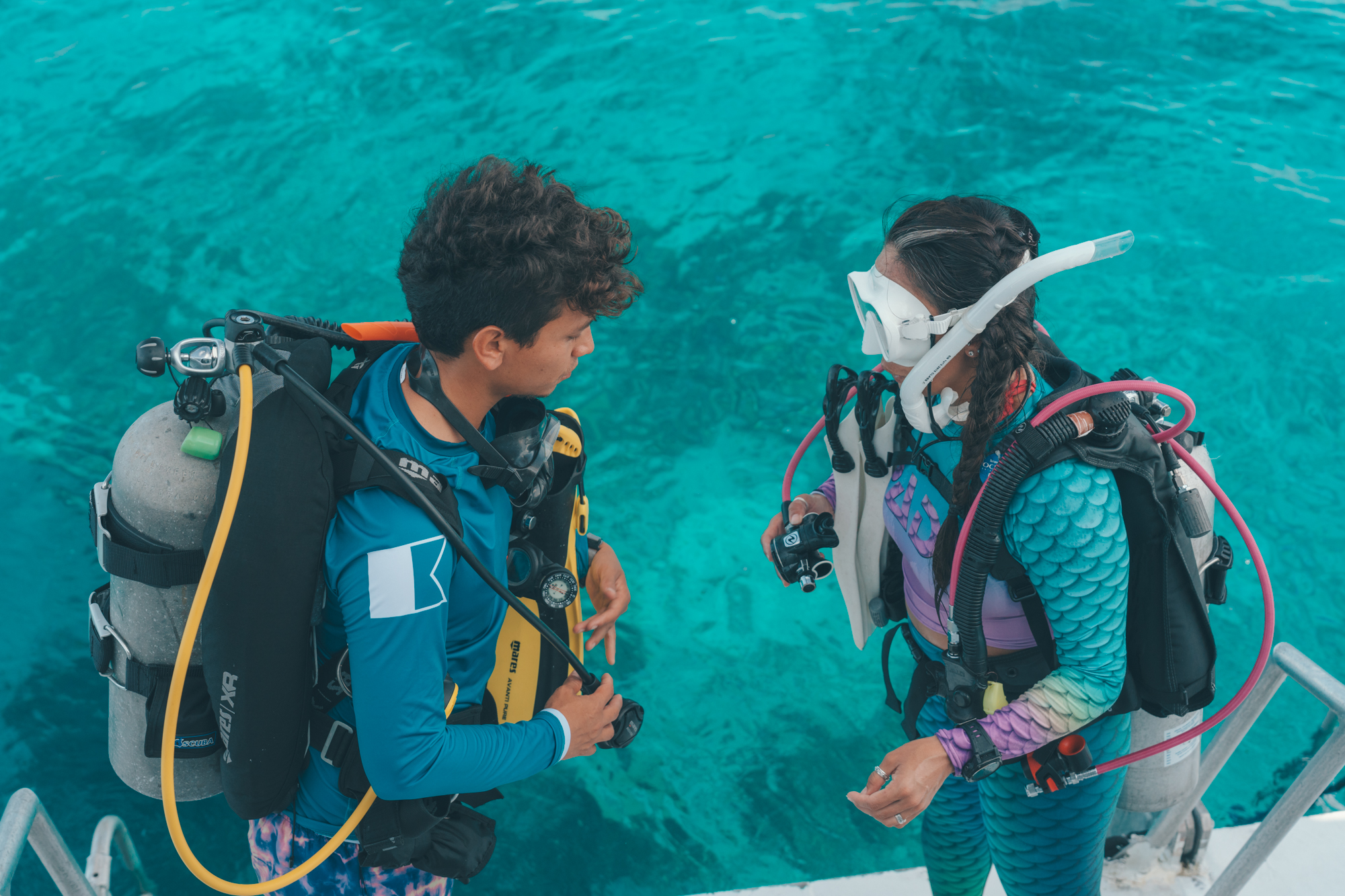
A buddy check also plays a part in being ready to ascend and descend in scuba diving. You’ll confirm that each other’s equipment works properly, your gas is turned on and recap your hand signals.
Make sure your dive plan allows enough time and gas to complete the dive, including your ascent and safety stop. Once underwater, stick to the plan. It might be tempting to take a few more photos of your favorite critter, but staying too long at the bottom could lead to a rushed ascent.

Remember Good Surface Habits
Good habits matter above the water, too. When preparing to ascend and descend in scuba diving, remember to:
- Keep your BCD inflated while on the surface
- Stay alert to what’s going on around you
- Carry at least one signaling device, such as a mirror or whistle
- Use clear hand signals to communicate with your shore or boat cover
Click to display the embedded YouTube video
Level Up Your Ascent and Descent Skills
If it’s been a while since your last dive, a scuba refresher is a great way to brush up on the basics. With PADI ReActivate® (free with a PADI Club membership), you’ll recap the procedures to ascend and descend in scuba diving, including:
- A five-point descent (S-O-R-T-E-D = Signal, Orientation, Regulator, Time, Elevate, Descend)
- A five-point ascent (S-T-E-L-A = Signal, Time, Elevate and Equalize, Look Up, Ascend)
Ready to continue your adventure? The PADI Advanced Open Water Diver course can help you sharpen your skills for ascents and descents, whether you’re diving deeper, trying a dry suit or diving at night.