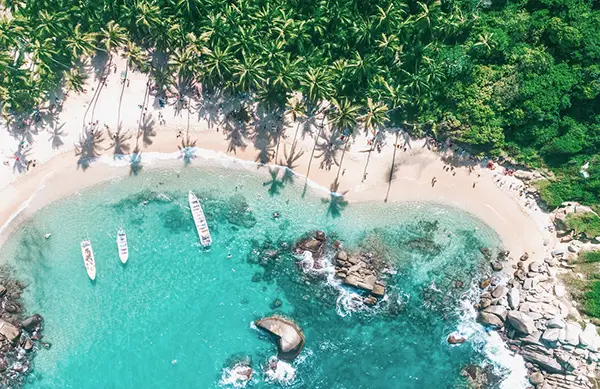
In some previous blogs, I’ve mentioned nature-deficit disorder (NDD), a term that describes how separation from nature harms us both mentally and physically. Author Richard Louv created the term in 2005 to start addressing how living in cities apart from the natural world affects all of us, with concerns related to children’s development.
Although not a formal medical condition, research into NDD is confirming Louv’s view. One study found that being in nature improves thinking and makes us more self-aware. Some activities, such as camping, show positive effects on aspects like self-confidence, self-esteem and relationships. Other studies have found that in nature, people tend to have lower heart rates, less anxiety and increased stress relief. Research has also found that being in nature correlates with better attention, elevated creativity, enhanced problem-solving and even greater generosity.
To prevent and deal with NDD, suggestions include:
- Get into nature regularly – daily if possible, with regular outdoor weekend activities.
- Replace screen time with in-nature time.
- Be creative while outdoors in nature.
- Make being in nature social by choosing activities you can do with other people, including as a family.
- Be environmentally aware by recycling, choosing sustainability and supporting conservation activities.
Northeastern University Neuroscientist Rachel Hopman suggests a “20-5-3 rule.” Get into nature for 20 minutes at least three times weekly, get into someplace a bit more in nature for five hours monthly, and get into nature for three days consecutively at least once each year.
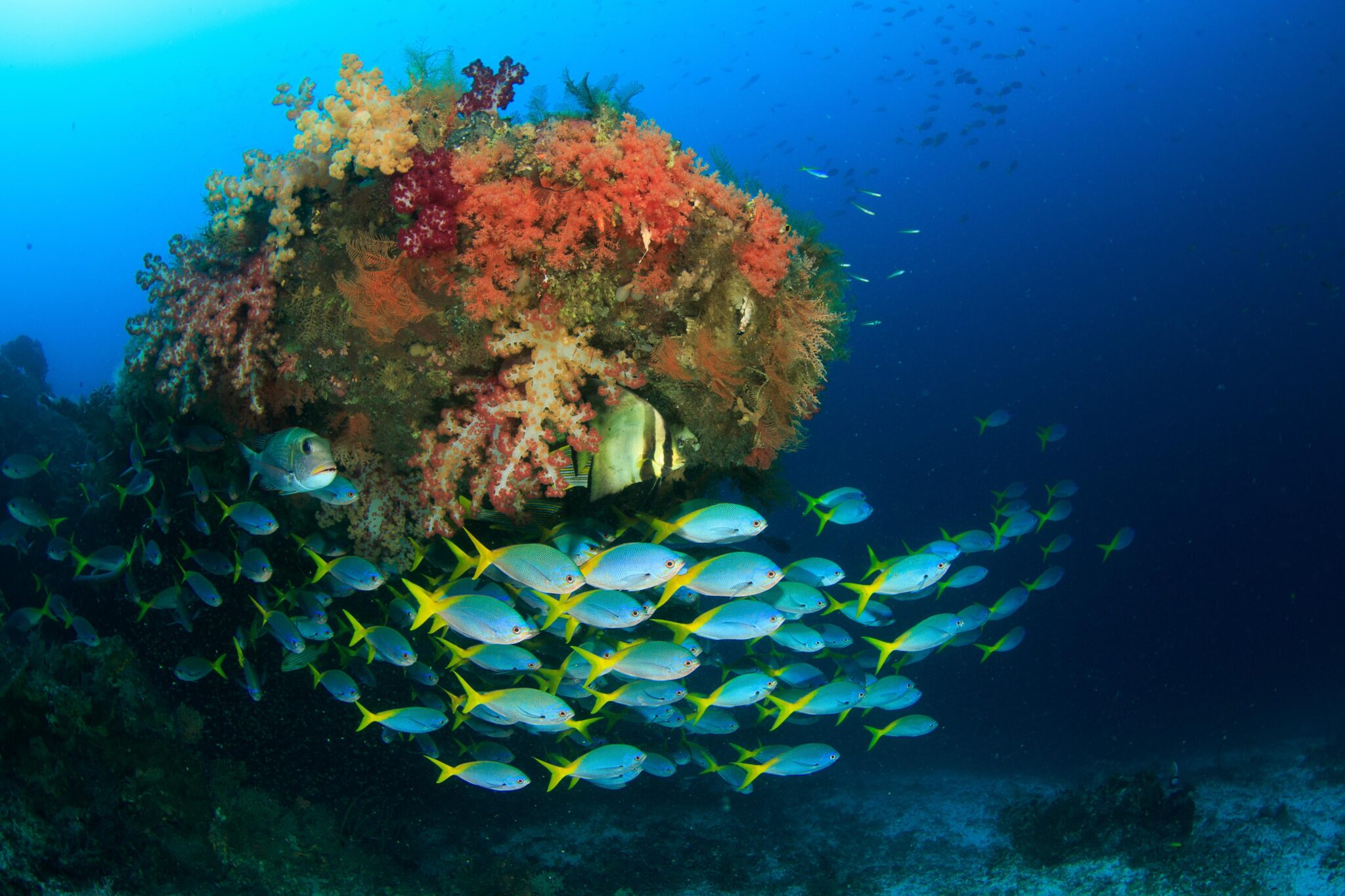
Diving fits these prescriptions well:
- Diving regularly, we can easily spend five hours monthly in nature, and an annual dive holiday covers the three days. For many of us, 20 minutes on weekdays is quite doable – by freediving if not scuba diving.
- Keep in mind that it’s not just while we’re underwater that diving takes us into nature. We’re on a boat on the water or shoreside – either way, usually in nature rather than in a city.
- Diving displaces screen time, with the exception of shooting pictures and video underwater – but that’s being creative amid nature, so no problem.
- Diving’s always social (we have a buddy), and it’s a great way to involve the kids to make it a family activity. Plus, again, it’s not just diving – it’s spending time on boats, waterside, picnicking and so on – all the outdoor activities that are part of going diving.
- As Ocean Torchbearers advocating for and protecting the seas by participating in our local PADI Dive Center or Resorts’ regular PADI AWARE® events, we’re environmentally conscious consumers who support conservation.
A final thought: Countering NDD is another one of diving’s healing powers. Considering that globally just over half of all people live in urban areas – as much as 80 percent in developed areas like the US – sharing diving can make a positive difference to a lot of people.
Seek adventure. Save the ocean.
Dr. Drew Richardson
PADI President & CEO