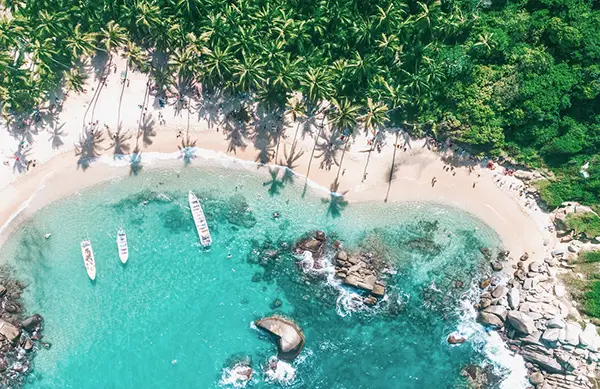
Where the warm East Australian Current meets cooler waters pushing up from the south, New South Wales (NSW) is one of Australia’s most rewarding places to dive.
That collision of currents, combined with the deep water at the edge of the continental shelf just offshore, means a single stretch of coast can serve up tropical reef fish, temperate sponge gardens, sharks, seahorses and century-old shipwrecks, often within the same day. With over 2000 kilometers (1250 miles) of coastline to explore, there’s a site here to suit every certification level.
A quick overview of what’s ahead:
- Warm, tropical diving up north around Byron Bay and Tweed Heads
- Wreck and shark diving around Sydney and the central coast
- Cave diving and grey nurse shark encounters on the south coast
- The world’s southernmost coral reefs at remote Lord Howe Island
Ready to plan your PADI Open Water Diver course or your next certified dive trip? Find a PADI Dive Shop in NSW to get started.
Far North Coast
Home to numerous amazing dive sites, the Far North Coast is blessed with beautiful weather and tropical warm currents. One of the highlights of this region is the Nguthungulli Julian Rocks Nature Reserve near Byron Bay, part of the Cape Byron Marine Park and rated by many as one of Australia’s top diving destinations.
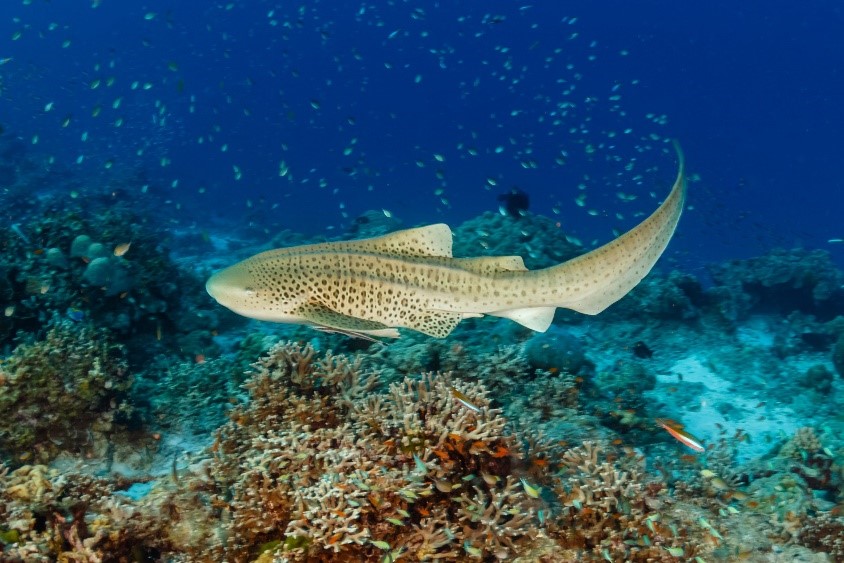
The sanctuary zone is home to over 1,000 marine species, including seasonal leopard shark aggregations, manta rays, sea turtles and wobbegong sharks, thanks to the confluence of the East Australian Current’s warm water with cooler currents from the south.
Cook Island off Tweed Heads is another highlight of the Far North Coast and has a range of unique and diverse species in this protected marine reserve. Diving in these regions means discovering an abundance of marine life, thanks to the mixing of warmer currents and cooler temperate waters.
Mid North Coast
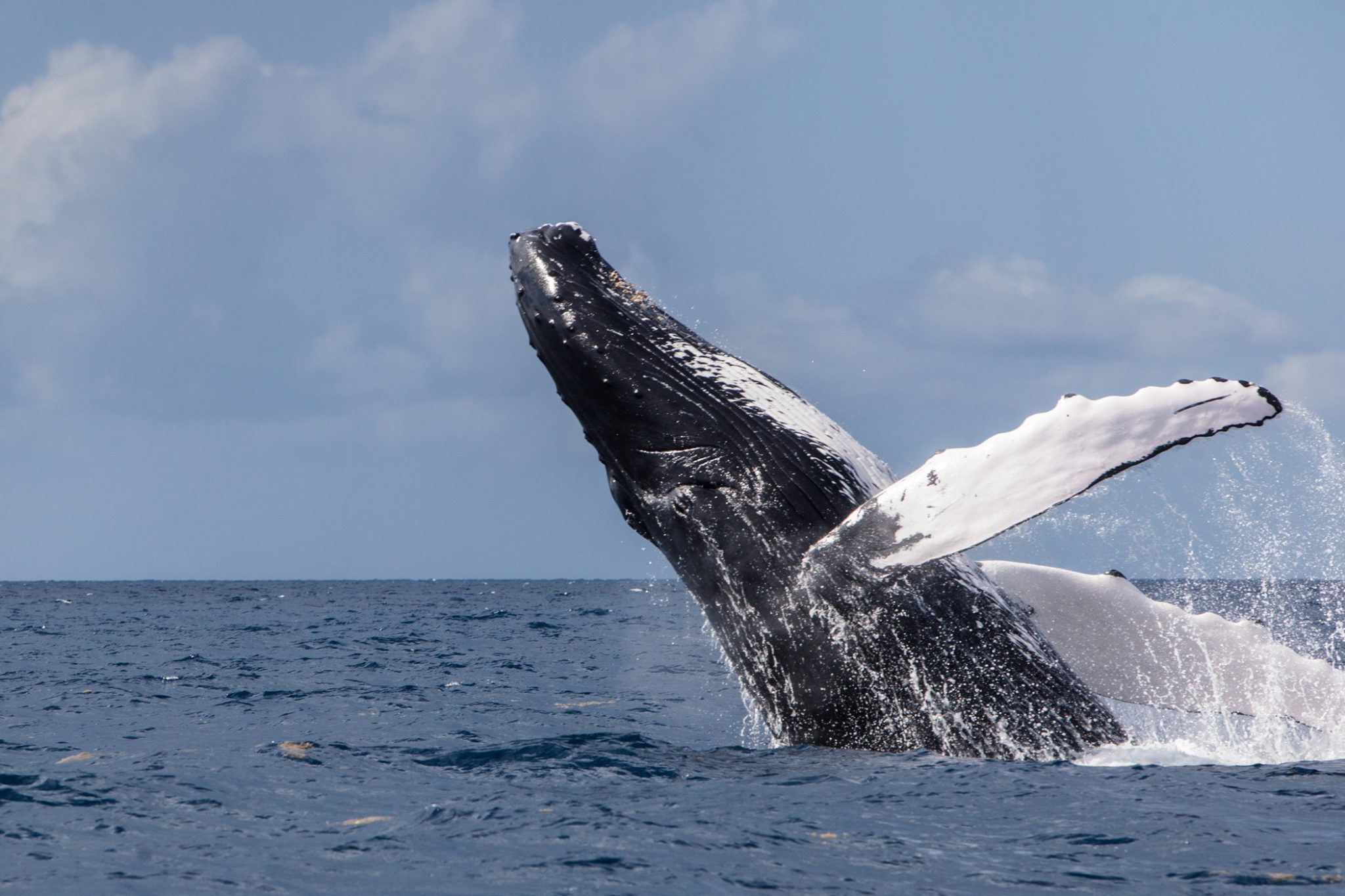
Just north of Coffs Harbour is the Solitary Islands Marine Park, with over 25 dive sites to explore and a unique blend of both warm water and temperate water marine life, depending on the season. South West Rocks is also a well-known dive location loved by many divers, with Fish Rock Cave and the marine life that surrounds it a firm favorite. The chance to dive alongside grey nurse sharks is popular in both locations, and humpback whales frequent these waters during their migration season.
Mid Coast & Newcastle
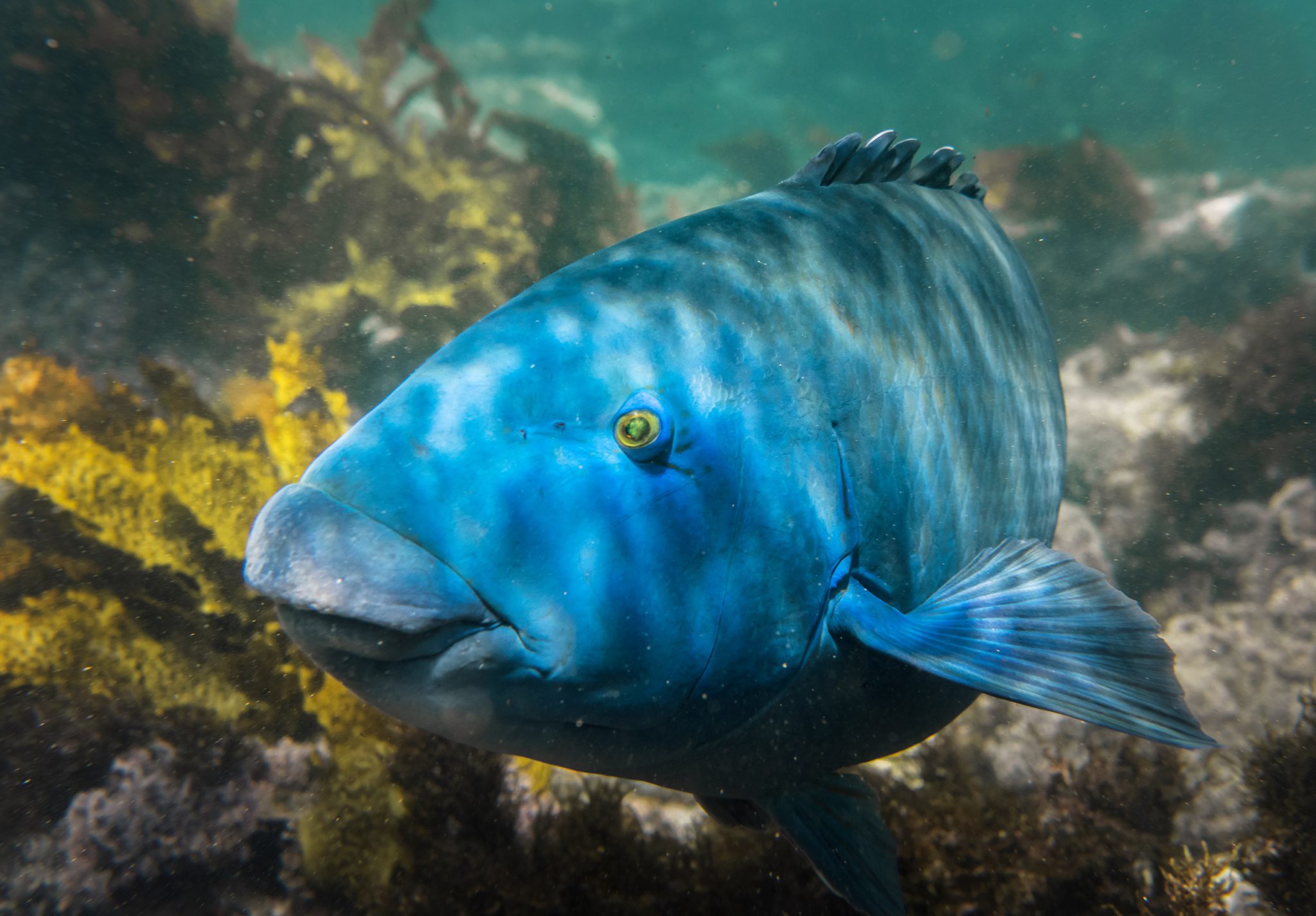
This stunning region offers several great dive destinations, including the Port Stephens area, easily accessed from Forster, Nelson Bay and Newcastle. The Great Lakes Marine Park teems with marine life, and popular sites include Halifax, Fly Point and The Pipeline.
Sydney
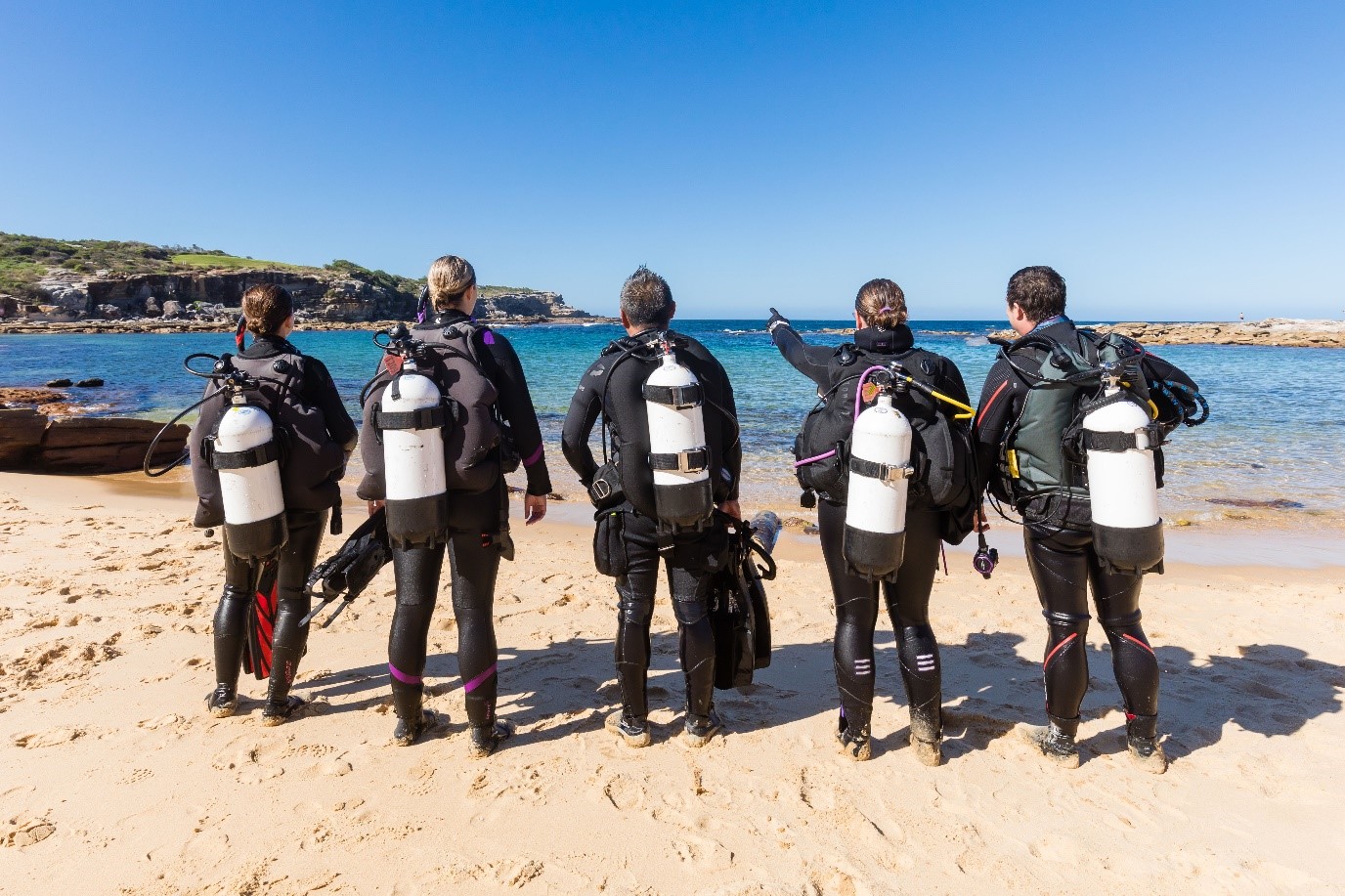
For a major city, Sydney has some exceptional and world-class diving. Popular sites include Bare Island, Camp Cove and Shelly Beach, among many others that offer divers unforgettable experiences. At most sites across Sydney, you can expect to see rays, gropers, countless fish species and much more.
Several shark species also frequent the different dive sites across Sydney, including Port Jackson sharks and grey nurse sharks, while seahorses and weedy sea dragons can be spotted at several sites, too. From calm, easy sites for less experienced divers through to more challenging dives for the experienced, Sydney has something for every certification level. Plus, as a major city, PADI Dive Shops in Sydney carry an extensive range of the latest diving equipment at competitive prices.
A quick note on the Ex-HMAS Adelaide: This scuttled warship off Avoca Beach, near Terrigal, was previously one of NSW’s best-known artificial reef dives. It’s currently closed to divers.
Storm damage in 2024 caused significant structural deterioration, including the collapse of sections of the aluminium superstructure, and NSW Crown Lands confirms the site remains closed while it assesses next steps. Divers shouldn’t attempt to access the wreck until an official reopening is announced. We recommend checking with Sydney’s local Central Coast dive operators for the latest status before planning a trip.
South Coast
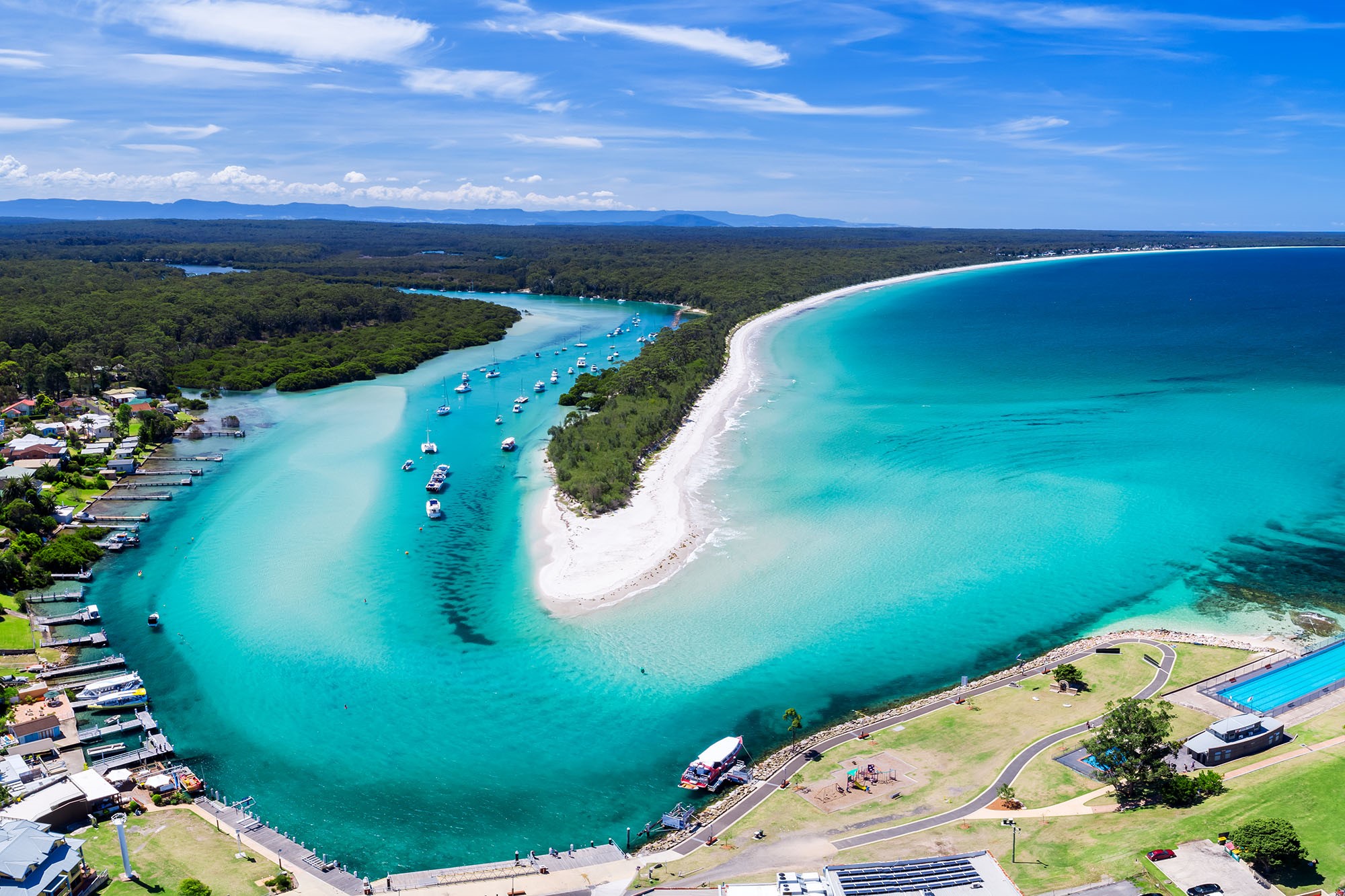
The South Coast of NSW is a favorite destination for many divers when visiting the state. The area around Wollongong & Shellharbour is home to a number of great sites, including Bass Island and Toothbrush Island, where you can expect to see cuttlefish, rays and gropers. Jervis Bay is also a must-dive destination on the South Coast, with over 30 sites to explore — the best known is The Docks, which offers excellent cavern diving teeming with marine life.
Brush Island, just south of Ulladulla, is regarded by many as an excellent destination for experienced divers. Further south, Bateman’s Bay and the surrounding regions present divers with diverse sites, including Black Rock, accessible by boat. Multiple sites near Narooma and Merimbula in the far south round out the region before you hit the Victorian border.
The South Coast is also one of the best places in the state to encounter grey nurse sharks, and there’s encouraging news on that front: a 2025 study by CSIRO and the NSW Department of Primary Industries and Regional Development found the east coast population has been growing by around 5% a year since 2017 – a sign that habitat protection along this coastline is working. The species remains critically endangered, so give them plenty of space and follow your dive guide’s lead if you’re lucky enough to spot one.
Lord Howe Island
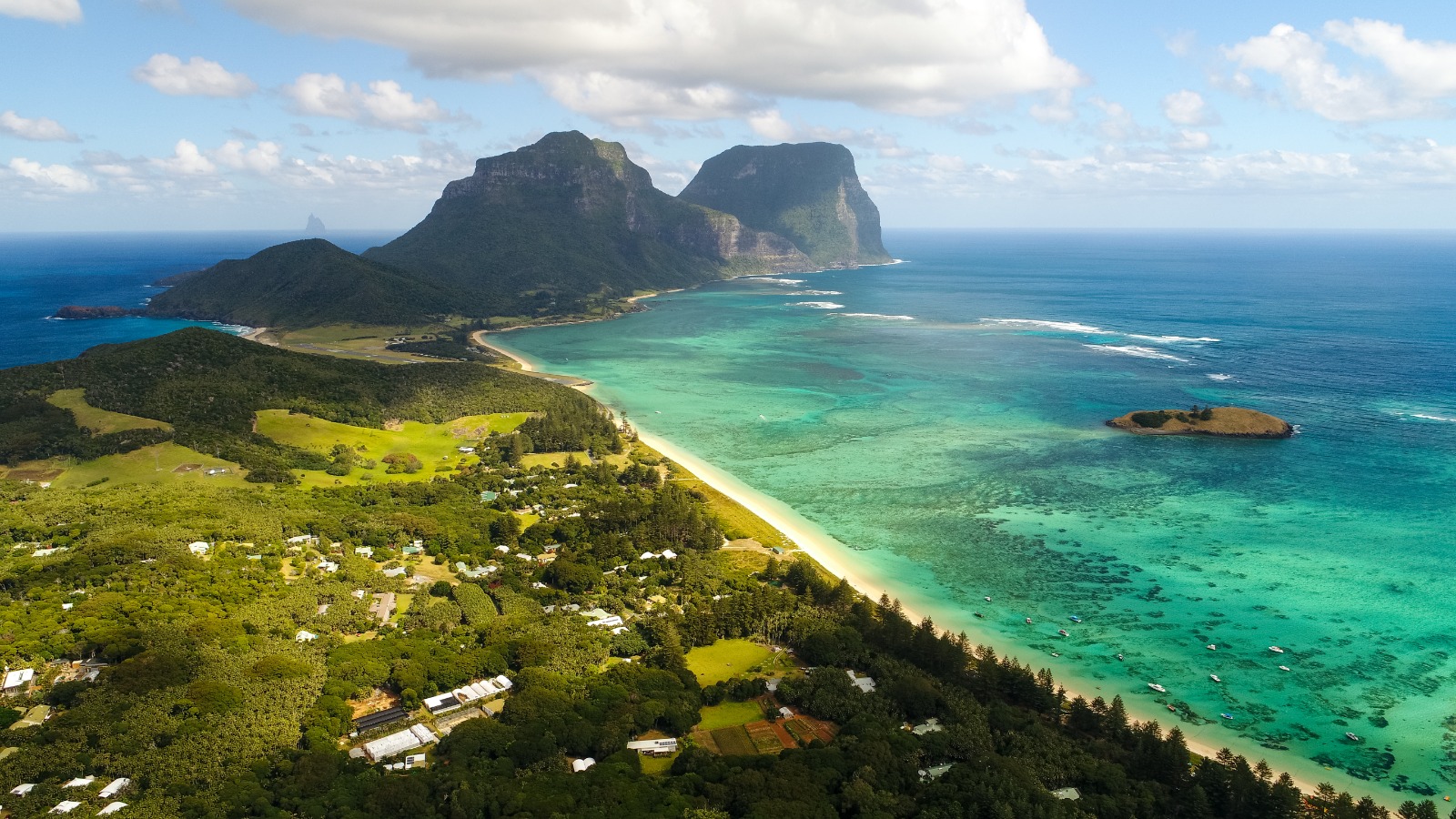
Lord Howe Island, 700 kilometers (435 miles) east of NSW, features the world’s southernmost colonies of coral reefs. The island has over 60 dive sites to explore, including the world’s tallest sea stack, Ball’s Pyramid, suitable for experienced divers only given its exposed conditions and depth.
Turtles, sharks and dolphins are just some of the marine life that call Lord Howe Island home, alongside over 90 species of coral and more than 500 species of fish — many found nowhere else on Earth thanks to the island’s isolation and the mixing of subtropical and temperate waters. Its UNESCO World Heritage status means access is carefully managed, so book well in advance if it’s on your list.
Best Time To Dive New South Wales
Conditions vary a lot across such a long coastline, so timing depends on what you’re chasing
- Winter (June–August): Peak season for humpback whale migration along the whole coast, plus the best visibility at Julian Rocks and cooler-water species further south.
- Spring/Early Summer (September–November): Grey nurse sharks aggregate at sites like Fish Rock Cave and along the South Coast, and manta ray sightings pick up in the north.
- Summer (December–February): Warmest water temperatures and the best conditions for beginners, particularly around Sydney and the Mid North Coast.
- Autumn (March–May): Generally the calmest seas and clearest visibility state-wide, making it a favorite among experienced local divers.
With semi-tropical waters in the state’s north and cooler, temperate waters in the southernmost regions, the reefs, wrecks and beaches of NSW include many of Australia’s finest diving destinations.
So what are you waiting for? It’s time to find a PADI Dive Shop in NSW and start experiencing the beauty of the underwater world here.