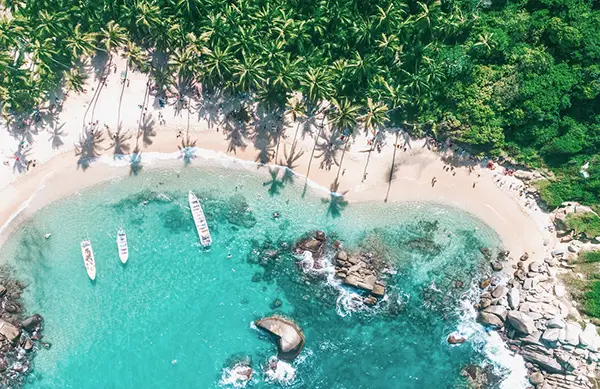
Jervis Bay is famous for its pristine coastal wilderness. Located just two hour’s drive south of Sydney, the area offers clear temperate waters, dramatic rocky reefs and rich marine biodiversity.
Marine Life of Jervis Bay
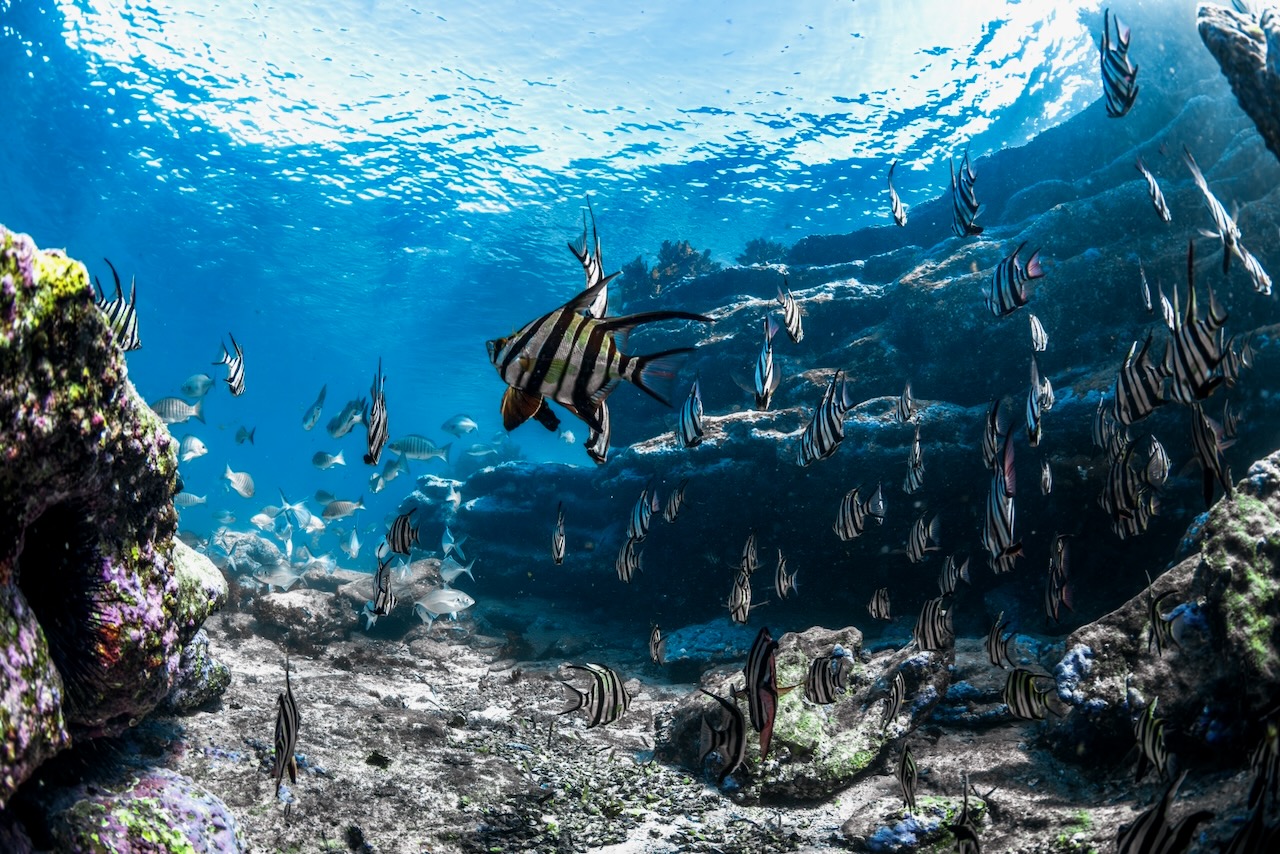
This must-visit dive location boasts over 60 dive sites to explore with many of these dive sites protected by the Jervis Bay Marine Park. There is a vast array of unique marine life, including wobbegong sharks, grey nurse sharks, bull rays, octopus, dolphins and cuttlefish.
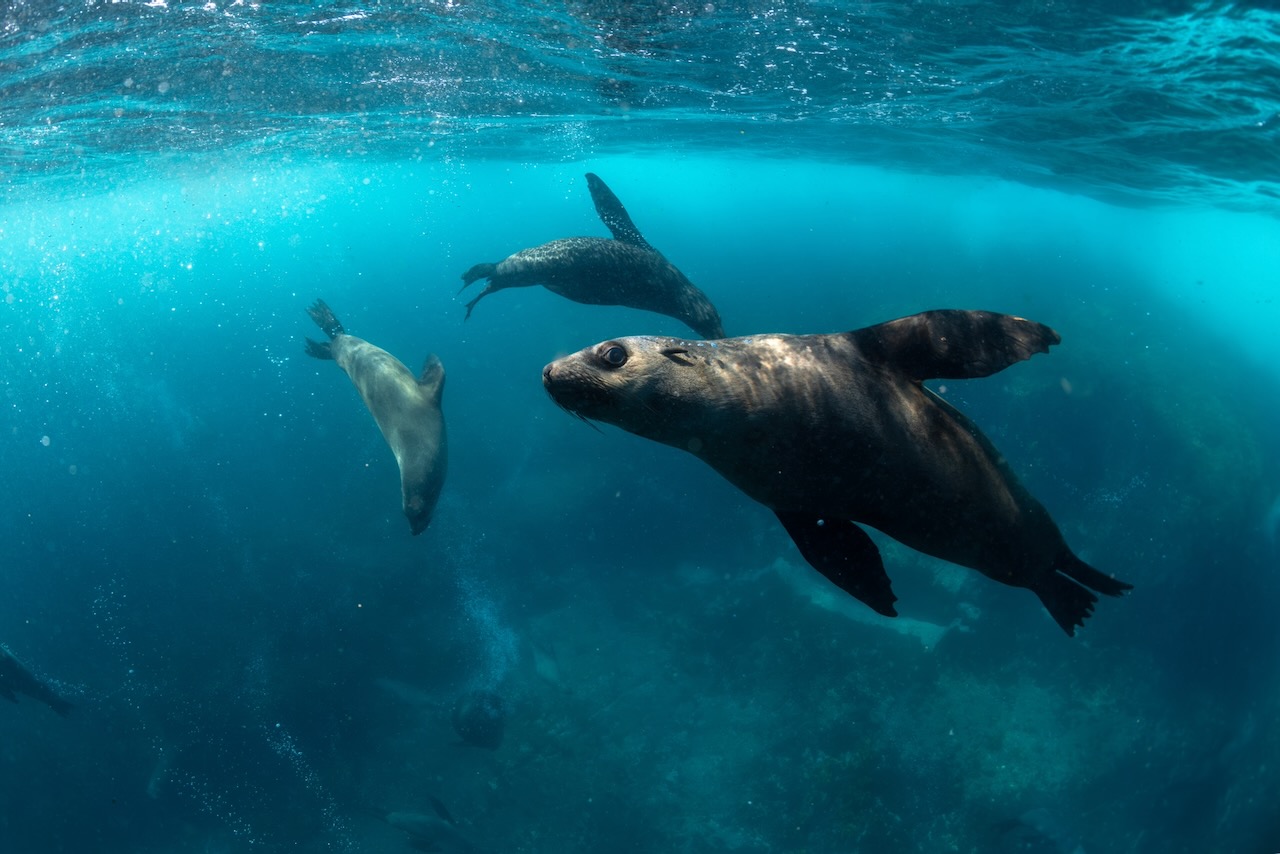
Seasonal diving with Australian Fur Seals (April to November) is another reason that Jervis Bay has gained a reputation as a top dive destination of Australia. These playful creatures are extremely inquisitive and enjoy mimicking divers as they explore the many sites. Encounters with these cute creatures is a memory that will stay with you forever.
From May to November, humpback whales also grace Jervis Bay with their presence. These giants of the sea can be heard underwater or seen during surface intervals and travel to and from dive sites.
Featured Dive Sites
- The Docks – This dive site has a great mix of kelp beds, boulders, swim-throughs and small caverns. It is also teeming with marine life such as Bleeker’s devil fish, eastern blue gropers, weedy sea dragons and the elusive Red Indian fish. The site depth ranges from around six to 20 meters (20 to 65 feet).
- Point Perpendicular – This dive site is actually made up of a few different sites and home to a great range of marine life. There are a number of good swim-throughs on many of these sites and an abundance of fish which call the smooth boulders home. The site depth ranges from around six to 35 meters (20 to 115 feet).
- SS Wandra Wreck – Jervis Bay also offers a taste of wreck diving, and this broken up wooden ship is an excellent dive site to explore. An array of marine life lives here, including the colorful blue dragon nudibranch. The site depth is around 28 meters (90 feet).
The Best Time To Dive in Jervis Bay
While diving is possible year-round in Jervis Bay, the best time to dive is during the southern hemisphere’s summer months, from October to May. Water temperatures during this time range from 17-22°C (63-72°F). Later in the season, as autumn approaches, marine life encounters increase, meaning divers living in Sydney like to wait until March to May to plan their trips to the area.
Shore Diving or Boat Diving?
Both shore diving and boat diving are available in Jervis Bay, but the area is more known for its shore dives. Huskisson, Vincentia, Plantation Point and Murray’s Beach all boast relatively easy shore entries.
Boat diving is more common for sites farther out around the bay entrance and offshore.
What Certification Is Needed To Dive in Jervis Bay
There are dive sites for all levels in Jervis Bay. The minimum required certification for fun dives is an Open Water Diver certification. However, if you’re not yet a certified diver, you can sign up for a Discover Scuba® Diving experience to get a taste for exploring this amazing underwater environment. If you love it, why not continue and become a certified diver during your stay?
Topside Jervis Bay Activities
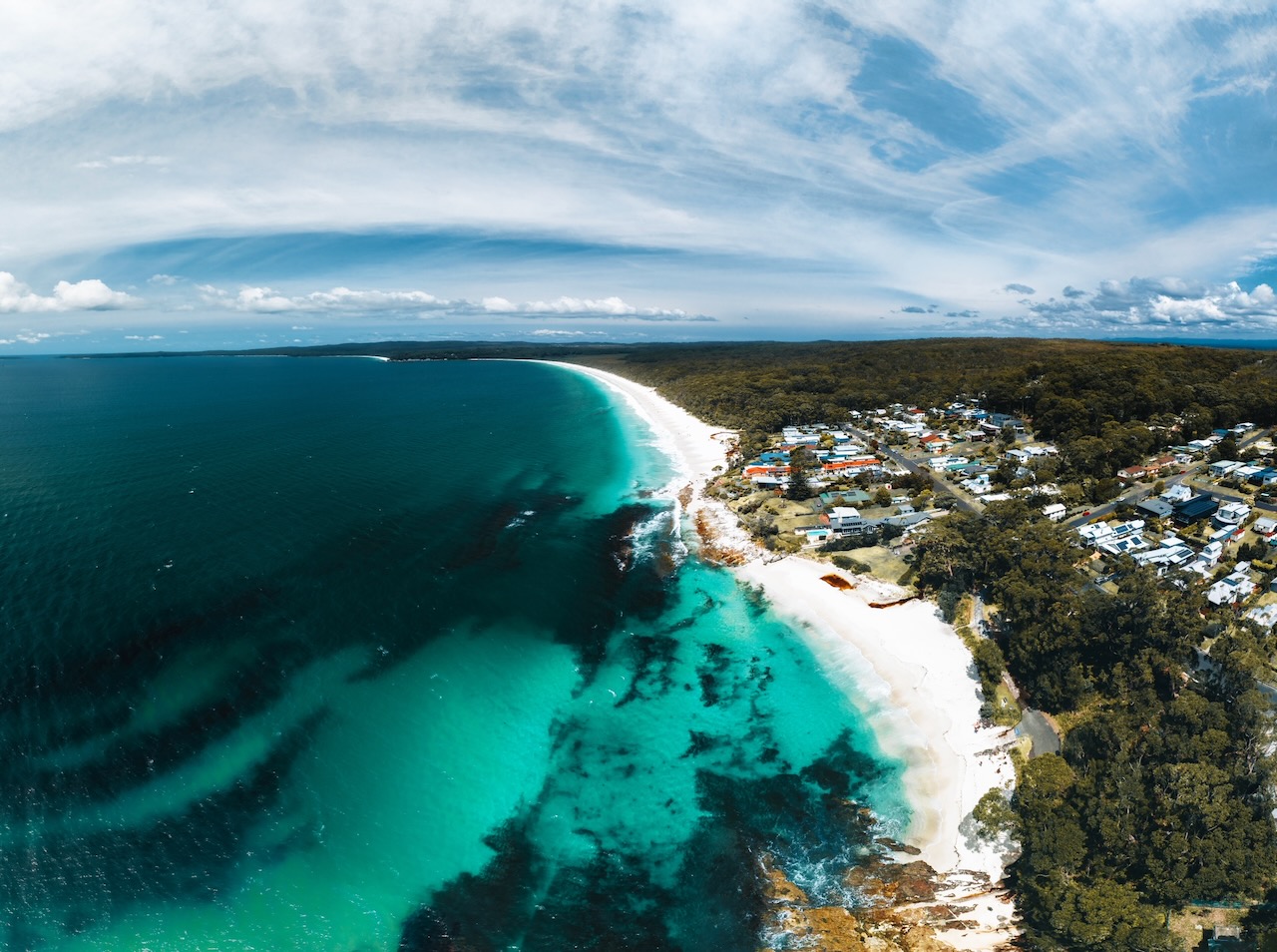
Above the surface, you will be spoilt by the natural beauty of the area. The national park wraps itself around Jervis Bay, St Georges Basin and the ocean. You have to see the white sand of beaches like Hyams and Murrays to believe it. It’s some of the whitest in Australia.
You can explore a number of stunning walks, while kangaroos regularly roam the national park and surrounding beaches. A great range of accommodation is on offer, ranging from camping through to luxury houses to rent.
Jervis Bay is a great place to dive, whether you’re looking to learn or an experienced diver looking for world-class diving close to Sydney.
Want to know more about diving in Jervis Bay or book a dive? Contact a PADI Dive Shop and let them show you this piece of paradise!