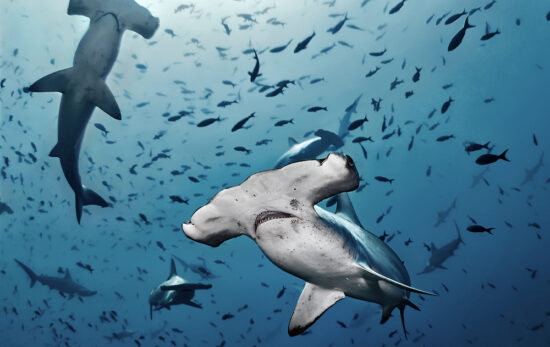
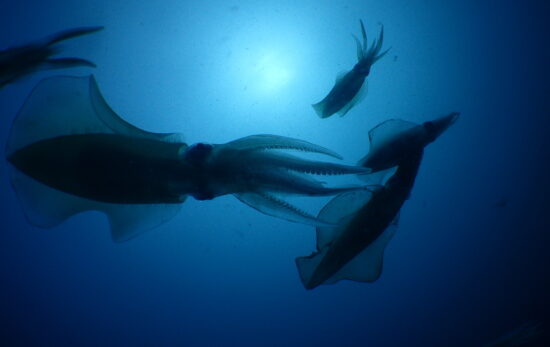
Japan, surrounded by the sea on all sides, offers an incredible variety of diving destinations, each with its own unique character. Some of the most fascinating sites are even close enough from Japan’s major cities for an easy day trip. This time, we’re highlighting the Kii Peninsula, one of the country’s largest peninsulas and a long-standing favorite among Kansai divers.
Diving spots are scattered all around the peninsula. Thanks to the Kuroshio Current flowing along its southern coast, the western and southern sides enjoy a tropical atmosphere with table corals and abundant reef fish, while the eastern side features colorful soft coral gardens and a more temperate feel. Both shore and boat diving are popular here, making the area accessible and enjoyable for divers of all experience levels.
Shirasaki
Located in Yura Town, just about an hour’s drive from Osaka, Shirasaki is often called “the Aegean Sea of Japan” for its striking white limestone cliffs and cobalt-blue waters. This scenic coastal area has long been a popular getaway. Although it once suffered significant damage from typhoons, it has since made a remarkable recovery and is once again home to tropical fish and vibrant marine life.
As the first public diving area in Wakayama, Shirasaki operates exclusively through local dive shops. Thanks to its easy access from the Kansai region, it has become a beloved destination for both beginners and experienced divers. Seasonal highlights include the beach site Shakushi-no-hama and the boat site Shirasaki Underwater Cave, which attract many visitors during their limited opening periods.
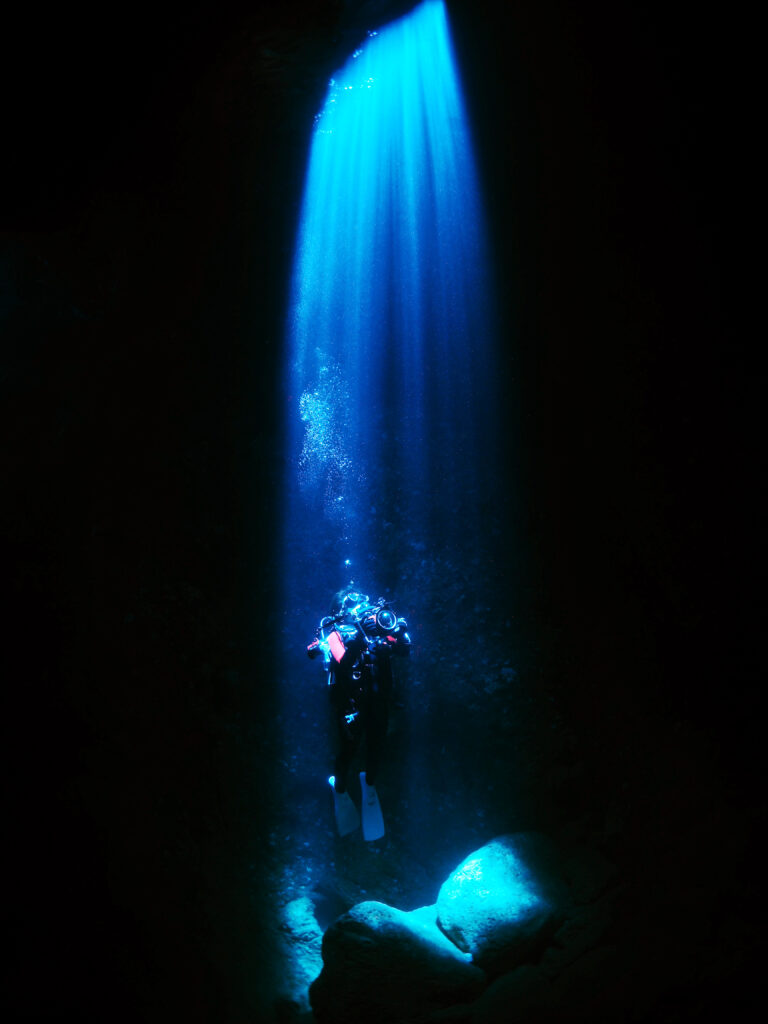
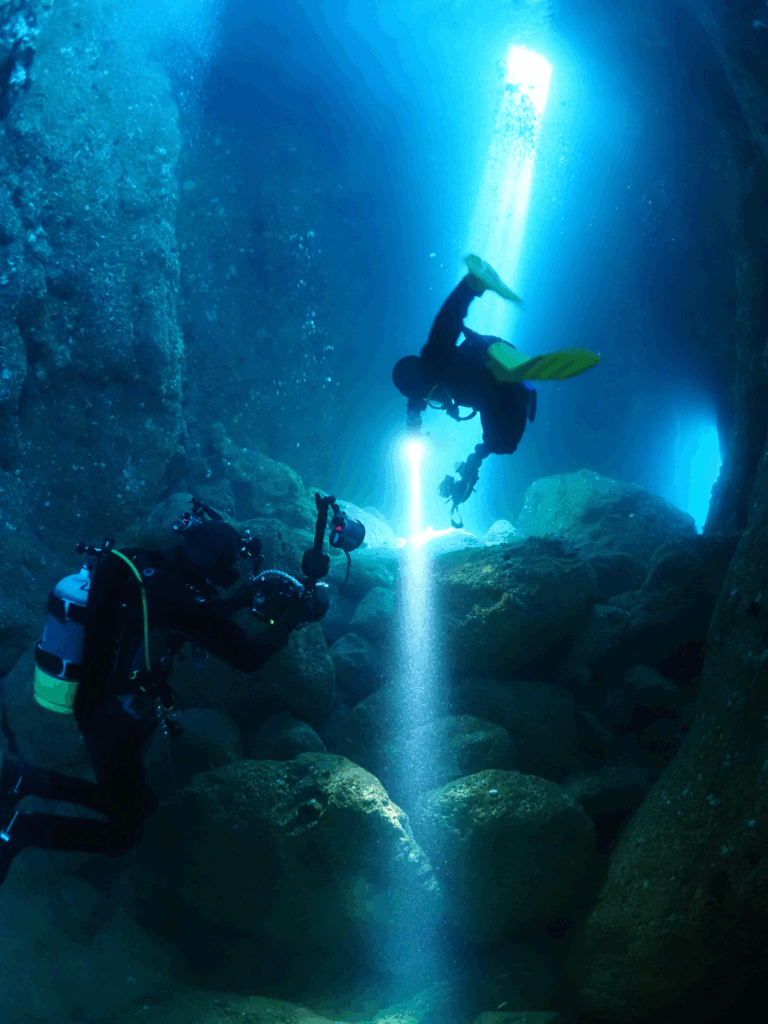
Image courtesy of Scuba Support Service
Featured Dive Site: Shakushi-no-hama
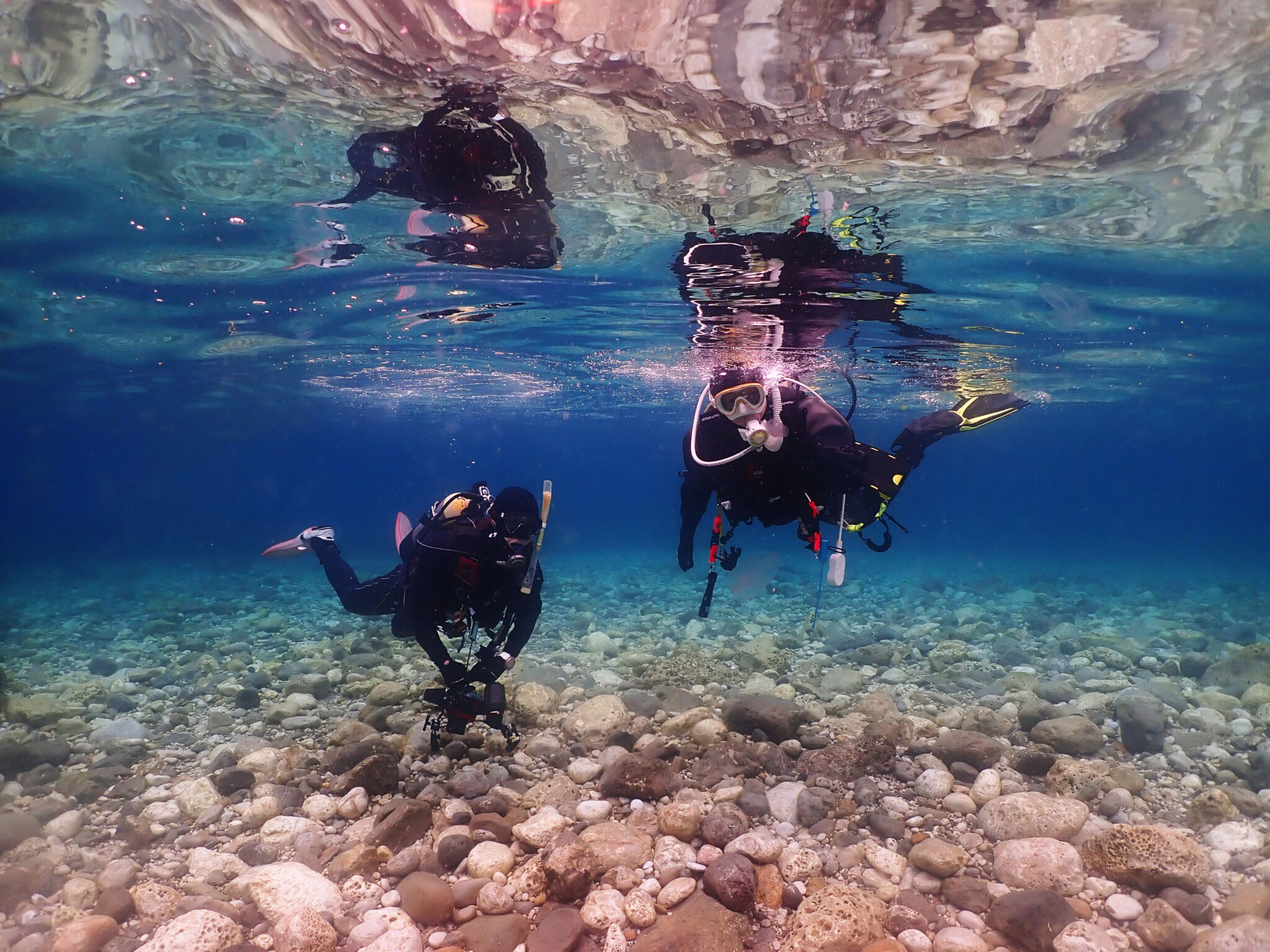
Shakushi-no-hama is a convenient beach diving spot with excellent visibility and depths of around 10 meters (30 feet) — ideal for beginners. The gently sloping terrain, transitioning from pebbles to rocky areas and sandy bottoms, makes it perfect for training dives and Discover Scuba Diving experiences. Divers can encounter a variety of marine life here, including damselfish, sardines and gobies, while the cape area occasionally reveals rare species. It’s a great choice for both fish watching and underwater photography. Because the site is vulnerable to north and west winds, it is only open seasonally, typically from mid-May through the end of October.
How To Get There
- By car: About 15 minutes after exiting the Hirokawa IC on the Hanwa Expressway and turning right at the Sato intersection on Route 42. From Osaka, it takes roughly one-and-a-half to two hours via the Hanwa Expressway and Kainan-Yuasa Road.
- By train: Take the JR Kisei Main Line to Kii-Yura Station, then continue by bus or taxi for about 20 to 30 minutes.
Minabe
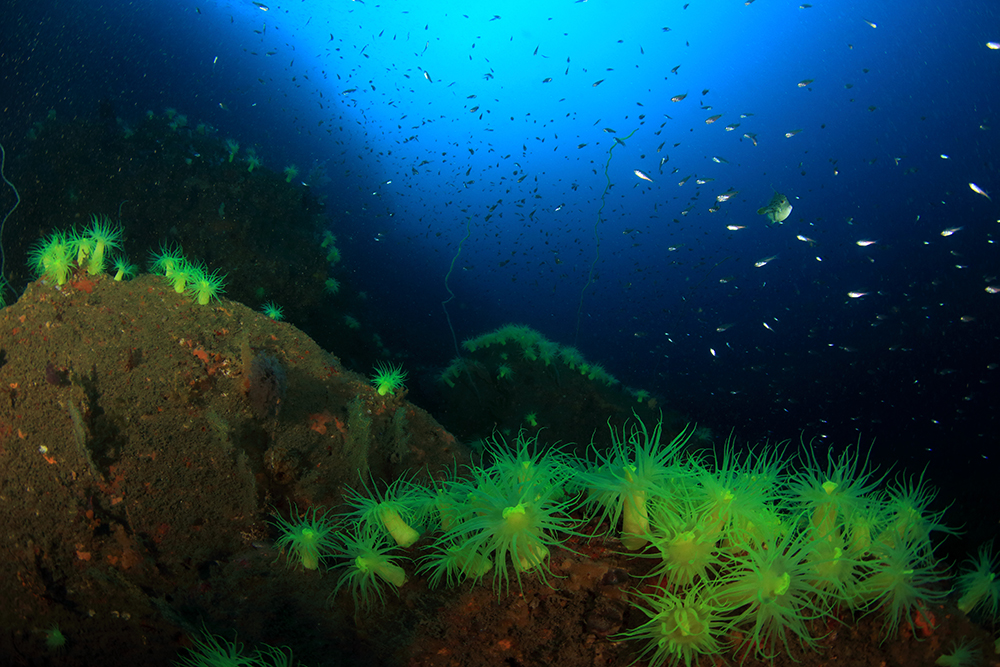
Easily accessible from the Kansai region, Minabe is a popular diving destination that can be enjoyed on a day trip. It is the only place in the world where divers can see the fluorescent-yellow Japanese sea anemone (Okawariginchaku), which has been designated a Natural Monument of Wakayama Prefecture. Minabe’s underwater world is known for its dramatic rock formations, dense schools of fish and rare mix of tropical and temperate marine life.
The signature dive site Shougase offers spectacular underwater scenery, with vast fields of table corals and even the nesting grounds of loggerhead sea turtles. Seasonal highlights add to the variety. Gobies can be seen in early summer, while nudibranchs are a winter specialty. Numerous boat diving sites are scattered along the coast, providing experiences suitable for everyone from beginners to seasoned divers.
Featured Dive Site: Shougase
Shougase is Minabe’s most famous dive site and one of the most unique spots in the world. Here, divers can encounter the fluorescent-yellow Japanese sea anemone, a species that typically lives at depths greater than 150 meters (500 feet), yet can be observed here at around 40 meters (130 feet). Their glowing, otherworldly appearance creates a truly unforgettable sight. Unfortunately, their numbers have declined in recent years, and conservation efforts are now underway.
The site also offers a high chance of encounters with pelagic species, such as spotted eagle rays, bonito and amberjack. At the reef top, divers will find clownfish colonies along with schools of damselfish and anthias, creating a vibrant underwater scene with an impressive density of marine life.
How To Get There
- By car: About 10 minutes from the Minabe IC on the Hanwa Expressway. From Osaka, it takes roughly two hours via the Hanwa Expressway and Kainan-Yuasa Road.
- By train: Take the JR Kisei Main Line to Minabe Station. From Osaka, the limited express Kuroshio reaches the station in about two hours.
Tanabe
Situated on the southwestern coast of the Kii Peninsula, Tanabe is blessed with a mild climate and diverse natural surroundings, making it one of Wakayama’s most attractive diving areas. As the largest city in the prefecture, Tanabe offers access to a wide range of dive sites — not only in Tanabe itself but also in nearby Haya and Minabe — totaling around 30 locations, both shore and boat dives.
Divers can enjoy relaxed sites with coral colonies and sandy bottoms, where colorful reef fish, nudibranchs and crustaceans reveal the wonders of the macro world. At the same time, the area holds incredible potential for encounters with ocean giants, such as hammerhead sharks, manta rays and even whale sharks. Accessibility is also a strong point. It only takes about two hours by car from Osaka or Kobe.

Featured Dive Site: Tenjinzaki Beach
Tenjinzaki Beach is a favorite shore diving site known for its beautiful coastline and excellent conditions for both training and fun dives. The site ranges from shallow water to depths of around 10 meters (30 feet), making it ideal for beginners, ReActivate programs and skill practice.
From spring through summer, schools of fish gather here, while in autumn and beyond, divers can enjoy clear waters filled with vibrant fish and coral growth. Clownfish, gobies and squid laying eggs are among the highlights, along with occasional sightings of rare creatures, such as the giant seahorse. The site is also sheltered from northerly winds, making it a great winter diving spot. Loved by divers of all levels, Tenjinzaki Beach offers year-round appeal.
How To Get There
- By car: About 10 minutes from Nanki-Tanabe IC on the Hanwa Expressway to the city center. From Osaka, it takes roughly one hour 50 minutes via the Hanwa Expressway.
- By train: Take the JR Kisei Main Line to Kii-Tanabe Station. From Osaka, the limited express Kuroshio reaches the station in about two hours.
Shirahama
Shirahama is one of the oldest and most well-known diving areas on the Kii Peninsula. Famous for scenic landmarks, such as the white sandy beach of Shirarahama, the sunset views of Engetsuto Island and the dramatic 50-meter (160-foot) cliffs of Sandanbeki, it is also a popular tourist destination.
Thanks to the warm Kuroshio Current flowing into its waters, Shirahama is home to an incredible variety of marine life. Divers can encounter colorful tropical fish, vibrant soft corals and nudibranchs. The area also features a popular wreck site, along with caves, arches and dramatic drop-offs that attract divers who enjoy underwater topography. During summer, massive schools of chicken grunt and horse mackerel gather around the wrecks, creating spectacular scenes. Most sites are boat dives located within 15 minutes of the port, making them highly convenient. Shirahama is about a two-hour drive from Osaka, and the nearby Nanki-Shirahama Airport makes access even easier.

Featured Dive Site: The Wreck
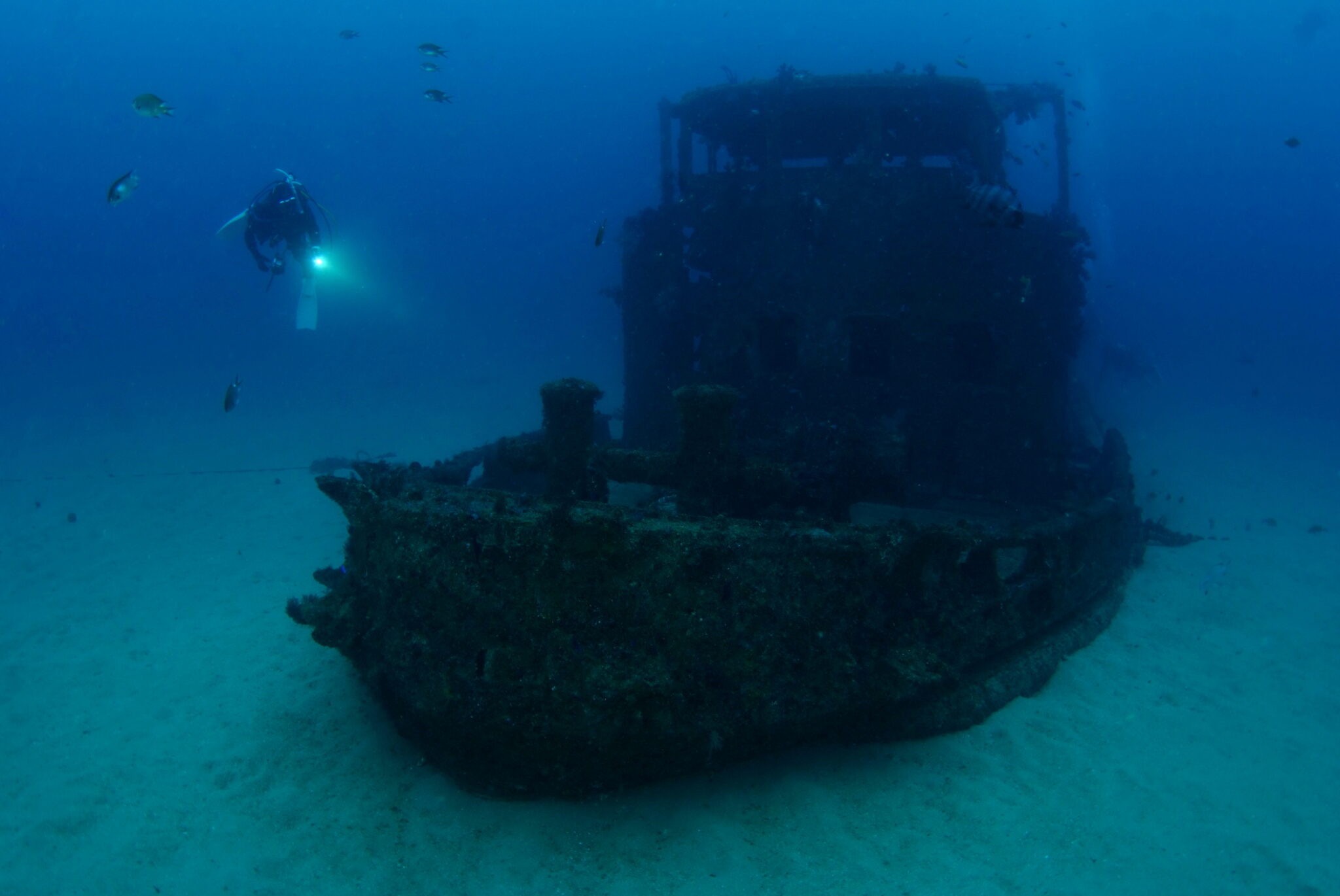
The Wreck is Shirahama’s most popular dive site. Resting at a depth of 18 meters (60 feet), this 28-meter-long (92-foot-long) vessel has become a thriving oasis for marine life. Huge schools of chicken grunt and spontape cardinalfish swarm around the structure, while predatory species, like amberjack and white trevally, hunt through the currents, offering breathtaking wide-angle encounters.
The site also delights macro enthusiasts with smaller species, such as gobies, Japanese pygmy seahorses and squat jawfish, as well as occasional visits from green sea turtles. Night dives are also available, revealing a completely different and magical side of the wreck. With just a five-minute boat ride from the harbor, this site captivates divers year-round.
How To Get There
- By car: From the Nanki-Shirahama IC, take the Kisei Expressway, about two hours 30 minutes from Osaka via the Hanwa Expressway.
- By train: From JR Shirahama Station. take the Kisei Main Line, about two hours 10 minutes from Shin-Osaka by limited express Kuroshio.
Susami
Located on the south-southwest coast of the Kii Peninsula, Susami is known for its dramatic ria coastline and crystal-clear waters, often called “Susami Blue.” Stretching along 27 kilometers (17 miles) of shoreline, the area features impressive underwater landscapes where both wide-angle and macro enthusiasts will find plenty to enjoy.
In summer, schools of highfin amberjack and rainbow runner sweep through, and there are even occasional sightings of hammerhead sharks. More than 30 dive sites are scattered throughout the area, with both shore and boat dives available to divers. All of the boat sites are just three to 10 minutes from port, making them beginner-friendly. A unique highlight is Susami’s Underwater Postbox, officially recognized by Guinness World Records as the world’s deepest mailbox. Through this mail receptacle, divers can actually send postcards from beneath the sea.
Featured Dive Site: Sonnae
Sonnae is famous for its rich fish life and dramatic underwater terrain. The central reef attracts vibrant schools of anthias and other reef fish, while from spring to summer, spiny lobsters crowd into rocky crevices during their breeding season. Facing the open ocean, the site offers a high chance of encounters with pelagic species, such as amberjack and yellowtail, especially from summer through autumn. At times, schools of over 100 hammerhead sharks have been spotted here, creating unforgettable spectacles.
In addition to its caves and dynamic rock formations, Sonnae offers both wide-angle vistas and opportunities for close-up macro photography. In winter, divers can often see striped boarfish (Evistias acutirostris), adding another seasonal highlight to this ever-changing dive site.
How To Get There
- By car: Immediately off the Susami IC or Susami Minami IC on the Kisei Expressway, about three hours from Osaka.
- By train: Take the JR Kisei Main Line to Susami Station, about two hours 20 minutes from Osaka on the limited express Kuroshio.
Kushimoto
Located at the southernmost tip of Japan’s main island, Kushimoto proudly declares itself “The Town of Coral.” Benefiting from the warm Kuroshio Current, its waters host Japan’s largest table coral colonies and unique marine life, such as giant barrel sponges, creating a truly tropical underwater environment.
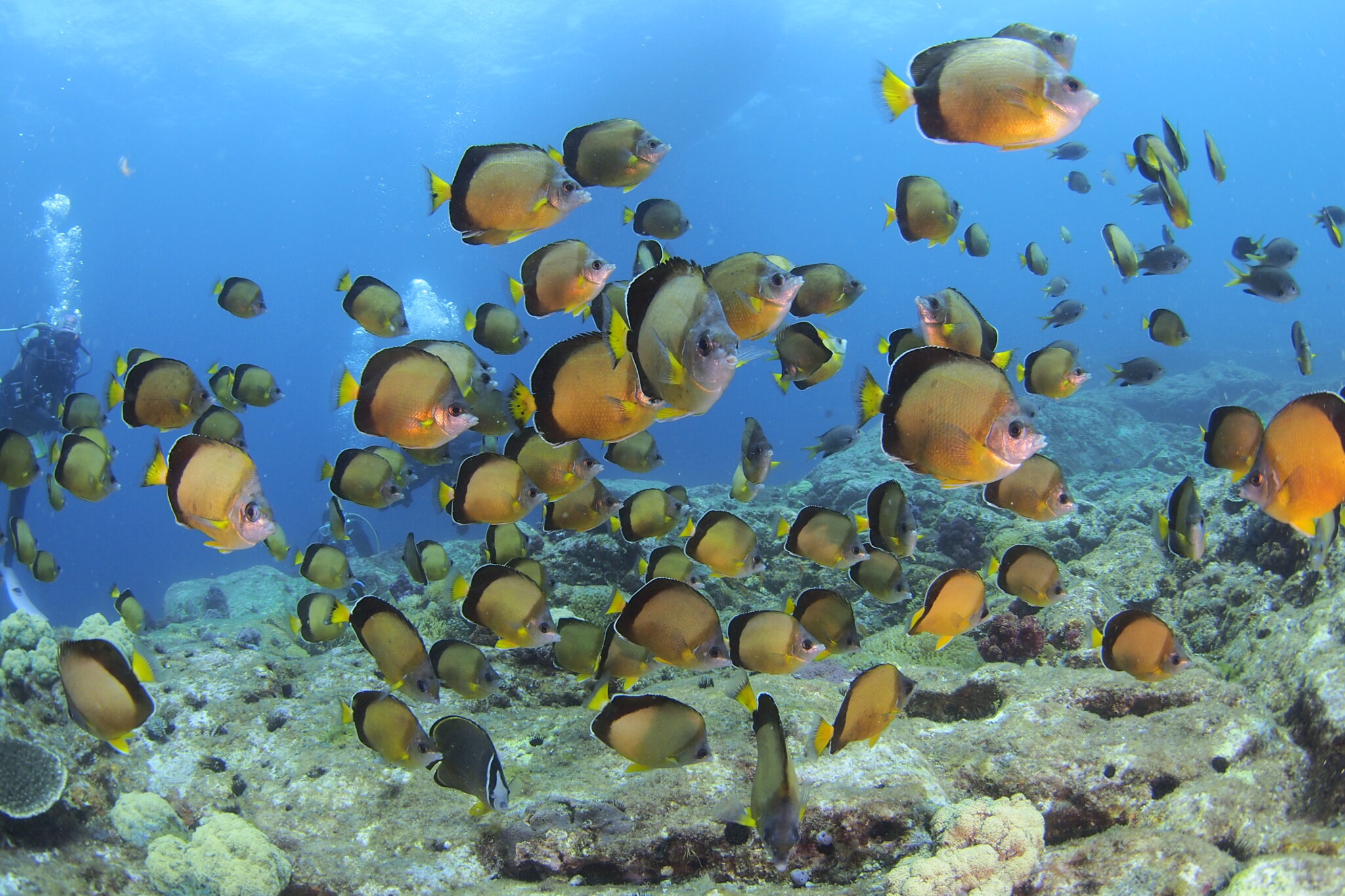
In spring, divers can spot clouds of juvenile damselfish and a variety of nudibranchs. From summer through autumn, seasonal migrants from the south add even more color and excitement. Popular critters, such as harlequin shrimp and jawfish, can be seen year-round, while a wide range of dive sites cater to everyone, including beginners, macro lovers and big-animal photographers alike. From easy beach dives to dynamic offshore sites, Kushimoto offers an impressive range of experiences, along with the added bonus of hot springs and sightseeing after diving.
Featured Dive Site: Asaji
Asaji is one of Kushimoto’s signature offshore sites, known for its dramatic underwater topography and rich biodiversity. Strong currents are common, making it best suited for intermediate and advanced divers. The site features a massive reef rising from depths below 30 meters (100 feet), with two mooring buoys providing a variety of routes to explore.
In early summer, shimmering schools of anchovy gather here, attracting predators such as amberjack and rainbow runner. During summer months, bonito, amberjack and dolphinfish appear near the surface, and lucky divers may even encounter hammerhead sharks or schools of mobula rays. The site also offers fascinating geological features, including tunnels and corridors that add an adventurous touch to every dive.

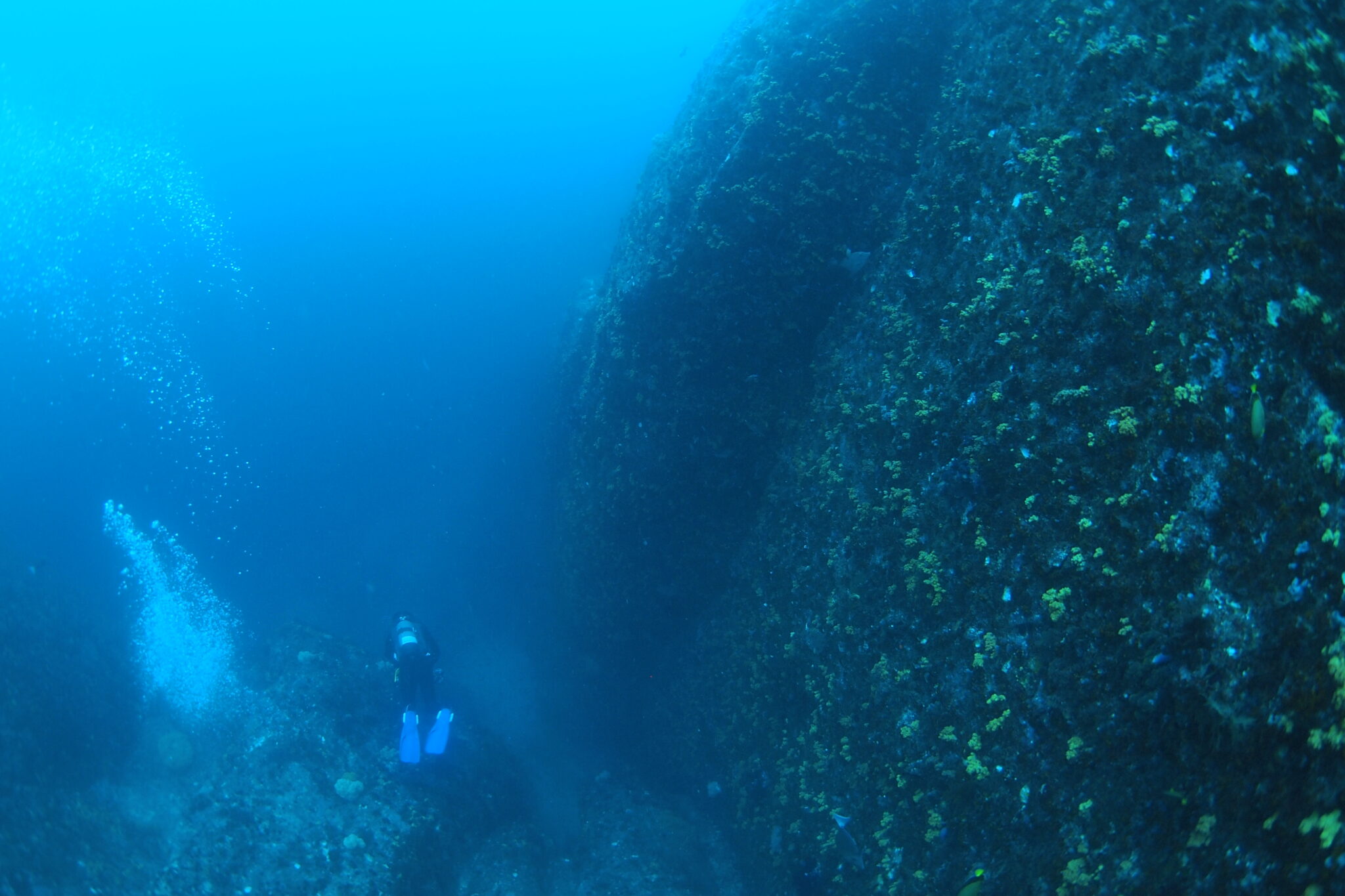
Image courtesy of NANKI SEAMANS CLUB
Access
- By car: From the Susami Minami IC on the Kisei Expressway, drive south on Route 42, about three hours 30 minutes from Osaka.
- By train: Take the JR Kisei Main Line to Kushimoto Station, about two hours 40 minutes from Osaka on the limited express Kuroshio.
Kuki
Nestled on the eastern side of the Kii Peninsula in Owase City, Mie Prefecture, Kuki is a small fishing village with a population of just around 400 people. In the Sengoku period, it was known as the base of the Kuki Suigun naval fleet, and its rugged coastline surrounded by steep mountains provided natural protection for warships. Today, the area remains a thriving fishing community overlooking the rich waters of the Kumano Sea, nourished by the Kuroshio Current.
Boat diving is the main type of entry here, with most sites just 10 minutes from the harbor. Underwater, divers will find vibrant soft corals and branching corals with opportunities to encounter schools of fish and even green sea turtles at the right time of year. For macro enthusiasts, Kuki is also rich in nudibranchs and crustaceans. With minimal human intervention at most sites, divers can experience the ocean in its natural, untouched state, ranging from wide-angle seascapes to detailed macro life that changes with the seasons.
Featured Dive Site: Umejima
Located only about seven minutes by boat from the harbor, Umejima is a popular site suitable for both beginners and advanced divers. A large reef stretching east to west hosts dense schools of striped beakfish and chicken grunt, while clouds of butterflyfish and anthias create a lively, colorful scene.
Closer to the shallows, nudibranchs and juvenile fish make this spot a favorite for macro lovers. On the hidden reef set against a backdrop of white sand, divers may encounter guitarfish or stingrays, adding a relaxing and scenic contrast. Depending on the season, there are also chances to see large schools of yellowtail or deepwater species, like threadfin anthias. Umejima offers a wide variety of encounters, showcasing the diverse expressions of the sea throughout the year.
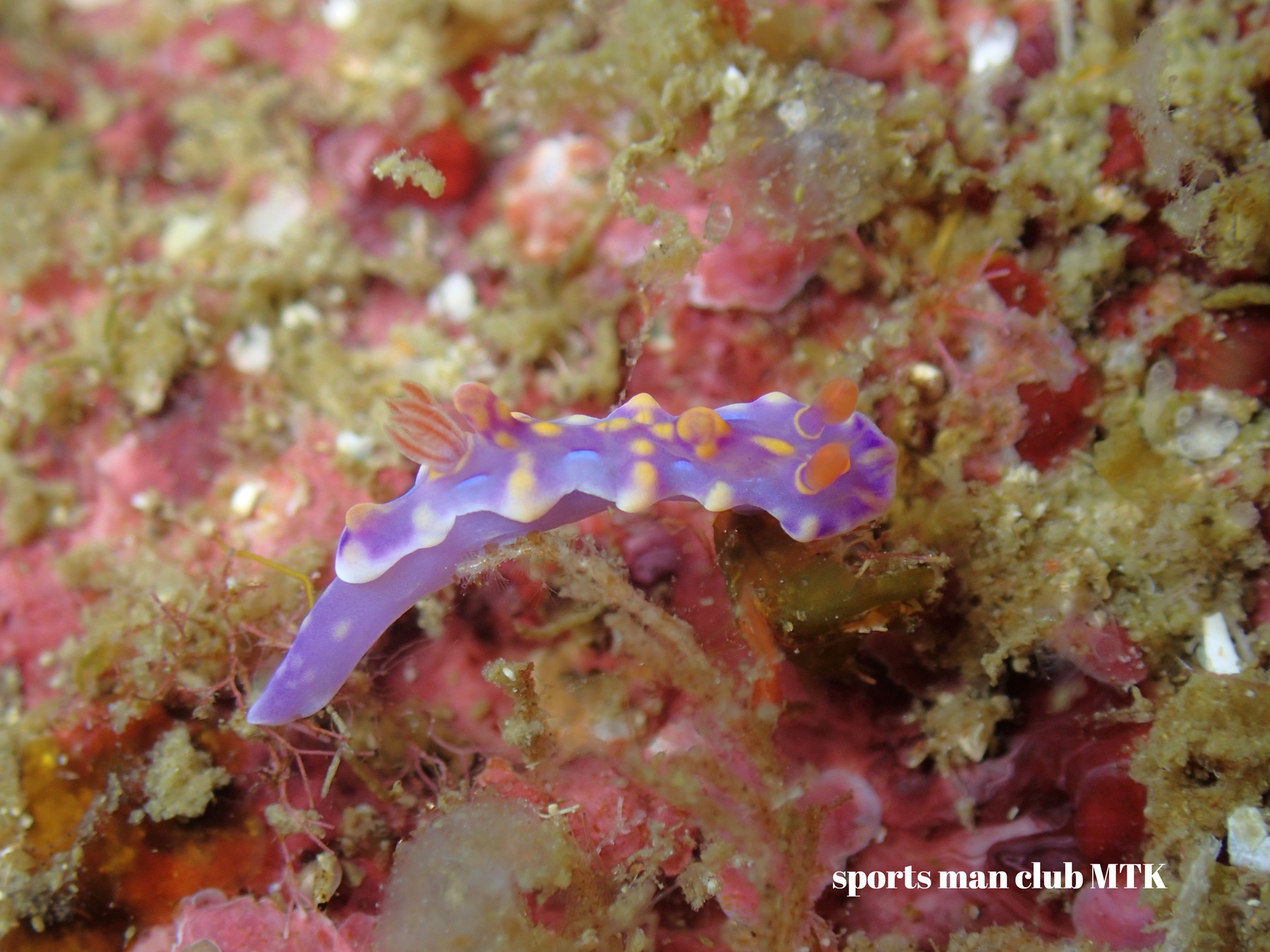

Image courtesy of MTK
How To Get There
- By car: Kuki is about 30 minutes from Owase-Kita IC on the Kisei Expressway, via Route 42 and Route 311. From Nagoya, take the Higashi-Meihan Expressway and Ise Expressway.
- By train: From Nagoya, take the limited express Nanki on the JR Kisei Main Line to Owase Station (about two hours 30 minutes), then continue by local train to Kuki Station (around 15 minutes).
Owase
Located in southern Mie Prefecture on the eastern side of the Kii Peninsula, Owase is a port town known for its distinctive ria coastline. The deeply indented Owase Bay is dotted with numerous dive sites where the underwater scenery mirrors the rugged terrain above with arches, caves and dramatic rock formations. Influenced by the Kuroshio Current, the bay is filled with rich marine life, with colorful soft corals, such as sea fans and dendronephthya, adding vibrancy to the seascape.
Boat diving is the main entry to the dive sites here, and with all sites within 15 minutes from the harbor, access is quick and comfortable, even for those prone to seasickness. Owase is also considered one of the top areas on the Kii Peninsula for sheer fish density. For macro enthusiasts, highlights include meadows of eelgrass (Yamato umi hirumo), tiny cuttlefish, juvenile filefish and various crustaceans, making it a photographer’s delight. Another unique adventure is river diving in the Choshi River, famous for its crystal-clear “Choshi River Blue,” often described as some of the clearest freshwater in Japan.
Featured Dive Site: Artificial Reefs
Just a 12 to 13 minute boat ride from the harbor lies Owase’s most popular diving spot. At a depth of 23 meters (75 feet), numerous artificial reefs measuring 1 and 2 cubic meters (35 to 70 cubic feet) have been placed on the sandy seabed to attract large pelagic fish. These reefs are covered with colorful soft corals, teeming with fish and even home to various nudibranchs. In the midwater, schools of anthias (sea goldies) dance among the soft corals, creating a stunning underwater scene.
The site is also home to a resident giant sweetlips, along with lionfish and, during the summer months, schools of tropical fish from the south. Each season brings its own highlights. In winter, the water becomes crystal clear, revealing endless rippling sand patterns that create a truly magical atmosphere.
Attracting divers not only from across Japan but also from other parts of Asia, this is widely regarded as the number one, must-dive spot in Owase.
How To Get There
- By car: Go from Owase-Kita IC on the Kisei Expressway or Owase-Minami IC on the Kumano-Owase Road, about two hours from Nagoya.
- By train: From Nagoya, take the limited express Nanki on the JR Kisei Main Line to Owase Station (about two hours 30 minutes).
Hozaura
Located in Minami-Ise Town, Mie Prefecture, Hozaura is a tranquil diving area surrounded by mountains and the ria coastline that stretches east to west. Thanks to its intricate network of coves, the sea here remains calm throughout the year, making it one of the most stable diving environments on the Kii Peninsula.
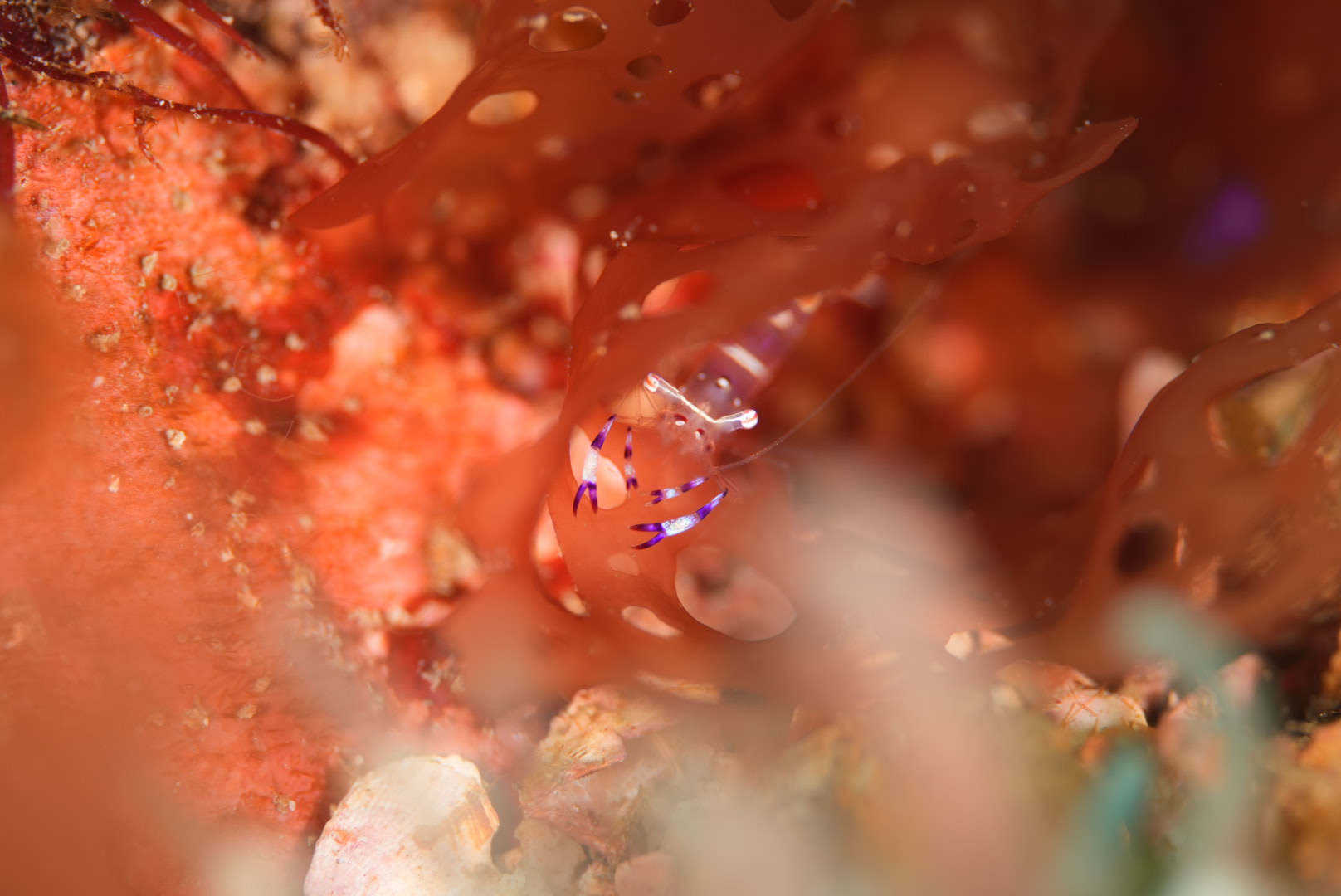
Nutrient-rich waters support a wealth of marine life that changes with the seasons. Massive colonies of soft corals create an underwater “flower garden,” while schools of fish sometimes fill the entire view. At the same time, divers can also enjoy encounters with nudibranchs and various crustaceans. With six dive sites scattered inside and outside the bay, Hozaura offers a wide variety of styles, from beginner-friendly sandy bottoms to more advanced offshore sites with dynamic topography, making it possible to enjoy diverse diving experiences in just a single day.


Image courtesy of HDA Houzaura Diving Assist
Featured Dive Site: Nakahirase
Situated within a calm bay surrounded by mountains, Nakahirase is protected from wind and waves, offering safe conditions for divers of all levels. The site is equipped with a floating platform for entry, providing a unique and convenient setup. Because the area is designated as a no-fishing zone, marine life is particularly abundant. In summer, schools of barracuda, horse mackerel and chicken grunt fill the water, creating lively scenes.
Artificial reefs have developed into colorful habitats over the years, covered with blooming soft corals and bustling with fish. With a maximum depth of 24 meters (79 feet), the reefs host diverse marine life year-round. Each side of the reef, whether it’s north, south, east or west, offers different highlights, ensuring that divers can enjoy multiple dives here without ever getting bored.
How To Get There
- By car: Hozaura is about 20 minutes from Kisei-Ouchiyama IC on the Ise Expressway toward Minami-Ise, approximately two hours from Nagoya and two hours 40 minutes from Osaka by expressway.
- By train: The nearest stations are Ise-Kashiwazaki or Ouchiyama on the JR Kisei Main Line. As public transportation is limited, taxis or rental cars are the most practical options.
Whether you’re drawn to Kushimoto’s vibrant coral gardens, Shirahama’s wrecks or the rare sea anemones of Minabe, the Kii Peninsula offers an unforgettable diving experience for every type of explorer. With so many unique sites to choose from, planning your adventure is part of the excitement, and the best way to do that is by connecting with a local dive shop. Local professionals not only ensure your dives are fun and well-organized, they can also guide you to the best seasonal highlights and hidden gems.
Ready to experience the underwater wonders of Japan for yourself? Reach out to a PADI Dive Shop and start planning your next adventure beneath the waves.