
One of the most common questions dive instructors get asked is, “How much does dive gear cost, and do I really need it?” As with all good questions, the answer is, “It depends.”
Renting Scuba Gear: The Pros and Cons
If you’re new to scuba diving or don’t dive frequently, renting can be an affordable alternative to buying a complete set of scuba gear. Renting is also a great way to try out different scuba equipment.
For example, when my trusty travel Buoyancy Control Device (BCD) developed a hole in the bladder, I rented three different BCDs before I bought a replacement. Unfortunately, rental costs add up over time. The amount I spent renting BCDs added up to almost half the cost of buying a new one outright. Which begs the question:
How Much Does Dive Gear Cost?
It depends. Just like cars or bicycles, there are basic options that get the job done. Higher-end equipment offers higher performance and the latest technology. Renting dive gear is a great way to find out if those extra features are worth the extra cost.
Use the links below to explore what different pieces of scuba equipment cost, so you can make an informed decision about buying versus renting. You can also scroll to the bottom for cost estimates to buy a complete set of scuba gear, from inexpensive to mid-range to high-end.
- Mask, Fins and Snorkel
- Wetsuit/Dry Suit
- BCD
- Regulator and Submersible Pressure Guage (SPG)
- Dive Computer/SPG
- Dive Bag
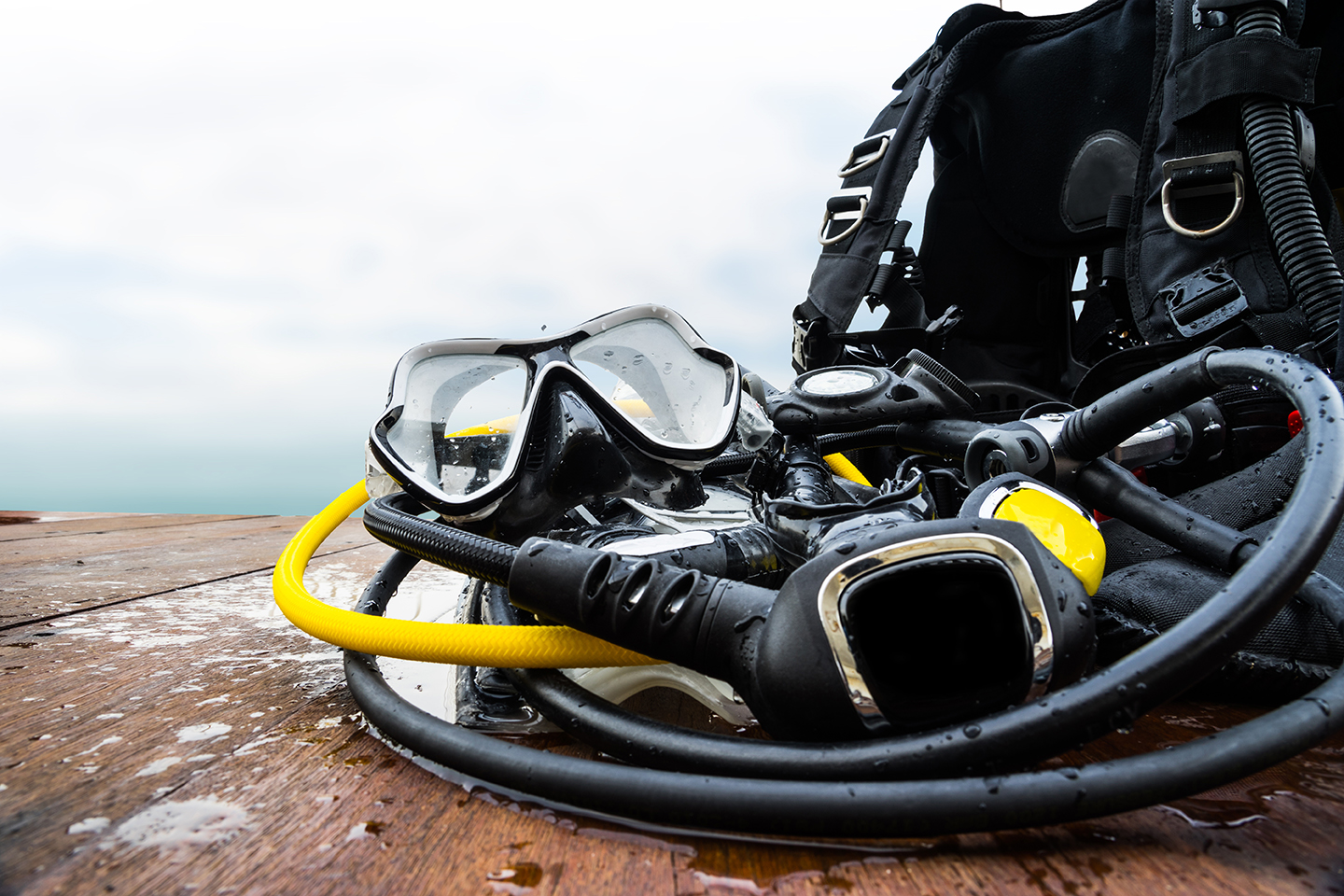
Mask, Fins and Snorkel
Let’s start with the basics: mask, fins and snorkel. Many dive shops require students to own these items, because masks aren’t one-size-fits-all. Also, do you really want to put a rental snorkel in your mouth?
I won’t go too in-depth on this section, because most divers purchase a mask, fins and snorkel during their Open Water Diver course. But, generally speaking, a snorkel, scuba mask and fins (not a snorkeling mask and fins) will cost between $150 and $250 USD.
For those just starting their scuba journey, the articles below may be helpful.
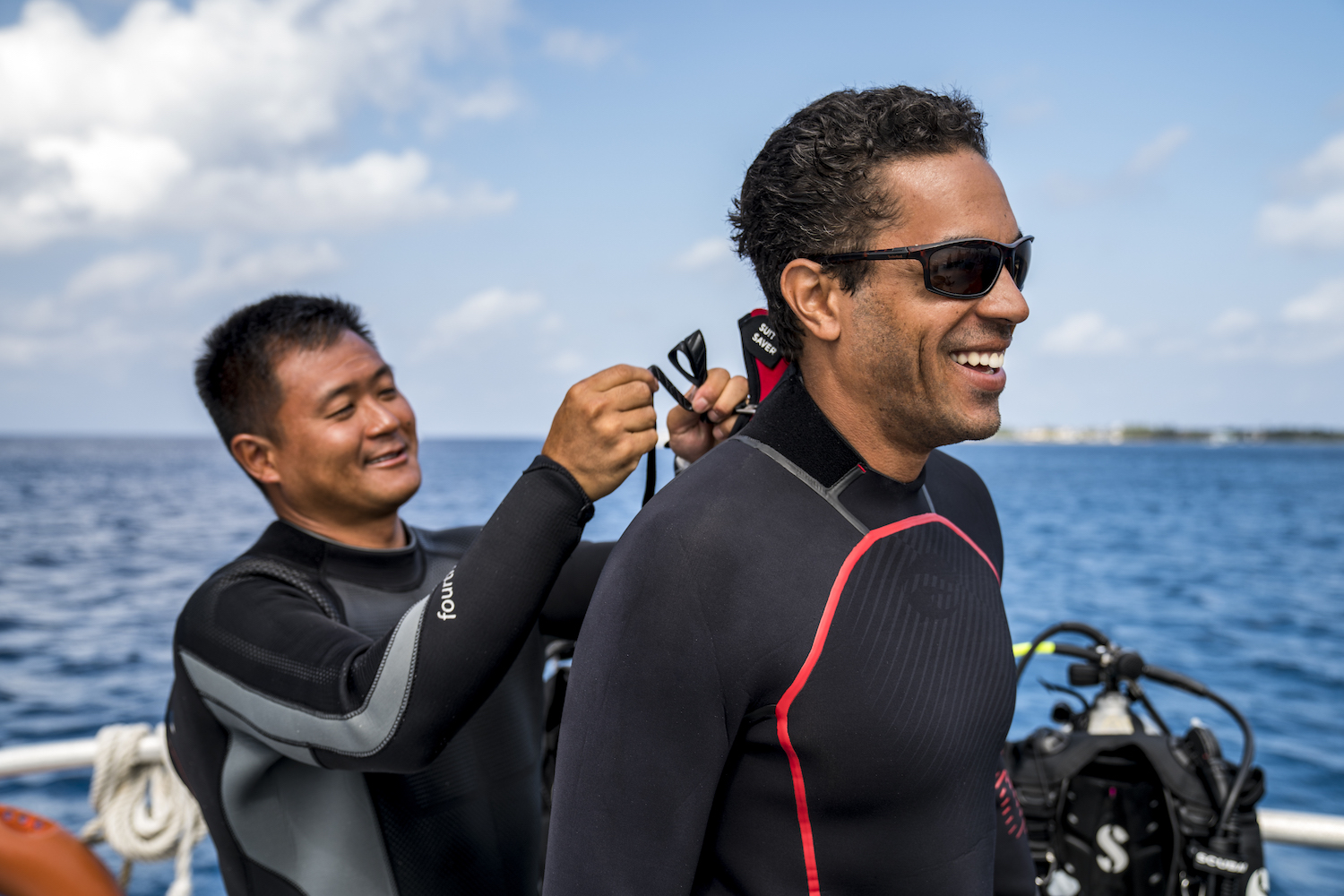
Exposure Protection: Scuba Wetsuits, Dry Suits & Accessories
Most divers wear a wetsuit or a dry suit, so here’s what you need to know.
Scuba Wetsuits
Rental wetsuits abound. But when you’re ready to buy, it’s worth spending more to get something that’s comfortable and fits well. I spent many years being cold in the tropics, because I wore a 3mm wetsuit instead of purchasing a (more expensive) 5mm one. When I finally did, I was much more comfortable.
For a quality, name-brand scuba wetsuit, expect to pay approximately:
- $300 USD for a 3mm wetsuit
- $350 to $650 USD for a 5mm wetsuit
- $400 to $650 USD for a 7mm wetsuit
More expensive wetsuits tend to be more flexible, include a thermal lining or have special seals. Note: these seals can make getting the wetsuit on and off more challenging. Always try a wetsuit on before buying it, ideally from a local dive shop.
Dry Suits

Renting a dry suit can be challenging. Even in cold water diving locations, most dive shops only have enough dry suits to run classes. Contact the shop in advance and be prepared to show your Dry Suit Diver certification or enroll in a course.
Dry suits cost significantly more than scuba wetsuits, but they can last 20 years if properly cared for. Off-the-rack dry suits cost $1800 to $4000 USD, depending on what material the dry suit is made from. Custom-fit dry suits cost more.
In addition to the dry suit, you will need an undergarment. Speak to your local dive shop about the best option for your environment. Prices range from $180 to $400 USD. If you already have thermal base layers from other sports, you may be able to use them as your undergarment (ask your dive shop). Certain environments require an undergarment designed specifically for dry suit diving.
Here are some additional articles about wetsuits and dry suits that may be useful:
- Guide to Buying a Dry Suit
- The Difference Between Surfing and Scuba Diving Wetsuits
- How to Clean and Care for Your Wetsuit
Booties, Gloves, Beanies and Hoods
Booties: If you have full-foot fins and dive in warm water, you may not need booties. Otherwise, you should plan to spend $45 to $50 USD for a basic pair of 3mm or 5mm booties. More expensive options typically have thicker soles.
Boots: Divers who walk across rugged terrain may want boots with a sole (aka rock boots or dry suit boots) instead of booties. Expect to pay around $50 to $90 USD for soft-sole boots or $120 to $150 USD for boots with a hard sole.
Hood: In temperate water, divers often wear a hood. Sometimes the hood is attached to the wetsuit or part of a hooded vest. You can also buy a separate hood with a bib or beanie cap for around $30 USD.
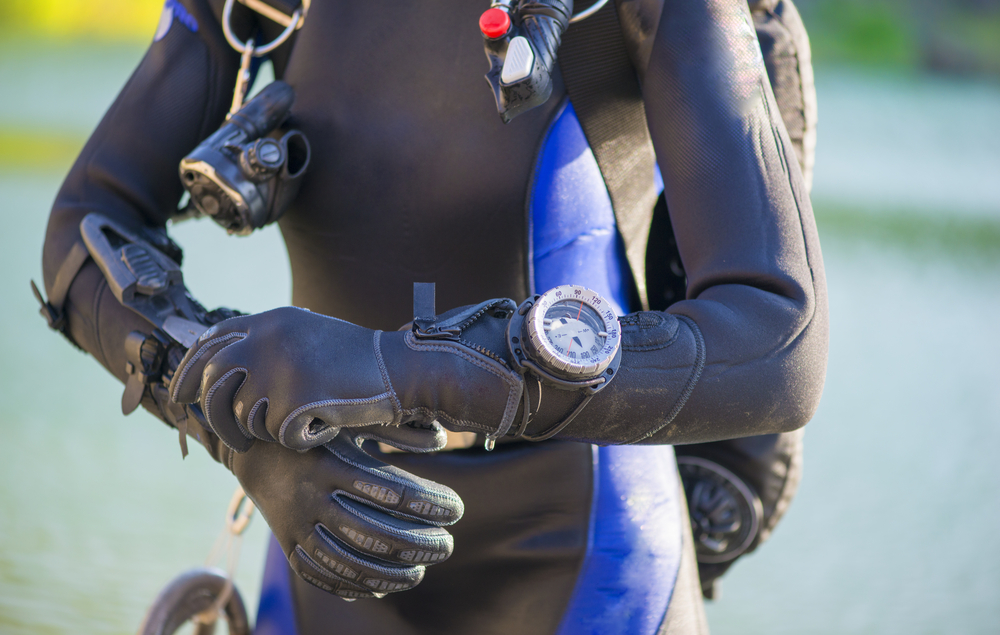
Gloves: Scuba gloves can cost $25 to $60 USD, depending on the brand and thickness. Just like wetsuits, thicker gloves tend to cost more.
Dry Gloves: In cold environments, divers need to protect their hands from bone-chilling cold. Dry gloves do just that. A basic set will cost $60 to $100 USD.
BCD
It’s okay to rent a BCD if you don’t have the money to buy one right away, but you’ll want to buy one eventually. Having a comfortable BCD that you’re familiar with can improve safety, buoyancy and reduce air consumption.
I especially recommend female divers rent before buying. I once tried a BCD that was fine in the pool, but as soon as I went for a shore dive, I discovered the shoulder straps wouldn’t stay tight. Whenever I started walking, the straps would slip, my tank would drop six inches and the chest strap would rise and choke me.
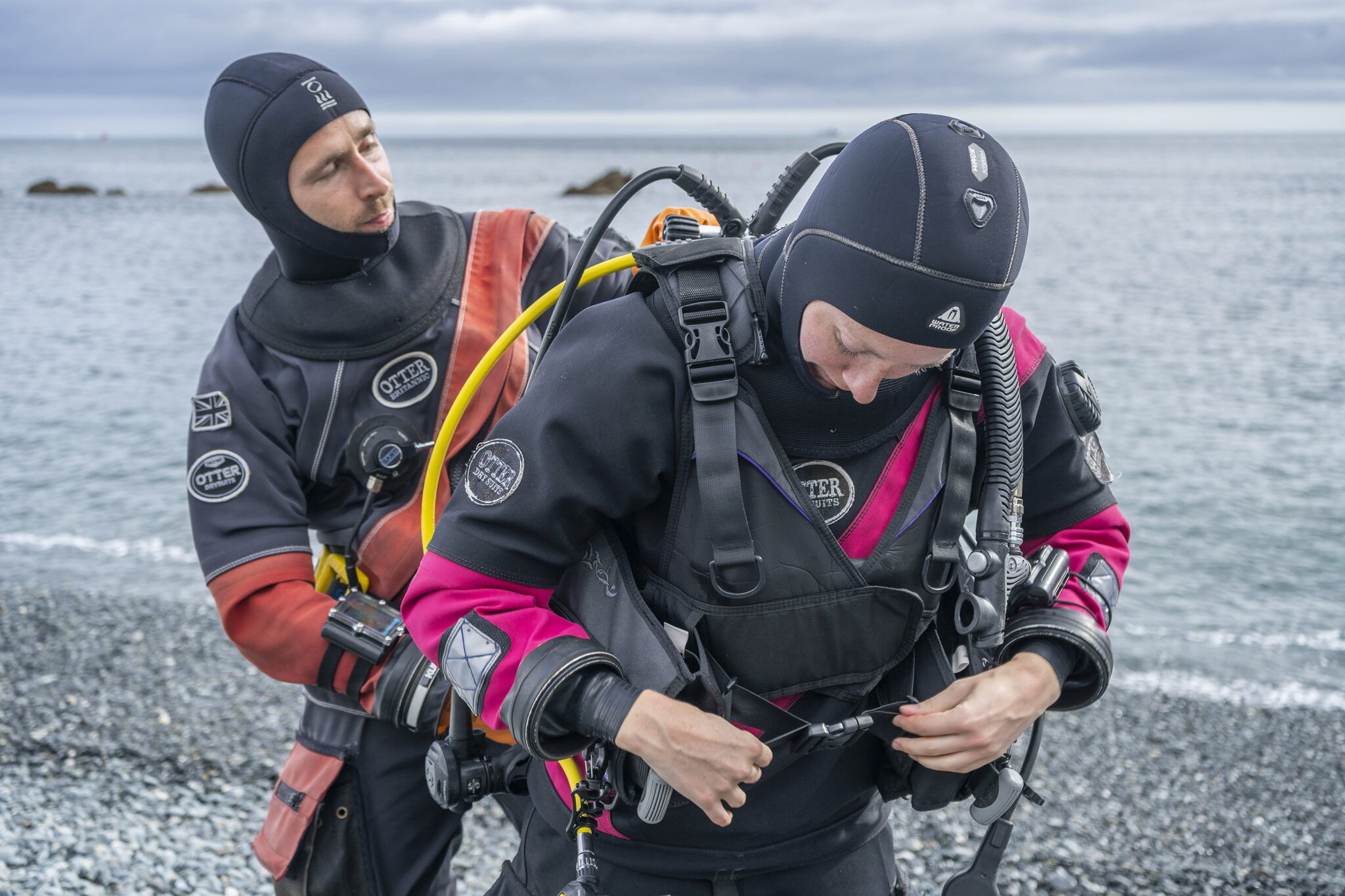
When renting, try different styles and configurations and make note of what you like and don’t like. For example, I like the way a jacket BCD hugs my torso, but if it doesn’t have trim pockets in the back that’s a deal breaker for me. I also want a BCD with a pocket (in case I find any trash) and at least two D-rings (one for my Surface Marker Buoy and another for slates or a pointer stick).
- A basic BCD with integrated weights and most of the features I mentioned will cost around $310 to $550 USD.
- A top-of-the-line BCD can cost more than $1000 USD.
- Some divers prefer a backplate, harness and wing instead of a jacket-style BCD. This setup can cost around $800 to $1000 USD.
Dry suit divers should beware of travel BCDs. They cost less but may not have enough lift for the extra weight you’ll need when diving dry.

Regulator
Regulators are one of the most expensive pieces of dive gear ($650 to $800 USD), so if you don’t plan to dive more than once a year, an argument can be made that it’s better to rent. That said, regulators can last 20 years or more when serviced regularly.
Should you decide to rent, be sure you choose a reputable dive operation such as a PADI Dive Shop. A regulator is essential life support equipment. If the dive center isn’t keeping its rental equipment serviced properly, you could find yourself in big trouble underwater.
If you decide to rent before you buy, try different models and brands. Put each one to the test by turning upside down, taking a few deep breaths or swimming at a brisk pace. You’ll likely experience a difference in performance between high-end and low-end options.
You’ll also need an alternate air source (octopus or octo) with either a long hose that connects to your regulator’s first stage, or an integrated inflater regulator that connects to the BCD inflator. Many divers have a third hose with a console at the end that has an SPG (air gauge) and/or computer and a compass.
Dive Computer and SPG
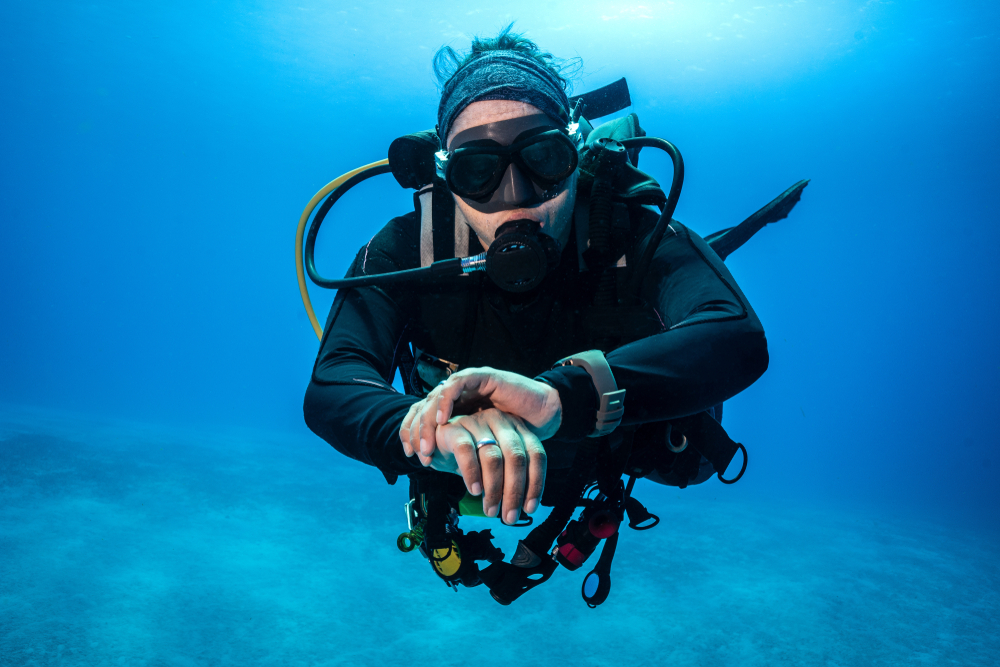
Most dive shops have simple, easy-to-use dive computers in their rental inventory. If you’re on a budget or don’t dive often, it may make sense to rent a dive computer.
But, as with the other gear we’ve mentioned, rental costs add up over time. A basic dive computer can cost as little as $250 to $400 USD or $400 to $600 USD if you get a dive computer along with a two-gauge console (an air gauge and a compass).
Dive Bag
If you rent a full set of gear, the dive shop will likely provide a mesh bag for transport. But as you accumulate equipment, you’ll eventually need a bag to carry it all.
The least expensive option is a mesh bag or duffle-style bag, which will cost $50 to $100 USD. For a roller bag you can use for travel, expect to pay $150 to $230 USD. Higher-priced bags are generally larger and come with extra pockets.
Adding It All Up: How Much Does a Complete Set of Scuba Equipment Cost?
If you’re on a budget, you can get a complete set of basic dive gear for around $1700 USD. The price estimate:
- Includes mask, fins and a snorkel
- Includes a wetsuit and booties, not a dry suit
- Does not include a tank and weights, which most divers typically rent
- Does not include a dive bag
The total above also assumes you’re taking advantage of a package deal. Many dive shops offer discounts for buying a BCD, regulator, alternate air source and dive computer/console at the same time.
A complete set of mid-range scuba equipment can cost $2700 to $3100 USD (including mask, fins and snorkel but not including a dive bag). As above, it assumes you take advantage of package pricing and are not buying a dry suit. With a mid-range package, you might get some extra features, such as an air-integrated computer or an alternate air source on your BCD.
Buying vs. Renting Dive Gear
Renting dive gear can be a great way to try out different types of equipment. It’s also a good option if you don’t know if scuba diving is something you want to do long-term.
That said, rental costs add up over time. Renting a complete set of scuba equipment and a wetsuit costs around $60 USD per day or $100 USD per weekend. If you know you’re in love with scuba diving, it’s much cheaper to own your own equipment.
If cost is a concern, ask your local dive shop about special promotions, sales or student and dive club member discounts.