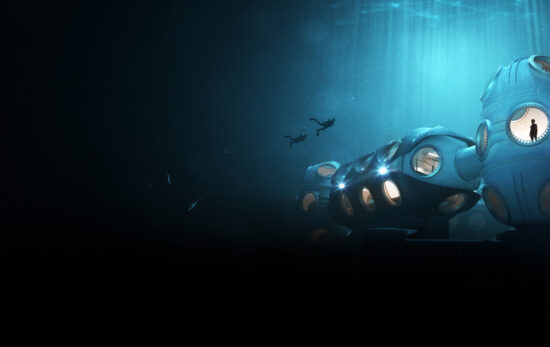
In a previous blog, we introduced DEEP, the ocean engineering company set to deploy the next generation of subsea human habitats.
These underwater habitats will allow divers, scientists and researchers to stay at depths of up to 200 meters (656 feet) without the need for repeated surfacing and decompression.
The hope is that this exciting technology will catalyze a renaissance in ocean exploration and radically improve understanding of the ocean and the wider planet.
But who are the people behind the scenes helping to realize its vision of making humans aquatic?
Meet three subject matter experts from the team at DEEP, covering the fields of engineering, science and, of course, diving.
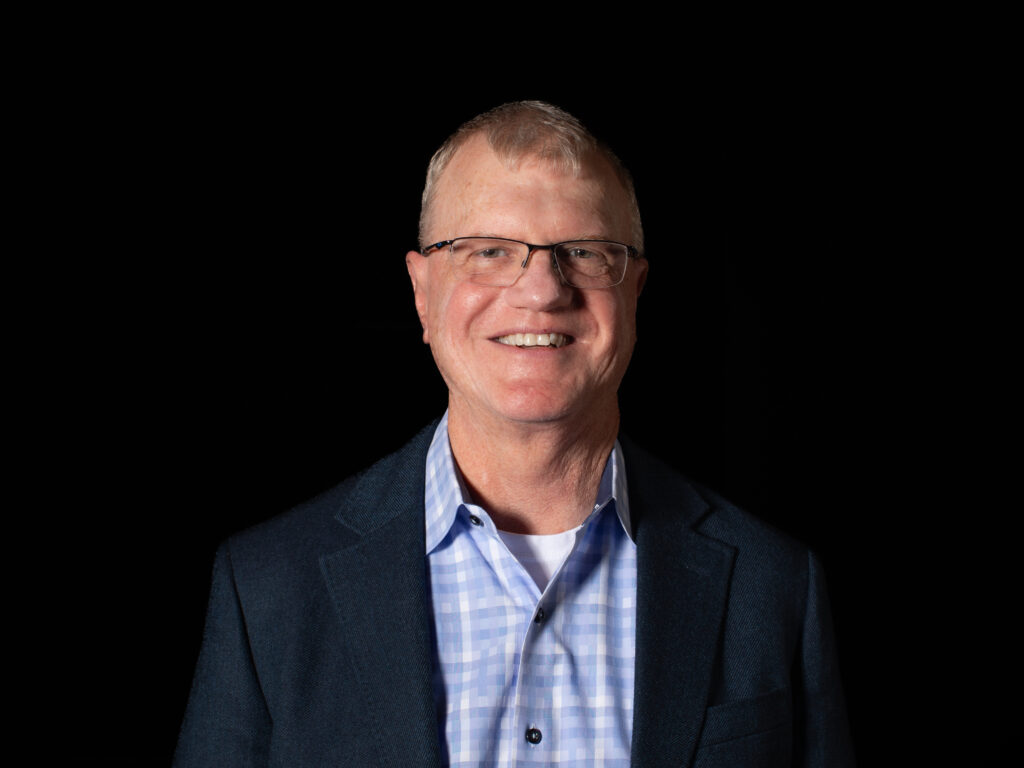

Norman Smith – Chief Technology Officer
Norman leads DEEP’s engineering, research and innovation teams.
Norman has more than 35 years of experience launching complex technology products. Before joining DEEP, these products were for manned space flights with NASA and deep-water equipment for Oceaneering International. He was previously Executive VP of Engineering at a microgrid power company providing low-emission backup power to hyperscale data centers.
Q. Why do you work for DEEP, and what excites you about it?
A. I’m inspired by DEEP’s mission. It really feels we’re returning to a realm that we once knew through Jacques Cousteau but hasn’t really been built upon since his groundbreaking projects. There is so much more to be done. It’s a privilege to be building on previous technology and nurturing a new generation of engineering to make humans aquatic.
Q. What are the exciting engineering challenges for DEEP in the year ahead?
A. Getting our first subsea human habitat in the water and operational is a hugely exciting and technical challenge. It’s a pleasure working with the deeply experienced team we’ve brought together to do this. My biggest focus is on engineering rigor and working with a classification society to operate and maintain what we engineer safely.
Q How is your expertise and experience helping to make humans aquatic?
A. For me, there is a huge parallel to human space flight – it’s just in the opposite direction! Both are tough engineering challenges. They both need rigor, diligence and safety. We’re just putting humans at depth instead of in orbit, so we’re approaching the engineering process similarly. Define the problem, work to solve the problem, design, test in the environment, learn and iterate.
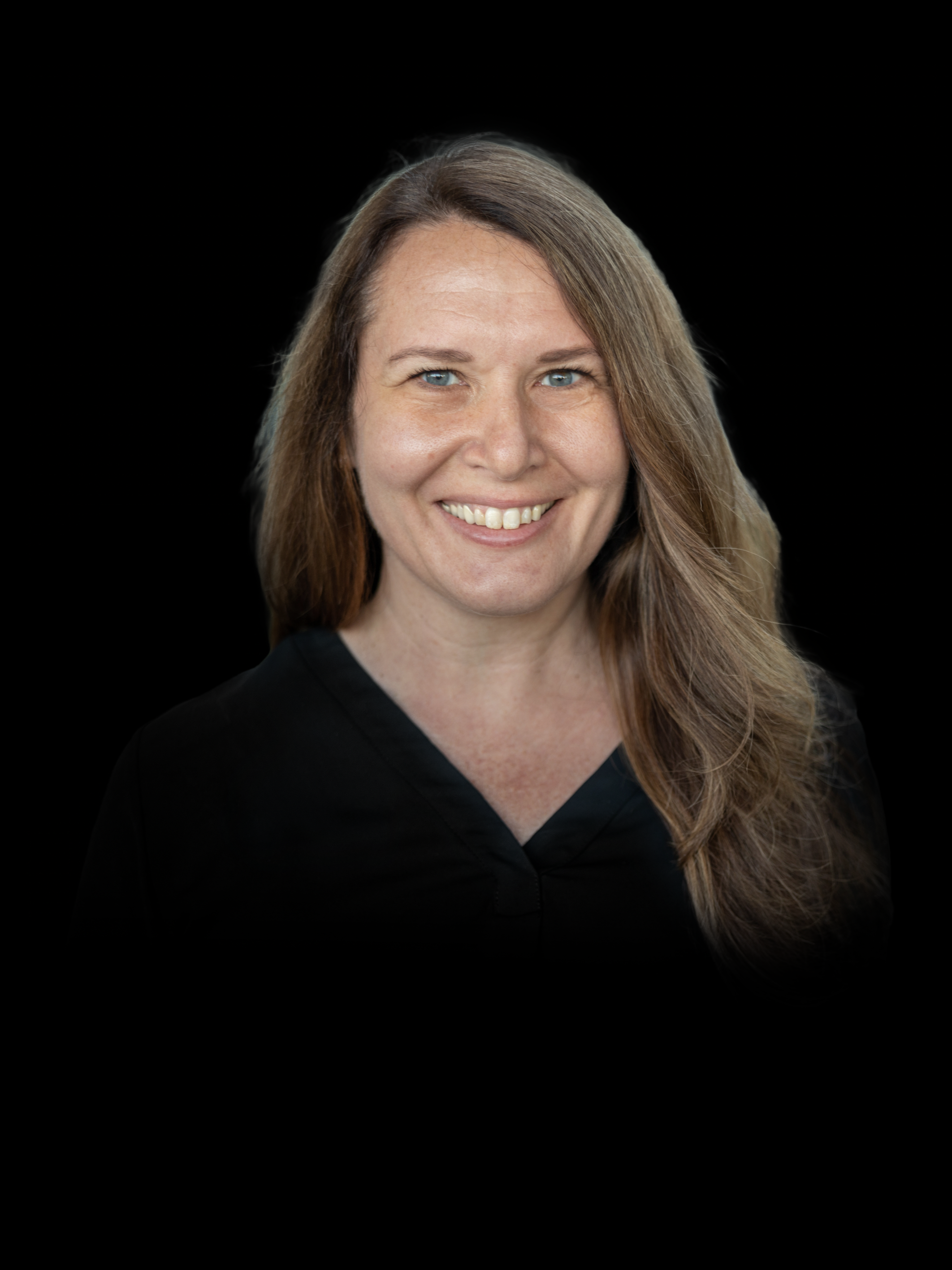
Dawn Kernagis – Director of Scientific Research
Dawn is a leading scientist and diver (spanning cave diving, technical diving and freediving), whose research has been funded by multiple US Department of Defense agencies, NASA and other organizations.
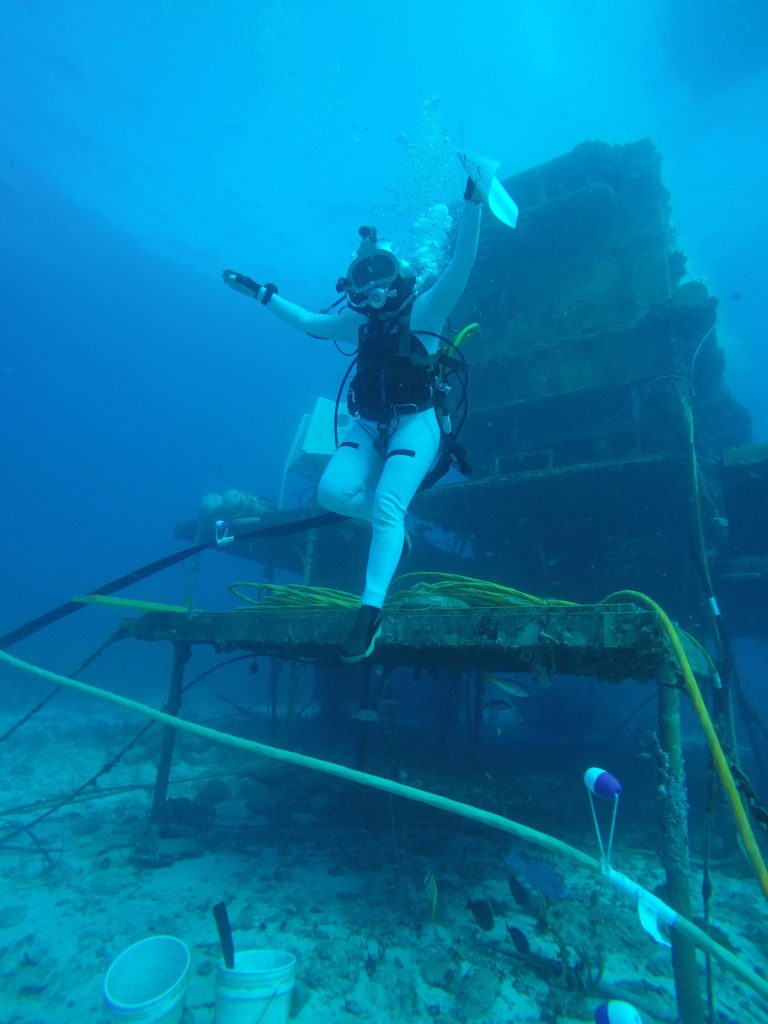
Prior to joining DEEP, Dawn’s research program was focused on developing approaches to protect humans in extreme environments. In 2016, she was one of six crew members to live and work undersea as part of NASA’s 21st underwater mission, NEEMO (NASA Extreme Environment Mission Operations).
Dawn has been a diver and leader for numerous underwater exploration, research and conservation projects. This includes the underwater exploration of Wakulla Springs and surrounding caves. Her underwater exploration, mentorship and research experience in the diving community led to her being inducted into the Women Divers Hall of Fame and becoming a Fellow of the Explorers Club.
Dawn is an Adjunct Professor in the Department of Neurosurgery at the University of North Carolina and a Visiting Scientist at the Institute for Human and Machine Cognition.
Q. Why do you work for DEEP, and what excites you about it?
A. As Director of Scientific Research at DEEP, I get to work with researchers and scientific collaborators on innovative projects that will expand human exploration and improve our understanding of the underwater world.
As someone who has lived in an undersea human habitat, I have experienced the positive impact of staying underwater for an extended period. I’m excited to help DEEP expand that opportunity and experience to others.
Q. What are the opportunities for habitat science and research that you’re excited about?
A. There’s a long list of science and research that can be conducted with an undersea human habitat program, from studying the marine environment around the habitat to studying the humans living in the habitat. I’m excited about that entire range of opportunities.
Q How is your expertise and experience helping to make humans aquatic?
A. My career has involved both exploration diving and studying how to protect humans who are living and working in extreme environments. These experiences and expertise tie together in multiple ways on the path to making humans aquatic.
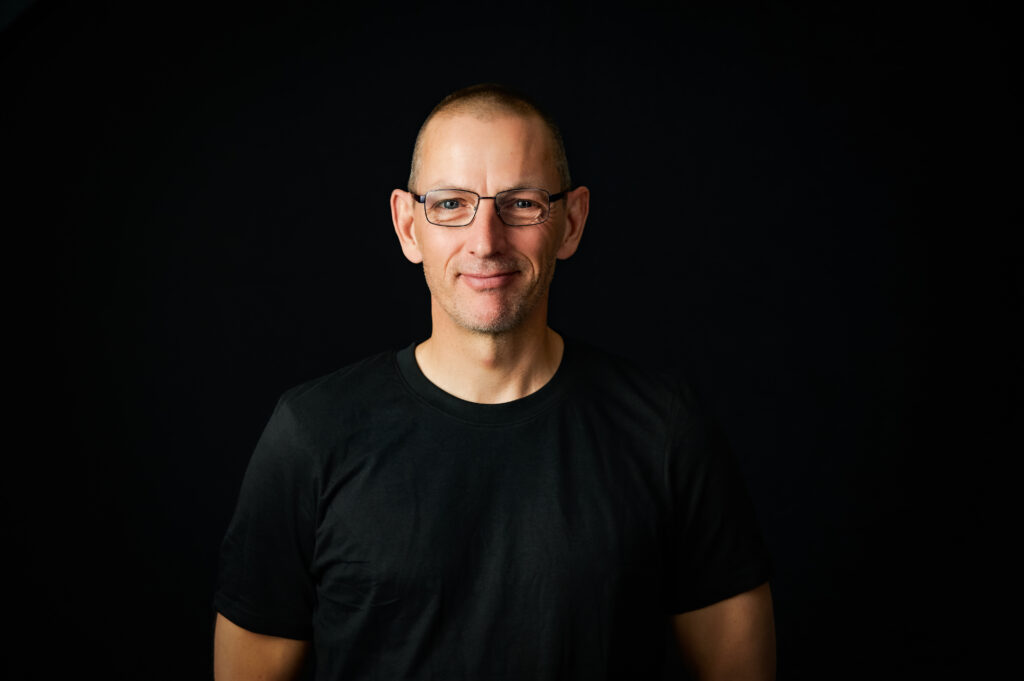
Phil Short – Research Diving and Training Lead
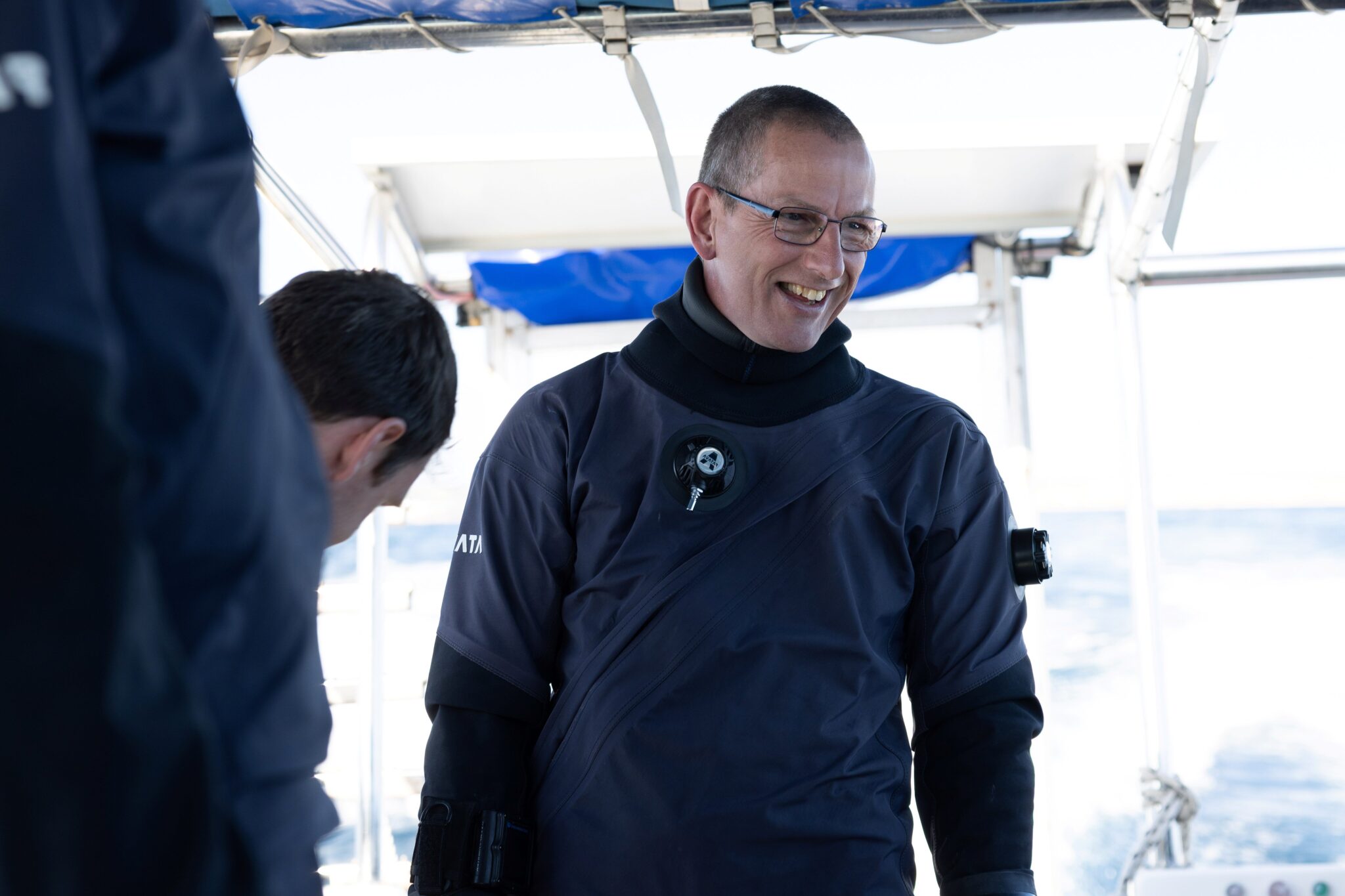
Phil has worked in diving for decades and brings a wealth of technical experience to DEEP. As a highly accredited training director and underwater researcher, he is focused on delivering equipment and methods to support subsea habitation.
Phil found diving through his passion for speleology. Caving led him into various disciplines such as rope work, climbing and, eventually, diving. Learning to dive with Steve Axtell, a highly regarded PADI Course Director, Phil soon developed a passion for diving.
Phil has logged over 6000 dives, with over 3000 hours on Closed Circuit Rebreathers.
As an educator, Phil has trained scientific groups, including US National Parks Service, Woods Hole Oceanographic Institute, Archaeologists of the Chinese National Museum in Beijing and search and rescue teams, such as the UK Police Strathclyde Underwater Search team.
Phil is a fellow of the Royal Geographical Society (FRGS) and the Explorers Club. Additionally, he is the proud recipient of the Sheck Exley 1000 Safe Cave Dives Safety award from the NSS-CDS (National Speleological Society Cave Diving Section).
Q. Why do you work for DEEP, and what excites you about it?
A. After 35 years working across multiple diving communities, the opportunity to return humans to subsea habitats and progress exploration of the oceans is beyond exciting. This is an unmissable opportunity to merge my knowledge and skills and contribute to a permanent human presence under the waves.
Q. What are the opportunities for habitat science and research that you’re excited about?
A. The opportunity is really the ability to explore the ‘twilight’ or mesophotic zone between 40 and 200 meters (130 and 656 feet) via a subsea human habitat. That’s too deep for traditional scuba diving to be practical or safe and too shallow to justify the cost and logistics of a deep-water submersible. In this aquatic realm, the opportunities to discover new species and explore lost shipwrecks is incredible!
Q. How is your expertise and experience helping to make humans aquatic?
A. As a diver who has experience and competency in scuba, rebreather, commercial umbilical and standard dress in environments across the globe (on wrecks, marine life sites, in mines and caves), I bring a diversity of knowledge and practical ability. All those skills and experiences are combining to help develop a Habitat Diver Training Program for DEEP’s mission to make humans aquatic.
Follow DEEP on Social Media
You can follow DEEP’s progress to making humans aquatic on social media @deepengineered or visit their website deep.com.