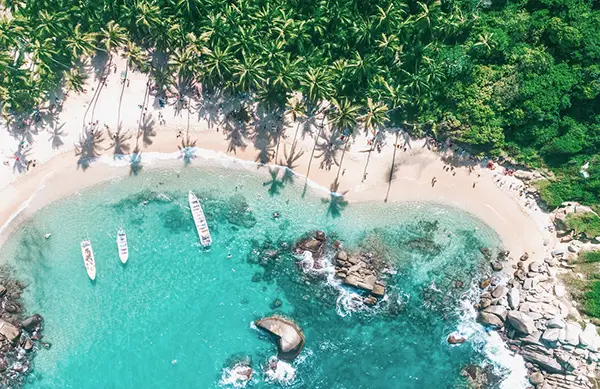
Some conservation journeys begin with a lifelong connection to the ocean. Others begin with a moment of change.
For Amanda Van Jaarsveld, that moment came later in life – after she had already started a family and made the decision to move to the coast in search of something new. What she found beneath the surface didn’t just shift her path – it defined it.
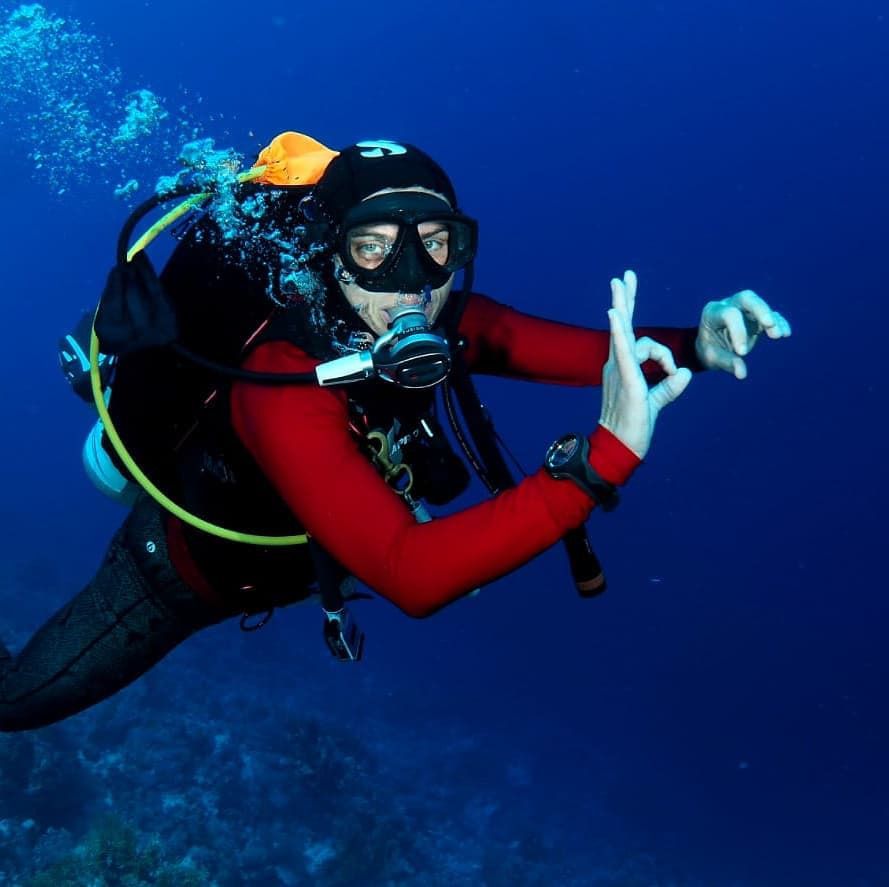
Today, Amanda is a PADI Open Water Scuba Instructor (#571609) based in Sodwana Bay, South Africa, working within the globally significant iSimangaliso Wetland Park. Through her leadership in community-driven conservation, from Marine Protected Area (MPA) Day and long-standing coastal cleanups to education programs and inclusive environmental initiatives, she is helping build a culture of ocean stewardship that reaches far beyond the water.
In recognition of her impact, Amanda has been named a recipient of the PADI Ocean Torchbearer Award, presented to PADI Professionals who demonstrate extraordinary leadership across PADI’s Pillars of Change: Ocean Conservation, Dive Industry Sustainability and People & Humanity.
What first inspired your connection to the ocean, and how did that evolve into your work in Sodwana Bay?
My connection to the ocean came later in life. I already had my two children when I felt the need to make a change and moved to the coast. That decision completely shifted my path. When I experienced the ocean properly for the first time, I fell in love with it in a way I never expected. It felt alive, welcoming and incredibly powerful. Conservation had always sparked something in me, but once I connected with the ocean, that passion became more focused.
Living and working in Sodwana Bay opened my eyes to both the beauty and the vulnerability of this ecosystem. I realized that protecting it wasn’t just important – it was necessary. From there, my role naturally grew into educating others and helping them see the ocean as something to respect, not fear.
You’ve taken a leadership role in MPA Day within a protected area. Why are Marine Protected Areas so critical, and what does it mean to work on the front lines of one?
Marine Protected Areas are critical because they give ecosystems the space they need to recover and thrive without constant human pressure. Working within iSimangaliso Wetland Park, I’ve seen firsthand how protection leads to healthier reefs and more balanced marine life. It shows that conservation efforts truly make a difference when they are supported and respected.
Being on the front lines of an MPA is something I don’t take lightly. It means I have a responsibility not only to protect the environment, but also to educate those who visit it. MPA Day is an opportunity to create awareness and help people understand why these areas exist. When people understand the purpose behind protection, they begin to value it more.
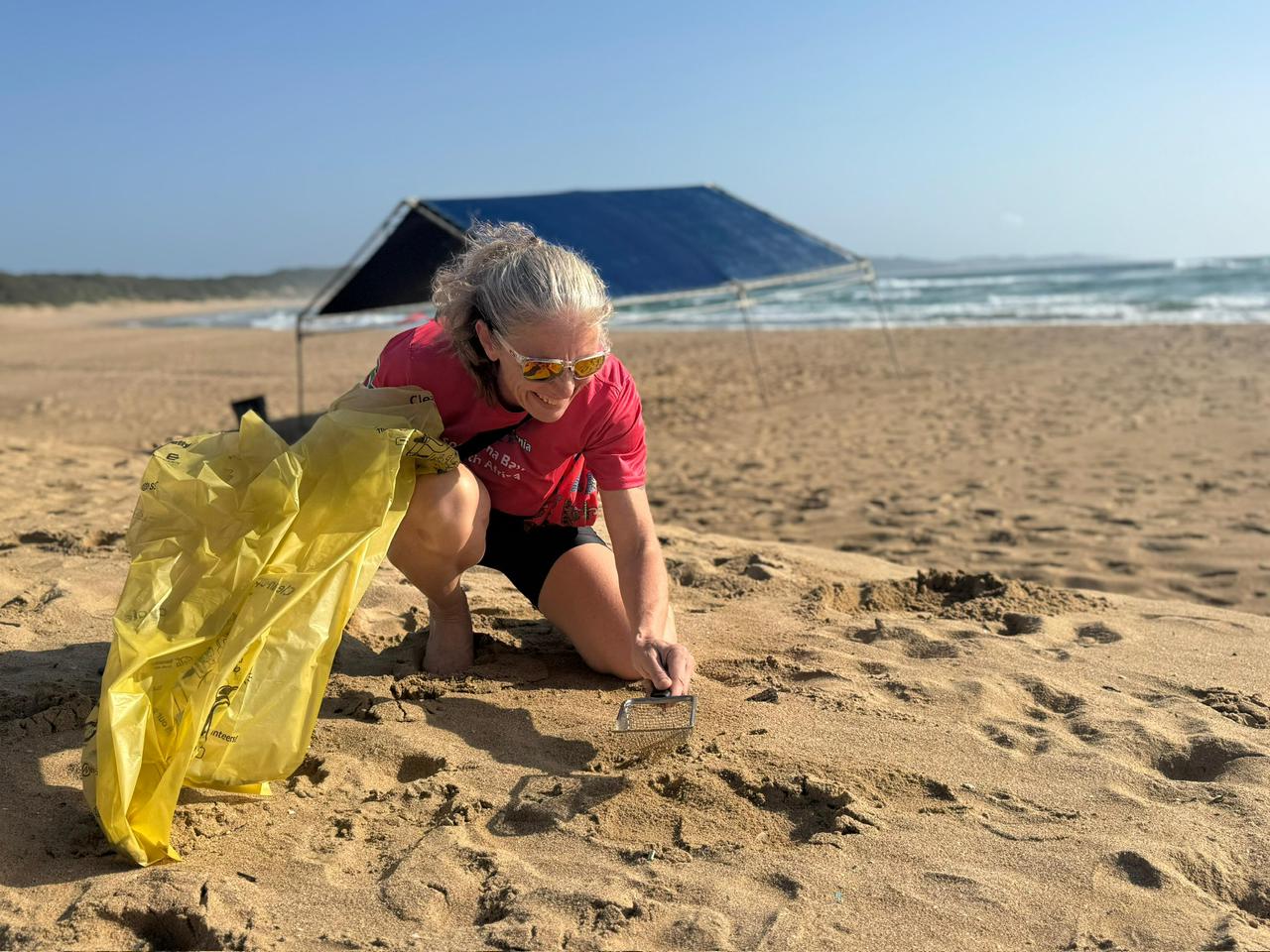
Your work spans beach cleanups, rock pool tours, educational programs and work with local schools. What have you found to be the most effective way to inspire people, especially younger generations, to care about the ocean?
The most effective way to inspire people is through experience. People connect far more deeply when they can see and feel things for themselves, whether that’s exploring a rock pool, joining a cleanup or going on their first snorkel. Many people arrive with a sense of fear or uncertainty about the ocean, and part of my role is helping them move past that. Once they understand what’s actually there, fear often turns into curiosity, appreciation and care.
That’s especially powerful with young people. They are open, curious and willing to learn. They ask questions, become excited and quickly begin to see their role in protecting the ocean. But I’ve also seen meaningful shifts in older generations who have lived alongside the ocean for years without fully understanding it. Education builds awareness and responsibility. Long-term ocean protection depends on people caring enough to act — and that starts with connection.
Your work around MPA Day and the environmental run has become a unique way of bringing the broader community into conservation. Why was that important to you, and what impact have you seen?
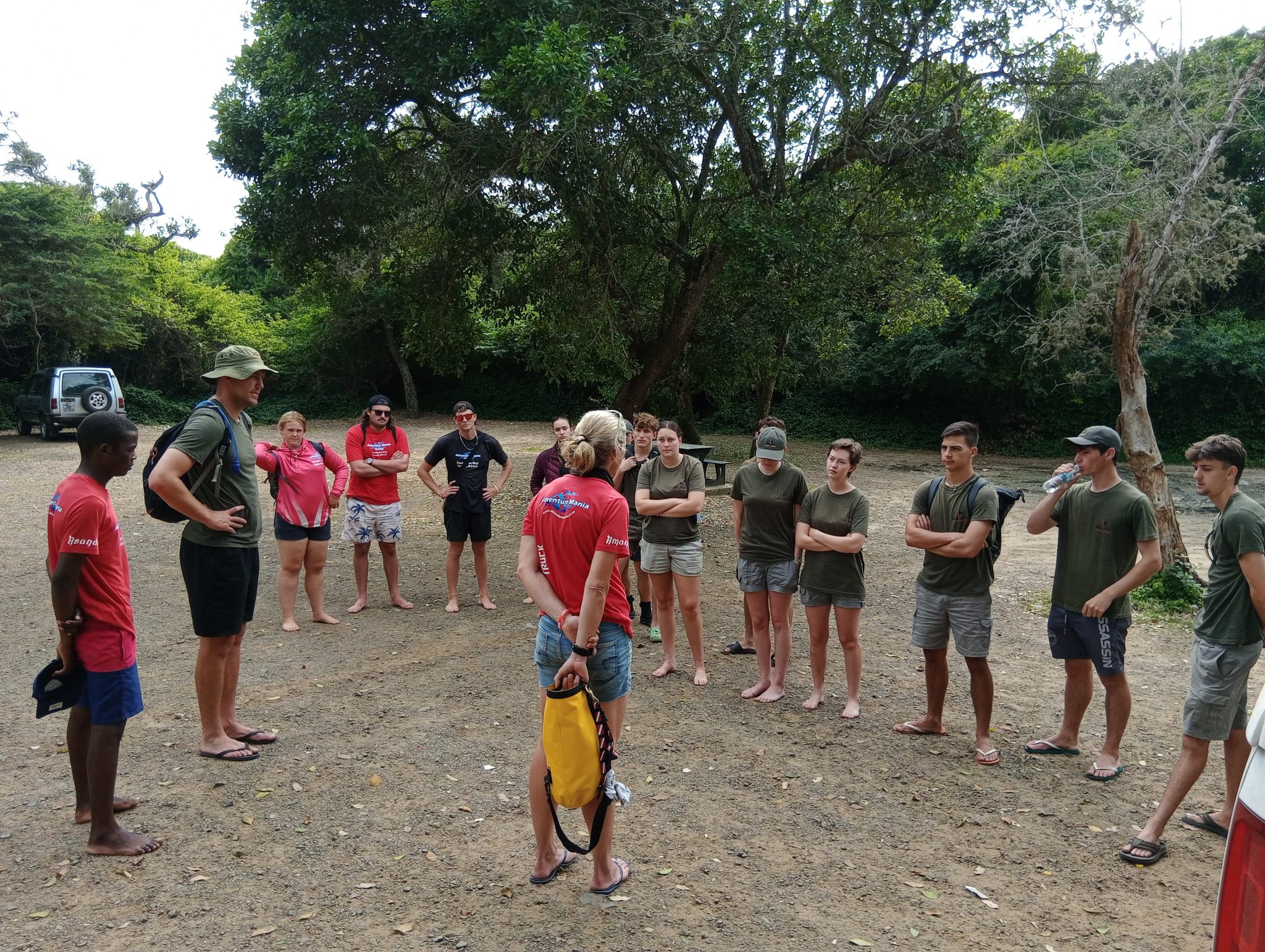
One of the things I’m most passionate about is helping people understand that Marine Protected Areas are not just for divers. These places belong to everyone – hikers, families, birders, runners, school groups and anyone who feels connected to nature.
With MPA Day, we wanted to create something that brought people together to experience the entire iSimangaliso ecosystem, not just the underwater world. Through the dive shop Adventure Mania, we help organize the annual “Run for MPAs,” which takes people through the dunes and ends on the beach. It’s designed to be simple and inclusive so anyone can participate, whether they’re a serious runner or just there to enjoy the experience.
But the event has grown into much more than the run itself. We involve local schools through rock pool explorations and hands-on learning activities, and we create opportunities for people to experience the area through snorkeling, beach activities and time spent in nature.
I’ve seen how powerful those experiences can be. When people feel connected to a place, they begin to care about protecting it. That sense of ownership and community involvement is what creates long-term conservation impact.
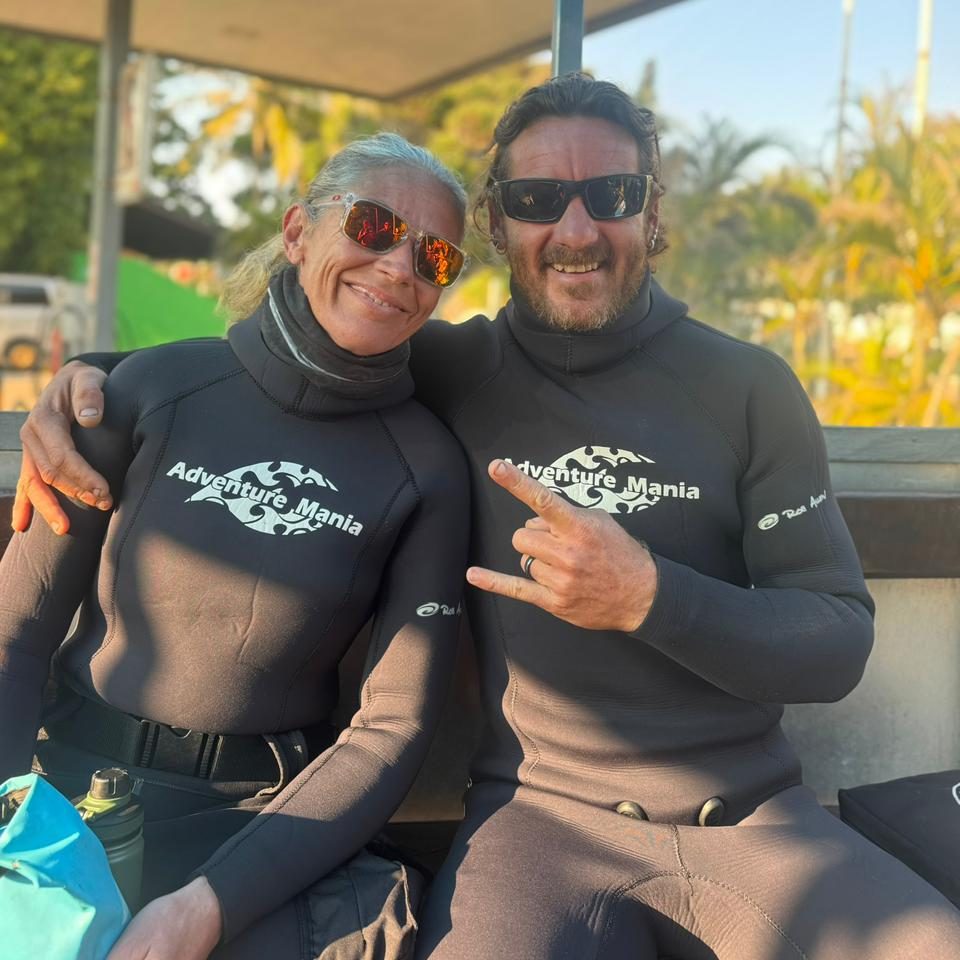
Adventure Mania is now a PADI Eco Center and Green Fins member. How are you integrating sustainability into your dive operations?
Becoming a PADI Eco Center and part of Green Fins has allowed us to take our conservation efforts a step further. We’ve implemented more sustainable practices in our daily operations, including reducing single-use plastics and promoting responsible diving behavior. A big part of this is education. Every diver who comes through has the opportunity to learn how their actions impact the environment.
Sustainable diving is becoming more important as the industry grows, and dive centers have a responsibility to protect the environments they operate in. By leading through example, we can help ensure these ecosystems remain healthy for future generations.
Can you share a moment that reminded you why this work matters?
There are many moments, but one that always stands out is seeing someone experience the ocean for the first time. There is a visible shift in that moment. Fear turns into curiosity, and curiosity turns into awe. You can see it in their reaction when they realize how alive and beautiful the ocean really is. Those moments are simple but incredibly powerful. When someone leaves with a new understanding and appreciation for the ocean, you know that something has changed.
Looking ahead, what is your vision for Sodwana Bay and the community you’re helping to build?
My vision for Sodwana Bay is a community that is deeply connected to and invested in protecting the environment. In the next five to 10 years, success would look like stronger education, greater awareness and more people actively involved in conservation – from young individuals to older generations. I also see sustainable tourism continuing to grow, with a focus on preserving the reef while still allowing people to experience it responsibly. It’s about creating a balance where conservation and community go hand in hand. If we can maintain the health of our reefs and continue to inspire people to care, then we are building something that will last well into the future.
Through education, inclusion and consistent action, Amanda Van Jaarsveld embodies the spirit of a PADI Ocean Torchbearer – demonstrating that when people connect with the ocean, they don’t just experience it, they begin to protect it.